Osteomyelitis: Causes, Symptoms & Treatment
Understanding bone infection: causes, symptoms, diagnosis, and treatment options for osteomyelitis.
What Is Osteomyelitis?
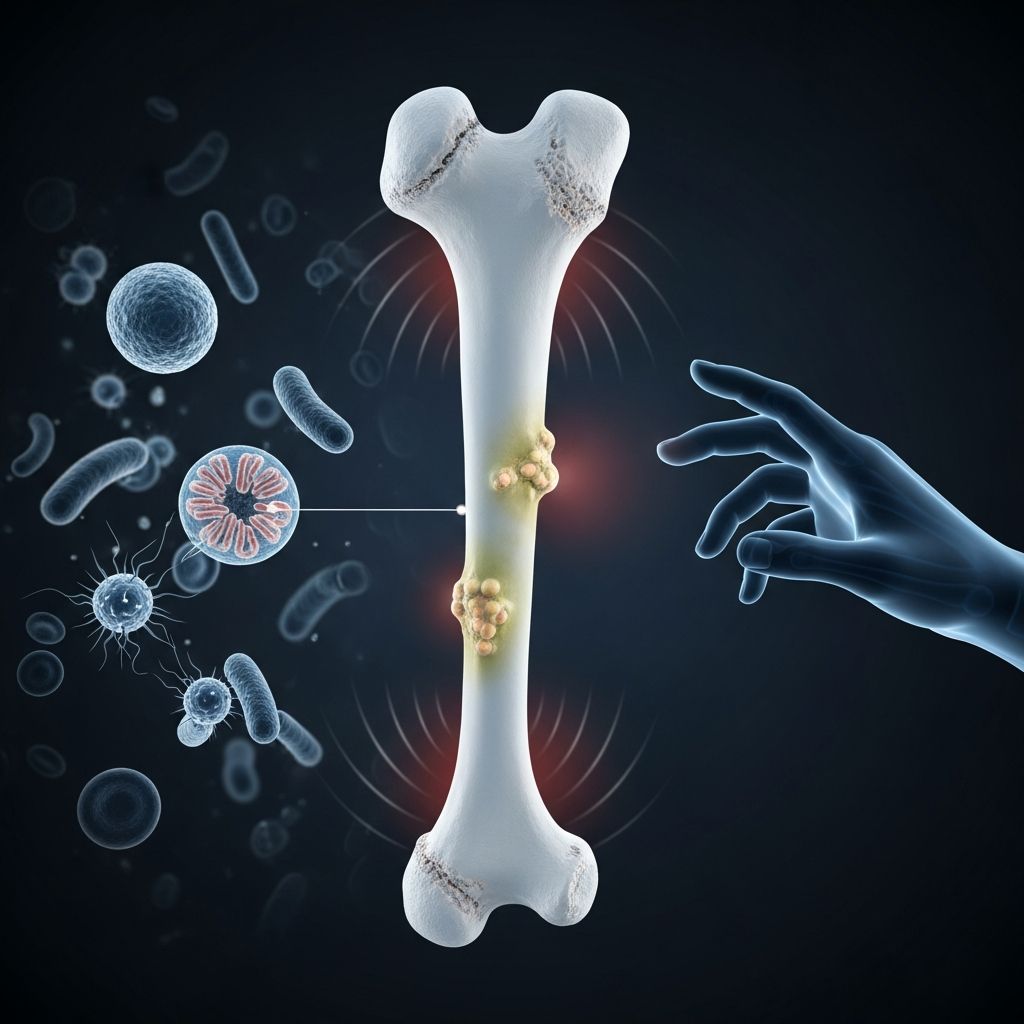
Osteomyelitis is a bone infection that occurs when bacteria or fungi invade the bone marrow. This infection can start in the skin, a wound, or a surgical site and spread to the bone through the bloodstream. If left untreated, osteomyelitis can cause permanent bone damage and serious complications. Early diagnosis and prompt treatment are essential to prevent long-term issues.
Causes of Osteomyelitis
Osteomyelitis can develop in several ways:
- Direct Inoculation: Infection can enter the bone directly through trauma, such as a deep cut or puncture wound, or during surgery.
- Contiguous Spread: Infection can spread from nearby infected tissue, such as a diabetic ulcer or an abscess, to the bone.
- Hematogenous Spread: Infection can travel through the bloodstream from another part of the body, such as the lungs or urinary tract, to the bone.
Common Pathogens
The most common cause of osteomyelitis is Staphylococcus aureus, including both methicillin-sensitive and methicillin-resistant strains. Other bacteria that can cause osteomyelitis include:
- Streptococci
- Gram-negative enteric organisms
- Anaerobic bacteria
Fungi can also cause osteomyelitis, especially in people with weakened immune systems.
Symptoms of Osteomyelitis
The symptoms of osteomyelitis can vary depending on the type and location of the infection. Common symptoms include:
- Localized bone pain and tenderness
- Fever and chills
- Swelling, redness, and warmth around the affected area
- Pus or discharge from a wound
- Malaise and fatigue
- Constitutional symptoms (in acute osteomyelitis)
- Chronic pain and intermittent symptoms (in chronic osteomyelitis)
Risk Factors
Anyone can develop osteomyelitis, but certain factors increase the risk:
- Recent surgery or trauma
- Diabetes
- Peripheral vascular disease
- Immunosuppression (e.g., HIV, chemotherapy)
- Chronic skin ulcers
- Prosthetic joints
- IV drug use
Diagnosis of Osteomyelitis
Diagnosing osteomyelitis involves a combination of clinical evaluation and diagnostic tests:
- Physical Exam: A healthcare provider will examine the affected area for signs of infection.
- Blood Tests: Complete blood count (CBC), erythrocyte sedimentation rate (ESR), and C-reactive protein (CRP) can indicate inflammation and infection.
- Imaging Studies: Radiographs, MRI, CT scans, or radioisotopic bone scanning can help visualize bone changes and abscesses.
- Culture: Bone biopsy, abscess aspiration, or debridement provides tissue for culture and antibiotic sensitivity testing.
Complications of Osteomyelitis
If osteomyelitis is not treated promptly, it can lead to serious complications:
- Permanent bone damage
- Chronic pain
- Pathologic fractures
- Draining sinus tracts
- Limb loss
- Spread of infection to other parts of the body
Treatment of Osteomyelitis
Treatment for osteomyelitis typically involves a combination of antibiotics and, in some cases, surgery:
- Antibiotics: Broad-spectrum antibiotics are usually started initially, and the regimen is adjusted based on culture results. Treatment may last several weeks to months.
- Surgery: Surgical intervention may be necessary to remove infected bone, drain abscesses, or stabilize fractures.
- Supportive Care: Pain management, wound care, and nutritional support are important components of treatment.
Related Stories



Prevention of Osteomyelitis
Preventing osteomyelitis involves managing risk factors and seeking prompt medical attention for infections:
- Keep wounds clean and covered
- Manage chronic conditions like diabetes
- Follow post-surgical care instructions
- Seek medical attention for signs of infection
Frequently Asked Questions (FAQs)
Q: What is the most common cause of osteomyelitis?
A: The most common cause of osteomyelitis is Staphylococcus aureus.
Q: How is osteomyelitis diagnosed?
A: Osteomyelitis is diagnosed through a combination of physical exam, blood tests, imaging studies, and culture of bone or abscess tissue.
Q: What are the symptoms of osteomyelitis?
A: Common symptoms include localized bone pain, fever, swelling, redness, warmth, pus or discharge, malaise, and fatigue.
Q: How is osteomyelitis treated?
A: Treatment typically involves antibiotics and, in some cases, surgery. Supportive care is also important.
Q: Can osteomyelitis be prevented?
A: Yes, by managing risk factors, keeping wounds clean, and seeking prompt medical attention for infections.
References
- Osteomyelitis – Musculoskeletal and Connective Tissue Disorders — Merck Manuals. 2023. https://www.merckmanuals.com/professional/musculoskeletal-and-connective-tissue-disorders/infections-of-joints-and-bones/osteomyelitis
- Osteomyelitis (Bone Infection): Causes, Symptoms & Treatment — Cleveland Clinic. 2023. https://my.clevelandclinic.org/health/diseases/osteomyelitis-bone-infection
- Chronic Nonspinal Osteomyelitis in Adults — RSNA Journals. 2023. https://pubs.rsna.org/doi/abs/10.1148/radiol.231348
Similar Articles








Read full bio of Sneha Tete