Osteopenia: Symptoms, Causes, Diagnosis, and Treatment
Understand osteopenia: low bone density before osteoporosis, with symptoms, causes, diagnosis, and effective treatments to strengthen bones.
Osteopenia is a condition characterized by lower-than-normal bone mineral density (BMD), serving as a precursor to osteoporosis but not meeting its diagnostic threshold. It increases fracture risk and affects millions, particularly postmenopausal women, yet can often be managed effectively through lifestyle interventions.
What Is Osteopenia?
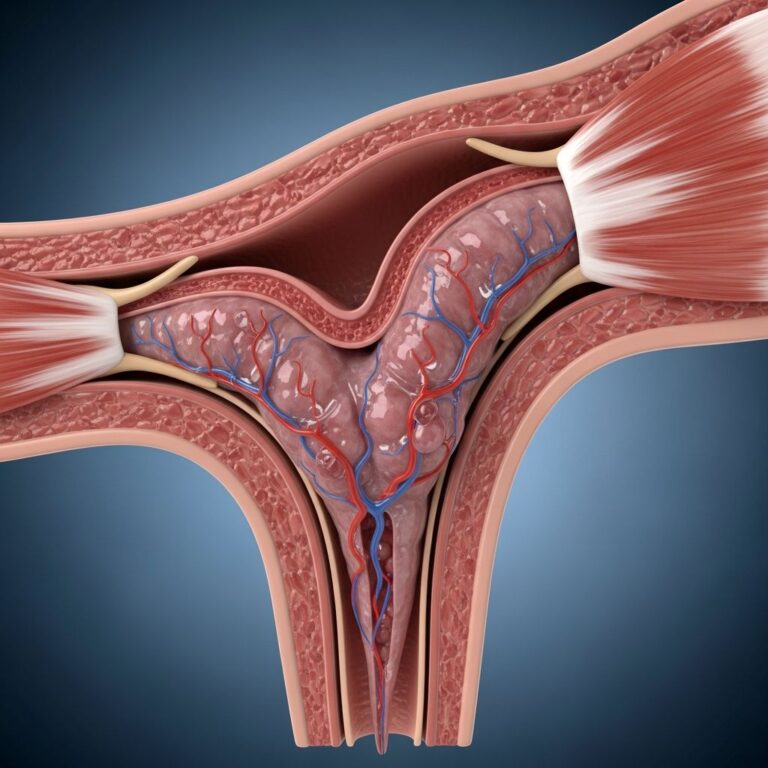
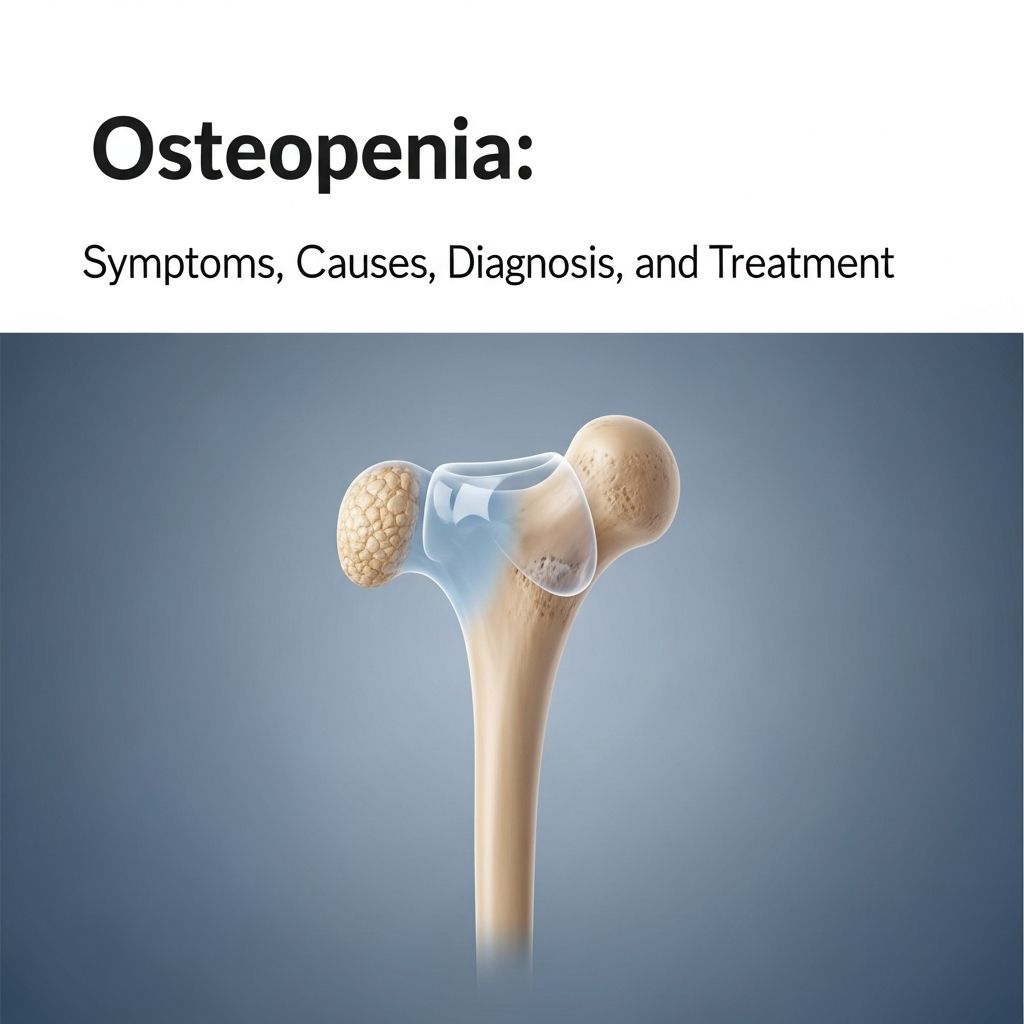
Osteopenia describes reduced bone mineral density below normal reference values without reaching osteoporosis levels. Bones have a honeycomb-like internal structure, and in osteopenia, these spaces enlarge, reducing density and making bones more fragile.
Unlike osteoporosis, which is diagnosed with a T-score of -2.5 or lower, osteopenia falls between -1.0 and -2.5 on the T-score from a DEXA scan. Peak bone mass occurs around age 30, after which resorption gradually outpaces formation, leading to natural bone loss accelerated by various factors.
In the U.S., about 54% of postmenopausal women have osteopenia, with females four times more likely than males due to hormonal changes post-menopause.
Osteopenia vs. Osteoporosis
| Aspect | Osteopenia | Osteoporosis |
|---|---|---|
| T-Score Range | -1.0 to -2.5 | < -2.5 |
| Bone Density Loss | Lower than normal, moderate risk | Severe, high fracture risk |
| Symptoms | Often none until fracture | Fractures, height loss, kyphosis |
| Prevalence | ~18-54 million adults | ~10 million U.S. adults |
| Treatment Focus | Lifestyle prevention | Medications + lifestyle |
Osteopenia acts as an early warning; not all cases progress to osteoporosis if addressed promptly.
Symptoms and Risk Factors of Osteopenia
Osteopenia is typically asymptomatic, earning it a ‘silent’ label like osteoporosis, with issues only apparent after fractures. Subtle signs may include minor height loss or stooped posture from micro-fractures.
Risk Factors:
- Age: Natural bone loss accelerates after 30; highest risk over 50.
- Sex: Postmenopausal women due to estrogen drop.
- Ethnicity: Higher in White and Asian populations.
- Lifestyle: Smoking, excessive alcohol (>2 drinks/day), sedentary behavior, low BMI (<18.5).
- Medical: Early menopause, long-term steroid use, eating disorders, hyperthyroidism.
- Family History: Genetic predisposition to low peak bone mass.
Secondary causes like alcohol use disorder or thin body habitus speed up bone loss.
Causes of Osteopenia
Primary osteopenia stems from age-related uncoupling of osteoclasts (bone-breaking cells) and osteoblasts (bone-building cells), favoring resorption after peak mass.
Secondary causes include:
- Hormonal imbalances (e.g., low estrogen/testosterone).
- Nutritional deficiencies (calcium, vitamin D).
- Chronic conditions (rheumatoid arthritis, celiac disease).
- Medications (glucocorticoids, anticonvulsants).
White and Asian races face higher risks, with males more prone to secondary forms.
How Is Osteopenia Diagnosed?
Diagnosis relies on central DEXA scan measuring BMD at hip and spine, yielding T-score (vs. young adult peak) and Z-score (vs. age-matched).
- T-Score: -1.0 normal; -1.0 to -2.5 osteopenia; <-2.5 osteoporosis.
- Z-Score: <-1.5 prompts secondary cause investigation in young patients.
Screening recommended for women ≥65, men ≥70, or earlier with risks (e.g., fractures, steroids). Peripheral DEXA or ultrasound may screen but not diagnose.
Treatment for Osteopenia
Treatment emphasizes lifestyle to halt progression; medications rare unless high risk.
Lifestyle Modifications
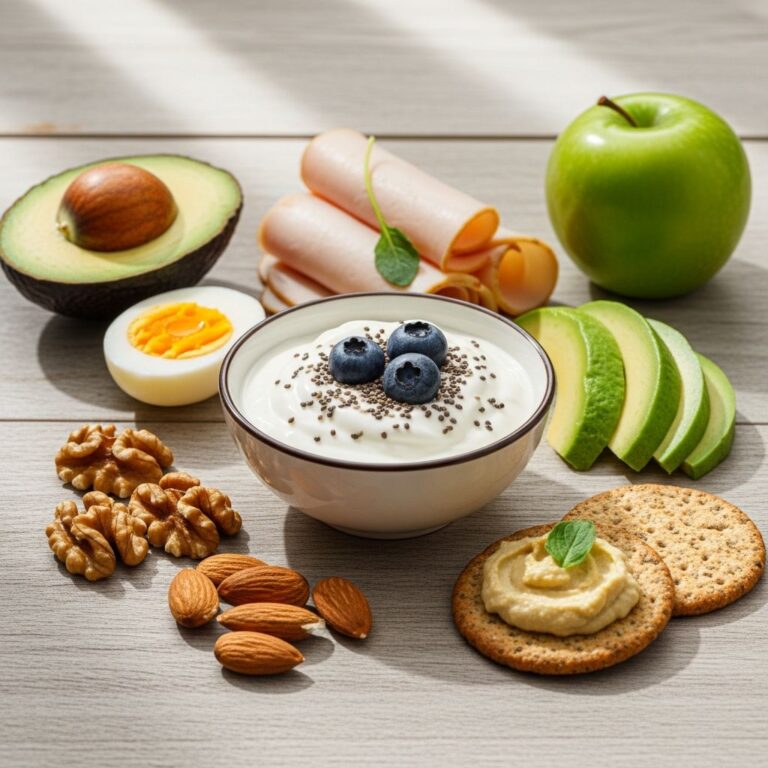
- Nutrition: 1,200mg calcium/day (dairy, greens, fortified foods); 800-2,000 IU vitamin D.
- Exercise: Weight-bearing (walking, dancing), resistance training (weights), balance (yoga, tai chi).
- Habits: Quit smoking; limit alcohol (<1 drink/day women, <2 men); reduce caffeine/soda.
Related Stories



Medications
For high fracture risk: Bisphosphonates (alendronate), denosumab, or hormone therapy in select cases. Always weigh benefits vs. risks like jaw osteonecrosis.
Prevention Tips for Osteopenia
Build peak bone mass young; maintain post-30:
- Weight-bearing exercise 30min/day.
- Calcium/vitamin D-rich diet or supplements.
- Avoid smoking/alcohol excess.
- Monitor BMD if at-risk.
Early intervention prevents 50%+ progression to osteoporosis.
Complications
Untreated osteopenia raises fracture risk (hip, spine, wrist), leading to pain, disability, kyphosis. Vertebral fractures often silent but increase subsequent risk 5-fold.
When to See a Doctor
Consult if unexplained fractures, height loss >1.5in, kyphosis, or risks present. Routine screening per guidelines.
Frequently Asked Questions (FAQs)
Is osteopenia reversible?
Not fully, but lifestyle changes can stabilize or improve BMD, preventing osteoporosis.
How can exercise help osteopenia?
Weight-bearing and resistance exercises stimulate bone formation; aim for 30min daily.
At what age should I get a DEXA scan?
Women 65+, men 70+, or earlier with risks like family history or steroids.
Can diet alone treat osteopenia?
Diet supports but combine with exercise; calcium/vitamin D essential.
Does osteopenia always lead to osteoporosis?
No, proactive management often stops progression.
References
- Osteopenia: How Exercise Can Help — Hinge Health. 2023. https://www.hingehealth.com/resources/articles/osteopenia/
- Osteopenia – StatPearls — NCBI Bookshelf / NIH. 2023-10-25. https://www.ncbi.nlm.nih.gov/books/NBK499878/
- What Is Osteopenia and How Does it Affect Older Adults? — National Council on Aging. 2023. https://www.ncoa.org/article/what-is-osteopenia-and-how-does-it-affect-older-adults/
Similar Articles








Read full bio of medha deb