Osteopenia: Weak Bones But Not Osteoporosis
Understanding osteopenia: The critical stage between healthy bones and osteoporosis.
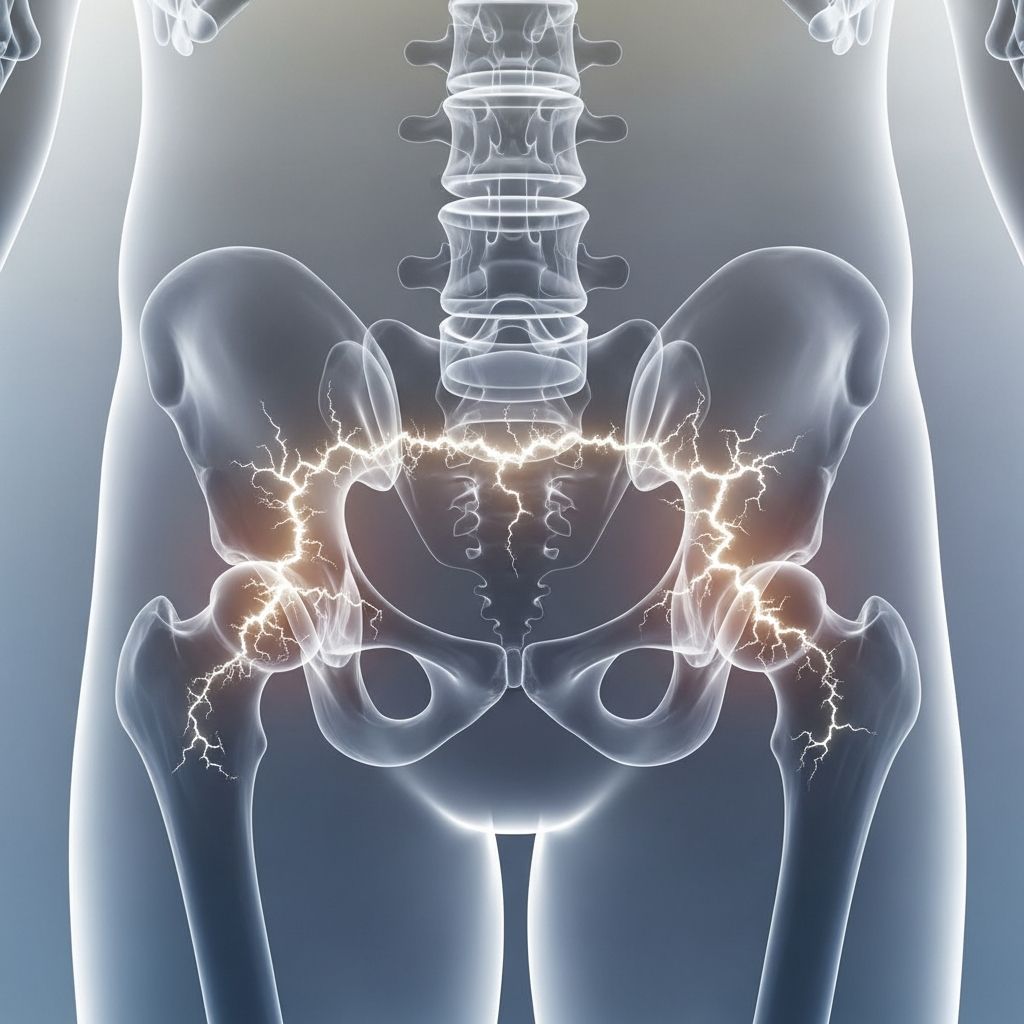
Osteopenia: When You Have Weak Bones But Not Osteoporosis
Bone health is a critical component of overall wellness, yet many people don’t give it much thought until they experience a fracture or are diagnosed with a bone-related condition. Osteopenia represents an important crossroads in bone health—a stage where your bones are beginning to weaken but haven’t progressed to the more severe condition of osteoporosis. Understanding osteopenia is essential for taking proactive steps to protect your skeletal health and prevent future complications.
Understanding Osteopenia and Its Relationship to Osteoporosis
Osteopenia and osteoporosis are related conditions that exist along a spectrum of bone loss. Both conditions involve a decrease in bone mineral density (BMD), which is a key indicator of how strong your bones are and your risk of experiencing fractures. Think of bone density as a spectrum, with normal bone density at one end and osteoporosis at the other end, with osteopenia positioned in the middle.
Osteopenia affects a significant portion of the American population. Approximately 40 million people in the United States have osteopenia, with about half of all Americans over age 50 experiencing this condition. The key distinction between osteopenia and osteoporosis lies in the degree of bone loss. With osteopenia, your bones are weaker than normal, but they haven’t reached the critical threshold that defines osteoporosis.
When someone has osteopenia, their bones lack sufficient minerals, making them more porous and fragile than healthy bones. However, the good news is that osteopenia is not inevitable and can often be managed or even reversed through lifestyle modifications, dietary changes, and sometimes medication.
How Bone Density Scores Work
To understand whether you have osteopenia or osteoporosis, doctors use a measurement called a T-score, which is derived from a bone mineral density test. This standardized score compares your bone density to that of a healthy young adult. The T-score is crucial for determining your current bone health status and your risk of future fractures.
A T-score ranging from -1 to -2.5 is classified as osteopenia. A T-score above -1 is considered normal bone density, while a score below -2.5 indicates osteoporosis. However, it’s important to understand that these distinctions, while useful for medical classification, represent somewhat arbitrary cutoff points. The actual numerical value of your T-score is more important than which category it falls into, as fracture risk increases gradually as bone mineral density declines.
Research has shown the relationship between T-scores and fracture risk. A study published in the Journal of the American Medical Association found that a 50-year-old white woman with a T-score of -1 has a 16 percent chance of fracturing a hip, while someone with a -2 score has a 27 percent chance, and a -2.5 score correlates with a 33 percent chance of hip fracture. These statistics demonstrate that even small differences in bone density scores translate into meaningful differences in fracture risk.
Risk Factors for Osteopenia
Understanding the factors that contribute to bone loss is essential for prevention. While everyone’s bones naturally weaken with age, certain lifestyle choices and medical conditions can accelerate this process significantly. Recognizing these risk factors allows you to take targeted action to protect your bone health.
Related Stories



Nutritional Risk Factors: Inadequate calcium and vitamin D intake is one of the most modifiable risk factors for osteopenia. These nutrients are fundamental to bone formation and maintenance. Your body requires sufficient calcium to build and maintain bone mass, while vitamin D enables calcium absorption in the intestines. Without adequate levels of both nutrients, your bones cannot maintain their density and strength.
Lifestyle Risk Factors: Smoking accelerates bone loss and significantly increases fracture risk. Alcohol consumption, particularly excessive drinking, interferes with bone formation and calcium absorption. Additionally, a sedentary lifestyle lacking weight-bearing exercise contributes to bone loss, as bones require mechanical stress to maintain their density.
Medical and Medication-Related Risk Factors: Certain medications, particularly corticosteroids and anticonvulsants, can accelerate bone loss as a side effect. Eating disorders such as anorexia and bulimia deprive the body of essential nutrients needed for bone strength. Untreated celiac disease can damage the small intestine and impair nutrient absorption. An overactive thyroid or excessive thyroid medication can also contribute to bone loss.
The Critical Role of Weight-Bearing Exercise
Weight-bearing exercise is one of the most effective preventive measures for maintaining and improving bone density. Weight-bearing exercises are those where your feet or legs must support your body’s weight against gravity. Walking and running are excellent examples of weight-bearing exercises. Swimming and cycling, while beneficial for cardiovascular health and overall fitness, are not weight-bearing activities since the water or seat supports your body weight.
Medical experts recommend at least 30 minutes of weight-bearing exercise on most days of the week to maintain bone health. The mechanical stress created by weight-bearing activities stimulates bone formation and helps prevent bone loss. Starting or maintaining a consistent exercise regimen is one of the most powerful tools available for osteopenia prevention and management, regardless of your age.
Prevention Strategies for Osteopenia
The good news about osteopenia is that it’s often preventable and manageable through proactive lifestyle measures. Taking steps early to protect your bone health can prevent progression to osteoporosis and significantly reduce your fracture risk.
Nutrition and Supplementation: Ensuring adequate calcium intake through dietary sources such as dairy products, leafy greens, and fortified foods is fundamental. If you cannot meet your calcium needs through diet alone, supplementation may be necessary. Vitamin D status should also be monitored, and supplementation may be recommended, particularly for individuals with limited sun exposure or those in northern climates with seasonal variation in vitamin D production.
Lifestyle Modifications: Quitting smoking if applicable, limiting alcohol consumption, and maintaining a healthy body weight all contribute to bone health. Avoiding excessive caffeine intake and ensuring adequate protein consumption also support bone maintenance. These modifications not only benefit bone health but also improve overall health and reduce risk of numerous chronic diseases.
Regular Monitoring: If you have been diagnosed with osteopenia, regular bone mineral density testing helps track changes in your bone health. Doctors typically recommend repeat testing every two to five years to monitor whether your bone density is stable, improving, or declining. This monitoring allows for timely adjustments to your prevention or treatment plan.
Treatment Options for Osteopenia
Treatment approaches for osteopenia depend on several factors, including your T-score, your personal fracture risk, and your individual health circumstances. Treatment is not one-size-fits-all, and your doctor will work with you to develop an individualized approach.
Conservative Management: For many people with osteopenia, particularly those with T-scores closer to -1, conservative management focusing on exercise and nutrition is the recommended first-line approach. This approach emphasizes weight-bearing exercise, adequate calcium and vitamin D intake, smoking cessation, and moderation of alcohol consumption. Research has shown that these lifestyle modifications can effectively slow bone loss and even improve bone density in some cases.
Medication Considerations: Some healthcare providers are increasingly cautious about prescribing bone-building medications for osteopenia, particularly in those with milder bone loss. Since fracture risk in early osteopenia is relatively low to begin with, and research suggests that medication may not substantially reduce fracture risk in this population, the benefits must be carefully weighed against potential long-term effects of medication use.
However, if your T-score falls closer to -2.5 or if you have additional fracture risk factors, your doctor may recommend adding medication to your treatment plan to more aggressively slow bone loss. The decision to treat with medication should be individualized based on your complete clinical picture, including your age, sex, other medical conditions, and personal fracture risk assessment.
Important Considerations About Bone Density Labels
While medical classification systems are useful for communication and treatment planning, it’s important to remember that the label—whether your diagnosis is “osteopenia” or “osteoporosis”—matters less than your actual numerical T-score and your overall fracture risk profile. These diagnostic categories represent somewhat arbitrary dividing lines in what is actually a continuous spectrum of bone loss.
The difference between someone with a T-score of -2.3 (classified as osteopenia) and someone with -2.5 (classified as osteoporosis) may be clinically insignificant, yet their diagnoses fall into different categories. What matters most is understanding your individual risk, working with your healthcare provider to develop an appropriate prevention or treatment strategy, and consistently implementing that strategy over time.
Frequently Asked Questions About Osteopenia
Q: Is osteopenia the same as osteoporosis?
A: No. Osteopenia and osteoporosis are related but distinct conditions representing different degrees of bone loss. Osteopenia represents early-stage bone loss with a T-score between -1 and -2.5, while osteoporosis involves more severe bone loss with a T-score below -2.5. However, osteopenia can progress to osteoporosis if left untreated.
Q: What is the best way to prevent osteopenia?
A: Prevention involves multiple strategies: ensuring adequate calcium and vitamin D intake, engaging in regular weight-bearing exercise for at least 30 minutes most days, avoiding smoking, limiting alcohol consumption, and maintaining a healthy body weight. These measures work together to maintain bone density and reduce fracture risk.
Q: How often should I have my bone density tested?
A: If you have been diagnosed with osteopenia, most physicians recommend bone mineral density testing every two to five years to monitor changes in your bone health and assess the effectiveness of your prevention or treatment strategy.
Q: Can osteopenia be reversed?
A: While osteopenia itself represents bone loss that cannot be completely “reversed,” bone density can often be stabilized or even improved through consistent implementation of lifestyle modifications, adequate nutrition, and sometimes medication. The key is preventing further bone loss and fractures.
Q: Do I need medication if I have osteopenia?
A: Not necessarily. The decision to prescribe medication for osteopenia depends on individual factors including your T-score, fracture risk assessment, age, and other health conditions. Many people with osteopenia successfully manage their condition through lifestyle modifications alone.
Q: What role does vitamin D play in bone health?
A: Vitamin D is essential for calcium absorption in the intestines. Without adequate vitamin D, your body cannot absorb sufficient calcium, even if you consume enough dietary calcium. Vitamin D deficiency significantly increases bone loss and fracture risk.
Q: Can I develop osteopenia even if I exercise regularly?
A: Yes, if exercise is not weight-bearing or if other risk factors are present, such as inadequate calcium and vitamin D intake, smoking, or certain medical conditions. Weight-bearing exercise combined with proper nutrition provides the most comprehensive approach to preventing osteopenia.
Moving Forward with Bone Health
If you have been diagnosed with osteopenia, remember that this is not a diagnosis of disease but rather an opportunity to take proactive steps to protect your long-term bone health. The decisions you make today regarding exercise, nutrition, and lifestyle choices will significantly influence your bone health in the decades to come.
Work closely with your healthcare provider to develop a personalized plan that addresses your specific risk factors and circumstances. Regular physical activity, adequate nutrition, and healthy lifestyle choices are powerful tools that you control. By taking action now, you can maintain or improve your bone density, reduce your fracture risk, and potentially prevent progression to osteoporosis.
References
- The Clinician’s Guide to Prevention and Treatment of Osteoporosis — National Center for Biotechnology Information (NCBI), National Institutes of Health. 2022. https://pmc.ncbi.nlm.nih.gov/articles/PMC9546973/
- What Is Osteopenia? How Is It Different From Osteoporosis? — WebMD. 2024. https://www.webmd.com/osteoporosis/osteopenia-early-signs-of-bone-loss
- Osteopenia: When You Have Weak Bones, But Not Osteoporosis — Harvard Medical School/Spine Arizona. 2019. https://spineaz.com/2019/03/18/osteopenia-when-you-have-weak-bones-but-not-osteoporosis/
- Journal of the American Medical Association Study on Fracture Risk — JAMA. 2001. Peer-reviewed research on T-score and hip fracture correlation in postmenopausal women.
- Bone Density Assessment Guidelines — World Health Organization (WHO). Multiple publications. https://www.who.int/
Similar Articles








Read full bio of Sneha Tete