Osteoporosis Symptoms: 4 Silent Signs, Risks, And Tests
Recognizing the silent signs of osteoporosis: back pain, height loss, fractures, and more to protect your bone health.
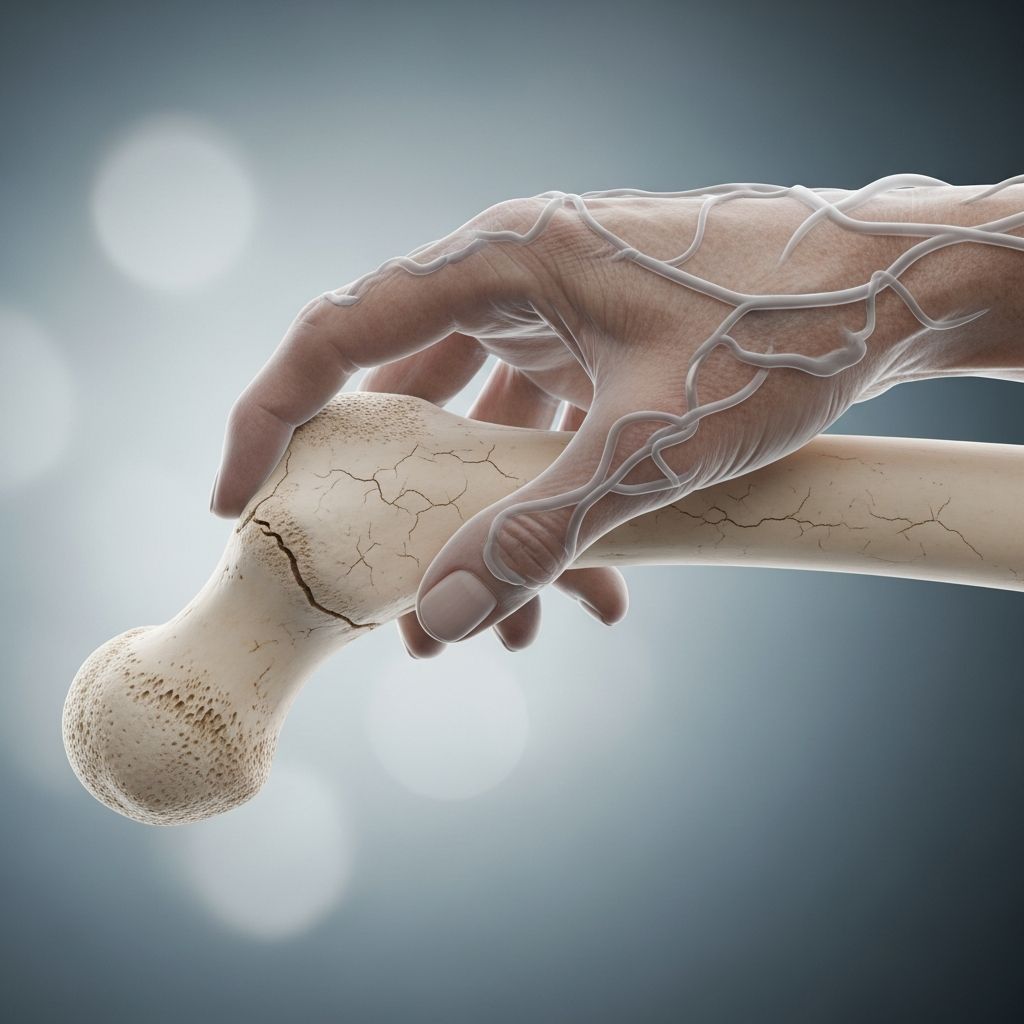
Osteoporosis is a progressive bone disease characterized by decreased bone density and strength, leading to heightened fracture risk. Often dubbed a “silent disease,” it typically presents no noticeable symptoms until a bone breaks, which can occur from minor stress like bending or coughing. This article explores the symptoms, causes, risk factors, diagnosis, treatment, and prevention strategies for osteoporosis, drawing from authoritative medical sources to help you recognize and address this common condition affecting millions worldwide.
What Is Osteoporosis?
Osteoporosis develops when the body loses bone mass faster than it can replace it, resulting in porous, fragile bones. Bones are living tissue in constant renewal: old bone is broken down, and new bone forms. Peak bone mass is usually reached by age 30, after which natural loss begins, accelerating in certain groups like postmenopausal women.
The disease primarily affects the hip, spine, and wrist, where fractures are most common. Without symptoms in early stages, many remain unaware until a fracture reveals the condition. Globally, it contributes to over 8.9 million fractures annually, with women twice as likely to develop it as men due to hormonal changes.
Symptoms of Osteoporosis
Early osteoporosis is asymptomatic, earning its “silent” label. Symptoms emerge only after significant bone loss causes structural changes or fractures. Key indicators include:
- Back pain: Often from vertebral compression fractures, where spinal bones collapse under pressure.
- Loss of height: Gradual reduction over years due to compressed vertebrae, sometimes up to several inches.
- Stooped posture (kyphosis): A hunched or forward-bent spine from multiple vertebral fractures.
- Easy fractures: Bones breaking from minor falls, lifting, or even sneezing—far beyond normal resilience.
These signs often appear insidiously. For instance, a vertebral fracture might cause sudden, severe back pain radiating around the waist, worsened by movement. Unlike muscle strain, this pain persists and may signal multiple micro-fractures. In advanced cases, spine malformations like a “dowager’s hump” develop, altering appearance and balance.
Early vs. Late Symptoms of Osteoporosis
To clarify progression, here’s a comparison:
| Stage | Symptoms | Common Sites |
|---|---|---|
| Early (Osteopenia precursor) | None or subtle bone density decline | All bones |
| Late (Established osteoporosis) | Fractures, back pain, height loss, kyphosis | Spine, hip, wrist |
Osteopenia, low bone mass without fragility, affects 1 in 3 adults over 50 and can progress to osteoporosis if unaddressed. Monitoring via bone density scans is crucial for at-risk individuals.
Fractures: The Hallmark Complication
Fractures are osteoporosis’s primary manifestation, occurring in fragile bones from everyday activities. Hip fractures, often from falls, lead to disability, surgery, and 20-30% mortality within a year. Spinal compression fractures cause immediate pain and long-term deformity, while wrist fractures (Colles’ fracture) result from outstretched falls.
Related Stories



Vertebral fractures may occur spontaneously, compressing without trauma. Symptoms include acute pain lasting 4-6 weeks, chronic ache, and progressive deformity. Hip fractures impair mobility, increasing fall risk and dependency.
Risk Factors for Osteoporosis
Several factors accelerate bone loss:
- Age and sex: Risk rises post-50; postmenopausal estrogen drop is key.
- Family history: Genetic predisposition to low peak bone mass.
- Hormone levels: Low estrogen/testosterone; hyperthyroidism.
- Lifestyle: Sedentary habits, low calcium/vitamin D, smoking, excess alcohol.
- Medical conditions/medications: Rheumatoid arthritis, corticosteroids, proton pump inhibitors.
Women over 65 or those with fractures after minor trauma should screen promptly.
Diagnosis: Catching It Before a Break
Diagnosis relies on dual-energy X-ray absorptiometry (DEXA) scans measuring bone mineral density (BMD) at hip/spine. T-scores classify: normal (≥-1), osteopenia (-1 to -2.5), osteoporosis (≤-2.5). Additional tests include FRAX tool for 10-year fracture risk, vertebral imaging, or blood markers like CTX for bone turnover.
Early detection via BMD testing—recommended for women ≥65, men ≥70, or younger with risks—prevents complications.
Treatment Options for Osteoporosis
Treatment aims to halt bone loss, promote formation, and reduce falls:
- Medications: Bisphosphonates (alendronate), denosumab, anabolic agents (teriparatide), hormone therapy.
- Lifestyle: Weight-bearing exercise (walking, weights), 1200mg calcium/800-2000IU vitamin D daily.
- Fall prevention: Home safety, balance training (tai chi).
Monitor response with serial DEXA scans every 1-2 years.
Prevention: Building Strong Bones Lifelong
Prevention starts young: achieve peak bone mass via diet, exercise. Post-50, mitigate loss with calcium-rich foods (dairy, greens), sun exposure/vitamin D, quitting smoking, limiting alcohol. Regular screening identifies issues early.
Exercise is vital: 30 minutes daily of weight-bearing/resistance training boosts BMD by 1-3% yearly.
When to See a Doctor
Seek care for unexplained back pain, height loss >1 inch, stooped posture, or fractures from minor incidents. Report risk factors like family history or long-term steroid use. Prompt evaluation prevents irreversible damage.
Frequently Asked Questions (FAQs)
Is osteoporosis painful before a fracture?
No, it’s typically painless until bone breaks. Early stages show no symptoms.
Who is at highest risk for osteoporosis?
Postmenopausal women, older adults, those with family history, low body weight, or smoking history.
Can osteoporosis be reversed?
Not fully, but treatments stabilize or improve density, reducing fracture risk significantly.
How often should I get a bone density scan?
Every 1-2 years if at risk; discuss with your provider based on initial results.
Does exercise help osteoporosis?
Yes, weight-bearing activities strengthen bones and improve balance to prevent falls.
References
- Osteoporosis Causes, Risk Factors, & Symptoms — National Institute of Arthritis and Musculoskeletal and Skin Diseases (NIAMS). 2023. https://www.niams.nih.gov/health-topics/osteoporosis
- Osteoporosis – Symptoms and causes — Mayo Clinic. 2024-05-08. https://www.mayoclinic.org/diseases-conditions/osteoporosis/symptoms-causes/syc-20351968
- Osteoporosis: Symptoms, Causes & Treatment — Cleveland Clinic. 2024. https://my.clevelandclinic.org/health/diseases/4443-osteoporosis
- Osteoporosis — Office on Women’s Health, U.S. Department of Health and Human Services. 2023. https://womenshealth.gov/a-z-topics/osteoporosis
Similar Articles








Read full bio of Sneha Tete