Osteoporosis vs Osteopenia: Key Differences
Understand the critical differences between osteoporosis and osteopenia to protect your bone health.
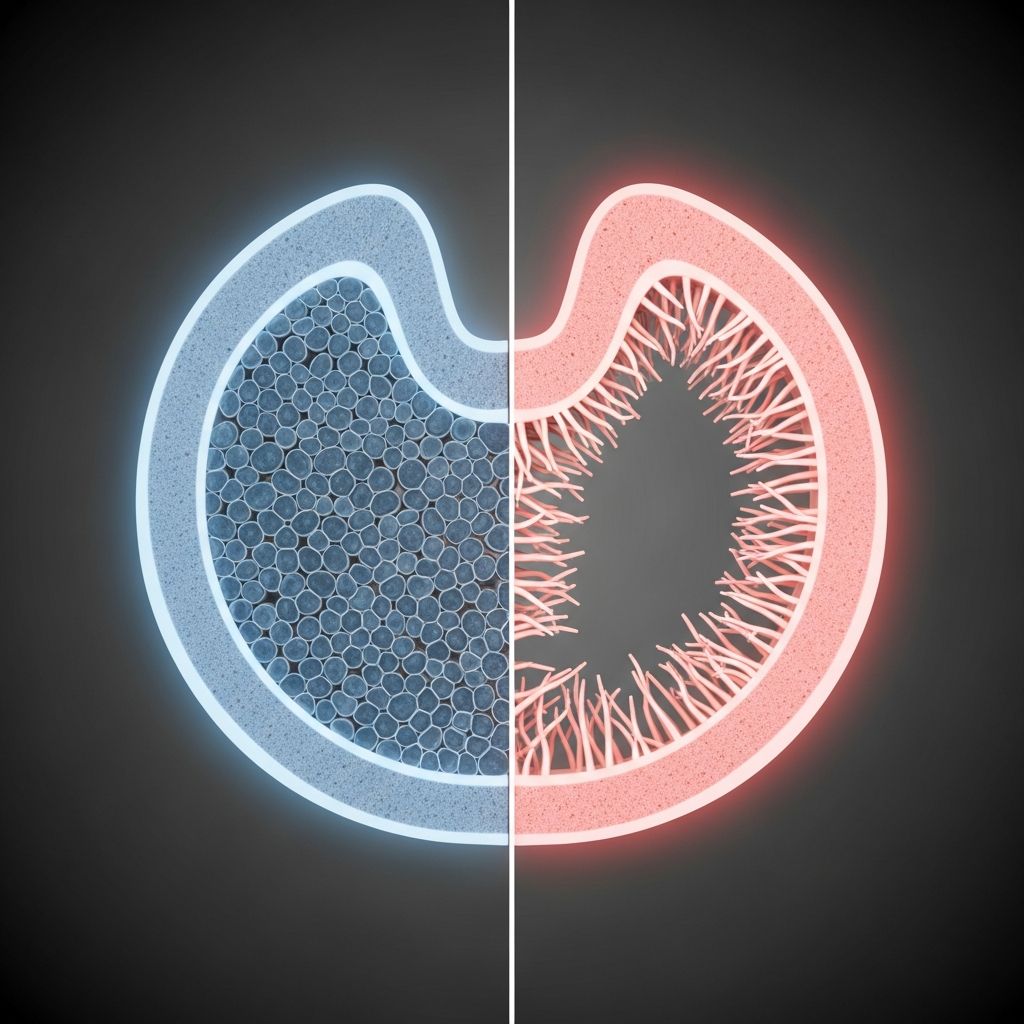
Understanding Osteoporosis and Osteopenia: What You Need to Know
Bone health is a critical component of overall wellness, particularly for women as they age. Two conditions that often cause confusion among patients are osteoporosis and osteopenia. While these conditions sound similar and are indeed related, they represent different stages of bone loss with distinct implications for treatment and fracture risk. Understanding the differences between these two conditions is essential for making informed decisions about your health and implementing appropriate preventive measures.
Both osteoporosis and osteopenia involve a decline in bone mineral density, a key marker of bone strength and fracture risk. However, they occur at different severity levels. Think of bone mineral density as a slope, with normal bone density at the top and osteoporosis at the bottom. Osteopenia falls somewhere in between these two points. Approximately 40 million people in the United States have osteopenia, making it a widespread health concern that deserves attention and understanding.
What Is Osteopenia?
Osteopenia is characterized by a loss of bone density that results in bones lacking sufficient mineral content, making them weaker than normal. Unlike osteoporosis, where bones become severely weakened and brittle, osteopenia represents an intermediate stage where bone weakness increases fracture risk but has not yet progressed to the advanced stage of bone loss. Approximately 34 million Americans are affected by osteopenia, with prevalence increasing significantly after age 50.
When you have osteopenia, your bones are weaker than they should be for optimal health, and your risk of developing osteoporosis and experiencing bone fractures increases. However, this condition is not inevitable and can be managed effectively through lifestyle modifications and, in some cases, medical interventions. Early detection and intervention can help prevent progression to osteoporosis.
What Is Osteoporosis?
Osteoporosis occurs when the creation of new bone fails to keep pace with the removal of old bone. This results in bones becoming weak and brittle, so fragile that minor falls or even mild stresses such as bending over or coughing can cause fractures. Osteoporosis-related fractures most commonly affect the hip, wrist, or spine, potentially leading to significant disability and reduced quality of life.
Unlike osteopenia, which may not produce noticeable symptoms, osteoporosis represents a more advanced stage of bone loss where the structural integrity of bone is severely compromised. The condition develops gradually over years without symptoms, often going undetected until a fracture occurs. This is why osteoporosis is sometimes called a “silent disease.”
Key Differences Between Osteopenia and Osteoporosis
The primary distinction between osteopenia and osteoporosis lies in the degree of bone mineral density loss and the associated fracture risk. To understand this distinction, medical professionals use bone density measurements called T-scores obtained from a dual-energy x-ray absorptiometry (DXA) scan.
| Characteristic | Osteopenia | Osteoporosis |
|---|---|---|
| T-Score Range | -1 to -2.5 | Below -2.5 |
| Bone Density Status | Low but not severely weakened | Severely weakened and brittle |
| Fracture Risk | Increased but moderate | Significantly increased |
| Symptoms | Usually none | Usually none until fracture occurs |
| Progression | May progress to osteoporosis | Advanced stage of bone loss |
Understanding T-Scores
T-scores are standardized measurements that indicate how much your bone mineral density differs from that of a healthy 30-year-old adult. A T-score ranging from -1 to -2.5 is classified as osteopenia, while a T-score below -2.5 indicates osteoporosis. The lower your T-score, the more porous your bones become.
Related Stories



It’s important to understand that while these classifications provide useful guidelines, the exact numerical score matters more than the categorical label. A person with a T-score of -2.3 (osteopenia) and another with a -2.5 (osteoporosis) may have minimal actual difference in bone density, yet they fall into different diagnostic categories. Research published in the Journal of the American Medical Association demonstrated that fracture risk increases progressively with declining bone mineral density, with a 50-year-old white woman having a 16% hip fracture chance at a T-score of -1, increasing to 27% at -2, and 33% at -2.5.
Risk Factors for Osteopenia and Osteoporosis
Biological and Genetic Factors
Certain groups are at higher risk for developing bone density loss. Women assigned female at birth (AFAB) have lower bone mass than those assigned male at birth (AMAB) and typically live longer, meaning their bones age more over a lifetime. Additionally, women AFAB usually do not consume as much calcium as their male counterparts. People with a family history of osteoporosis are genetically predisposed to the condition, increasing their personal risk.
Medical Conditions
Several medical conditions increase the risk of bone density loss, including bone-related autoimmune diseases such as rheumatoid arthritis and Ehlers-Danlos syndrome. Other conditions include diabetes, chronic kidney disease, and hormonal imbalances such as Cushing’s syndrome. Additionally, hyperthyroidism, hormonal changes during menopause, and gastrointestinal surgeries that affect nutrient absorption contribute to increased fracture risk.
Medications
Certain medications can accelerate bone loss. These include corticosteroids, anticonvulsants, and specific treatments for cancer, heartburn, high blood pressure, and seizures. The long-term use of these medications may necessitate additional bone health monitoring.
Lifestyle Factors
Lifestyle choices significantly impact bone density. Key risk factors include insufficient calcium and vitamin D intake, smoking, excessive alcohol consumption, excessive caffeine intake, and inadequate weight-bearing exercise. Weight-bearing exercises—where your feet touch the ground, such as walking and running—are particularly important for maintaining bone strength.
Diagnosis of Osteopenia and Osteoporosis
Osteopenia typically does not produce any noticeable symptoms, making diagnosis challenging without appropriate screening. The only reliable way to determine whether you have osteopenia or osteoporosis is through a bone mineral density test. The standard diagnostic tool is dual-energy x-ray absorptiometry (DXA), a painless, noninvasive test that measures the mineral content of bone.
The measurements from DXA scans, expressed as T-scores, determine into which category—normal, osteopenia, or osteoporosis—a person falls. People diagnosed with osteopenia typically need regular bone density scans every few years to monitor bone changes and track disease progression. This monitoring helps determine whether the condition is remaining stable, improving, or worsening over time.
Treatment and Management Strategies
Lifestyle Modifications
The foundation of managing both osteopenia and osteoporosis involves lifestyle changes. Physical activity, proper nutrition, and healthy habits are the best treatments for maintaining and improving bone health. Adopting an active lifestyle that includes regular weight-bearing exercise—at least 30 minutes on most days—helps strengthen bone tissue and slow bone loss.
Nutrition plays a crucial role in bone health. A diet rich in calcium and vitamin D supports bone density and helps prevent fractures. Women should ensure adequate calcium intake through dairy products, leafy greens, fortified foods, or supplements as recommended by healthcare providers. Vitamin D, which aids calcium absorption, should also be prioritized through sunlight exposure, fortified foods, or supplements.
Medical Treatment
While lifestyle modifications are fundamental, some individuals may require medication to prevent further bone loss and reduce fracture risk. However, medical experts are increasingly cautious about overmedicating individuals with osteopenia, as fracture risk is initially low and research shows medications may not significantly reduce it. Generally, if your T-score is above -2, healthcare providers typically recommend focusing on exercise, weight-bearing activities, and adequate vitamin D and calcium intake. If your T-score is closer to -2.5, your doctor may consider adding medication to help maintain bone strength.
Prevention Strategies
Preventing osteopenia and osteoporosis requires a comprehensive approach to bone health throughout your lifetime. Key prevention strategies include maintaining adequate calcium and vitamin D intake, engaging in regular weight-bearing and muscle-strengthening exercise, avoiding smoking, limiting alcohol consumption, and managing stress effectively.
It’s never too early to take preventive steps toward maintaining strong bones. Young women should establish healthy habits that support lifelong bone health. Even if you already have osteopenia, it’s not too late to prevent progression to osteoporosis. Consulting with your healthcare provider about an appropriate exercise plan tailored to your needs and current fitness level is essential for developing an effective prevention strategy.
Complications and Fracture Risk
The primary complication of osteopenia is an increased risk of fracturing a bone and potentially developing osteoporosis if the condition is not managed appropriately. Fracture risk increases as bone mineral density declines. Women with osteoporosis face particularly high fracture risks from minor trauma or falls that would not typically cause injury in individuals with normal bone density.
Hip fractures are especially serious, often requiring surgery and extended rehabilitation, sometimes resulting in permanent disability or loss of independence. Vertebral fractures can cause chronic pain, loss of height, and postural changes. Wrist fractures, while typically less severe, can still significantly impact daily functioning and quality of life.
Special Considerations for Women
Women face unique challenges regarding bone health, particularly during and after menopause. Estrogen plays a crucial role in maintaining bone density, and the dramatic decline in estrogen production during menopause accelerates bone loss. Post-menopausal women are at significantly higher risk for osteoporosis, particularly white and Asian women. This makes bone health screening and preventive measures especially important for women approaching or in menopause.
Frequently Asked Questions
Q: Can osteopenia progress to osteoporosis?
A: Yes, osteopenia can progress to osteoporosis if bone loss continues without intervention. However, with appropriate lifestyle modifications, including adequate calcium and vitamin D intake, regular weight-bearing exercise, and avoiding harmful habits like smoking, progression can often be prevented or slowed significantly.
Q: How often should I get bone density screening?
A: People diagnosed with osteopenia typically require bone density testing every two to five years to monitor bone changes and track disease progression. Your healthcare provider can recommend the most appropriate screening schedule based on your individual risk factors and test results.
Q: What is the best treatment for osteopenia?
A: Physical activity, vitamin supplements (particularly vitamin D and calcium), and a healthy diet are the most effective treatments for osteopenia. These approaches can strengthen bone tissue and slow bone loss, helping prevent bone fractures and progression to osteoporosis. Medication may be considered for individuals with T-scores closer to -2.5 or additional risk factors.
Q: Is osteopenia serious?
A: Osteopenia is not as severe as osteoporosis, but it can lead to serious complications such as bone fractures, especially if you have other risk factors that increase vulnerability to bone density loss. Early intervention and lifestyle modifications can effectively manage the condition and prevent progression.
Q: Can you reverse osteopenia?
A: While osteopenia cannot be completely reversed, its progression can be halted or slowed through comprehensive lifestyle modifications, including proper nutrition, regular weight-bearing exercise, and avoiding harmful habits. In some cases, bone density may improve with sustained healthy practices.
Q: What role does calcium and vitamin D play in bone health?
A: Calcium is essential for building and maintaining bone structure, while vitamin D facilitates calcium absorption in the intestines. Together, they form the foundation of bone health. Adequate intake of both nutrients throughout life helps maintain bone density and reduce fracture risk.
Q: Are men at risk for osteopenia and osteoporosis?
A: Yes, while women are at higher risk, particularly after menopause, men can also develop osteopenia and osteoporosis. Men typically have higher peak bone mass and do not experience the dramatic hormonal changes that women do during menopause, but they remain at risk as they age, especially if they have risk factors such as family history, certain medical conditions, or lifestyle factors.
Conclusion
Understanding the differences between osteopenia and osteoporosis is crucial for taking charge of your bone health. While osteopenia represents an intermediate stage of bone loss that is less severe than osteoporosis, it should not be ignored. With appropriate preventive measures, including regular weight-bearing exercise, adequate calcium and vitamin D intake, and healthy lifestyle choices, you can maintain bone strength and reduce your risk of fractures throughout your life. Early detection through bone density screening allows for timely intervention before progression to osteoporosis occurs. Talk with your healthcare provider about developing a personalized bone health plan that addresses your individual risk factors and health goals.
References
- What Is Osteopenia? How Is It Different From Osteoporosis? — WebMD. 2024. https://www.webmd.com/osteoporosis/osteopenia-early-signs-of-bone-loss
- Osteopenia: When you have weak bones, but not osteoporosis — Spine Arizona. 2019-03-18. https://spineaz.com/2019/03/18/osteopenia-when-you-have-weak-bones-but-not-osteoporosis/
- Bone Health and Osteoporosis: A Report of the Surgeon General — U.S. Department of Health and Human Services, Office of the Surgeon General. 2004. https://www.ncbi.nlm.nih.gov/books/NBK45078/
- Fracture Risk Assessment Tool (FRAX) — World Health Organization (WHO). 2024. https://www.sheffield.ac.uk/FRAX/
Similar Articles








Read full bio of Sneha Tete