Osteosarcoma Symptoms: Early Warning Signs And Diagnosis
Recognizing the early signs of osteosarcoma, the most common bone cancer in children and young adults, for timely diagnosis and treatment.
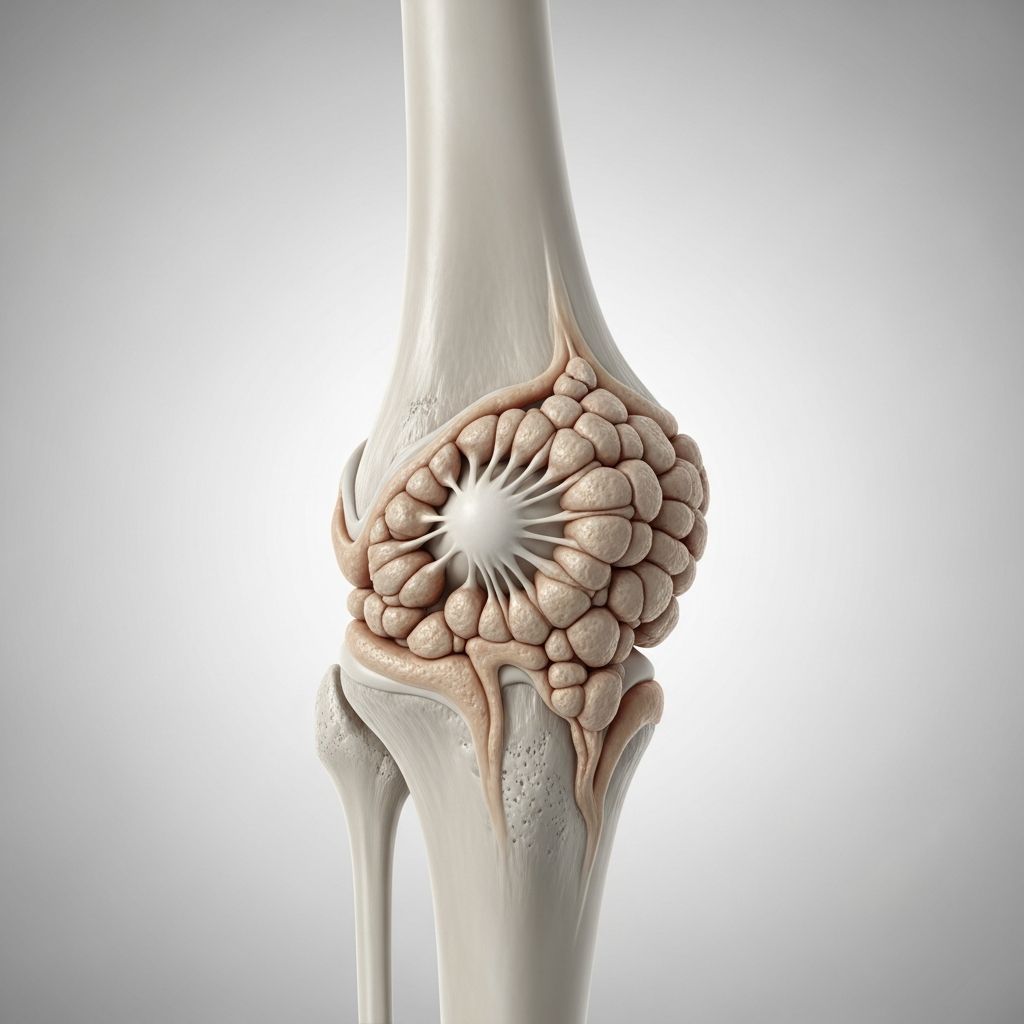
Osteosarcoma is the most common type of bone cancer, primarily affecting children, teenagers, and young adults during rapid growth periods. It originates in the osteoblasts, cells responsible for bone formation, most often in the long bones of the legs or arms.
What Is Osteosarcoma?
Osteosarcoma, also known as osteogenic sarcoma, develops from malignant cells that produce immature bone tissue called osteoid. It typically arises in the metaphysis—the growing ends—of long bones such as the distal femur (lower thigh bone near the knee), proximal tibia (upper shin bone), or proximal humerus (upper arm bone near the shoulder).
In children and adolescents, these sites correspond to rapid bone growth areas. In older adults, osteosarcoma more commonly occurs in the pelvis, shoulder, or jaw, often secondary to other conditions like Paget’s disease. Although rare, accounting for about 0.2% of all new cancers, it represents roughly 35-50% of primary bone malignancies.
The cancer weakens bone structure, potentially leading to destruction and pathologic fractures. Early symptoms are often subtle and mistaken for growing pains or injuries, delaying diagnosis.
Osteosarcoma Symptoms
The hallmark symptom of osteosarcoma is persistent, unexplained bone or joint pain that worsens over time. Initially intermittent, especially during activity or at night, it becomes constant and severe.
Patients describe the pain as a deep, aching discomfort, sometimes accompanied by tenderness, warmth, or a noticeable lump. Swelling or a palpable mass near the affected bone is common, particularly if the tumor extends into soft tissue.
- Bone or joint pain: Starts as aching, intensifies with movement or rest; often misattributed to sports injuries or growth.
- Swelling or lump: Visible or palpable mass, may cause redness or warmth.
- Limited mobility: Reduced range of motion in nearby joints, stiffness, or limp if leg involved.
- Pathologic fractures: Bone breaks from minor trauma due to weakened structure.
What Does Osteosarcoma Pain Feel Like?
Osteosarcoma pain is typically deep and throbbing, originating from the bone marrow or periosteum (bone covering). It may radiate to surrounding areas and disrupt sleep. Unlike muscle strains, it persists despite rest and anti-inflammatories.
What Does Osteosarcoma Look Like?
Externally, osteosarcoma lacks a distinctive appearance but may present as localized swelling, redness, or a firm lump. No skin changes are typical unless advanced. Diagnosis relies on imaging: X-rays show ‘sunburst’ patterns, onion-skinning, Codman triangle, or cumulus cloud lesions indicating periosteal reaction and bone destruction.
MRI reveals tumor extent, soft tissue involvement, edema, or hemorrhage.
Symptoms of Advanced Osteosarcoma
As osteosarcoma progresses or metastasizes (often to lungs in 10-20% at diagnosis), symptoms intensify and become systemic.
- Fatigue and weakness: Overwhelming tiredness from anemia or tumor burden.
- Unintentional weight loss: Due to increased metabolism and appetite loss.
- Fever: Low-grade, intermittent.
- Anemia: Low red blood cell count causing pallor and shortness of breath.
- Mobility issues: Difficulty walking, limping, or inability to bear weight if lower limbs affected.
- Fractures: Spontaneous or pathologic breaks.
- Pelvic involvement: Bladder/bowel dysfunction.
- Respiratory symptoms: Cough, hemoptysis if lungs metastasized (rare at presentation).
High-grade tumors cause more aggressive local destruction and metastasis risk.
Early Warning Signs of Osteosarcoma
Related Stories



Early detection hinges on recognizing subtle signs beyond growing pains: pain unrelated to injury, night pain, progressive worsening, or asymmetry (one limb more affected). Adolescents should report persistent discomfort in knees, thighs, or arms, especially if limiting sports or sleep.
A limp without trauma or swelling near growth plates warrants evaluation.
Osteosarcoma Causes and Risk Factors
The exact cause is unknown, but rapid bone growth increases susceptibility in youth. Genetic factors like Li-Fraumeni syndrome, Rothmund-Thomson syndrome, or retinoblastoma history elevate risk.
Radiation exposure or Paget’s disease in adults contributes. No strong lifestyle links, though it’s not hereditary in most cases.
How Is Osteosarcoma Diagnosed?
Diagnosis combines history, exam, imaging, and biopsy.
- Physical exam: Palpable mass, tenderness, limited motion.
- X-ray: First-line; shows bone lesions, periosteal reaction.
- MRI: Details tumor size, soft tissue invasion.
- CT: Lung metastasis screening.
- Biopsy: Gold standard; confirms osteoid production by malignant cells.
- Bone scan/PET: Staging for spread.
Staging: Localized (80-90%) vs. metastatic.
Osteosarcoma Treatment
Treatment is multimodal: neoadjuvant chemotherapy shrinks tumor, followed by surgical resection (limb-salvage preferred over amputation), then adjuvant chemotherapy. Radiation is rare due to bone radioresistance.
Survival: 60-80% for localized; 20-30% metastatic. Advances in chemo have improved pediatric outcomes to two-thirds long-term cure.
When to See a Doctor
Seek immediate care for persistent bone pain >2 weeks, night pain, swelling, limp, or fracture without injury. Early intervention boosts cure rates.
Frequently Asked Questions (FAQs)
Is osteosarcoma painful?
Yes, persistent deep bone pain is the most common symptom, worsening over time.
Where does osteosarcoma usually occur?
Primarily distal femur, proximal tibia, proximal humerus in youth; pelvis/jaw in adults.
Can osteosarcoma be cured?
Yes, with early detection, 60-80% localized cases achieve long-term remission via chemo and surgery.
What does an osteosarcoma lump feel like?
Firm, tender mass with possible warmth; size varies.
Does osteosarcoma spread quickly?
High-grade types can metastasize to lungs; 10-20% present metastatic.
More FAQs
How is osteosarcoma different from other bone cancers?
It produces osteoid; most common primary bone malignancy in children.
Can growing pains be osteosarcoma?
Rarely, but persistent, asymmetric pain needs evaluation.
This comprehensive overview emphasizes vigilance for symptoms. Consult oncologists for personalized advice.
References
- Osteosarcoma Signs & Symptoms — Moffitt Cancer Center. 2023. https://www.moffitt.org/cancers/osteosarcoma/symptoms/
- Osteosarcoma — OrthoInfo – AAOS. 2023. https://orthoinfo.aaos.org/en/diseases–conditions/osteosarcoma/
- Osteosarcoma: Symptoms, causes, and treatment — Medical News Today. 2023. https://www.medicalnewstoday.com/articles/osteosarcoma
- Osteosarcoma – Symptoms and causes — Mayo Clinic. 2024-01-10. https://www.mayoclinic.org/diseases-conditions/osteosarcoma/symptoms-causes/syc-20351052
- Osteosarcoma (Osteogenic Sarcoma) — StatPearls – NCBI Bookshelf. 2023-07-17. https://www.ncbi.nlm.nih.gov/books/NBK563177/
Similar Articles








Read full bio of medha deb