Ostomy Bag: What It Is, Types, and Care Tips
Discover everything about ostomy bags: what they are, types available, how to use, care tips, and life adjustments for better living.
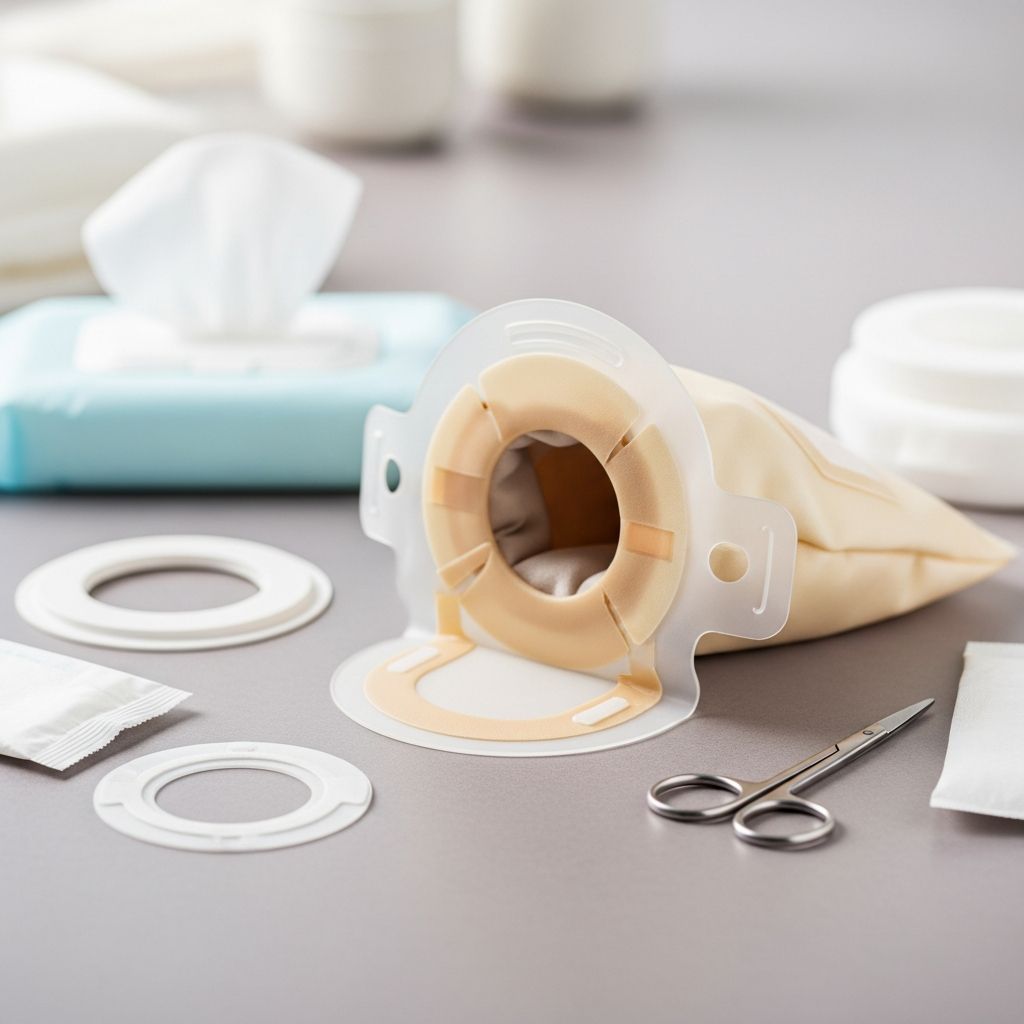
An
ostomy bag
, also known as a stoma bag or pouch, is a medical device designed to collect bodily waste from a surgically created opening called a stoma in the abdominal wall. It is essential for individuals who have undergone procedures like colostomy, ileostomy, or urostomy due to conditions such as colorectal cancer, ulcerative colitis, Crohn’s disease, diverticulitis, or fecal incontinence. These bags are discreet, waterproof pouches typically made of plastic, available in various sizes for daytime or nighttime use, allowing waste to drain externally rather than through the rectum.What Is an Ostomy Bag?
An ostomy bag manages output from a stoma, which bypasses the colon or intestines. The stoma appears as a pink or red protrusion on the abdomen, resembling the inside of the mouth without nerve endings, so it doesn’t feel pain but requires careful handling to prevent irritation. Waste collects in the bag, which must be emptied when one-third to one-half full to avoid bulging, leaks, or detachment. Regular changes, typically every 4-7 days, ensure skin health and prevent infections. Proper care boosts self-esteem and adaptation to life post-surgery.
Who Needs an Ostomy Bag?
Ostomy bags are required after surgeries creating a stoma for:
- Colostomy: Reroutes the colon; common for colorectal cancer, diverticulitis, or blockages. Stool consistency varies from formed to semi-liquid.
- Ileostomy: Involves the small intestine; output is more liquid, requiring frequent emptying.
- Urostomy: Diverts urine from the kidneys via the stoma.
Conditions necessitating these include ulcerative colitis, Crohn’s disease, colorectal cancer, diverticulitis, and fecal incontinence. The surgery is lifesaving, rerouting the digestive or urinary tract.
Types of Ostomy Bags
Ostomy bags come in
one-piece
andtwo-piece
systems:- One-piece: Pouch and skin barrier (wafer) combined; simpler for beginners, easier to apply but changed as a unit. Recommended for new patients due to ease.
- Two-piece: Separate pouch snaps onto the wafer; allows pouch changes without skin disruption, ideal for frequent emptying.
Other variations include drainable (emptied multiple times daily) vs. closed-end (disposable after one use), and sizes for day/night. Work with an ostomy nurse to select the best fit. Supplies like belts, clips, and deodorants enhance usability.
How to Use an Ostomy Bag: Step-by-Step Guide
Using an ostomy bag involves emptying, changing, and daily maintenance. Always prioritize privacy, hygiene, and student/ patient involvement for self-care skills.
Emptying the Ostomy Bag
Empty when 1/3 to 1/2 full to prevent leaks or detachment. Steps:
- Find a private area, like a bathroom.
- Wash hands and wear gloves.
- Position over toilet or basin; uncuff or open the bottom (snap, Velcro, or clip).
- Empty contents; rinse if needed, clean edges to reduce odor.
- Recuff, secure closure; use deodorant or spray for odor control.
- Dispose of waste per policy; wash hands.
Avoid overfilling as weight increases leak risk. Ambulatory users can empty over a toilet.
Changing the Ostomy Bag
Change every 4 days or if leaking; do not exceed 7 days. Full procedure:
- Prepare supplies: Gloves, mild soap, water, cloths, skin protectant, new pouch/wafer, scissors, measuring guide, basin, adhesive remover, tape.
- Wash hands; place pad under stoma.
- Empty old pouch; measure output if ordered.
- Remove pouch: Start at edge, gently peel while pushing skin from adhesive. Cover stoma with gauze to protect skin.
- Clean skin: Mild soap/water, no rubbing; dry thoroughly. Assess for irritation.
- Measure stoma (like clock face, note 12 o’clock position); trace on new wafer backing.
- Cut opening slightly larger (1/16-1/8 inch); warm wafer, remove backing.
- Apply skin prep/protectant/paste if needed, especially at 3 o’clock dip.
- Center over stoma, press from center outward, removing bubbles/wrinkles. For two-piece, snap pouch on securely.
- Date backing for next use; secure closure.
- Dispose used items; document care.
Related Stories



Tip: For new ostomies, attachment can be painful—press gently.
Skin Care Around the Stoma
Healthy peristomal skin prevents complications. Inspect regularly:
- Clean gently post-change; use pH-balanced soap.
- Apply protectant powder for moisture, paste for fills (e.g., skin dips).
- Avoid “washing out” at vulnerable spots like 3 o’clock.
- Check for redness, erosion; report issues.
“Read the wafer” after removal to assess fit.
Living with an Ostomy Bag: Tips for Daily Life
Adaptation is key.
- Activity: Stay active; bags are discreet under clothes. Exercise, travel with a kit.
- Travel Kit Essentials: Pouches, scissors, soap, wipes, measuring guide, paste, deodorant.
- Odor Management: Deodorants, sprays; empty frequently.
- Clothing/Diet: Loose fits; chew well, stay hydrated to manage output.
- Emotional Support: Learn from nurses; join support groups.
With practice, most lead active lives.
Common Challenges and Solutions
| Challenge | Solution |
|---|---|
| Leaks | Proper sizing, paste at dips, empty frequently. |
| Skin Irritation | Gentle cleaning, protectants. |
| Odor | Deodorants, clean edges. |
| Pain on Attachment | Warm wafer, gentle pressure. |
Frequently Asked Questions (FAQs)
What is an ostomy bag used for?
Collects waste from a stoma after surgeries like colostomy for conditions including cancer or IBD.
How often should I empty my ostomy bag?
When 1/3 to 1/2 full, typically several times daily.
How do I change an ostomy pouch?
Follow steps: empty, remove, clean, measure/cut new, apply securely every 4-7 days.
Are ostomy bags visible under clothes?
No, they are discreet; choose appropriate sizes.
Can I exercise with an ostomy?
Yes, with proper securement and kit for activities.
What if my skin gets irritated?
Clean gently, use protectants, consult nurse.
References
- Ostomy Care — School Health Associates. Accessed 2026. https://schoolhealthassociates.com/ostomy-care/
- Emptying and Changing an Ostomy – Clinical Nursing Skills — YouTube (Nursing Skills Video). Accessed 2026. https://www.youtube.com/watch?v=bbuHjMgJJ_Y
- Ostomy: Adapting to life after colostomy, ileostomy or urostomy — Mayo Clinic. Accessed 2026. https://www.mayoclinic.org/diseases-conditions/colon-cancer/in-depth/ostomy/art-20045825
- Living with a Colostomy Bag: How To Be More Active — Orlando Health. Accessed 2026. https://www.orlandohealth.com/content-hub/living-with-a-colostomy-bag-how-to-be-more-active/
- What Is Ostomy? A Caregiver’s Guide — UVA Health. Accessed 2026. https://www.uvahealth.com/healthy-balance/what-is-ostomy-a-caregivers-guide
Similar Articles








Read full bio of Sneha Tete