OTC Acid Relief: Antacids And Beyond, Expert Guide
Discover effective over-the-counter options for managing heartburn, acid reflux, and indigestion with antacids, H2 blockers, and PPIs.
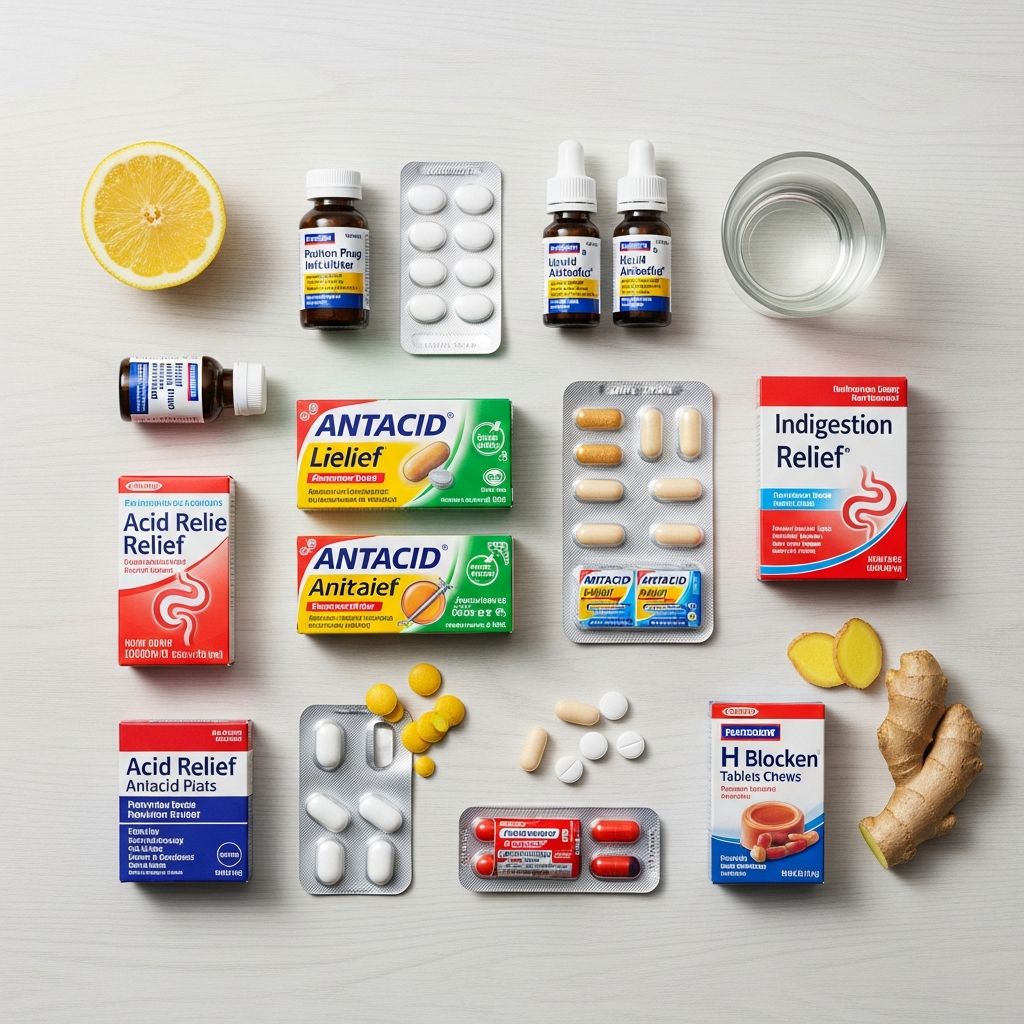
Heartburn and acid reflux affect millions, causing discomfort from stomach acid backing up into the esophagus. Over-the-counter (OTC) medications like antacids, H2 blockers, and proton pump inhibitors (PPIs) offer accessible relief by neutralizing or reducing acid production.
Understanding Heartburn and Acid Reflux
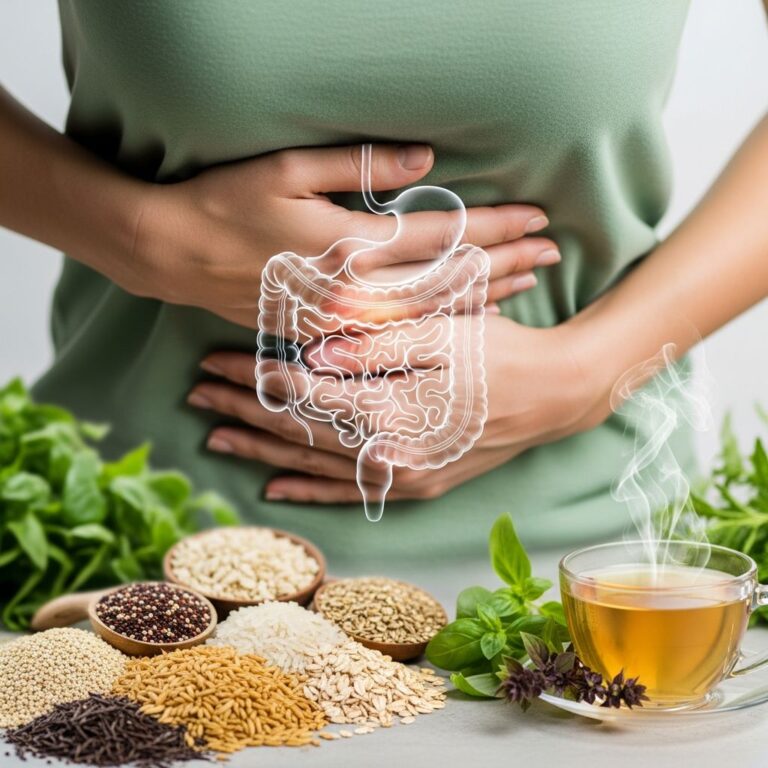
Heartburn feels like a burning sensation in the chest, often after meals, due to acid reflux where stomach contents flow backward. This irritates the esophagus lining, leading to pain. Factors like spicy foods, obesity, pregnancy, or hiatal hernia contribute.
Chronic cases may signal gastroesophageal reflux disease (GERD), requiring more than occasional treatment. OTC options provide symptomatic relief without addressing root causes like weak lower esophageal sphincter.
How Antacids Work to Neutralize Acid
Antacids are alkaline compounds that react with stomach hydrochloric acid (HCl) to form water, salt, and sometimes gas, raising pH from highly acidic (1.5) to less irritating levels (around 3.5), reducing acid concentration up to 100-fold. They also inhibit pepsin, a digestive enzyme active in low pH.
Common ingredients include:
- Aluminum hydroxide: Neutralizes acid slowly, may cause constipation.
- Magnesium hydroxide: Faster action, potential for diarrhea.
- Calcium carbonate: Quick relief, risk of gas or rebound acid.
- Sodium bicarbonate: Rapid but short-lived, high sodium content.
Liquid forms act faster than tablets; effervescent powders start in seconds with durations of 20-60 minutes on an empty stomach.
Common Types of Antacids Available OTC
Antacids come in tablets, liquids, chewables, and powders. Brands combine ingredients for balanced effects, like aluminum-magnesium mixes to offset constipation and diarrhea.
| Ingredient Combo | Brands (Examples) | Key Benefits | Duration |
|---|---|---|---|
| Calcium carbonate | Tums, Rolaids | Fast, calcium source | Up to 2 hours |
| Magnesium + Aluminum hydroxide | Mylanta, Maalox | Balanced, less side effects | 30-60 minutes |
| Sodium bicarbonate combos | Alka-Seltzer | Very quick, fizzy | Short (20 min) |
Studies show aluminum-magnesium hydroxide (AMH) tablets outperform calcium carbonate in esophageal pH duration (82 vs 60 minutes).
H2 Blockers: Reducing Acid Production
Unlike antacids, H2 blockers (histamine-2 receptor antagonists) prevent acid secretion by blocking histamine on parietal cells. They treat unexpected heartburn with longer effects (up to 12 hours).
Popular OTC options:
- Famotidine (Pepcid): Lowers acid for 10-12 hours.
- Cimetidine: Effective but may interact with drugs.
Ideal for prevention before meals; slower onset (30-60 minutes) than antacids.
Proton Pump Inhibitors for Stronger Control
PPIs are the most potent OTC acid reducers, irreversibly blocking the proton pump in parietal cells—the final acid production step. They heal esophagus damage and manage frequent heartburn (2+ days/week).
Available OTC: Omeprazole (Prilosec), Esomeprazole (Nexium 24HR), Lansoprazole (Prevacid). Take 30-60 minutes before meals for 14-day courses; full effect in days.
Comparing OTC Acid Relief Options
| Type | Onset | Duration | Best For | Side Effects |
|---|---|---|---|---|
| Antacids | Minutes | 20 min-2 hrs | Immediate relief | Constipation, diarrhea, gas |
| H2 Blockers | 30-60 min | 8-12 hrs | Unexpected heartburn | Headache, rare interactions |
| PPIs | 1-4 days | 24 hrs | Frequent symptoms | Nutrient malabsorption long-term |
Antacids suit quick fixes; H2s and PPIs for sustained control.
Related Stories



Proper Usage Guidelines
Follow labels: Antacids 4x daily max, between meals and bedtime. H2s/PPIs as directed, not exceeding 14 days without doctor advice. Shake liquids, chew tablets fully.
Avoid with certain conditions:
- Aluminum: Kidney issues, low phosphate.
- Magnesium: Diarrhea-prone, renal impairment.
- Calcium: Hypercalcemia, kidney stones.
- Sodium bicarb: Sodium-restricted diets.
Potential Side Effects and Risks
Short-term use is safe, but excess antacids cause alkalosis, electrolyte imbalance, or kidney stones. Combos minimize issues. Long-term PPIs/H2s risk B12, magnesium deficiency. Pregnancy: Some antacids safe due to local action.
Drug Interactions to Watch For
Antacids reduce absorption of antibiotics (tetracycline), iron, thyroid meds—space 2 hours apart. H2s interact with warfarin, PPIs with clopidogrel.
Lifestyle Changes to Enhance Relief
Combine meds with:
- Elevating bed head 6-8 inches.
- Avoiding triggers: caffeine, alcohol, large meals.
- Weight loss, quitting smoking.
- Smaller, frequent meals.
When to See a Doctor
Seek help if symptoms persist >2 weeks, worsen with OTCs, or include weight loss, swallowing difficulty, vomiting blood, black stools—may indicate ulcers, Barrett’s esophagus.
Special Considerations: Pregnancy and Children
Pregnant? Aluminum/magnesium antacids preferred; consult doctor. Children: Age-specific doses, pediatrician approval needed.
FAQs
Can I take antacids every day?
Occasional use yes; daily for >2 weeks warrants medical check.
What’s faster: antacids or PPIs?
Antacids for instant relief; PPIs for lasting control.
Are antacids safe long-term?
Not ideal; monitor for deficiencies, consult professional.
Do H2 blockers prevent heartburn?
Yes, taken preemptively before triggers.
Can I mix antacids with milk?
Avoid calcium antacids with dairy to prevent excess calcium.
References
- Antacids revisited: review on contemporary facts and relevance for practitioners — PMC/NCBI. 2022-03-29. https://pmc.ncbi.nlm.nih.gov/articles/PMC8966100/
- Antacid: Mechanism of Action (Simplified) — YouTube (educational video). Accessed 2026. https://www.youtube.com/watch?v=5BhUmaSURx4
- Antacids: Nursing Pharmacology — Osmosis.org. Recent update. https://www.osmosis.org/learn/Antacids:_Nursing_Pharmacology
- Acid Reducers and Nutrient Absorption — Rupa Health. 2023. https://www.rupahealth.com/post/acid-reducers-and-nutrient-absorption-what-you-need-to-know
- H2 Blockers vs Antacids vs PPIs — Pepcid.com (official). Recent. https://www.pepcid.com/compare-heartburn-treatments/h2s-vs-antacids-vs-ppis
- Antacids: Types, Uses, Side Effects — Cleveland Clinic. 2023-07-27. https://my.clevelandclinic.org/health/drugs/23076-antacid
Similar Articles








Read full bio of medha deb