Understanding Over-the-Counter Constipation Relief Options
Explore safe and effective over-the-counter options for managing constipation symptoms
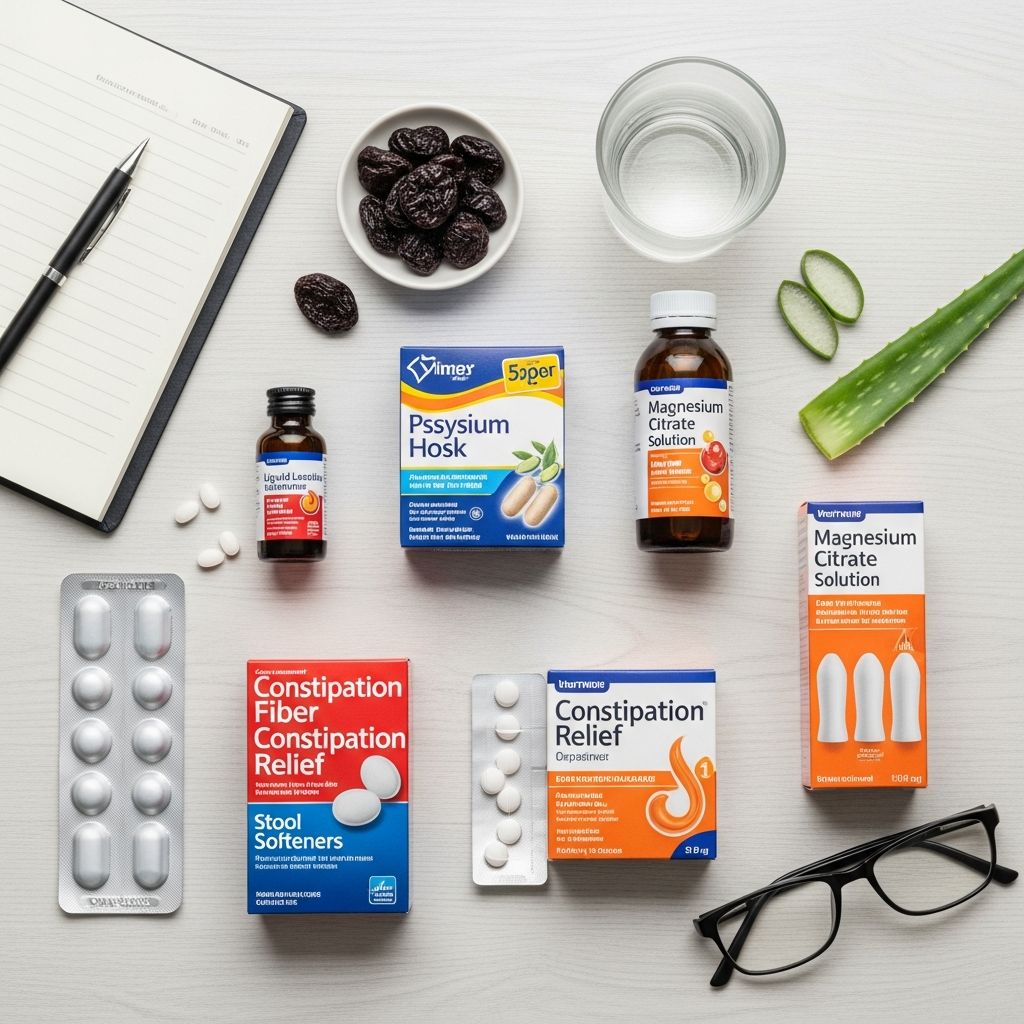
Occasional constipation affects millions of people, and fortunately, numerous over-the-counter remedies are available to provide relief. These accessible treatment options work through different mechanisms, making it possible to find an approach that suits your individual needs and body chemistry. Before using any constipation relief product, it’s essential to understand how each type functions, what side effects may occur, and when professional medical consultation becomes necessary.
The Importance of Proper Laxative Use
Over-the-counter laxatives are generally considered safe for most individuals when used appropriately. However, misuse and overuse can lead to significant complications. The key to safe laxative use lies in carefully reading product labels, following recommended dosages, and understanding your body’s response to treatment. Many people make the mistake of exceeding maximum doses, believing that more medication will produce faster results. This approach can backfire, potentially causing dehydration, electrolyte imbalances, and dependency issues.
One critical safety concern involves osmotic laxatives containing sodium phosphate. In 2014, the FDA issued a warning noting that using more than one dose of these products within 24 hours could cause serious complications affecting kidney and heart function. This warning underscores the importance of adhering strictly to label instructions and consulting healthcare providers when constipation persists.
Major Categories of Over-the-Counter Laxatives
The over-the-counter laxative market offers several distinct categories, each operating through different mechanisms within your digestive system. Understanding these categories helps you select the most appropriate option for your situation.
Bulk-Forming Fiber Supplements
Bulk-forming laxatives, also known as fiber supplements, represent the gentlest option available and are safest for long-term use. Products like Metamucil and Citrucel work by absorbing water to create soft, bulky stool that naturally stimulates intestinal contractions. This mechanism mimics the body’s normal digestive process, making these products excellent for maintaining regular bowel function.
These supplements typically take 12 hours to 3 days to produce results, making them ideal for prevention rather than immediate relief. While generally well-tolerated, they can cause bloating, gas, or cramping if consumed without adequate water intake. To maximize effectiveness and minimize discomfort, increase your water consumption when using fiber supplements, as insufficient fluid intake may actually worsen constipation.
Osmotic Laxatives
Osmotic laxatives function by drawing water into the colon, facilitating easier stool passage. Popular brands include MiraLAX and Phillips’ Milk of Magnesia. These medications typically take one to three days to work, though some formulations may act more quickly. The slower onset is offset by generally fewer side effects compared to stimulant alternatives.
Common side effects include bloating, cramping, diarrhea, nausea, and increased thirst. While osmotic laxatives are effective, they can cause electrolyte imbalances if used excessively, particularly affecting your body’s fluid and mineral balance. This makes osmotic agents suitable for short-term use rather than indefinite long-term application.
Related Stories



Stool Softener Laxatives
Stool softeners work through a different mechanism than other laxative types. Products containing docusate, sold under brand names like Colace, Correctol, and Surfak, add moisture directly to your stool. This increased softness allows bowel movements to occur without straining, making them particularly beneficial for individuals with hemorrhoids or other conditions where straining causes pain.
However, recent research has raised questions about stool softener effectiveness. Some studies suggest that docusate may offer no greater benefit than a placebo in preventing constipation. Despite these concerns, many healthcare providers continue recommending stool softeners, particularly when combined with other approaches. They take 12 hours to 3 days to become effective.
Stimulant Laxatives
Stimulant laxatives represent the most aggressive over-the-counter option, activating nerves that control colon muscles and forcing stronger intestinal contractions. Common stimulant products include Dulcolax (bisacodyl), Ex-Lax and Senokot (senna), and other formulations containing cascara or casanthranol. These medications typically work within 6 to 12 hours when taken orally, though rectal suppository forms may produce results in as little as 15 to 60 minutes.
Medical professionals generally reserve stimulant laxatives for situations where gentler approaches have failed. While effective, they commonly produce cramping, stomach pain, and diarrhea. Certain formulations can also cause urine discoloration, which is harmless but can be alarming. Due to their strength and potential for dependency with chronic use, stimulant laxatives shouldn’t be your first choice for occasional constipation.
Comparing Laxative Options: Features and Effects
| Laxative Type | Brand Examples | How It Works | Time to Effect | Common Side Effects |
|---|---|---|---|---|
| Bulk-Forming | Metamucil, Citrucel, Benefiber, FiberCon | Absorbs water to create soft, bulky stool | 12 hours to 3 days | Bloating, gas, cramping if insufficient water intake |
| Osmotic | MiraLAX, Phillips’ Milk of Magnesia | Draws water into colon for easier passage | 1 to 3 days | Bloating, cramping, diarrhea, nausea, increased thirst |
| Stool Softener | Colace, Surfak, Correctol | Adds moisture to soften stool | 12 hours to 3 days | Electrolyte imbalance with prolonged use |
| Stimulant | Dulcolax, Senokot, Ex-Lax | Triggers muscle contractions in intestines | 6 to 12 hours oral; 15-60 minutes suppository | Cramping, stomach pain, diarrhea, nausea |
| Rectal Suppository | Dulcolax, Pedia-Lax | Direct rectal stimulation and softening | 15 to 60 minutes | Rectal irritation, diarrhea, cramping |
Selecting the Right Laxative for Your Needs
Choosing an appropriate laxative depends on several factors, including how quickly you need relief, your overall health status, and any previous experiences with these medications. For most people experiencing occasional constipation, starting with the gentlest option—bulk-forming fiber supplements—makes sense. These products work naturally with your body and can prevent future episodes when used regularly.
If fiber supplements don’t provide adequate relief within several days, osmotic laxatives like MiraLAX offer a reasonable next step. They work effectively with fewer side effects than stimulants, though they require more time than immediate-relief options. Reserve stimulant laxatives for situations where other approaches have proven insufficient, since their potential for dependency and side effects makes them less ideal for frequent use.
Safety Guidelines and When to Seek Medical Attention
Using over-the-counter laxatives safely requires adherence to specific precautions. Always read product labels carefully and take medications exactly as directed. Never exceed maximum recommended doses, regardless of how urgently you need relief. Chronic laxative overuse can create dependency, where your bowel system becomes reliant on medications to function properly.
Contact a healthcare provider immediately if you experience any of the following symptoms:
- Severe abdominal cramps or pain
- Unexplained changes in your normal bowel patterns
- Severe diarrhea lasting beyond a few hours
- Bloody stools or rectal bleeding
- Constipation persisting longer than seven days despite laxative use
- Unusual weakness or excessive tiredness
- Dizziness or lightheadedness
These warning signs may indicate underlying health conditions requiring professional evaluation rather than over-the-counter treatment.
Understanding Laxative Dependency and Long-Term Use
One significant concern with any laxative is the potential for dependency. With chronic use, your intestinal muscles may become less responsive to natural stimuli, requiring increasingly higher doses to maintain bowel function. This is particularly true for stimulant laxatives, which should not be used indefinitely without medical supervision.
Bulk-forming fiber supplements present the lowest dependency risk and can be used safely for extended periods as part of a healthy digestive routine. However, even these work best when combined with adequate water consumption and dietary fiber from whole foods. If you find yourself needing laxatives more than occasionally, consulting a healthcare provider becomes essential to identify and address the underlying cause of your constipation.
Important Cautions Regarding Laxative Misuse
Never use laxatives for weight loss purposes. This misuse can create serious health complications including dehydration, electrolyte imbalances, and damage to your digestive system. Additionally, certain populations should use laxatives only under medical guidance, including pregnant women, nursing mothers, children, and individuals with certain medical conditions or taking specific medications.
Rectal suppositories and enemas present their own considerations. While they work quickly and effectively, they carry risks of rectal irritation and can cause cramping or diarrhea. These options work best for immediate relief in specific situations rather than regular use.
Frequently Asked Questions About Over-the-Counter Laxatives
How long do different laxatives take to work?
Timing varies significantly by type. Rectal suppositories and enemas produce results within 15 to 60 minutes. Stimulant oral laxatives typically work within 6 to 12 hours. Osmotic laxatives, stool softeners, and fiber supplements generally require 12 hours to 3 days.
Can I use multiple laxative types together?
Generally, you should avoid combining different laxative types without professional guidance. Using multiple products simultaneously increases the risk of dehydration and electrolyte imbalances. If one approach doesn’t work adequately, discontinue it and try a different category rather than adding multiple products.
What’s the best laxative for occasional use?
For infrequent constipation, bulk-forming fiber supplements represent the safest starting point. They work gently with your body’s natural processes. If faster relief is needed, osmotic laxatives like MiraLAX offer effectiveness with fewer side effects than stimulants.
Are fiber supplements considered laxatives?
Yes, bulk-forming fiber supplements are classified as laxatives, though they represent the gentlest category available. These work by increasing stool bulk and are safe for long-term use as part of a healthy digestive routine.
Why do some laxatives cause cramping?
Stimulant laxatives cause cramping because they forcefully trigger intestinal muscle contractions. Osmotic laxatives may cause cramping as your intestines work harder to move increased stool bulk. Starting with lower doses and staying well-hydrated can minimize these discomforts.
Making the Most of Laxative Treatment
Successful constipation management combines appropriate laxative use with lifestyle modifications. Increase your daily water intake, consume more dietary fiber from fruits and vegetables, engage in regular physical activity, and establish consistent bathroom routines. These approaches work synergistically with laxatives to promote healthy, regular bowel function.
Remember that occasional constipation is normal and typically responds well to conservative treatment. However, chronic or severe constipation may indicate underlying health conditions requiring professional medical evaluation. When in doubt, consult your healthcare provider before starting any new medication regimen.
References
- Over-the-counter Laxatives — JAMA Gastroenterology, American Medical Association. 2014. https://jamanetwork.com/journals/jama/fullarticle/1904830
- Laxatives – StatPearls — National Center for Biotechnology Information (NCBI), National Library of Medicine. 2024. https://www.ncbi.nlm.nih.gov/books/NBK537246/
- Over-the-counter laxatives for constipation: Use with caution — Augusta Health, Augusta University Health System. 2024. https://www.augustahealth.com/article/over-the-counter-laxatives-for-constipation-use-with-caution/
- The Best Laxatives and Stool Softeners for Constipation — GoodRx Health. 2024. https://www.goodrx.com/conditions/constipation/best-medications-treat-constipation
- Nonprescription laxatives for constipation: Use with caution — Mayo Clinic. 2024. https://www.mayoclinic.org/diseases-conditions/constipation/in-depth/laxatives/art-20045906
- Laxatives – NHS — National Health Service, United Kingdom. 2024. https://www.nhs.uk/medicines/laxatives/
- Laxatives: What They Do, Types & How To Use — Cleveland Clinic. 2024. https://my.clevelandclinic.org/health/treatments/25121-laxatives
Similar Articles








Read full bio of medha deb