OTC Pain Relief: Expert Guide To Choosing The Right Medication
Navigate over-the-counter pain medications safely with expert insights on types, uses, risks, and smart choices for everyday aches.
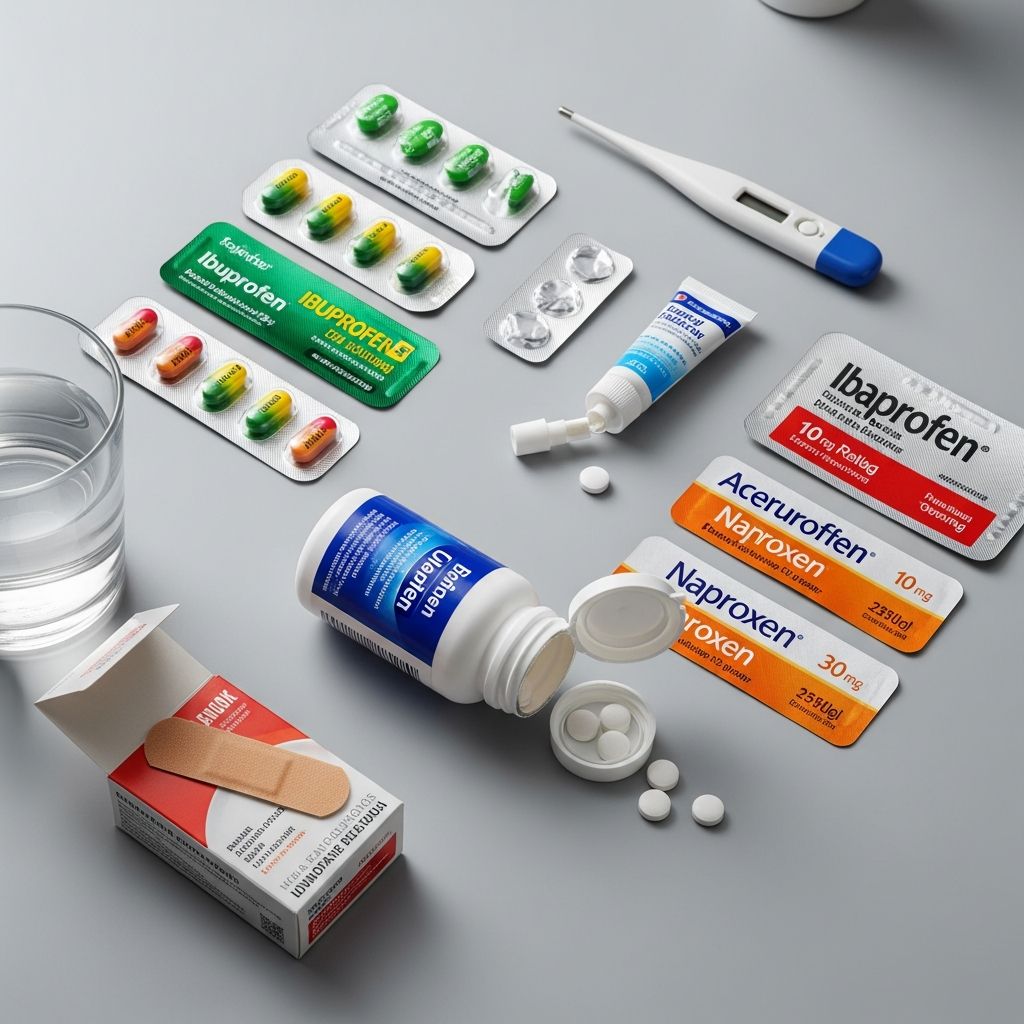
Over-the-counter (OTC) pain relievers offer convenient access to relief from common discomforts such as headaches, muscle strains, and joint pain. These medications, available without a prescription, fall into two primary categories: acetaminophen and nonsteroidal anti-inflammatory drugs (NSAIDs). Acetaminophen excels at pain and fever reduction without anti-inflammatory effects, while NSAIDs like ibuprofen, naproxen, and aspirin tackle pain, fever, and swelling.
Selecting the appropriate option depends on the pain type, your health history, and potential interactions. This guide provides detailed insights to help you make informed decisions, emphasizing safe usage to minimize risks like stomach irritation or liver strain.[10]
Understanding the Core Categories of OTC Pain Medications
OTC pain relief primarily revolves around acetaminophen and NSAIDs. Acetaminophen, found in products like Tylenol, works centrally in the brain to block pain signals and lower fever but does not reduce inflammation. NSAIDs, including ibuprofen (Advil, Motrin), naproxen (Aleve), and aspirin, inhibit enzymes that produce prostaglandins—chemicals responsible for pain, fever, and inflammation.
These categories differ in mechanism, duration, and suitability. For instance, naproxen provides longer-lasting effects (8-12 hours) compared to ibuprofen (4-6 hours). Topical NSAIDs like diclofenac gel target localized pain without systemic absorption.
Spotlight on Acetaminophen: The Gentle Pain and Fever Fighter
Acetaminophen stands out as a first-line choice for those sensitive to stomach issues or with conditions like high blood pressure or kidney concerns. It effectively alleviates headaches, minor aches, and fever but is less ideal for inflammatory conditions like arthritis.
- Common Brands: Tylenol, Panadol.
- Standard Dose: 325-1000 mg every 4-6 hours, not exceeding 4000 mg daily for adults.
- Best For: Colds, headaches, post-surgical pain without swelling.
Its safety profile appeals to many, but overdose risks liver damage, especially when combined with alcohol or other acetaminophen-containing products like cold remedies.
Ibuprofen: Versatile NSAID for Inflammatory Pain
Ibuprofen is a go-to NSAID for its balance of efficacy and accessibility. It reduces pain from muscle strains, menstrual cramps, and toothaches while combating inflammation and fever.
- Common Brands: Advil, Motrin.
- Standard Dose: 200-400 mg every 4-6 hours, max 1200 mg daily OTC.
- Best For: Sprains, back pain, arthritis flare-ups.
Users often prefer it over naproxen for quicker onset, though it may irritate the stomach more. Those with heart disease or ulcers should approach cautiously.
Naproxen: Long-Lasting Relief for Persistent Discomfort
Naproxen offers extended relief, making it suitable for all-day pain management. Its anti-inflammatory properties shine in conditions like sunburns, sprains, and chronic joint issues.
- Common Brands: Aleve.
- Standard Dose: 220 mg every 8-12 hours, max 660 mg daily OTC.
- Best For: Prolonged muscle aches, tendonitis.
Compared to ibuprofen, naproxen lingers longer in the system, reducing dosing frequency.
Aspirin: Classic Option with Unique Benefits
Aspirin, an NSAID with blood-thinning properties, aids heart health at low doses but serves as a pain reliever at higher ones. It’s effective for headaches and minor pain but less favored due to bleeding risks.[10]
Related Stories



- Common Brands: Bayer, Ecotrin.
- Standard Dose: 325-650 mg every 4 hours, max 4000 mg daily.
- Best For: Tension headaches, combined with antacids for heartburn-related pain.
Products like Alka-Seltzer blend aspirin with antacids for indigestion pain.
Topical Treatments: Targeted Relief Without Pills
For joint or muscle pain, topical diclofenac gel (Voltaren) delivers NSAID benefits directly to the site, minimizing stomach side effects. Apply sparingly to clean skin up to four times daily.
These options suit localized issues like knee osteoarthritis, offering relief comparable to orals with lower systemic risks.
Comparing OTC Pain Relievers: A Quick Reference Table
| Medication | Pain Type | Duration | Anti-Inflammatory | Key Risks |
|---|---|---|---|---|
| Acetaminophen | Headache, fever | 4-6 hours | No | Liver damage |
| Ibuprofen | Muscle strain, cramps | 4-6 hours | Yes | Stomach upset, heart risks |
| Naproxen | Arthritis, sprains | 8-12 hours | Yes | GI issues, kidney strain |
| Aspirin | Headache, heartburn | 4-6 hours | Yes | Bleeding risk |
| Diclofenac Gel | Joint pain | Localized | Yes | Skin irritation |
This table highlights when each shines, based on clinical comparisons.
When to Reach for Each Type: Practical Scenarios
Match your choice to symptoms:
- Headache or Fever: Acetaminophen or ibuprofen; acetaminophen if stomach-sensitive.
- Muscle Soreness or Injury: Ibuprofen or naproxen for inflammation.
- Menstrual Pain: NSAIDs like ibuprofen reduce cramps effectively.
- Joint Stiffness: Topical diclofenac or naproxen.
- Heartburn Pain: Aspirin-antacid combos.
Always start with the lowest effective dose and shortest duration.[10]
Critical Safety Considerations and Side Effects
While effective, OTC pain meds carry risks. NSAIDs heighten chances of ulcers, heart attack, stroke, and kidney issues, especially long-term or in at-risk groups (e.g., elderly, hypertensives). Acetaminophen overdose is a leading liver failure cause; check multi-ingredient labels.
Warning Signs:
- Persistent stomach pain, black stools (GI bleed).
- Swelling, shortness of breath (heart/kidney).
- Yellowing skin (liver).
Consult a doctor if pain lasts over 10 days, worsens, or accompanies fever, rash, or nausea.[10]
Dosage Guidelines and Avoiding Overuse
Adhere strictly to labels:
- Read all labels to avoid doubling up (e.g., cold meds with acetaminophen).
- Take with food/milk for NSAIDs.
- Hydrate well; limit alcohol.
- Children/dosing varies by weight—use pediatric formulations.
Combining (e.g., acetaminophen + ibuprofen) can enhance relief but requires professional advice.
Special Populations: Pregnancy, Children, and Chronic Conditions
Pregnant individuals should favor acetaminophen; NSAIDs post-20 weeks risk fetal harm.[10] For kids, age/weight-based dosing is crucial; aspirin avoidance prevents Reye’s syndrome.
Those with liver disease skip acetaminophen; heart/kidney patients limit NSAIDs.
Lifestyle Tips to Complement OTC Relief
Enhance meds with:
- Rest, ice/heat therapy.
- Hydration, balanced diet.
- Gentle exercise, stress reduction.
- Weight management for joint pain.
These amplify effects, reducing reliance on pills.
Frequently Asked Questions (FAQs)
Can I alternate acetaminophen and ibuprofen?
Yes, under doctor guidance, for better coverage, but monitor total intake.
What’s safer for daily use?
Acetaminophen generally, if no liver issues; topical for locals.
Do generics work the same?
Yes, identical active ingredients at lower cost.
How long before seeing a doctor?
If no improvement in 7-10 days or symptoms intensify.[10]
Are OTC NSAIDs safe long-term?
Not without supervision; risks accumulate.
Final Thoughts on Smart Pain Management
OTC pain relievers empower quick relief when used wisely. Prioritize matching type to pain, respecting limits, and seeking advice for complexities. Empower yourself with knowledge for healthier days.
References
- 6 Best Over-the-Counter Pain Relievers: Are They Worth It? — GoodRx. 2023. https://www.goodrx.com/conditions/pain/popular-over-the-counter-pain-relievers
- Over the Counter Pain Medications: What to Consider — Brown University Health. 2023. https://www.brownhealth.org/be-well/over-counter-pain-medications-what-consider
- Acetaminophen, Ibuprofen or NSAIDs? Your Guide to Over-the Counter Pain Relief — University of Utah Health. 2023-10. https://healthcare.utah.edu/healthfeed/2023/10/acetaminophen-ibuprofen-or-nsaids-your-guide-over-counter-pain-relief
- Difference in Over-the-Counter Pain Relievers — Blue Cross VT. 2023. https://www.bluecrossvt.org/health-community/blog/listing/difference-over-counter-pain-relievers
- Over-the-counter pain relievers — MedlinePlus (NIH). 2023. https://medlineplus.gov/ency/article/002123.htm
- What Is the Best Over-the-Counter Pain Medication? — Scripps Health. 2023. https://www.scripps.org/news_items/4783-how-to-choose-over-the-counter-pain-medicine
Similar Articles








Read full bio of medha deb