Otitis Externa: Expert Guide To Causes, Symptoms, Treatment
Comprehensive guide to swimmer's ear: causes, symptoms, diagnosis, treatment, and prevention strategies for acute otitis externa.
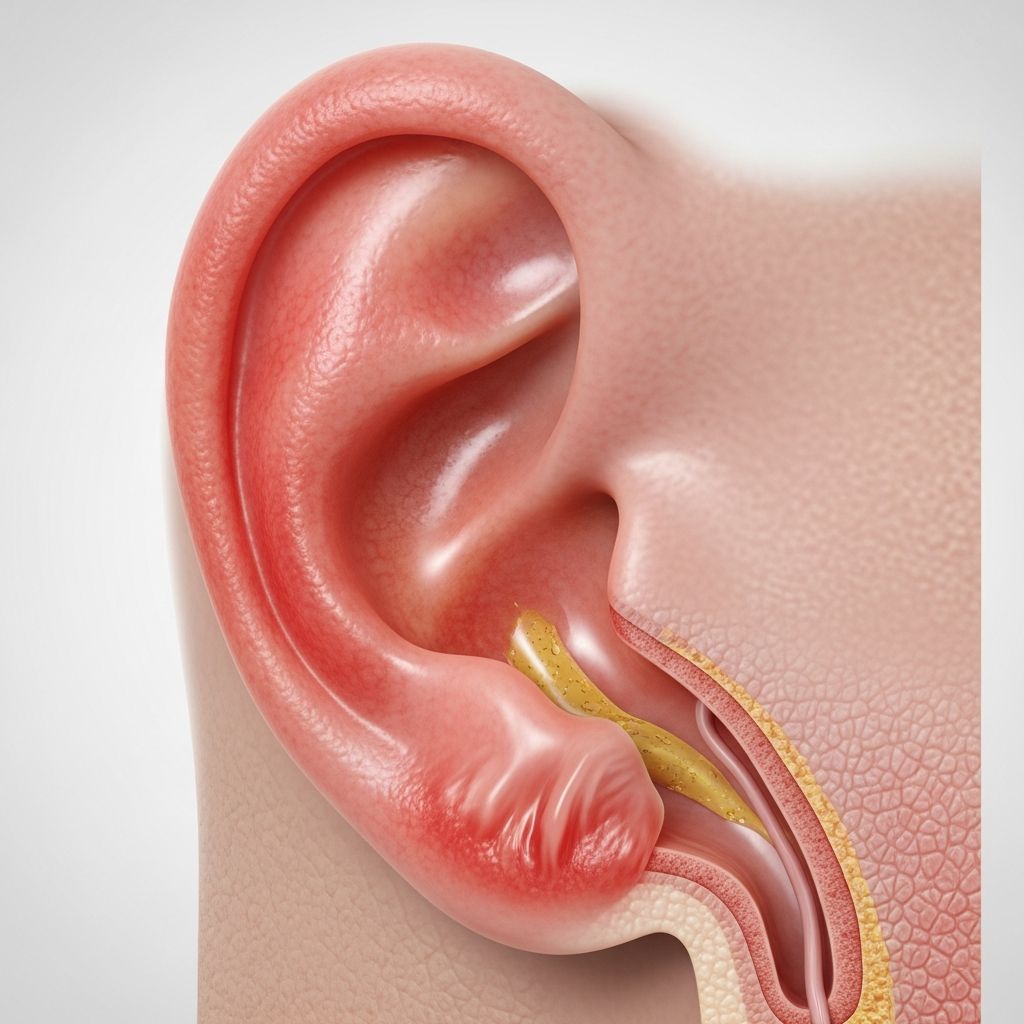
Otitis externa, often referred to as swimmer’s ear, is a common inflammatory condition affecting the external auditory canal. It typically presents with rapid-onset ear pain, itching, and discharge, primarily caused by bacterial infections such as Pseudomonas aeruginosa or Staphylococcus aureus. This condition can range from mild discomfort to severe cases requiring urgent intervention, particularly in immunocompromised individuals.
What is otitis externa?
Otitis externa (OE) is defined as diffuse inflammation of the external ear canal, which may extend to the pinna or tympanic membrane. It manifests as a form of cellulitis involving the skin and subdermis of the auditory canal, characterized by acute inflammation and variable edema. A diagnosis requires rapid onset of symptoms within 48 hours to 3 weeks, accompanied by ear canal inflammation. The condition is most prevalent in warm, humid environments and affects swimmers, divers, and those with predisposing factors like narrow ear canals or excessive ear cleaning.
Classification includes acute (less than 4 weeks), chronic (over 3 months), and necrotizing forms, with the latter being a severe, potentially life-threatening complication. Mild cases involve pruritus and mild edema, moderate cases partial canal occlusion, and severe cases complete occlusion with intense pain and fever.
Who gets otitis externa?
Otitis externa affects individuals of all ages but is more common in children and young adults due to frequent water exposure. Risk factors include swimming (earning the nickname ‘swimmer’s ear’), humid climates, and activities promoting moisture retention in the ear canal. Other predispositions encompass skin conditions like eczema, aggressive ear canal instrumentation, hearing aids, earplugs, and immunocompromised states such as diabetes.
- Swimmers and water sports enthusiasts
- Individuals with narrow or hairy external ear canals
- Patients with dermatological conditions (e.g., psoriasis, seborrheic dermatitis)
- Immunocompromised patients, including those with diabetes or HIV
- Frequent users of earbuds, hearing aids, or cotton swabs
Incidence peaks in summer months, with studies indicating it accounts for significant healthcare visits, sometimes disabling daily activities for several days.
What causes otitis externa?
The primary cause is bacterial infection, with Pseudomonas aeruginosa being the most common pathogen (responsible for up to 90% of acute cases), followed by Staphylococcus aureus. Fungal infections, such as those from Aspergillus or Candida, are less common but occur in chronic or treatment-resistant cases, presenting with fluffy white or colored discharge.
Predisposing factors disrupt the ear canal’s protective barriers: the acidic pH (4-5), cerumen, and intact skin. Moisture macerates the skin, raising pH and allowing bacterial proliferation. Trauma from scratching or swabs breaches the epithelium, facilitating infection. Rarely, viral or allergic causes contribute.
| Cause | Characteristics |
|---|---|
| Acute bacterial | Scant white mucus, occasionally thick discharge |
| Chronic bacterial | Bloody discharge, granulation tissue |
| Fungal | Fluffy white/off-white, black/gray/green/yellow; conidiophores on hyphae |
What are the clinical features of otitis externa?
Symptoms develop rapidly, often within 48 hours. Key features include severe ear pain, exacerbated by tragus/pinna manipulation or jaw movement; pruritus; aural fullness; hearing loss; and otorrhea. Systemic signs like fever suggest extension.
Related Stories



On examination, pneumatic otoscopy reveals erythematous, edematous canal with debris (yellow/white/gray). The tympanic membrane may appear erythematous but intact. Severe cases show complete occlusion, granulation tissue, or periauricular cellulitis. In children, symptoms include painful touch on earlobe, drainage, and muffled hearing.
- Key diagnostic factors: Ear pain, tragus/pinna tenderness, canal swelling/erythema, granulation tissue (necrotizing OE)
- Other features: Otorrhea, itching, decreased hearing, erythematous tympanic membrane
How is otitis externa diagnosed?
Diagnosis is clinical, based on history and otoscopy showing canal inflammation with rapid-onset symptoms. Pneumatic otoscopy differentiates from otitis media (no middle ear effusion). Tympanometry assesses mobility if TM visualization is poor.
In severe, chronic, or immunocompromised cases, consider culture/microscopy of debris, CT/MRI for bony involvement (necrotizing OE), or ESR for inflammation. Rule out differentials like otitis media, furunculosis, or Ramsay Hunt syndrome via head/neck exam.
What is the differential diagnosis for otitis externa?
- Otitis media (pain worse lying down, middle ear effusion)
- Ramsay Hunt syndrome (vesicles, facial palsy)
- Cholesteatoma or furunculosis
- Contact dermatitis or eczema
- TMJ disorder (jaw-related pain)
- Necrotizing OE (granulation at bony-cartilaginous junction)
What is the treatment for otitis externa?
Treatment emphasizes canal cleaning, topical antimicrobials, and pain control. Outpatient management suffices for uncomplicated cases.
Cleaning: Thorough suction/debridement essential; avoid flushing. Ear wick for severe edema.
Topical therapy: Acidifying agents like 2% acetic acid with hydrocortisone for mild cases. Antibiotic-steroid drops: polymyxin B/neomycin/hydrocortisone (4x/day), ofloxacin (2x/day), ciprofloxacin/hydrocortisone (2x/day). Duration: 7-10 days.
Pain management: Acetaminophen/NSAIDs; opioids rarely for severe pain.
Severe/necrotizing OE: IV antibiotics (e.g., ciprofloxacin + ceftazidime), debridement, hospitalization. Oral antibiotics if unresponsive, diabetic, or immunocompromised.
Fungal: Clotrimazole or thimerosal.
Complications of otitis externa
Untreated, OE can lead to canal stenosis, chronic suppurative OE, or spread to surrounding tissues. Necrotizing (malignant) OE, common in diabetics/elderly, involves osteomyelitis with skull base/cranial nerve involvement; mortality up to 53%. Osteomyelitis confirmed via CT/MRI/gallium scan. Other: cellulitis, abscess, facial nerve palsy.
How can otitis externa be prevented?
Prevention focuses on avoiding moisture/trauma:
- Dry ears thoroughly after swimming/showering
- Use alcohol-acetic acid drops prophylactically (e.g., Swim-Ear)
- Avoid cotton swabs, scratching
- Waterproof earplugs for swimmers
- Manage underlying skin conditions
Post-treatment, reassess to prevent recurrence.
Timeline and resolution
Acute OE improves within 48-72 hours of treatment; full resolution in 7-10 days. Chronic cases may persist months; necrotizing requires weeks of IV therapy with imaging follow-up.
Frequently Asked Questions (FAQs)
Q: What are the first signs of swimmer’s ear?
A: Initial symptoms include itching, mild discomfort, and pain when touching the ear, progressing to severe pain, discharge, and swelling.
Q: Is otitis externa contagious?
A: No, it is not typically contagious, though shared towels in moist environments may spread bacteria.
Q: When should I see a doctor for ear pain?
A: Seek care if pain is severe, accompanied by fever, discharge, or unresponsive to OTC pain relief; diabetics/immunocompromised urgently.
Q: Can I use hydrogen peroxide for otitis externa?
A: Avoid; it may irritate. Use prescribed acetic acid or antibiotics.
Q: How long do ear drops take to work?
A: Improvement often within 48 hours; complete course required to prevent recurrence.
References
- Otitis externa – Symptoms, diagnosis and treatment — BMJ Best Practice. 2023. https://bestpractice.bmj.com/topics/en-us/40
- Otitis Externa: A Practical Guide to Treatment and Prevention — American Academy of Family Physicians (AAFP). 2001-03-01. https://www.aafp.org/pubs/afp/issues/2001/0301/p927.html
- Otitis Externa — StatPearls, NCBI Bookshelf, NIH. 2023. https://www.ncbi.nlm.nih.gov/books/NBK556055/
- Otitis Externa (Swimmer’s Ear) — Children’s Hospital of Philadelphia (CHOP). 2023. https://www.chop.edu/conditions-diseases/swimmers-ear-otitis-externa
- Swimmer’s Ear (Otitis Externa): Symptoms & Care — Cleveland Clinic. 2023. https://my.clevelandclinic.org/health/diseases/8381-swimmers-ear-otitis-externa
- Otitis Externa (Swimmer’s Ear): Causes, Symptoms and Treatment — Nationwide Children’s Hospital. 2023. https://www.nationwidechildrens.org/conditions/otitis-externa-swimmers-ear
Similar Articles








Read full bio of medha deb