Otitis Media: Causes, Symptoms, and Treatment
Complete guide to middle ear infections: understand symptoms, causes, and effective treatment options.
Understanding Otitis Media: A Complete Overview
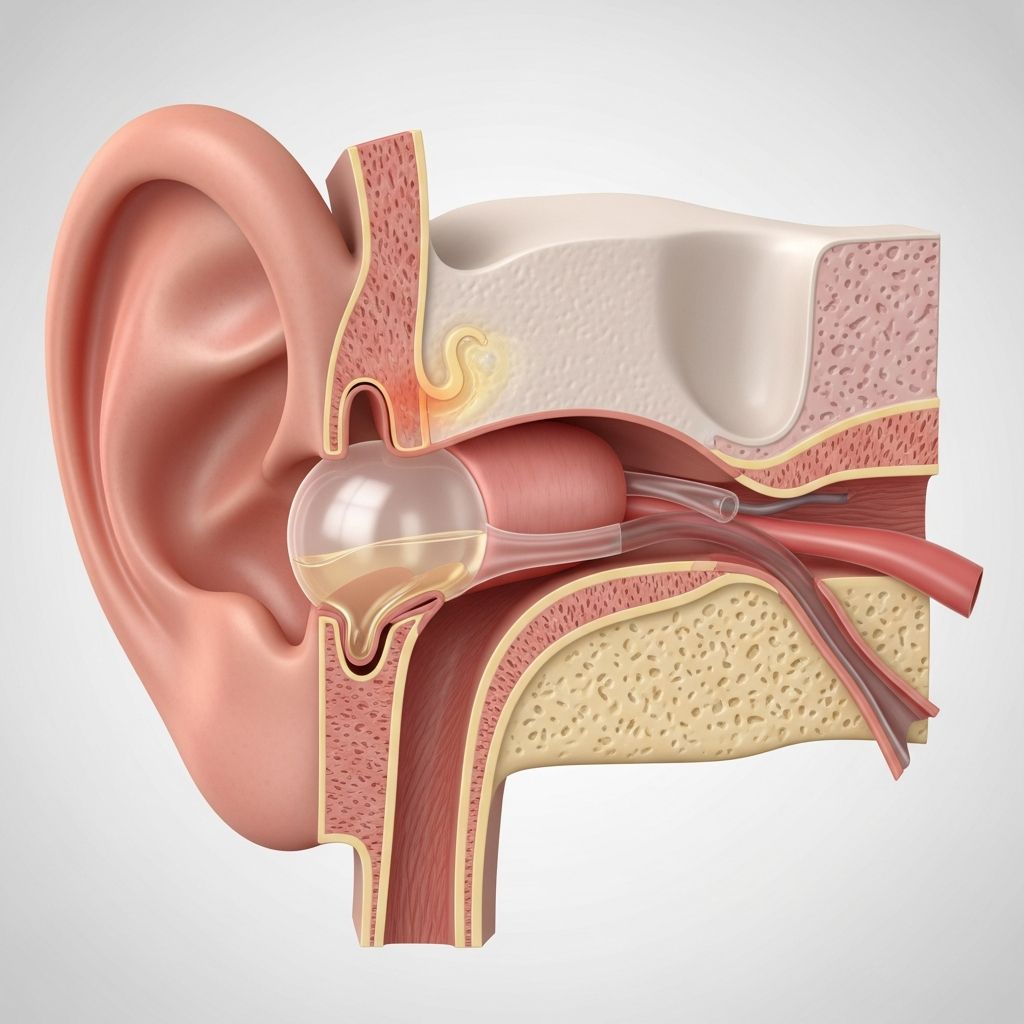
Otitis media, commonly known as a middle ear infection, is an inflammation of the middle ear that occurs when fluid accumulates behind the eardrum. This condition represents one of the most prevalent infections affecting children worldwide, though it can develop at any age. The middle ear is a small, air-filled space located behind the eardrum that plays a crucial role in transmitting sound vibrations to the inner ear. When infection occurs in this delicate space, it can cause significant discomfort and temporary hearing problems.
Otitis media is the second most common pediatric diagnosis in emergency departments, following upper respiratory infections. While the condition is most frequently observed in children between 6 to 24 months of age, it remains a common concern for parents and healthcare providers. Understanding the mechanisms, symptoms, and treatment options can help patients and families manage this condition effectively.
Causes and Risk Factors
Otitis media develops through a multifactorial process involving infectious, allergic, and environmental factors. The condition typically begins when a viral upper respiratory tract infection causes inflammation in the nasal passages and nasopharynx. This inflammation extends to the middle ear and eustachian tube, which is the narrow channel connecting the middle ear to the throat.
The Eustachian Tube’s Role
The eustachian tube is essential for maintaining proper air pressure in the middle ear and draining fluid. When this tube becomes blocked due to swelling from infection or inflammation, fluid becomes trapped behind the eardrum. This accumulation of fluid creates an ideal environment for bacterial and viral growth, leading to infection.
Primary Infectious Organisms
Several pathogens are responsible for most middle ear infections. In infants, gram-negative enteric bacilli and Staphylococcus aureus are common causes. In older children and adults, the primary bacterial culprits include Streptococcus pneumoniae, Haemophilus influenzae, and Moraxella catarrhalis, which together account for over 95% of bacterial otitis media cases. Viral pathogens such as respiratory syncytial virus, influenza virus, and rhinovirus frequently precede bacterial infections.
Significant Risk Factors
Several factors increase the likelihood of developing otitis media:
- Household smoking: Passive smoke exposure is a significant risk factor for acute otitis media.
- Daycare attendance: Group settings increase exposure to infectious agents.
- Feeding method: Bottle feeding increases risk compared to breastfeeding, which provides protective antibodies.
- Family history: A strong family history of recurrent otitis media increases susceptibility.
- Socioeconomic factors: Lower socioeconomic status and living in high-pollution regions contribute to increased risk.
- Anatomical factors: Smaller eustachian tubes in young children make them more susceptible to blockage.
- Allergies: Allergic conditions can contribute to eustachian tube dysfunction.
Symptoms and Clinical Presentation
The symptoms of otitis media vary depending on age and disease severity. Recognizing these signs promptly can lead to faster diagnosis and treatment.
Symptoms in Infants and Young Children
Young children often cannot communicate ear pain directly, so parents should watch for behavioral changes:
- Pulling, tugging, or scratching at the affected ear
- Excessive crying and irritability, particularly at night
- Fever
- Difficulty sleeping or feeding
- Loss of appetite or vomiting
- Fluid drainage from the ear
- Hearing difficulties or lack of response to sounds
Symptoms in Adolescents and Adults
Older individuals typically report more specific complaints:
- Earache or otalgia
- Feeling of fullness or pressure in the ear
- Hearing problems or diminished hearing
- Dizziness or vertigo
- Loss of balance
- Nausea
- Ear drainage (if the eardrum ruptures)
- Fever
Related Stories



Eardrum Rupture
In some cases, increased pressure from infected fluid can cause the eardrum to rupture. While this is concerning, it often provides pain relief by allowing the pressurized fluid to drain. A burst eardrum typically appears as yellowish fluid draining from the ear and usually heals on its own without intervention.
Pathophysiology: How Otitis Media Develops
Understanding the biological process behind otitis media helps explain why symptoms develop and why certain treatments are effective.
The condition begins with inflammation of the nasal mucosa and nasopharynx following a viral upper respiratory infection. This inflammation causes swelling and edema that narrows the eustachian tube, particularly at its narrowest point. The narrowed tube prevents proper drainage and ventilation of the middle ear.
As a result, negative pressure builds within the middle ear space, drawing inflammatory fluid (exudate) from the inflamed mucosa. This creates a nutrient-rich environment where bacteria and viruses can colonize and multiply. The infection progresses through distinct stages: initial serous inflammation, followed by increased suppuration (pus formation), and potentially frank purulence with accumulation of thick, infected fluid.
On microscopic examination, acute purulent otitis media shows edema and redness of the tissues beneath the eardrum, followed by infiltration of white blood cells. As inflammation continues, the normal flat tissue cells transform into pseudostratified columnar epithelium with increased mucus-producing cells. This tissue response reflects the ear’s attempt to fight the infection while also contributing to fluid accumulation.
Diagnosis of Otitis Media
Accurate diagnosis requires clinical examination and assessment of symptoms. Healthcare providers use several diagnostic methods to confirm otitis media and rule out other conditions.
Otoscopic Examination
Otoscopy is the primary diagnostic tool. The provider uses an otoscope to visualize the eardrum for characteristic findings including bulging appearance, redness (erythema), and obscured anatomical landmarks. In healthy ears, light reflection appears as a distinct point on the eardrum; in infected ears, this light reflex is displaced or absent.
Pneumatic Otoscopy
This specialized examination involves gentle air insufflation through the otoscope to assess eardrum mobility. In otitis media, the eardrum shows poor or absent mobility due to fluid buildup behind it, distinguishing it from other ear conditions.
Tympanometry
This objective test measures eardrum mobility using sound waves and air pressure changes. Abnormal tympanogram findings support the diagnosis of otitis media by confirming reduced eardrum movement and middle ear pressure abnormalities.
Treatment Approaches
Treatment for otitis media focuses on pain management, infection control, and prevention of complications. The approach may vary based on disease severity, patient age, and clinical presentation.
Pain Management
Analgesics are used to manage the discomfort associated with ear infections. Over-the-counter pain relievers appropriate for the patient’s age can reduce earache and improve comfort. Applying warm compresses to the affected ear may also provide symptomatic relief.
Antibiotic Therapy
While many cases of otitis media are viral and will resolve without antibiotics, bacterial infections often require antibiotic treatment. However, healthcare providers typically wait initially to determine if the infection will clear spontaneously, as overuse of antibiotics contributes to antibiotic resistance. Antibiotics may be prescribed when symptoms persist, in severe infections, or in very young children. Appropriate antibiotic selection targets the most common pathogens, such as Streptococcus pneumoniae and Haemophilus influenzae.
Watchful Waiting
Many cases of acute otitis media resolve within a few days with supportive care alone. Healthcare providers often recommend observation initially, with antibiotics reserved for cases that don’t improve or worsen.
Surgical Interventions
For recurrent otitis media or persistent fluid accumulation (otitis media with effusion), surgical options may be considered. Tympanostomy tubes (ear tubes) are small tubes placed through the eardrum to allow fluid drainage and air circulation. This procedure may be recommended for children with recurrent infections or those experiencing hearing loss from chronic fluid accumulation.
Prevention Strategies
Reducing the risk of otitis media involves addressing modifiable risk factors and strengthening immune function.
- Breastfeeding: Exclusive breastfeeding provides protective antibodies and reduces infection risk.
- Smoke avoidance: Eliminating household smoking significantly decreases otitis media risk.
- Limit pacifier use: Reducing dummy or pacifier use lowers infection rates.
- Immunizations: Pneumococcal and influenza vaccines provide protection against common causative organisms.
- Hand hygiene: Regular handwashing reduces transmission of respiratory infections.
- Minimize daycare exposure: When possible, limiting daycare attendance reduces exposure to infectious agents.
- Prompt treatment of upper respiratory infections: Early treatment of colds can prevent progression to otitis media.
Frequently Asked Questions
Q: How long does otitis media typically last?
Most cases of acute otitis media resolve within a few days to a week with appropriate treatment and supportive care. However, some cases may persist longer, and fluid can remain in the middle ear for weeks or months.
Q: Can otitis media cause permanent hearing loss?
Acute otitis media typically causes temporary hearing loss that resolves when the infection clears. However, recurrent infections or chronic fluid accumulation can potentially affect speech and language development in children if not treated.
Q: Is otitis media contagious?
The underlying viral or bacterial infection that causes otitis media may be contagious, but otitis media itself is not directly contagious. The infection spreads from person to person through respiratory droplets.
Q: When should I seek medical care for ear infection?
Seek immediate medical attention if symptoms are severe, fever is high, there is fluid drainage from the ear, or symptoms persist beyond a few days despite home treatment. Parents of infants should contact healthcare providers for any signs of ear infection.
Q: Can adults get otitis media?
Yes, while less common than in children, adults can develop otitis media, particularly following upper respiratory infections or in those with eustachian tube dysfunction. Adults typically experience ear pain and hearing loss rather than the behavioral symptoms seen in children.
References
- Ear Infection (Otitis Media) — North Carolina Eye, Ear, Nose & Throat. https://www.nceent.com/audiology/ear-infection
- Acute Otitis Media — StatPearls, National Center for Biotechnology Information (NCBI), U.S. National Library of Medicine. 2024. https://www.ncbi.nlm.nih.gov/books/NBK470332/
- Otitis Media (Acute) — Ear, Nose, and Throat Disorders — Merck Manuals Professional Edition. 2024. https://www.merckmanuals.com/professional/ear-nose-and-throat-disorders/middle-ear-and-tympanic-membrane-disorders/otitis-media-acute
- Otitis Media (Middle Ear Infection) — Healthdirect, Australian Department of Health. 2024. https://www.healthdirect.gov.au/otitis-media
- Ear Infection Basics — Centers for Disease Control and Prevention (CDC), U.S. Department of Health and Human Services. 2024. https://www.cdc.gov/ear-infection/about/index.html
Similar Articles








Read full bio of medha deb