Otitis Media: Middle Ear Infection in Adults
Understanding middle ear infections in adults: causes, symptoms, diagnosis, and treatment options.
Understanding Otitis Media: Middle Ear Infection in Adults
Otitis media, commonly referred to as a middle ear infection, is an inflammation of the middle ear that can affect people of all ages, including adults. While many associate ear infections primarily with children, adults experience middle ear infections with surprising frequency, though often the symptoms and severity differ from those seen in younger populations. Understanding this condition is essential for recognizing when professional medical attention is needed and knowing what treatment options are available.
What is Otitis Media?
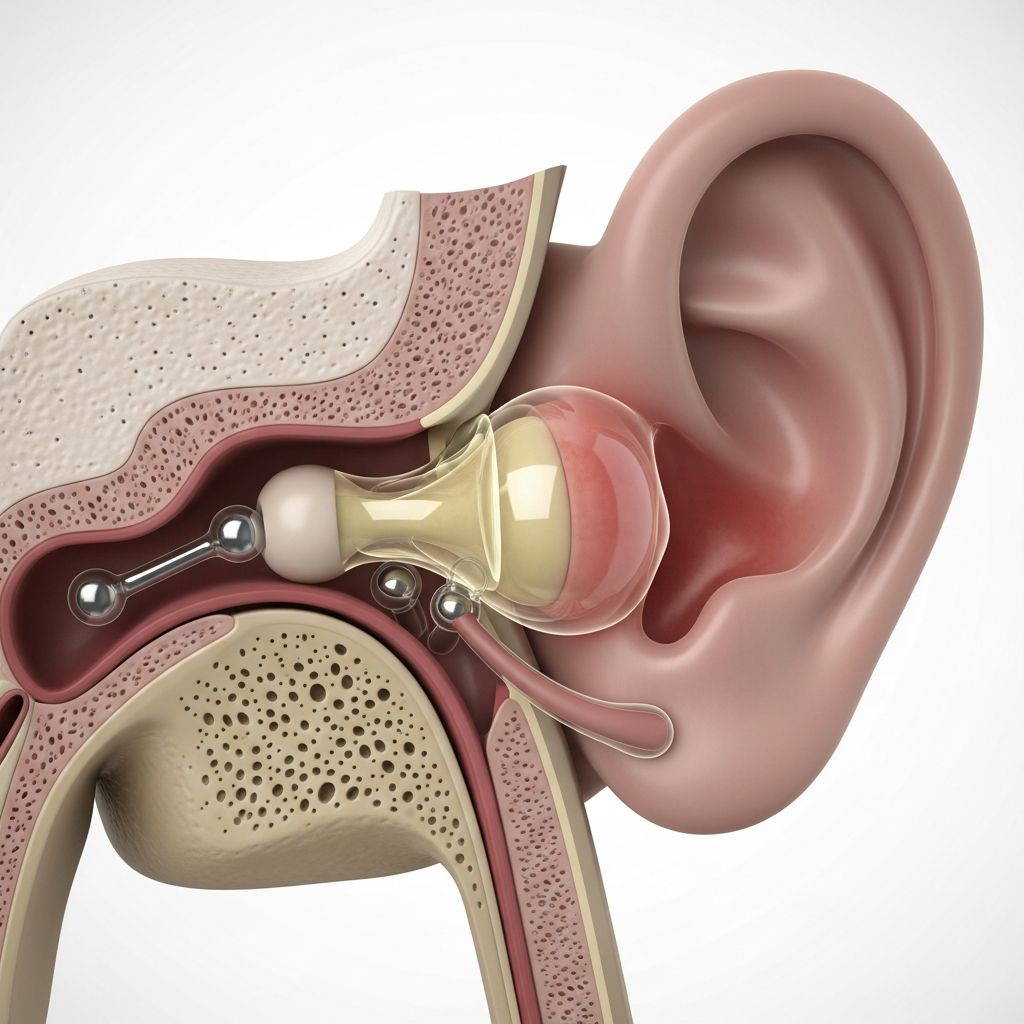
Otitis media is a medical condition characterized by inflammation and infection of the middle ear, the air-filled space located directly behind the eardrum. The middle ear contains three tiny bones—the malleus, incus, and stapes—that work together to transmit sound vibrations from the eardrum to the inner ear. When infection and fluid accumulation occur in this space, the normal function of these structures becomes compromised.
The middle ear is connected to the back of the throat through a small channel called the Eustachian tube. This tube plays a crucial role in maintaining proper pressure within the middle ear and allowing fluid drainage from the ear. When the Eustachian tube becomes swollen, inflamed, or blocked due to illness, allergies, or other factors, fluid cannot drain properly. This trapped fluid creates an ideal environment for bacteria and viruses to multiply, leading to infection and the characteristic symptoms of otitis media.
Types of Otitis Media
Understanding the different forms of otitis media helps explain why symptoms and treatment approaches may vary:
Acute Otitis Media
Acute otitis media represents the most common type and develops suddenly when fluid and pus become trapped beneath the eardrum. This type is typically preceded by a cold or upper respiratory infection and is characterized by rapid onset of symptoms including ear pain, fever, and inflammation. In acute cases, the eardrum may rupture from the pressure of accumulated fluid, resulting in drainage from the ear canal.
Chronic Otitis Media
Chronic otitis media involves ongoing or recurring infections that persist over months or even years. Unlike acute infections, chronic otitis media may not always cause significant pain but frequently results in hearing loss and ongoing drainage from the affected ear. This type of infection indicates that the infection-inflammation cycle continues despite previous treatment attempts.
Otitis Media With Effusion
This condition occurs when fluid and mucus accumulate in the middle ear even without active infection. The fluid buildup creates a sensation of fullness in the ear and can significantly impact hearing ability. Otitis media with effusion may persist for months and sometimes resolves without treatment, though in other cases medical intervention becomes necessary.
Symptoms of Middle Ear Infection in Adults
The symptoms of otitis media in adults can range from mild to severe and may develop suddenly or gradually depending on the underlying cause. Recognizing these symptoms is important for seeking timely medical evaluation:
- Ear pain or a sensation of pressure within the ear
- Muffled or diminished hearing in the affected ear
- Fluid drainage from the ear if the eardrum has ruptured
- Fever or elevated body temperature
- Sense of fullness or pressure in the ear
- Difficulty sleeping due to discomfort
- Tinnitus or ringing sensations in the ear
- Sore throat or symptoms of upper respiratory infection
- Temporary balance problems or dizziness in some cases
- Headaches accompanying ear pain
Related Stories



In adults, symptoms may be somewhat different from those experienced by children. Adults typically report more pronounced hearing difficulties and may have a better ability to localize and describe their pain. It is important to note that some adults with chronic or recurrent otitis media experience hearing loss that may be temporary or potentially permanent if the condition remains untreated.
Causes and Risk Factors
Middle ear infections in adults typically develop as a complication following a cold, sore throat, or other upper respiratory infection. When inflammation from these infections spreads to the middle ear, it can trigger the development of otitis media. Several additional factors increase the likelihood of developing this condition:
Eustachian Tube Dysfunction
Problems with Eustachian tube function represent the primary underlying cause of otitis media. While children’s Eustachian tubes continue to develop and are more horizontal, making them prone to blockage, some adults experience ongoing Eustachian tube dysfunction. This dysfunction reduces the tube’s ability to drain fluid effectively from the middle ear.
Infectious Organisms
Several bacteria commonly cause otitis media, including Streptococcus pneumoniae, Haemophilus influenzae (nontypeable), and Moraxella catarrhalis. Viral infections can also contribute to middle ear infections, particularly when they cause upper respiratory inflammation that subsequently affects the Eustachian tube.
Environmental and Lifestyle Factors
Additional risk factors include allergies that cause Eustachian tube swelling, exposure to cigarette smoke or vaping aerosols, and sudden changes in elevation such as those occurring during airplane travel. Drinking while lying horizontally can also increase infection risk by preventing proper fluid drainage from the ear. Maintaining a smoke-free environment has been shown to decrease the chances of developing ear infections.
Diagnosis of Otitis Media
Proper diagnosis of otitis media requires clinical evaluation by a healthcare provider. During the examination, your doctor will perform several assessments to confirm the diagnosis and determine the severity of the infection. Physical examination typically includes otoscopic inspection, where the doctor uses an otoscope to visualize the eardrum and assess for signs of inflammation, fluid levels, or perforation.
The healthcare provider may also perform tympanometry, a test that measures how well the eardrum moves in response to air pressure changes. This objective measurement helps confirm middle ear fluid accumulation. In some cases, audiological testing may be recommended to assess hearing loss and determine if permanent damage has occurred. For recurrent or chronic cases, imaging studies such as computed tomography (CT) scans may be necessary to evaluate the middle ear structures more thoroughly.
Treatment Options for Adults
Treatment approaches for otitis media vary depending on the severity of infection, underlying cause, and whether the condition is acute or chronic. Multiple treatment modalities are available to manage this condition effectively.
Conservative Management
Many middle ear infections resolve on their own within a few days, particularly when caused by viral upper respiratory infections. During this time, over-the-counter pain relief medications such as acetaminophen or ibuprofen can effectively manage discomfort. Placing warm compresses on the affected ear may provide soothing relief, while cold compresses can help reduce inflammation and swelling. Keeping the affected ear dry is important, particularly if drainage is present.
Nasal and Decongestant Treatments
Nasal steroid sprays can reduce inflammation in the Eustachian tube, facilitating better drainage and pressure equalization in the middle ear. Decongestants and antihistamines may also be recommended, particularly when allergies or upper respiratory congestion contribute to the infection. Saline nasal irrigation can help clear nasal secretions and reduce inflammation in the upper airway.
Antibiotic Therapy
Some middle ear infections require antibiotic treatment, particularly when caused by bacterial pathogens. If antibiotics are prescribed, it is essential to complete the full course of treatment as directed, even if symptoms improve before the medication is finished. This practice helps prevent antibiotic-resistant infections and ensures complete elimination of the causative bacteria. Premature discontinuation of antibiotics can result in incomplete treatment and recurrence of infection.
Tympanostomy Tubes
For adults with chronic otitis media or recurrent infections that fail to respond to conservative treatment, tympanostomy tubes (also called pressure equalization tubes or ear tubes) may be recommended. These small tubes are surgically placed through the eardrum to allow fluid drainage from the middle ear and maintain pressure equalization. While more commonly used in children, some adults benefit significantly from this intervention, particularly those with chronic effusion and hearing loss.
Surgical Interventions
In cases of chronic otitis media with persistent infection or structural damage, additional surgical procedures may be necessary. These can include mastoidectomy (removal of infected bone), ossicular reconstruction (repair of the tiny ear bones), or other procedures designed to address underlying structural problems or prevent recurring infections.
Complications of Untreated Otitis Media
While many cases of acute otitis media resolve without complications, untreated or inadequately treated infections can lead to serious consequences. Permanent hearing loss represents one of the most significant potential complications, particularly in cases of chronic infection. Infection can spread to adjacent structures, including the mastoid bone behind the ear or to the inner ear, causing additional medical problems.
Speech and language development issues can occur in children with chronic otitis media, though this is less applicable to adults. In rare cases, untreated infections can progress to meningitis or brain abscess. Recognizing symptoms early and seeking appropriate medical treatment significantly reduces the risk of these serious complications.
When to Seek Medical Care
Adults experiencing symptoms consistent with otitis media should contact their healthcare provider for evaluation. Immediate medical attention is warranted if fever is high or persistent, if severe ear pain does not respond to over-the-counter pain medication, if hearing loss is pronounced or worsening, or if drainage from the ear persists for more than a few days. Additionally, if symptoms of infection appear after recent head trauma or if balance problems develop, prompt medical evaluation is necessary.
Prevention Strategies
While not all middle ear infections can be prevented, several strategies can reduce the likelihood of developing otitis media. Prompt treatment of upper respiratory infections, allergies, and sinus infections helps prevent the spread of inflammation to the middle ear. Avoiding exposure to cigarette smoke and vaping devices maintains healthier Eustachian tube function. When flying, practicing techniques such as chewing gum, swallowing frequently, or using the Valsalva maneuver (gently blowing against closed nostrils) during altitude changes helps equalize middle ear pressure.
Maintaining good hand hygiene and avoiding sick contacts during cold and flu season reduces the risk of developing upper respiratory infections that can trigger otitis media. For adults with chronic or recurrent infections, working with an otolaryngologist to identify and address underlying causes such as Eustachian tube dysfunction or anatomical abnormalities is important.
Key Takeaways About Otitis Media in Adults
- Otitis media affects adults despite being commonly associated with children
- The condition results from inflammation and fluid accumulation in the middle ear space
- Symptoms include ear pain, hearing loss, drainage, and fever
- Proper diagnosis requires clinical evaluation by a healthcare provider
- Treatment ranges from conservative management to antibiotics and surgical intervention
- Untreated infections can result in permanent hearing loss and other serious complications
- Completing prescribed antibiotic courses completely helps prevent treatment failure and antibiotic resistance
- Maintaining a smoke-free environment reduces infection risk
- Early recognition and treatment of symptoms improves outcomes
Frequently Asked Questions About Otitis Media
Q: Can otitis media in adults cause permanent hearing loss?
A: Yes, untreated or chronic otitis media can result in permanent hearing loss. This occurs particularly when fluid remains in the middle ear for extended periods or when infection damages the delicate structures involved in sound transmission. Early treatment helps prevent this complication.
Q: How long does it take for otitis media to resolve?
A: Acute otitis media typically resolves within a few days to two weeks with appropriate treatment. However, fluid may remain in the middle ear (otitis media with effusion) for several weeks or months. Chronic otitis media requires longer treatment periods and may need surgical intervention.
Q: Is otitis media contagious?
A: Otitis media itself is not contagious, but the upper respiratory infections that often precede it are. Practicing good hand hygiene and avoiding close contact with people who have colds or flu can reduce your risk of developing infections that may trigger otitis media.
Q: Can I fly with otitis media?
A: Flying with acute otitis media is generally not recommended, as pressure changes during altitude fluctuations can increase ear pain and potentially cause eardrum rupture. If flying is necessary, consult your healthcare provider for recommendations. Decongestants and nasal sprays may help, and practicing pressure equalization techniques is important.
Q: What should I do if my eardrum ruptures?
A: If your eardrum ruptures, keep the ear dry and avoid inserting anything into the ear canal. Contact your healthcare provider promptly for evaluation. Most small perforations heal spontaneously within a few days without intervention, but professional assessment is important to rule out complications.
Q: Are antibiotics always necessary for otitis media?
A: Not always. Some cases, particularly those caused by viral infections, resolve without antibiotics. However, bacterial infections often require antibiotic treatment. Your healthcare provider can determine whether antibiotics are appropriate based on the underlying cause and severity of infection.
References
- Otitis Media (Middle Ear Infection) — Yale Medicine. 2024. https://www.yalemedicine.org/conditions/otitis-media-middle-ear-infection
- Middle Ear Infection (Otitis Media) in Adults — University of Rochester Medical Center. 2024. https://www.urmc.rochester.edu/encyclopedia/content?ContentTypeID=85&ContentID=P00461
- Middle Ear Infection — Columbia Doctors. 2024. https://www.columbiadoctors.org/specialties/ear-nose-throat/conditions/middle-ear-infection
- Ear Infection (Middle Ear) – Symptoms & Causes — Mayo Clinic. 2024. https://www.mayoclinic.org/diseases-conditions/ear-infections/symptoms-causes/syc-20351616
- Yes, Adults Get Ear Infections Too. Here’s How To Treat Them — Henry Ford Health System. 2023. https://www.henryford.com/Blog/2023/09/adult-ear-infections
- Ear Infections — National Health Service (NHS). 2024. https://www.nhs.uk/conditions/ear-infections/
- Ear Infection (Otitis Media): Symptoms, Causes & Treatment — Cleveland Clinic. 2024. https://my.clevelandclinic.org/health/diseases/8613-ear-infection-otitis-media
Similar Articles








Read full bio of medha deb