Otorrhea: Causes, Symptoms, and Treatment
Understanding ear drainage: Learn about otorrhea causes, symptoms, and effective treatment options.
What is Otorrhea?
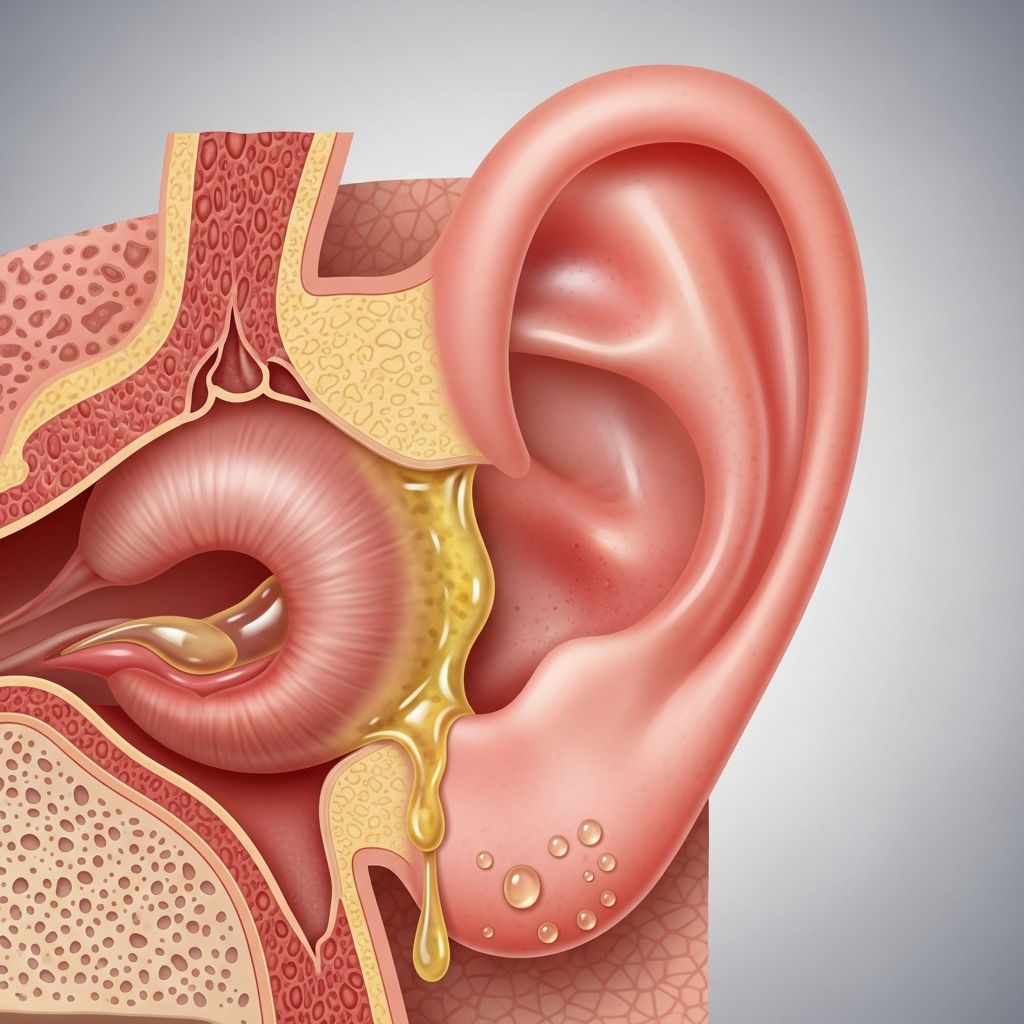
Otorrhea is the medical term for ear drainage, commonly referred to as “watery ears” or “runny ears.” This condition occurs when fluid, pus, blood, or other discharge flows from the ear canal, and it represents a symptom of an underlying medical condition rather than a disease itself. The presence of ear drainage indicates that something is disrupting the normal function of your ear, and it requires evaluation by a healthcare professional to determine the underlying cause and appropriate treatment.
For fluid to drain from the middle ear into the ear canal, there must be a direct connection. This connection typically results from a perforation or hole in the eardrum, which can develop due to various causes including infections, trauma, or previous ear tube placement. Understanding the nature and characteristics of your ear drainage is essential for proper diagnosis and treatment.
Types of Ear Drainage
Ear drainage can manifest in several different forms, each with distinct characteristics and different underlying causes:
| Type of Drainage | Characteristics | Common Cause |
|---|---|---|
| Purulent | Thick, yellow or greenish discharge containing pus | Bacterial ear infection from ruptured eardrum |
| Serous | Thin, watery, protein-rich fluid | Ear infection or serous drainage |
| Sanguineous or Bloody | Contains blood or blood-tinged discharge | Minor ear scratches, foreign objects, or injury |
| Mucoid | Mucus-containing discharge | Blocked Eustachian tubes causing mucus buildup |
| Clear | Watery discharge without visible coloring | Skin irritation such as eczema |
The specific type of drainage you experience can provide important clues about the underlying condition and help guide your healthcare provider’s diagnostic approach.
Causes of Otorrhea
Most Common Causes
Ruptured Eardrum from Ear Infection: In most cases, otorrhea results from a ruptured eardrum (perforated tympanic membrane) caused by a middle ear infection. When a middle ear infection develops, it causes fluid buildup behind the eardrum, creating pressure that can rupture the membrane and allow fluid to drain into the ear canal. While small perforations from acute ear infections often heal on their own, if the eardrum doesn’t heal properly, fluid can continue to drain persistently, leading to chronic suppurative otitis media.
Swimmer’s Ear (Otitis Externa): This common outer ear infection occurs when the skin inside the ear canal becomes swollen and infected, typically from water exposure. Discharge can accumulate in the ear canal and drain from the ear, often causing significant discomfort.
Eustachian Tube Dysfunction: When Eustachian tubes become blocked or swollen, mucus builds up in the middle ear, leading to infection and potential drainage. This condition is particularly common in children but can occur at any age.
Other Notable Causes
While less common than infection-related causes, several other conditions can produce ear drainage:
– Foreign Objects: Small toys, beads, or other objects inserted into the ear can cause inflammation and drainage, sometimes mixed with blood or pus.- Severe Head or Ear Trauma: Significant injuries can rupture the eardrum or damage ear structures.- Cholesteatoma: An abnormal skin growth behind the eardrum can produce foul-smelling drainage.- Mastoiditis: A serious infection of the bone behind the ear that can cause ear drainage.- Malignant Otitis Externa: A severe complication of swimmer’s ear that affects the ear canal and skull bone.- Fungal Infections: Yeast or fungal overgrowth in the ear canal can cause drainage.- Psoriasis: Skin conditions affecting the ear can result in drainage.- Eczema: This skin irritation can produce clear, watery discharge from the ear.- Cerebrospinal Fluid (CSF) Leakage: In rare but serious cases, CSF surrounding the brain and spinal cord can leak through a perforated eardrum, causing clear drainage. This may result from head injury, congenital conditions, tumors, infections, or surgical complications, and constitutes a medical emergency.
Related Stories



Symptoms of Otorrhea
Otorrhea is itself a symptom of an underlying condition, but it often accompanies other symptoms that can help identify the cause:
Characteristics of the Drainage Itself
The ear discharge may vary significantly in its properties:
– Appearance: clear, yellow, greenish, or bloodied- Consistency: thick or thin- Odor: odorless or distinctly foul-smelling- Volume: ranging from minimal to substantial drainage
Associated Common Symptoms
– Ear pain or discomfort- Tinnitus (ringing in the ears)- Itchy ears- Hearing loss or difficulty hearing- Sense of fullness in the affected ear
More Serious Accompanying Symptoms
Certain symptoms suggest a more severe underlying condition and warrant immediate medical attention:
– Fever- Redness or swelling around the ear- Vertigo or dizziness- Cranial nerve dysfunction- Severe headache- Neck stiffness
Ear pain and drainage frequently occur together, as middle ear infections and eardrum ruptures that allow discharge to accumulate and leak out typically involve inflammation and tissue damage. The severity and specific combination of symptoms can provide valuable diagnostic information to your healthcare provider.
When to See a Doctor
You should seek medical evaluation for ear drainage in the following situations:
– Any unexplained ear drainage lasting more than a few days- Drainage accompanied by severe ear pain, fever, or hearing loss- Drainage following a head injury- Foul-smelling drainage suggesting infection- Drainage containing visible blood- Clear drainage that could indicate CSF leakage- Symptoms affecting your balance or causing vertigo- Drainage in a child with fever or signs of systemic illness
A healthcare professional can properly examine your ear, identify the underlying cause, and recommend appropriate treatment to prevent complications and restore normal ear function.
Diagnosis of Otorrhea
Your doctor will perform a comprehensive evaluation to determine the cause of your ear drainage. This typically includes:
– Detailed history of symptom onset and progression- Physical examination of the ear canal and eardrum using an otoscope- Assessment of drainage characteristics (appearance, odor, consistency)- Evaluation of associated symptoms- Possible culture of drainage to identify bacterial or fungal organisms- Imaging studies if serious conditions like mastoiditis or CSF leakage are suspected- Audiometry to assess hearing function if applicable
Treatment Options
The treatment approach for otorrhea depends entirely on the underlying cause. Your doctor will determine the most appropriate therapy once the cause has been identified.
Infection-Related Drainage
For ear infections causing drainage:
– Antibiotic ear drops may be prescribed for outer ear infections- Oral antibiotics may be necessary for middle ear infections- Pain management and ear drying techniques- Careful ear cleaning by a healthcare professional- Observation for eardrum healing in cases of perforation
Chronic Drainage
If drainage continues chronically due to non-healing eardrum perforation:
– Tympanoplasty (surgical repair of the eardrum) may be recommended- Regular ear cleaning and moisture management- Preventive measures to avoid water entry- Long-term antibiotic therapy in some cases
Serious Conditions
More serious causes require specialized treatment:
– Mastoiditis typically requires intravenous antibiotics and possible surgical drainage- Cholesteatoma usually requires surgical removal- CSF leakage necessitates immediate hospitalization and specialized neurosurgical care- Foreign objects require careful removal by a healthcare professional
Prevention Strategies
While not all causes of otorrhea can be prevented, certain measures can reduce your risk:
– Keep ears dry by using earplugs during swimming or bathing- Avoid inserting objects into your ears- Practice good hygiene and avoid aggressive ear cleaning- Treat upper respiratory infections promptly- Manage allergies effectively to prevent Eustachian tube blockage- Wear protective headgear during contact sports to prevent head injuries- Address skin conditions like eczema or psoriasis affecting the ear- Avoid smoking, which can impair immune function
Frequently Asked Questions
What is the difference between otorrhea and normal earwax?
Otorrhea refers to abnormal drainage of fluid, pus, blood, or other discharge from the ear, indicating an underlying problem. Normal earwax is a naturally occurring substance produced by glands in the ear canal to protect and clean the ear. Abnormal drainage has different characteristics, often includes an unpleasant odor, and represents a sign of infection or injury requiring medical attention.
Can otorrhea heal on its own?
In some cases, mild otorrhea from a small eardrum perforation caused by acute infection may resolve on its own as the eardrum heals naturally. However, persistent drainage lasting more than a few days typically indicates a condition requiring professional evaluation and treatment. Chronic otorrhea usually does not resolve without intervention.
Is ear drainage always a sign of infection?
While infection is the most common cause of ear drainage, otorrhea can result from various non-infectious causes including skin conditions like eczema, foreign objects, head injury with CSF leakage, or abnormal tissue growth. However, any unexpected ear drainage warrants medical evaluation to determine the underlying cause.
Can I treat otorrhea at home?
While you can manage discomfort with pain relief and keep the ear as dry as possible, you should not attempt to treat otorrhea without professional diagnosis. The underlying cause determines appropriate treatment, and using the wrong remedy could delay proper care or worsen the condition. Always consult a healthcare provider for proper evaluation and treatment guidance.
How long does it take for otorrhea to resolve?
The timeline for resolution depends on the underlying cause. Minor ear infections with small eardrum perforations may resolve within one to two weeks. More serious conditions or chronic cases may require weeks to months of treatment. Some cases may require surgical intervention for complete resolution.
Is otorrhea contagious?
Otorrhea itself is not contagious, but if it results from a bacterial or viral ear infection, the infection itself may be transmissible to others. Practicing good hygiene, such as not sharing ear devices or allowing others to touch the affected ear, helps prevent spread of any underlying infection.
References
- Otorrhea or ear drainage: Causes and treatment — Miracle-Ear. Accessed December 1, 2025. https://www.miracle-ear.com/blog-news/otorrhea-ear-drainage
- Otorrhea — Nationwide Children’s Hospital. Accessed December 1, 2025. https://www.nationwidechildrens.org/conditions/otorrhea
- Fluid from the ear – causes and treatments — Healthdirect. Accessed December 1, 2025. https://www.healthdirect.gov.au/fluid-from-the-ear
- A to Z: Otorrhea (for Parents) — Inova Children’s Hospital – Kids Health. Accessed December 1, 2025. https://kidshealth.org/Inova/en/parents/az-otorrhea.html
- Ear infection (middle ear) – Symptoms & causes — Mayo Clinic. Accessed December 1, 2025. https://www.mayoclinic.org/diseases-conditions/ear-infections/symptoms-causes/syc-20351616
Similar Articles








Read full bio of medha deb