Otosclerosis: Causes, Symptoms, Diagnosis & Treatment
Understanding otosclerosis: comprehensive guide to symptoms, diagnosis, and effective treatment options.
What Is Otosclerosis?
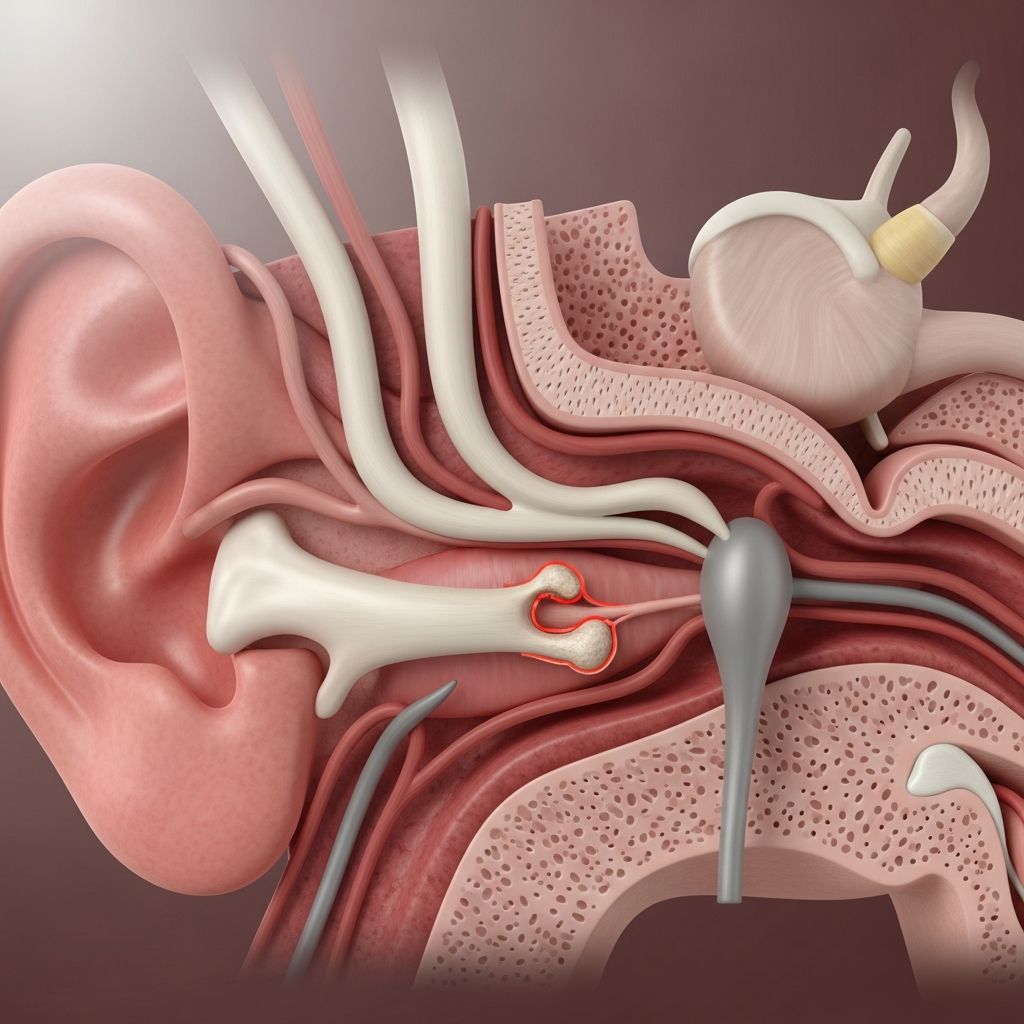
Otosclerosis is a progressive ear disorder characterized by abnormal bone growth in the middle ear, particularly affecting the stapes bone, one of the three tiny bones responsible for transmitting sound vibrations to the inner ear. In this condition, new bone tissue forms abnormally and hardens around the stapes, preventing it from moving freely as it normally would. This restriction in bone movement disrupts the transmission of sound waves to the inner ear, resulting in conductive hearing loss that can range from mild to severe depending on the extent of ossification.
The condition typically develops gradually and most commonly begins in early to mid-adulthood. While otosclerosis frequently affects both ears, it can sometimes cause hearing loss in only one ear. Understanding this condition is essential because early diagnosis and appropriate treatment can significantly improve hearing outcomes and quality of life for affected individuals.
How Common Is Otosclerosis?
Otosclerosis affects a significant portion of the population, though the exact prevalence varies. The condition represents one of the most common causes of progressive hearing loss in adults, particularly in individuals of European descent. Both men and women can develop otosclerosis, though some research suggests a slight female predominance. The condition typically becomes apparent during the prime working and social years, making its impact particularly significant on daily functioning and professional responsibilities.
Causes and Risk Factors
The exact cause of otosclerosis remains not entirely understood, but several factors have been identified as contributing to its development. Genetic predisposition plays a substantial role, as the condition often runs in families. Approximately 60% of people with otosclerosis have a family history of the disorder, suggesting a hereditary component to the disease.
Several other factors may increase the risk of developing otosclerosis:
– Genetic mutations that affect bone metabolism- Hormonal changes, particularly during pregnancy and menopause- Autoimmune factors that trigger abnormal bone remodeling- Metabolic disturbances affecting calcium and phosphate balance- Chronic inflammatory processes in the middle ear
The condition results from an imbalance in the normal bone remodeling process that occurs continuously throughout life. While ears naturally remodel their tiny bones with new growth, in otosclerosis this process goes awry, causing new bone tissue to form excessively and harden, preventing normal sound transmission.
Symptoms of Otosclerosis
The primary symptom of otosclerosis is progressive hearing loss, which often develops slowly over months or years. However, patients may experience several other symptoms alongside hearing difficulties:
– Gradual hearing loss in one or both ears- Tinnitus (ringing, buzzing, or humming sounds in the ears)- Balance problems or dizziness- Feeling of fullness in the affected ear- Difficulty hearing low-frequency sounds initially- Vertigo in some cases
Related Stories



The hearing loss associated with otosclerosis typically begins with difficulty understanding speech in noisy environments and progresses to affect hearing in quiet settings as well. Some patients report that they can hear people speaking but cannot clearly understand what is being said. The gradual nature of the condition means that many people adapt their communication strategies unconsciously before seeking medical evaluation.
How Is Otosclerosis Diagnosed?
Diagnosing otosclerosis involves a comprehensive evaluation combining patient history, physical examination, and specialized testing. When you visit your healthcare provider, be prepared to discuss when your hearing changes began, whether the loss affects one or both ears, and any family history of hearing problems.
Physical Examination
Your otolaryngologist will examine both ears using an otoscope to look inside the ear canal and assess the eardrum. This examination helps rule out other conditions that might cause similar symptoms.
Hearing Tests
Comprehensive hearing evaluations form the cornerstone of otosclerosis diagnosis. These tests include:
– Audiometry: Measures your ability to hear sounds at different frequencies and volumes- Audiogram: A hearing test that reveals a characteristic dip in bone conduction thresholds, a hallmark finding in otosclerosis- Acoustic immittance testing: Stimulates a tiny muscle in the middle ear to assess its function; abnormal reflex responses indicate stiffening of middle ear bones- Speech discrimination tests: Evaluates how well you understand speech at comfortable listening levels
Imaging Studies
CT scans represent the gold standard imaging test for confirming otosclerosis diagnosis. High-resolution CT imaging can detect abnormal bone growth in the middle ear and cochlea, showing the exact location and extent of the ossification. This imaging helps your provider determine whether surgery is appropriate and which surgical approach would be most effective.
Treatment Options for Otosclerosis
Treatment for otosclerosis depends on the severity of hearing loss, the extent of abnormal bone growth, and your individual preferences and circumstances. Your healthcare team will develop a personalized treatment plan tailored to your specific needs.
Non-Surgical Treatment
Hearing Aids: For individuals with mild to moderate hearing loss, hearing aids can amplify sounds, making them easier to hear and understand. Modern hearing aids offer various styles and advanced features including directional microphones, noise reduction, and wireless connectivity. However, it is important to note that while hearing aids can manage otosclerosis-related hearing loss, they cannot halt the progression of the condition.
Bone-Anchored Hearing Aids (BAHA): A specialized option for some patients, bone-anchored hearing aids bypass the damaged middle ear bones entirely by sending sound vibrations directly through the skull bone to the inner ear. This approach can be particularly effective when traditional hearing aids prove insufficient.
Surgical Treatment
Stapedectomy and Stapedotomy: For individuals with more severe hearing loss or those dissatisfied with hearing aid results, surgical intervention offers excellent outcomes. During these procedures, your surgeon removes or replaces the stiffened stapes bone with a small prosthetic device that restores sound transmission to the inner ear. The prosthesis allows sound waves to travel to the inner ear without being affected by the abnormal bone growth.
If you have otosclerosis affecting both ears, your surgical team will typically repair one ear at a time, allowing adequate healing between procedures. Success rates for stapedectomy and stapedotomy are quite high, with many patients experiencing significant hearing improvement.
Cochlear Implants: When otosclerosis has progressed to affect the inner ear (cochlea), conventional hearing aids and middle ear surgery may no longer provide adequate benefit. In these cases, cochlear implants offer a viable solution. A cochlear implant is a surgically implanted device that directly stimulates the inner ear, bypassing damaged sound-processing machinery and sending signals directly to the brain. This advanced technology can restore meaningful hearing even in cases of advanced cochlear otosclerosis.
Diagnostic Comparison Table
| Diagnostic Test | Purpose | Findings in Otosclerosis |
|---|---|---|
| Audiometry | Measures hearing sensitivity | Conductive hearing loss pattern |
| Acoustic Immittance | Tests middle ear function | Abnormal acoustic reflexes |
| CT Scan | Imaging of bone structures | Visible bone growth around stapes |
| Speech Testing | Assesses speech understanding | May show reduced discrimination |
Living with Otosclerosis
Managing otosclerosis extends beyond medical treatment. Many individuals benefit from communication strategies including positioning yourself closer to speakers, asking people to speak clearly, and reducing background noise when possible. Support groups and counseling can help address the emotional and social impacts of hearing loss. Regular follow-up appointments with your otolaryngologist and audiologist ensure that your treatment remains optimal as your condition progresses.
Frequently Asked Questions
Q: Is otosclerosis hereditary?
A: Yes, otosclerosis has a strong genetic component. Approximately 60% of individuals with otosclerosis have a family history of the condition, indicating significant hereditary influence on disease development.
Q: Can otosclerosis be prevented?
A: Currently, there is no proven way to prevent otosclerosis if you have genetic predisposition. However, early detection and appropriate management can prevent complications and preserve hearing function.
Q: Will my hearing loss from otosclerosis progress?
A: Otosclerosis typically causes progressive hearing loss over time. The rate of progression varies among individuals. Regular monitoring with audiological testing helps track changes and determine when treatment adjustments may be necessary.
Q: What is the success rate of stapedectomy surgery?
A: Stapedectomy and stapedotomy have high success rates, with many patients experiencing significant hearing improvement. Your surgeon can discuss specific outcomes based on your individual circumstances.
Q: Can hearing aids alone manage otosclerosis?
A: Hearing aids can effectively manage mild to moderate hearing loss from otosclerosis, but they do not stop disease progression. Some patients may eventually require surgical intervention as the condition advances.
Q: Are there alternatives if surgery is not appropriate for me?
A: Yes, several alternatives exist including traditional hearing aids, bone-anchored hearing aids, and for advanced cases, cochlear implants. Your healthcare team will recommend the most suitable option based on your hearing loss severity and overall health.
When to See a Healthcare Provider
If you experience gradual hearing loss, tinnitus, or balance problems, schedule an appointment with your primary care physician or an otolaryngologist. Early evaluation is important because timely diagnosis enables better treatment outcomes. Hearing changes warrant professional evaluation even if they seem minor, as they may indicate otosclerosis or other treatable conditions.
Conclusion
Otosclerosis represents a common but manageable cause of progressive hearing loss in adults. Through comprehensive diagnostic evaluation, personalized treatment planning, and access to both surgical and non-surgical options, individuals with otosclerosis can achieve excellent hearing outcomes and maintain quality of life. Working closely with experienced otolaryngologists and audiologists ensures that you receive appropriate care tailored to your specific needs and circumstances. If you suspect you may have otosclerosis, seeking professional evaluation promptly can lead to early intervention and optimal results.
References
- Otosclerosis Treatment — Cleveland Clinic. 2025. https://my.clevelandclinic.org/services/otosclerosis-treatment
- Otosclerosis Symptoms, Treatment & Surgery — Amplifon USA. 2024. https://www.amplifonusa.com/hearing-loss/blog/otosclerosis
- Otology and Neurotology Program — University Hospitals Cleveland Medical Center. 2024. https://www.uhhospitals.org/for-clinicians/specialties/otolaryngology/referral-guides/otology-and-neurotology-program
- Otosclerosis: Bone Growth, Hearing Loss, Treatment — Britannica. 2024. https://www.britannica.com/science/otosclerosis
- Otosclerosis — HearingLife Canada. 2024. https://www.hearinglife.ca/ear-health-hub/otosclerosis
- Otosclerosis — Hidden Hearing Northern Ireland. 2024. https://www.hiddenhearing.org/ear-health-hub/otosclerosis
Similar Articles








Read full bio of Sneha Tete