Outer Ear Infections: Symptoms, Treatment, Prevention Guide
Comprehensive insights into swimmer's ear: from causes and symptoms to effective treatments and prevention strategies for all ages.
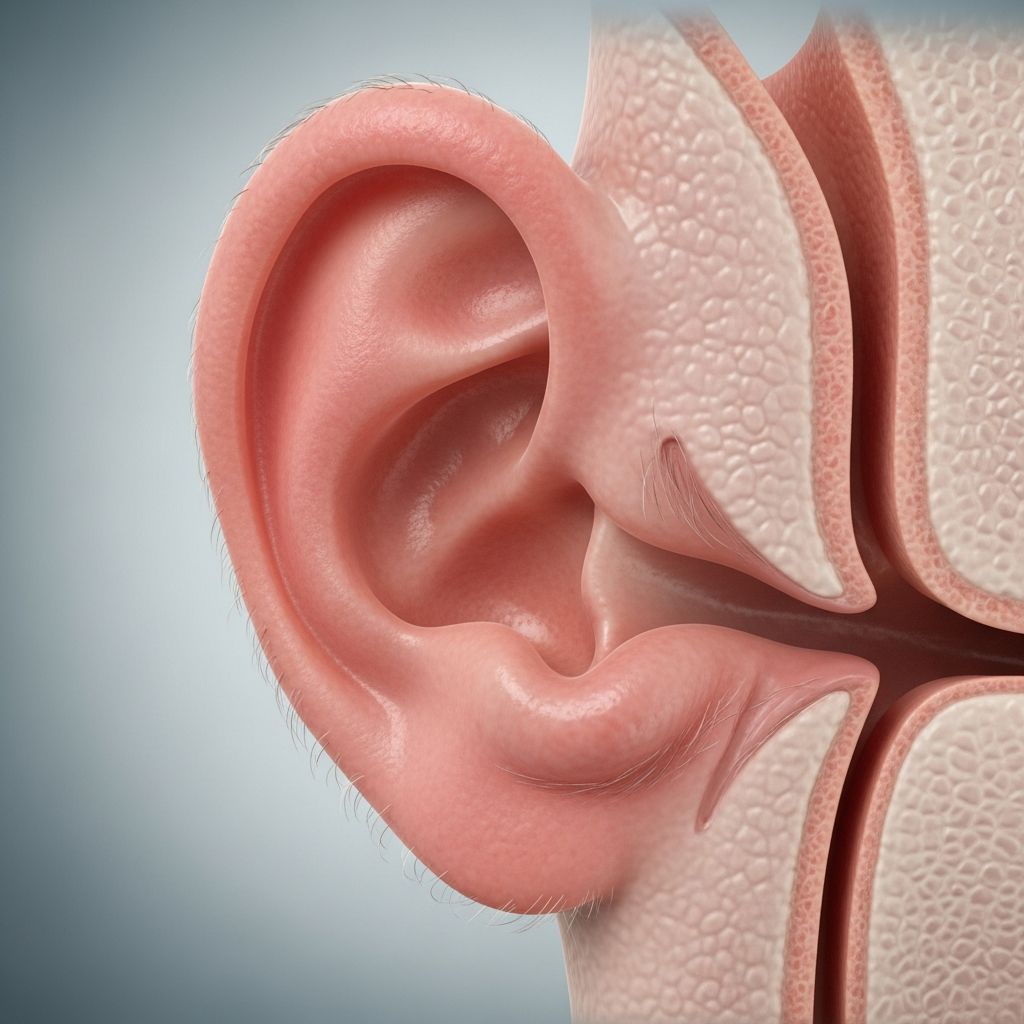
Outer ear infections, medically termed otitis externa, affect the ear canal and are a frequent source of discomfort, particularly during warmer months or after water exposure. Often called swimmer’s ear, this condition arises when moisture or irritants compromise the ear’s natural defenses, enabling bacterial or fungal proliferation. Understanding its dynamics empowers individuals to seek timely intervention and adopt preventive habits.
Understanding the Anatomy of the Outer Ear
The outer ear comprises the visible auricle (pinna) and the ear canal, extending to the eardrum. The canal’s skin is thin, coated with cerumen (earwax), which traps debris and maintains acidity to deter pathogens. When this barrier is disrupted, infections thrive.
- Auricle: Collects sound waves.
- Ear Canal: Lined with protective wax and self-cleaning hairs.
- Eardrum: Boundary separating outer and middle ear.
Primary Causes Behind Outer Ear Infections
Excessive moisture is the leading trigger, fostering a warm, damp habitat for microbes. Swimming, bathing, or humid environments often initiate this. Bacteria like Pseudomonas aeruginosa dominate, with fungi such as Aspergillus in about 10% of instances.
Other contributors include:
- Mechanical injury from cotton swabs, fingers, or hearing aids scratching the canal.
- Skin disorders like eczema or psoriasis altering the canal’s pH.
- Allergies to shampoos, hair products, or earrings.
- Immunosuppression from diabetes or medications heightening vulnerability.
| Cause Type | Examples | Risk Level |
|---|---|---|
| Moisture-Related | Swimming, humid climates | High |
| Trauma | Cotton swabs, aggressive cleaning | Medium-High |
| Skin Conditions | Eczema, dermatitis | Medium |
| Fungal | Prolonged antibiotic use, heat | Low-Medium |
Recognizing Symptoms of Otitis Externa
Symptoms escalate rapidly, starting with itchiness and progressing to intense pain, especially when tugging the earlobe or chewing. Redness, swelling, and a sensation of fullness follow, potentially muffling hearing.
Common indicators include:
- Pain: Sharp, worsens with jaw movement or pressure.
- Itchiness: Initial sign, prompting scratching that worsens damage.
- Discharge: Clear, pus-like, or foul-smelling fluid.
- Swelling: Canal narrowing causes temporary deafness.
- Fever: Mild in severe cases.
In children, signs may manifest as irritability, ear-tugging, or sleep disturbances. Fungal variants emphasize pruritus over pain, with powdery white discharge.
Diagnosis Process for Accurate Identification
Healthcare providers use otoscopy to inspect the canal for inflammation, debris, or foreign bodies. They assess pain by manipulating the pinna and may swab discharge for culture if treatment resists.
Differentiation from middle ear infections (otitis media) is crucial, as the latter involves eardrum involvement. Diabetics or immunocompromised patients require checks for deeper spread.
Treatment Strategies for Effective Relief
Treatment hinges on severity. Mild cases respond to over-the-counter pain relievers like ibuprofen and acetic acid drops for acidification. Prescription antibiotic drops (e.g., with corticosteroids) target bacteria, while antifungals address fungal growth.
Key steps:
- Canal Cleaning: Professional suction or irrigation removes debris.
- Topical Therapy: Drops 3-4 times daily for 7-10 days; keep ear dry.
- Pain Control: Oral analgesics; avoid systemic antibiotics unless spreading occurs.
- Wick Placement: For severe swelling to aid drop penetration.
Related Stories



Improvement typically occurs within 48-72 hours. Persistent symptoms warrant re-evaluation to rule out complications like furuncles or malignant otitis externa.
Potential Complications and When to Worry
Untreated infections can form abscesses, cause chronic inflammation, or spread to cartilage (perichondritis). In vulnerable groups, it risks skull base involvement. Seek urgent care for:
- Severe pain unresponsive to OTC meds.
- High fever, neck stiffness, or facial weakness.
- Diabetes or immunosuppression.
Prevention Tips to Safeguard Your Ears
Proactive measures significantly reduce recurrence:
- Dry Ears Thoroughly: Tilt head post-swim; use a hairdryer on low.
- Earplugs: During swimming or bathing.
- Avoid Irritants: No cotton swabs; use drops prophylactically after water exposure.
- Manage Skin Issues: Treat eczema promptly.
Acetic acid-hydrocortisone drops post-moisture exposure serve as excellent prophylaxis.
Outer Ear Infections in Children and Adults
Children face higher risks due to narrower canals and frequent water play. Adults with hearing aids or occupational moisture exposure (e.g., lifeguards) are prone. Tailor prevention accordingly.
Frequently Asked Questions (FAQs)
Can swimmer’s ear resolve without treatment?
Yes, mild cases may self-resolve in days to weeks, but treatment hastens recovery and prevents complications.
Is it safe to swim with an outer ear infection?
No, water exacerbates it. Wait until cleared.
Do cotton swabs help or hurt?
They often cause trauma, worsening infections. Let ears self-clean.
How long do symptoms last with treatment?
Usually 3-7 days; full resolution in 1-2 weeks.
Can fungi cause outer ear infections?
Yes, in 10% of cases, often after bacterial treatment.
Living with Recurrent Outer Ear Infections
Chronic cases may require ongoing management, including regular debridement or surgery for canal stenosis. Addressing underlying factors like allergies is vital.
References
- Swimmer’s ear (otitis externa) – symptoms and treatment — Healthdirect (Australian Government). 2023. https://www.healthdirect.gov.au/swimmers-ear
- Outer Ear Infections Treatment — ENT and Allergy of New Orleans. 2024. https://www.entandallergyofneworleans.com/outer-ear-infections
- Otitis Externa: A Practical Guide to Treatment and Prevention — American Academy of Family Physicians (AAFP). 2001-03-01. https://www.aafp.org/pubs/afp/issues/2001/0301/p927.html
- Overview: Outer ear infection — InformedHealth.org / NCBI Bookshelf (U.S. National Library of Medicine). 2023. https://www.ncbi.nlm.nih.gov/books/NBK279353/
- Ear Canal Infection (Swimmer’s Ear) — Merck Manuals (Merck & Co.). 2024. https://www.merckmanuals.com/home/ear-nose-and-throat-disorders/outer-ear-disorders/ear-canal-infection-swimmer-s-ear
Similar Articles








Read full bio of Sneha Tete