Ovarian Cancer Causes: Key Risk Factors And Prevention
Understand the key risk factors and causes of ovarian cancer, from genetics to lifestyle, to empower proactive health decisions.
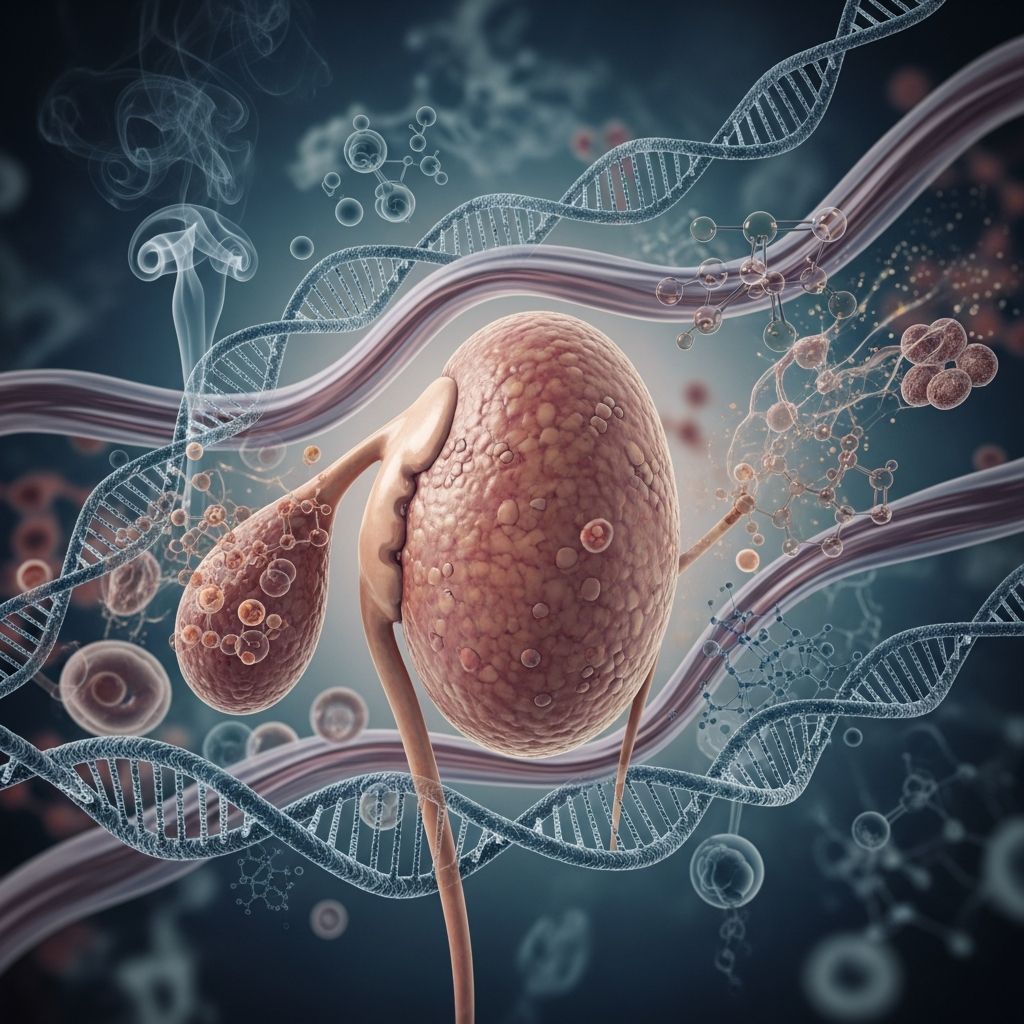
Ovarian cancer originates in the ovaries, small almond-sized organs that produce eggs and hormones like estrogen and progesterone. It develops when cells in or near the ovaries undergo DNA mutations, causing uncontrolled growth and tumor formation that can invade nearby tissues and metastasize.
While the exact cause remains unclear, multiple risk factors contribute significantly. These include genetic predispositions, reproductive history, lifestyle choices, and gynecologic conditions. Understanding these helps in risk assessment and prevention strategies.
What Actually Causes Ovarian Cancer?
Ovarian cancer arises from genetic changes in ovarian cells or nearby structures like fallopian tubes. These mutations disrupt normal cell growth, leading to rapid multiplication and tumor development. Healthy cells die as part of the natural cycle, but cancer cells persist, invade tissues, and spread.
Most cases are sporadic, but 5-10% stem from inherited mutations. Environmental and lifestyle factors may trigger or amplify these changes, though direct causation is complex and multifactorial.
Risk Factors for Ovarian Cancer
Several factors elevate ovarian cancer risk. These are categorized into genetic, reproductive, lifestyle, and other influences.
Genetic Risk Factors
Genetics play a pivotal role, with inherited mutations accounting for 65-85% of familial ovarian cancers. BRCA1 and BRCA2 gene mutations are primary culprits, raising lifetime risk dramatically—up to 44% for BRCA1 carriers and 17% for BRCA2.
- BRCA1 and BRCA2 Mutations: These tumor suppressor genes repair DNA. Mutations impair this, leading to cancer. Risk starts low (<3% by age 40) but rises to 10% by 50 and higher later.
- Lynch Syndrome (HNPCC): Caused by MLH1, MSH2, etc., mutations, it accounts for 10-15% of hereditary cases. Lifetime ovarian cancer risk is 6-8%.
- Other Genes: BRIP1, RAD51C, RAD51D mutations also increase susceptibility.
- Family History: Relatives with breast, ovarian, or colorectal cancer signal higher risk (OR=3.7 for personal breast cancer history).
Reproductive Risk Factors
Factors affecting ovulation cycles influence risk, as constant ovulation may cause repeated ovarian surface trauma, promoting mutations (incessant ovulation theory).
- Age: Risk rises with age, peaking post-menopause. Most diagnoses occur after 60.
- Early Menarche/Late Menopause: More ovulatory cycles increase exposure to potential damage.
- Nulliparity (Never Pregnant): Lack of pregnancy halts ovulation, elevating risk.
- Fewer Pregnancies/Breastfeeding: Protective due to ovulation suppression; lactation lowers risk.
Gynecologic Conditions
Certain conditions promote inflammation or cellular changes predisposing to cancer.
- Endometriosis: Tissue like uterine lining grows outside the uterus, raising risk (SIR=1.34 overall; 3.64 for clear cell type). Mechanisms involve inflammation, PTEN, ARID1A mutations.
- Pelvic Inflammatory Disease (PID): Controversial link via inflammation and infections like Chlamydia trachomatis.
- Ovarian Cysts: Complex cysts, especially postmenopausal, heighten malignancy risk (OR=1.3 for borderline tumors).
Hormone Therapy
Postmenopausal hormone replacement therapy (HRT), especially estrogen-only, increases risk by stimulating ovarian cells.
Lifestyle Risk Factors
Modifiable behaviors impact incidence.
- Obesity: Excess body fat elevates risk, possibly via hormones like estrogen from adipose tissue.
- Physical Inactivity: Linked to higher risk; activity may protect.
- Diet: Some studies suggest high-fat diets increase risk, though evidence varies.
- Alcohol/Tobacco: Mixed; no strong causal link.
Related Stories



Other Factors
- Socioeconomic Status: Lower status correlates with higher risk, possibly due to limited healthcare access.
- Pelvic Radiation: History mildly associated.
Protective Factors Against Ovarian Cancer
Not all factors raise risk; some lower it by reducing ovulations or inflammation.
- Oral Contraceptives: Long-term use (5+ years) reduces risk by 30-50% via ovulation suppression.
- Pregnancy/Term Births: Each full-term pregnancy lowers risk; multiple reduce it further.
- Breastfeeding: Duration inversely related to risk.
- Tubal Ligation/Hysterectomy: Blockage or removal reduces risk by preventing ascent of carcinogens.
Types of Ovarian Cancer
Cancer type depends on originating cells, affecting prognosis and treatment.
| Type | Description | Prevalence |
|---|---|---|
| Epithelial | From ovary surface; subtypes: serous (most common), mucinous, endometrioid, clear cell. | 90% |
| Germ Cell | From egg-producing cells; younger women. | Rare (<5%) |
| Stromal | From hormone-producing tissue; often early-stage. | Rare (5-8%) |
Can Ovarian Cancer Be Prevented?
No guaranteed prevention, but risk reduction is possible.
- Genetic Counseling: For high-risk families; testing for BRCA/Lynch. Prophylactic salpingo-oophorectomy reduces risk by 80-90% in carriers.
- Lifestyle Changes: Maintain healthy weight, exercise, balanced diet.
- Reproductive Planning: Use OCPs, consider pregnancies.
- Surgery: Tubal ligation or hysterectomy for average-risk women.
Regular check-ups aid early detection, though no standard screening exists for average risk.
Frequently Asked Questions (FAQs)
What is the most common cause of ovarian cancer?
Epithelial mutations in older women; genetics like BRCA in hereditary cases.
Does family history guarantee ovarian cancer?
No, it increases risk; counseling recommended.
Can birth control pills prevent ovarian cancer?
Yes, long-term use reduces risk significantly.
Is endometriosis a direct cause?
It raises risk, especially for certain types (SIR up to 3.64).
How does obesity contribute?
Higher estrogen from fat cells and inflammation.
What about smoking or alcohol?
No strong link; focus on proven factors.
This comprehensive overview empowers informed health choices. Consult healthcare providers for personalized risk assessment.
References
- Ovarian cancer in the world: epidemiology and risk factors — Rafiemanesh M et al. 2019-04-27. https://pmc.ncbi.nlm.nih.gov/articles/PMC6500433/
- Ovarian cancer – Symptoms and causes — Mayo Clinic Staff. 2025-05-02. https://www.mayoclinic.org/diseases-conditions/ovarian-cancer/symptoms-causes/syc-20375941
- Ovarian Cancer: Signs, Symptoms and What You Should Know — Cone Health. N/A. https://www.conehealth.com/services/cancer-care/ovarian-cancer-signs-symptoms-and-what-you-should-know/
Similar Articles








Read full bio of medha deb