Ovarian Cancer Treatment: 4 Key Options And Advances In 2025
Explore comprehensive ovarian cancer treatments from surgery and chemotherapy to innovative therapies like HIPEC and targeted drugs.
Ovarian Cancer Treatment: Options, Stages, and Advances
Ovarian cancer treatment primarily involves
surgery
andchemotherapy
, with emerging options like targeted therapies and immunotherapy improving outcomes for advanced cases.What Is Ovarian Cancer?
Ovarian cancer develops in the ovaries, often epithelial types, and spreads rapidly within the peritoneum, making early detection challenging. Standard protocols adapt to stage, patient health, and tumor characteristics for optimal results.
Stages of Ovarian Cancer
Ovarian cancer stages range from I (confined to ovaries) to IV (distant metastasis). Stage determines aggressiveness: early stages favor curative surgery, while advanced stages (III-IV) require multimodal approaches including debulking and HIPEC.
- Stage I: Tumor limited to one or both ovaries.
- Stage II: Spread to pelvis.
- Stage III: Abdominal peritoneal spread; common at diagnosis.
- Stage IV: Distant organs involved, poorer prognosis.
Standard Treatments for Ovarian Cancer
The cornerstone of ovarian cancer management is
cytoreductive surgery
followed byplatinum-based chemotherapy
. Surgery aims for complete resection, while chemo targets residual microscopic disease.Surgery
**Debulking surgery** removes ovaries, fallopian tubes, uterus, omentum, and visible tumors. In early stages, fertility-sparing options may apply; advanced cases use interval debulking after neoadjuvant chemo. Optimal cytoreduction (no visible residual disease) significantly boosts survival.
Chemotherapy
**Platinum-taxane regimens** (carboplatin + paclitaxel) are first-line, administered IV or intraperitoneally (IP). IP delivery enhances peritoneal exposure, reducing recurrence in optimally debulked stage III. Cycles: 3-6, neoadjuvant or adjuvant. Carboplatin preferred over cisplatin for lower toxicity.
| Chemo Agent | Mechanism | Common Use |
|---|---|---|
| Carboplatin/Cisplatin | DNA damage | Platinum backbone |
| Paclitaxel/Docetaxel | Microtubule stabilization | Taxane partner |
| IP Carboplatin | Direct peritoneal delivery | Advanced stage III |
Targeted Therapies
**PARP inhibitors** (olaparib, niraparib) exploit BRCA mutations/HRD, approved for maintenance post-chemo in advanced disease, extending progression-free survival.
Bevacizumab
(anti-VEGF) inhibits angiogenesis, combined with chemo for stage III/IV.- PARPis: For BRCA+ or HRD tumors; oral maintenance.
- Bevacizumab: IV, reduces vascular supply to tumors.
Immunotherapy and Hormone Therapy
**Dendritic cell therapy** activates immune response against ovarian tumors, promising for recurrent cases.
Hormone therapy
(tamoxifen, letrozole) for stromal tumors blocking estrogen-driven growth. Immunotherapy shows 45-65% response in refractory disease.Innovative and Emerging Treatments
Advanced options address platinum resistance and recurrence.
HIPEC (Hyperthermic Intraperitoneal Chemotherapy)
During cytoreductive surgery, heated (41-43°C) chemo bathes the peritoneum, killing microscopic cells and cutting recurrence by up to 50% in stage III. Median survival benefit in pretreated patients.
PIPAC (Pressurized Intraperitoneal Aerosol Chemotherapy)
Aerosolized chemo under pressure penetrates deeper into peritoneum for recurrent disease; 4 sessions control progression faster than systemic chemo.
Electrochemotherapy (ECT)
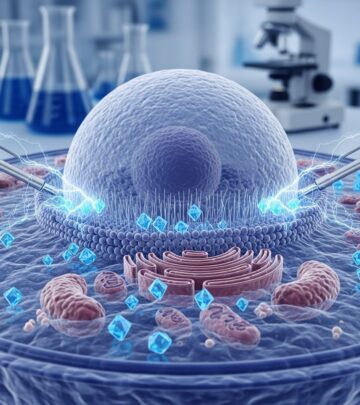
Electrical pulses permeabilize cancer cells for high-dose chemo uptake via isolated perfusion; response rates 45-65% in refractory gynecological cancers.
Other: TACE, Regional Perfusion
Transarterial chemoembolization (TACE) and hypoxic perfusion yield 11.9 months median survival in heavily pretreated cases.
Treatment by Stage
| Stage | Primary Treatment | Adjuncts |
|---|---|---|
| I-II (Early) | Surgery ± adjuvant chemo | Observation if low-risk |
| III (Advanced) | Neoadjuvant chemo + interval debulking + HIPEC | Bevacizumab/ PARP maintenance |
| IV (Metastatic) | Palliative debulking + systemic/targeted | Immunotherapy trials |
Recurrent Ovarian Cancer
High relapse rate (~70% within 2 years); platinum-sensitive (>6 months free) retry platinum; resistant use non-platinum, PARPis, or trials. Innovative locoregional therapies excel here.
Side Effects and Management
- Surgery: Infection, lymphedema, early menopause.
- Chemo: Neuropathy, nausea, alopecia; supportive care mitigates.
- Targeted: Hypertension (bevacizumab), anemia (PARPis).
- Innovative therapies reduce systemic toxicity via localization.
Clinical Trials and Future Directions
Ongoing trials test combo immunotherapy, novel ADCs, and genomic matching. Personalized medicine via HRD/BRCA testing guides therapy.
Frequently Asked Questions
What are the main ovarian cancer treatments?
Surgery, platinum-taxane chemo, targeted therapies (PARP, bevacizumab), and innovations like HIPEC.
Is surgery always needed for ovarian cancer?
Yes, primary for debulking; neoadjuvant chemo precedes in unresectable advanced cases.
How effective is HIPEC for ovarian cancer?
Improves survival 50% in stage III, reduces recurrence via direct heated delivery.
What targeted therapies treat ovarian cancer?
PARP inhibitors for BRCA/HRD, bevacizumab for angiogenesis.
Can ovarian cancer be cured if recurrent?
Manageable with retreatment, trials; cure rarer but survival extends via innovations.
What’s new in ovarian cancer treatment?
PIPAC, ECT, dendritic therapy offer high responses (45-65%) in refractory cases.
References
- Comprehensive Guide to Ovarian Cancer: Treatment Options — Booking Health. 2023. https://bookinghealth.com/blog/oncology/732398-comprehensive-guide-to-ovarian-cancer-treatment-options.html
- 6 Ovarian Cancer Treatment Options — MyOvarianCancerTeam. 2024. https://www.myovariancancerteam.com/resources/treatments-for-ovarian-cancer
- Ovarian cancer: Current status and strategies for improving — NIH/PMC. 2019-10-28. https://pmc.ncbi.nlm.nih.gov/articles/PMC6853829/
- Ovarian Cancer – Summary, Symptoms, Treatments — Florida Cancer Specialists. 2024. https://flcancer.com/articles/ovarian-cancer-summary-symptoms-treatments/
- Ovarian Cancer: A Review — JAMA Network. 2023. https://jamanetwork.com/journals/jama/article-abstract/2836686
Similar Articles








Read full bio of medha deb