Ovarian Cysts: Causes, Symptoms, Diagnosis & Treatment
Complete guide to understanding ovarian cysts: causes, symptoms, diagnosis methods, and effective treatment options.
Understanding Ovarian Cysts
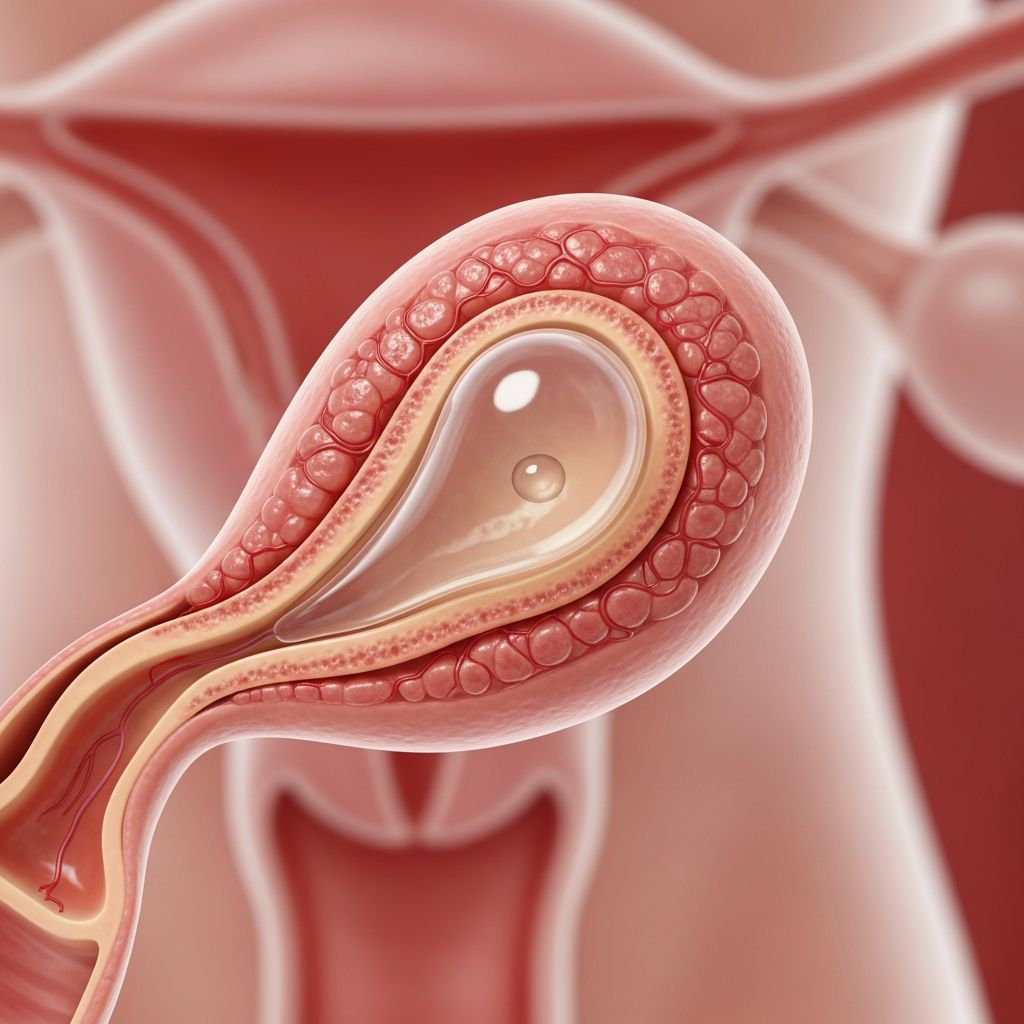
Ovarian cysts are common growths that develop on or inside your ovaries. These fluid-filled sacs are a normal part of the reproductive cycle for many women. While the term “cyst” may sound concerning, most ovarian cysts are harmless and benign. In fact, many women develop ovarian cysts at some point in their lives without ever experiencing symptoms or complications.
The key to managing ovarian cysts effectively is understanding what they are, recognizing when they might cause problems, and knowing when medical intervention is necessary. Most cysts resolve on their own without any treatment, but some may require monitoring or intervention depending on their type, size, and whether they cause symptoms.
Types of Ovarian Cysts
There are several types of ovarian cysts, and understanding the differences between them is important for determining appropriate treatment. The most common types include functional cysts, which develop as part of the normal menstrual cycle, and pathological cysts, which form for other reasons.
Functional Ovarian Cysts
Functional cysts are the most common type and typically develop during the normal menstrual cycle. These cysts usually go away without treatment within a few months. Functional cysts are generally harmless and do not increase the risk of ovarian cancer. They typically do not cause any symptoms and are often discovered incidentally during imaging for other reasons.
Dermoid Cysts
Ovarian dermoid cysts contain fully mature tissue including skin, hair, and teeth. These cysts are not cancerous but can cause complications if they rupture or twist the ovary. Most providers remove ovarian dermoid cysts using laparoscopy, a minimally invasive surgical technique. The recurrence rate for dermoid cysts after removal is only 3% to 4%, making surgical removal an effective cure.
Other Ovarian Cyst Types
Additional types of ovarian cysts include hemorrhagic cysts, which contain blood, and complex cysts with solid components or multiple chambers. These types may require closer monitoring or different treatment approaches based on their characteristics and potential for complications.
Common Causes of Ovarian Cysts
Understanding what causes ovarian cysts can help you recognize risk factors and know when to seek medical attention. The causes vary depending on the type of cyst and individual factors.
Hormonal Factors
Many ovarian cysts develop due to hormonal changes during the menstrual cycle. The ovaries naturally produce follicles each month to prepare for ovulation. Sometimes, these follicles continue to grow instead of releasing an egg, or fluid accumulates after ovulation, resulting in a cyst. These hormonal fluctuations are completely normal and typically resolve without intervention.
Age and Reproductive Status
Ovarian cysts are more common in women of reproductive age, though they can occur at any age. However, cysts that develop after menopause may have different implications and require more careful evaluation. The significance of a cyst may vary depending on whether you are premenopausal, perimenopausal, or postmenopausal.
Related Stories



Medical Conditions
Certain medical conditions can increase the likelihood of developing ovarian cysts. Polycystic ovary syndrome (PCOS) is associated with multiple small cysts on the ovaries. Endometriosis, a condition where tissue similar to the uterine lining grows outside the uterus, can also lead to cyst formation. Additionally, previous ovarian cysts or a family history of ovarian conditions may increase your risk.
Recognizing Symptoms of Ovarian Cysts
Many women with ovarian cysts experience no symptoms at all and discover them only during routine imaging for other reasons. However, some cysts can cause noticeable symptoms that warrant medical attention.
Common Symptoms
When ovarian cysts do cause symptoms, they may include pelvic pain or pressure, particularly on the side where the cyst is located. This pain may be sharp or dull and can vary in intensity. Some women experience discomfort during or after sexual intercourse (dyspareunia) or pain during menstruation beyond normal menstrual cramps. Bloating and abdominal swelling are also possible symptoms.
When to Seek Medical Attention
Certain symptoms warrant immediate medical evaluation. Severe or sudden pelvic pain, particularly accompanied by nausea and vomiting, may indicate a ruptured cyst or ovarian torsion, both requiring urgent care. If you experience persistent pelvic pain, pressure that interferes with daily activities, or pain that does not improve with over-the-counter pain relief, contact your healthcare provider.
Diagnostic Procedures for Ovarian Cysts
Your healthcare provider will use several diagnostic methods to identify and evaluate ovarian cysts. Proper diagnosis is essential for determining whether treatment is necessary and what approach is most appropriate.
Pregnancy Testing
Your healthcare provider will first rule out pregnancy as the cause of your symptoms by administering a pregnancy test. This is an important initial step because pregnancy-related conditions can mimic or cause cyst-like appearances on imaging and require different management approaches.
Pelvic Ultrasound
Transvaginal ultrasound is the most common imaging method used to diagnose ovarian cysts. This imaging technique provides detailed images of your ovaries and can help determine the cyst’s size, shape, and whether it contains fluid or solid components. Ultrasound is safe, non-invasive, and does not expose you to radiation, making it the preferred initial diagnostic tool.
Additional Imaging Studies
In some cases, your provider may recommend additional imaging studies such as CT scans or MRI if the ultrasound findings are inconclusive or if there are concerns about malignancy. These advanced imaging techniques can provide more detailed information about the cyst’s characteristics and help guide treatment decisions.
Blood Tests
Blood tests may be performed to check tumor markers, particularly if there are concerns about ovarian cancer risk. The CA-125 test, which measures a protein associated with ovarian cancer, may be ordered in specific clinical situations, especially in postmenopausal women or when cyst characteristics are concerning.
Treatment Options for Ovarian Cysts
Treatment approaches for ovarian cysts vary significantly depending on several factors including the type of cyst, its size, your symptoms, your age, and whether you have reached menopause. Your healthcare provider will work with you to determine the most appropriate management strategy.
Watchful Waiting and Monitoring
For most functional ovarian cysts, particularly those that are small and asymptomatic, a “wait-and-see” approach is typically recommended. Most functional cysts resolve naturally within a few weeks to a few months without any intervention. Your provider may suggest a follow-up ultrasound within a few weeks or months to monitor whether the cyst is getting larger, smaller, or changing in any other way. This conservative approach avoids unnecessary treatment while ensuring that any significant changes are detected promptly.
Hormonal Medications
Your healthcare provider may prescribe hormonal medications, such as birth control pills, to prevent ovulation and reduce the likelihood of future cyst formation. These medications do not necessarily eliminate existing cysts but can help prevent new ones from developing. Hormonal treatment is often combined with a monitoring approach for patients who have recurrent cysts or who are concerned about future cyst development.
Surgical Removal
If a cyst is causing symptoms and continues to grow larger, surgery may be necessary to remove it. The type of surgical procedure depends on the size of the cyst and how it appears on imaging studies. Two main surgical approaches are available: laparoscopic surgery, which is minimally invasive, and open surgery (laparotomy), which involves a larger incision.
Laparoscopic Cystectomy
Surgeons prefer laparoscopic ovarian cystectomy because it is minimally invasive and allows for faster recovery compared to open surgery. During this procedure, your surgeon makes a small incision near your belly button and inserts a laparoscope, which has a camera at the end. Your abdominal wall is inflated with carbon dioxide to provide a clear view of your pelvic organs. Two to three additional small incisions, typically less than half an inch long, are made in your lower abdomen to allow surgical instruments to be inserted. The cyst is removed through one of these small incisions, and the surgeon may test it for cancer. The abdomen is then deflated, and the incisions are closed with dissolvable stitches.
Open Surgery (Laparotomy)
Open surgery may be necessary if the cyst is too large for laparoscopic removal, if cancer is suspected, or if you have cysts on both ovaries. This procedure involves making one larger incision in your abdomen to access and remove the ovarian cyst. Once the cyst is removed, your skin is sewn back together with stitches and covered with a bandage. Recovery from open surgery typically takes longer than laparoscopic recovery.
Preparation for Ovarian Cyst Surgery
If your healthcare provider recommends surgery to remove an ovarian cyst, proper preparation is essential for ensuring the best possible outcome. Your surgeon will provide specific preparation instructions tailored to your situation.
Pre-Surgical Instructions
Pre-operative instructions may include fasting (not eating or drinking) for a specific period before surgery, typically 6 to 8 hours. You may be instructed to stop taking certain medications or supplements in advance of surgery. Your provider will inform you when to arrive at the hospital or surgical center and what to bring with you. It is important to arrange transportation home, as you will not be able to drive immediately after surgery due to anesthesia.
Discussion with Your Surgical Team
Before surgery, discuss any questions or concerns with your surgeon. Ask about the specific procedure your surgeon recommends, the expected recovery timeline, potential risks and benefits, and what you can expect during and after surgery. Understanding the procedure in detail can help reduce anxiety and ensure you are fully prepared.
The Surgical Procedure Experience
Understanding what to expect during an ovarian cyst removal surgery can help you feel more confident about the procedure.
Anesthesia
You will be asleep under general anesthesia during an ovarian cystectomy. Your anesthesia provider will insert an intravenous (IV) catheter into your vein to deliver medication and fluids during surgery. Once you are asleep and prepped for surgery, your surgeon will begin the procedure.
The Procedure Steps
During a laparoscopic cystectomy, your surgeon inserts a laparoscope through a tiny incision near your belly button. This camera provides visualization of your pelvic organs. Your abdominal wall is then inflated with carbon dioxide, similar to a balloon, giving your surgeon the best view of your reproductive organs. Two to three additional small incisions are made in your lower abdominal area to insert surgical instruments. Your surgeon removes the cyst through one of these incisions and may test it for cancer. Finally, your abdomen is deflated and the incisions are closed with dissolvable stitches, typically covered with a bandage.
Recovery and Aftercare
Recovery time varies depending on whether you have laparoscopic or open surgery. Laparoscopic procedures generally allow for faster recovery, with most patients returning to normal activities within 2 to 3 weeks. Open surgery typically requires 4 to 6 weeks of recovery. Your surgeon will provide specific aftercare instructions, which may include pain management, activity restrictions, and guidelines for when to resume normal activities.
Prognosis and Long-Term Outlook
Most ovarian cysts have a favorable prognosis. Most functional cysts resolve within a few months without treatment. Even for cysts that require surgical removal, recurrence rates are typically low, particularly for dermoid cysts, which recur in only 3% to 4% of cases.
Monitoring After Diagnosis
You may need follow-up appointments with your provider to ensure a cyst is not growing or causing symptoms. Follow your provider’s advice closely if they identify a cyst that could cause complications in the future. Your provider may suggest watchful waiting, prescribe medications, or recommend a combination of both approaches. For more concerning cysts, surgery may be necessary.
Symptom Tracking
Keep track of any symptoms you experience so you can report them to your provider at follow-up appointments. Regular communication with your healthcare provider ensures that any changes in your condition are promptly addressed. Follow their advice regarding how often you should schedule appointments to monitor your cysts.
Frequently Asked Questions About Ovarian Cysts
Q: Are all ovarian cysts cancerous?
A: No, most ovarian cysts are benign and harmless. While ovarian cysts can be cancerous, especially those that develop after menopause, the majority of cysts are functional and resolve on their own without any risk of cancer.
Q: Can ovarian cysts affect fertility?
A: Most ovarian cysts do not affect your ability to become pregnant. However, certain types of cysts or conditions associated with cysts, such as polycystic ovary syndrome (PCOS), may impact fertility. Discuss your fertility concerns with your healthcare provider.
Q: How long do ovarian cysts typically last?
A: Most functional ovarian cysts resolve naturally within a few weeks to a few months. The timeline varies depending on the type of cyst and individual factors. Your provider will monitor your cyst to ensure it is resolving as expected.
Q: Do I need surgery if I have an ovarian cyst?
A: Not all ovarian cysts require surgery. Most functional cysts resolve without treatment. Surgery is typically recommended only if the cyst is large, causing symptoms, or not resolving as expected. Your provider will determine if surgery is necessary based on your specific situation.
Q: Can ovarian cysts recur after removal?
A: Recurrence rates vary by cyst type. Dermoid cysts recur in only 3% to 4% of cases after removal, making surgical removal an effective cure. Functional cysts may recur if the underlying hormonal factors persist, but new cysts can often be prevented with hormonal medications.
Q: What symptoms require immediate medical attention?
A: Seek immediate medical attention if you experience severe or sudden pelvic pain, pain accompanied by nausea and vomiting, or signs of a ruptured cyst. These symptoms may indicate ovarian torsion or a ruptured cyst, both requiring urgent care.
References
- Ovarian Cysts: Causes, Symptoms, Diagnosis & Treatment — Cleveland Clinic. 2025. https://my.clevelandclinic.org/health/diseases/9133-ovarian-cysts
- Ovarian Cystectomy: Purpose, Procedure, Risks & Recovery — Cleveland Clinic. 2025. https://my.clevelandclinic.org/health/treatments/24427-ovarian-cystectomy
- Ovarian Dermoid Cyst: Causes, Symptoms & Treatment — Cleveland Clinic. 2025. https://my.clevelandclinic.org/health/diseases/23931-ovarian-dermoid-cyst
- Incidental Ovarian Cysts — Cleveland Clinic Journal of Medicine, Vol. 80, No. 8. 2013. https://www.ccjm.org/content/ccjom/80/8/503.full.pdf
- Ovarian Cysts – Symptoms and Causes — Mayo Clinic. 2025. https://www.mayoclinic.org/diseases-conditions/ovarian-cysts/symptoms-causes/syc-20353405
Similar Articles








Read full bio of medha deb