Ovarian Cysts: 4 Types, Symptoms, And Treatment Guide
Discover the facts about ovarian cysts, from common types and symptoms to effective diagnosis and management strategies for better reproductive health.
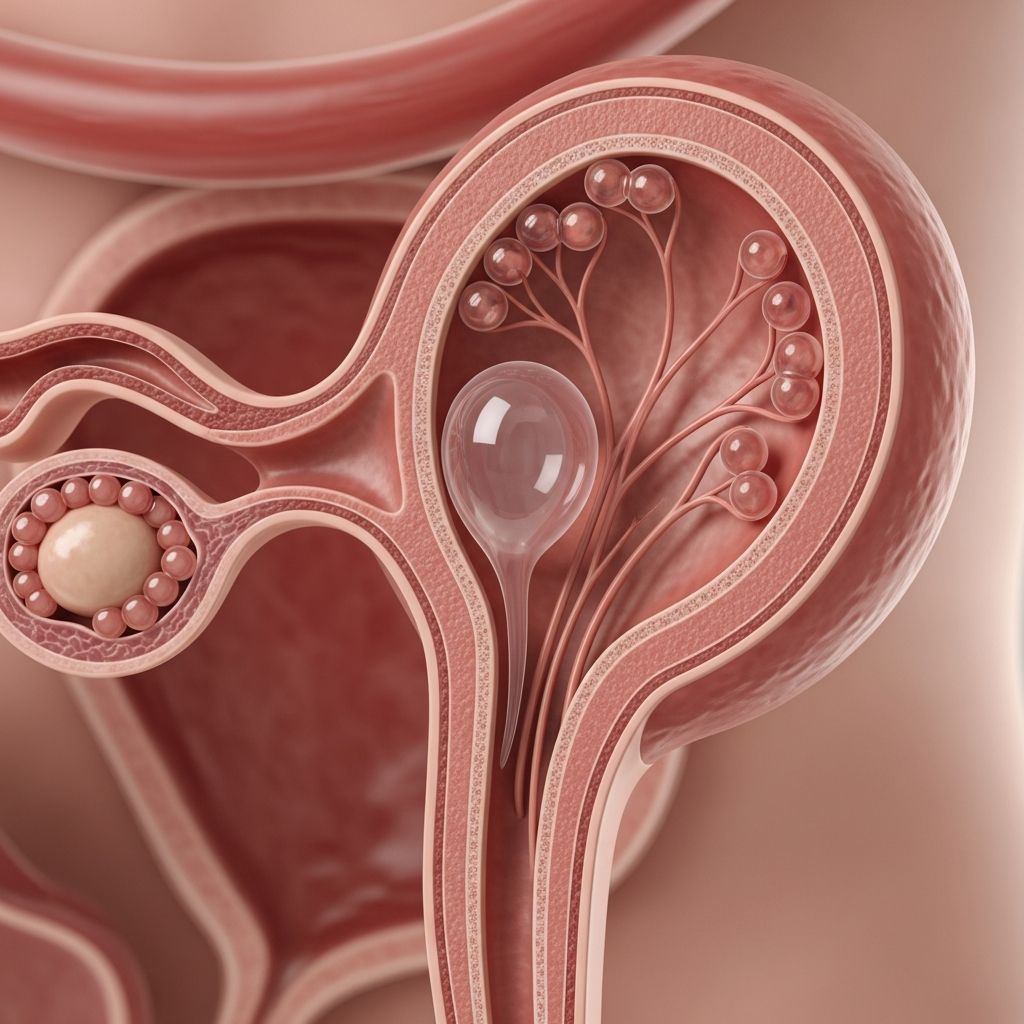
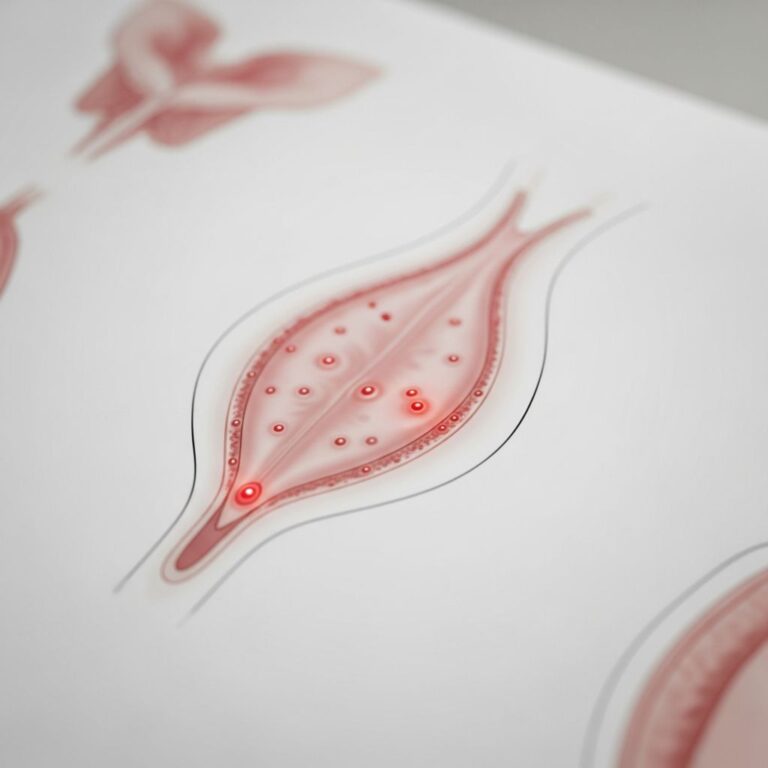
Ovarian cysts are fluid-filled sacs that develop on or within the ovaries, which are essential for egg production and hormone regulation in women. These structures are extremely common, especially during reproductive years, with up to 90% of premenopausal women experiencing them at some point. Most are harmless, resolve on their own, and cause no issues, but understanding them empowers better health decisions.
Understanding the Basics of Ovarian Cysts
The ovaries, almond-sized organs on either side of the uterus, mature and release eggs monthly while producing hormones like estrogen and progesterone. Cysts form when fluid accumulates in sacs related to these processes. While often asymptomatic, larger or problematic cysts can lead to discomfort or complications. Prevalence is high: nearly all women of childbearing age will have at least one, detected via routine exams or imaging. Postmenopausal risks drop but remain significant at around 75%.
Primary Causes Behind Ovarian Cyst Formation
Hormonal shifts during the menstrual cycle drive most cysts. In a typical cycle, follicles grow to release eggs; disruptions can cause fluid buildup. Other factors include endometriosis, where uterine-like tissue grows on ovaries, or genetic predispositions leading to dermoid cysts. Pregnancy, fertility treatments, or conditions like polycystic ovary syndrome (PCOS) can also contribute by altering hormone balance.
Common Types of Ovarian Cysts
Ovarian cysts vary by origin and characteristics. Here’s a breakdown:
- Functional Cysts: The most frequent, tied to ovulation. Follicular cysts occur if the follicle doesn’t rupture, swelling with fluid. Corpus luteum cysts form post-ovulation if the remnant sac seals and fills. These typically vanish in 1-3 cycles.
- Dermoid Cysts (Teratomas): Benign growths with odd tissues like hair or skin from embryonic cells. They grow slowly but may need removal if large.
- Endometriomas: ‘Chocolate cysts’ from endometriosis, containing thick blood. They cause pain and fertility issues.
- Cystadenomas: Surface-cell cysts, often watery or mucous-filled, that can enlarge significantly.
Functional types dominate in young women, while others may signal underlying issues.
Recognizing Symptoms and Warning Signs
Many cysts are silent, found incidentally. When symptomatic, signs include:
- Dull or sharp pelvic pain, worse during intercourse or bowel movements.
- Bloating, fullness, or abdominal pressure.
- Irregular periods, spotting, or heavy bleeding.
- Nausea, vomiting, or breast tenderness if hormone-related.
Severe indicators of rupture or torsion (twisting) demand urgent care: sudden intense pain, fever, rapid breathing, or dizziness. These emergencies affect blood flow and require immediate intervention. Cancerous cysts are rare in premenopausal women but feature rapid growth or solid elements.
Diagnostic Methods for Accurate Assessment
Diagnosis starts with a pelvic exam to feel for masses. Key tools include:
| Method | Purpose | Details |
|---|---|---|
| Transvaginal Ultrasound | Gold standard imaging | Visualizes size, shape, fluid vs. solid content. |
| Pelvic Exam | Initial detection | Checks tenderness or swelling. |
| Blood Tests | Rule out issues | Tests for pregnancy, tumor markers like CA-125. |
| MRI or CT Scan | Complex cases | Details structure if ultrasound unclear. |
| Laparoscopy | Direct view | Minimally invasive for confirmation/removal. |
Related Stories



Ultrasound differentiates simple (benign) from complex cysts. Regular monitoring tracks changes.
Treatment Strategies: From Watchful Waiting to Intervention
Management depends on cyst size, symptoms, age, and menopausal status. Simple cysts under 10cm in premenopausal women often resolve spontaneously.
- Observation: Serial ultrasounds every 4-6 weeks for asymptomatic cases.
- Medications: Hormonal birth control prevents new functional cysts. Pain relievers like ibuprofen for discomfort.
- Surgery: Laparoscopy for persistent (>8-10cm), painful, or suspicious cysts. Cystectomy preserves ovary; oophorectomy if needed. Open surgery for very large or cancerous ones.
Postmenopausal cysts need closer scrutiny due to malignancy risk.
Potential Complications and Risk Factors
Rare but serious: rupture causes internal bleeding/pain; torsion cuts blood supply, risking tissue death. Fertility impact is minimal for functional cysts but higher with endometriomas. Risk factors: hormonal imbalances, endometriosis, prior cysts. Cancer risk is low (<1% in young women) but rises postmenopause.
Lifestyle Tips and Prevention Measures
No sure prevention, but healthy habits help: maintain BMI, exercise regularly, track cycles. Oral contraceptives reduce functional cyst risk by 50-70%. Routine gynecological visits catch issues early.
When to Consult a Healthcare Professional
Seek care for persistent pelvic pain, sudden severe symptoms, abnormal bleeding, or unexplained bloating. Postmenopausal women with any cyst should evaluate promptly. Early action prevents complications.
Frequently Asked Questions (FAQs)
Do ovarian cysts affect fertility?
Most don’t; functional ones rarely do. Endometriomas may, but treatment often restores function.
Can ovarian cysts burst?
Yes, causing sharp pain. Most heal without issue, but monitor for infection.
Are ovarian cysts cancerous?
Rarely in reproductive years; imaging assesses risk.
How long do cysts last?
Functional ones: 1-3 months. Others may persist, needing intervention.
Can diet influence cysts?
No direct link, but anti-inflammatory diets support hormonal balance.
Ovarian cysts, while common, are manageable with informed care. Regular check-ups ensure peace of mind and health.
References
- Ovarian Cysts: Understanding Types, Symptoms, and Treatment Choices — Raveco. 2023. https://www.raveco.com/blog/ovarian-cysts-understanding-types-symptoms-and-treatment-choices
- The Essential Guide to Understanding Ovarian Cysts — Women’s Health Group Chicago. 2023. https://whgchicago.com/the-essential-guide-to-understanding-ovarian-cysts/
- Guidance for the Diagnosis and Management of Ovarian Cysts — Clinical Advisor. 2024-01-15. https://www.clinicaladvisor.com/features/guidance-for-the-diagnosis-and-management-of-ovarian-cysts/
- A Guide to Ovarian Cysts — Gabrielson Clinic for Women. 2025-06-05. https://www.gabrielsonclinic4women.com/blogs/womens-health-blogs/2025/06/05/a-guide-to-ovarian-cysts
- Ovarian Cysts – Symptoms and Causes — Mayo Clinic. 2024-05-10. https://www.mayoclinic.org/diseases-conditions/ovarian-cysts/symptoms-causes/syc-20353405
- Ovarian Cyst – StatPearls — NCBI Bookshelf. 2023-07-17. https://www.ncbi.nlm.nih.gov/books/NBK560541/
Similar Articles








Read full bio of Sneha Tete