Ovarian Cysts: Symptoms, Causes, Types, and Treatment
Comprehensive guide to ovarian cysts: Understand symptoms, types, causes, diagnosis, and effective treatment options for women.
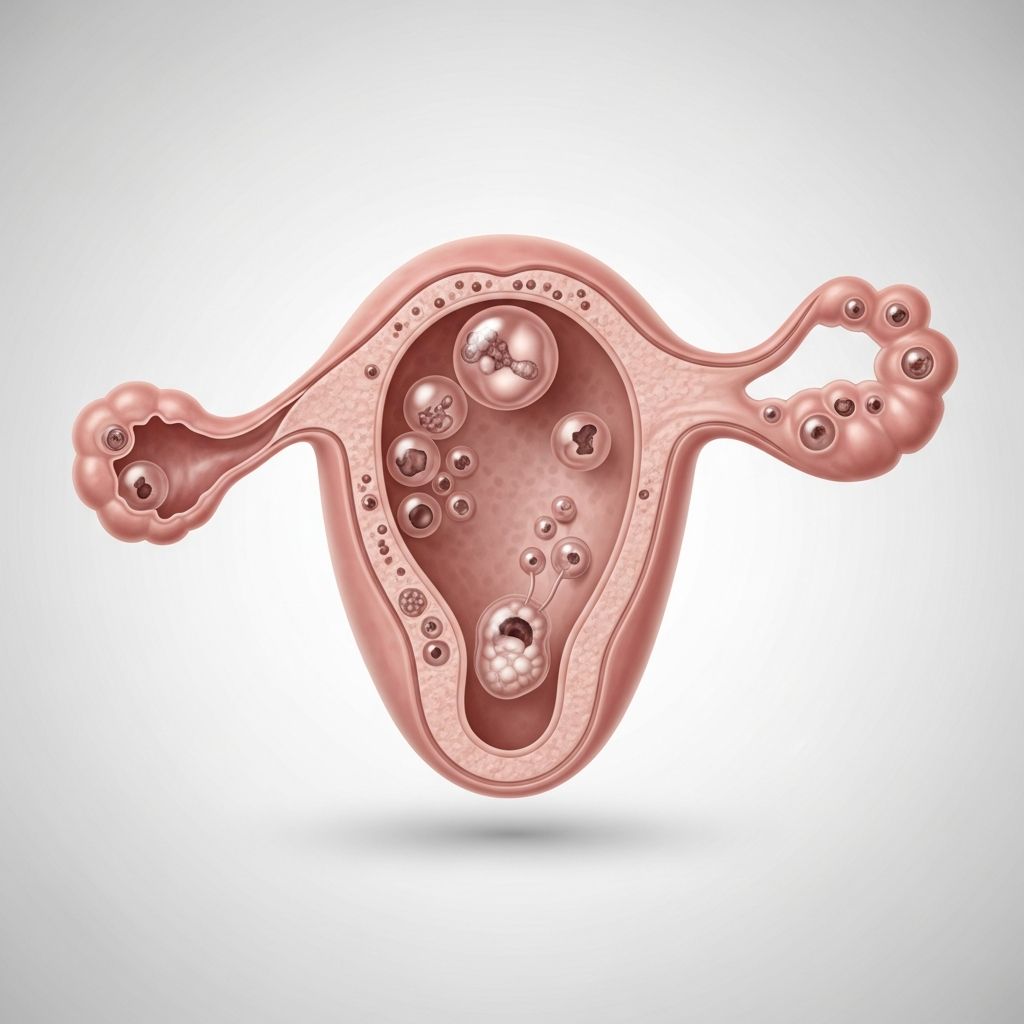
Ovarian cysts are fluid-filled sacs that develop on or within the ovaries, often as a normal part of the menstrual cycle. Most are benign, functional cysts that resolve without intervention, affecting about 10% of women, particularly during reproductive years.
What Are Ovarian Cysts?
Ovarian cysts consist of a thin-walled capsule surrounding fluid, sometimes with tissue inside, typically the size of a cherry (1-3 cm). They form in the ovaries, which produce eggs and hormones essential for reproduction. While most cysts are harmless and disappear within a few months, some can grow larger, up to 15-30 cm in rare cases, potentially causing discomfort or complications.
These sacs primarily arise from hormonal fluctuations during puberty, menstrual cycles, or perimenopause. Unlike cancerous tumors, functional cysts signal healthy ovarian activity, where follicles grow monthly to release eggs. Postmenopausal cysts warrant closer monitoring due to higher malignancy risk.
Symptoms of Ovarian Cysts
Many women with ovarian cysts experience no symptoms and discover them incidentally during routine pelvic exams or ultrasounds. When symptoms occur, they often stem from cyst size, rupture, or torsion (twisting).
- Pelvic pain: Dull, aching discomfort in the lower abdomen, worsening during menstruation, intercourse, or bowel movements.
- Menstrual irregularities: Heavy, irregular periods, spotting, or abnormal bleeding due to hormone production by the cyst.
- Abdominal bloating: Swelling, pressure, or fullness from large cysts pressing on the bladder or bowel, leading to frequent urination or constipation.
- Sudden severe pain: Indicates rupture (bursting) or torsion, accompanied by nausea, vomiting, fever, or rapid heartbeat—requires immediate medical attention.
- Other signs: Pain during activity, backache, or unexplained weight gain.
Rarely, complications like internal bleeding from rupture demand emergency care, though most resolve without lasting harm.
Types of Ovarian Cysts
Ovarian cysts fall into functional (benign, cycle-related) and pathological categories. Functional types dominate, comprising over 90% of cases in premenopausal women.
Functional Cysts
- Follicular cysts: Develop when the follicle fails to rupture and release the egg during ovulation, filling with fluid instead. Common and self-resolving within 1-3 months.
- Corpus luteum cysts: Form post-ovulation from the ruptured follicle, which produces progesterone. May contain blood and typically regress after menstruation.
- Theca lutein cysts: Linked to fertility treatments stimulating multiple follicles; they shrink post-treatment.
Other Types
- Polycystic ovary syndrome (PCOS) cysts: Multiple small cysts due to elevated androgens impairing ovulation. Not true cysts but immature follicles; associated with infertility, obesity, and metabolic issues.
- Dermoid cysts: Contain hair, skin, or teeth (teratomas); benign but may require removal if large.
- Cystadenomas: Benign growths from ovarian surface cells, filled with watery or mucous material; can grow very large.
- Endometriomas: “Chocolate cysts” from endometriosis, containing thick blood; often painful and recurrent.
Postmenopausal simple cysts over 10 cm or complex ones raise cancer concerns, though malignancy is rare (under 1%).
Causes and Risk Factors
Most cysts result from menstrual cycle disruptions. Each cycle, follicles grow under hormonal influence (estrogen, FSH). Ovulation failure leads to follicular cysts; post-ovulation bleeding creates corpus luteum types.
Related Stories



- Hormonal influences: Puberty, perimenopause, or fertility drugs like hCG increase risk.
- PCOS: Hyperandrogenism prevents follicle maturation, forming cyst clusters.
- Pregnancy: Elevated hCG sustains corpus luteum longer.
- Endometriosis or prior surgery: Adhesions promote cyst formation.
Risk is higher pre-menopause; fertility meds multiply cysts temporarily. Genetics play a minor role.
Diagnosis of Ovarian Cysts
Diagnosis starts with history and pelvic exam, feeling for masses. Ultrasound (transvaginal or abdominal) is first-line, visualizing cyst size, shape, and contents—simple (fluid-filled) vs. complex (solid areas).
Follow-up ultrasounds (6-12 weeks) track resolution. Further tests for suspicious features:
- Doppler ultrasound: Checks blood flow for torsion.
- CA-125 blood test: Elevated in cancer or inflammation; less reliable premenopause.
- CT/MRI: For unclear ultrasound results.
- Laparoscopy: Diagnostic/therapeutic keyhole surgery for confirmation.
| Test | Purpose | When Used |
|---|---|---|
| Ultrasound | Detect size, type | First-line, routine |
| CA-125 | Cancer marker | Postmenopausal/suspicious |
| Laparoscopy | Visualize/remove | Symptomatic/large cysts |
Simple cysts <5 cm in young women often need no action; larger or persistent ones prompt intervention.
Treatment Options for Ovarian Cysts
Watchful waiting suits asymptomatic functional cysts, resolving in 8-12 weeks. Pain management uses NSAIDs like ibuprofen.
- Medications: Oral contraceptives prevent new functional cysts by suppressing ovulation (not shrinking existing ones).
- Surgery: For symptomatic, large (>10 cm), persistent, or suspicious cysts.
- Laparoscopy: Minimally invasive cystectomy (removal) or oophorectomy (ovary removal if needed).
- Laparotomy: Open surgery for very large/cancerous masses.
PCOS treatment targets underlying issues: lifestyle, metformin, or fertility aids. Emergency surgery addresses rupture/torsion.
Complications of Ovarian Cysts
Complications are uncommon but serious:
- Rupture: Sudden pain; most self-limit, but heavy bleeding rare.
- Torsion: Twisting cuts blood supply; surgical emergency, risking ovarian loss.
- Infection/Hemorrhage: From bleeding cysts.
- Cancer risk: Low for functional; higher in postmenopausal complex cysts (evaluate promptly).
Prevention and Outlook
Birth control pills reduce functional cyst risk by halting ovulation. Regular gyn exams aid early detection. Prognosis excels: most resolve spontaneously, preserving fertility. Persistent cases rarely impact ovaries long-term.
Frequently Asked Questions (FAQs)
What is an ovarian cyst?
A fluid-filled sac on the ovary, usually benign and functional.
Do ovarian cysts go away on their own?
Yes, most functional cysts resolve in 1-3 months without treatment.
When should I see a doctor for an ovarian cyst?
For sudden severe pain, fever, vomiting, or irregular bleeding.
Can ovarian cysts cause infertility?
Rarely; PCOS-related ones may disrupt ovulation.
Are ovarian cysts cancerous?
Most no; simple cysts in premenopausal women are benign. Suspicious ones need evaluation.
How are ovarian cysts treated?
Watchful waiting, pain relief, birth control, or surgery if needed.
References
- Overview: Ovarian cysts – InformedHealth.org — NCBI Bookshelf. 2023 (updated). https://www.ncbi.nlm.nih.gov/books/NBK539572/
- Ovarian cysts: MedlinePlus Medical Encyclopedia — MedlinePlus (U.S. National Library of Medicine). 2024-08-13. https://medlineplus.gov/ency/article/001504.htm
Similar Articles








Read full bio of Sneha Tete