Ovarian Cysts Symptoms: 5 Key Signs, Causes, Treatment
Recognizing ovarian cyst symptoms early can prevent complications like rupture or torsion. Learn key signs, types, and when to seek help.
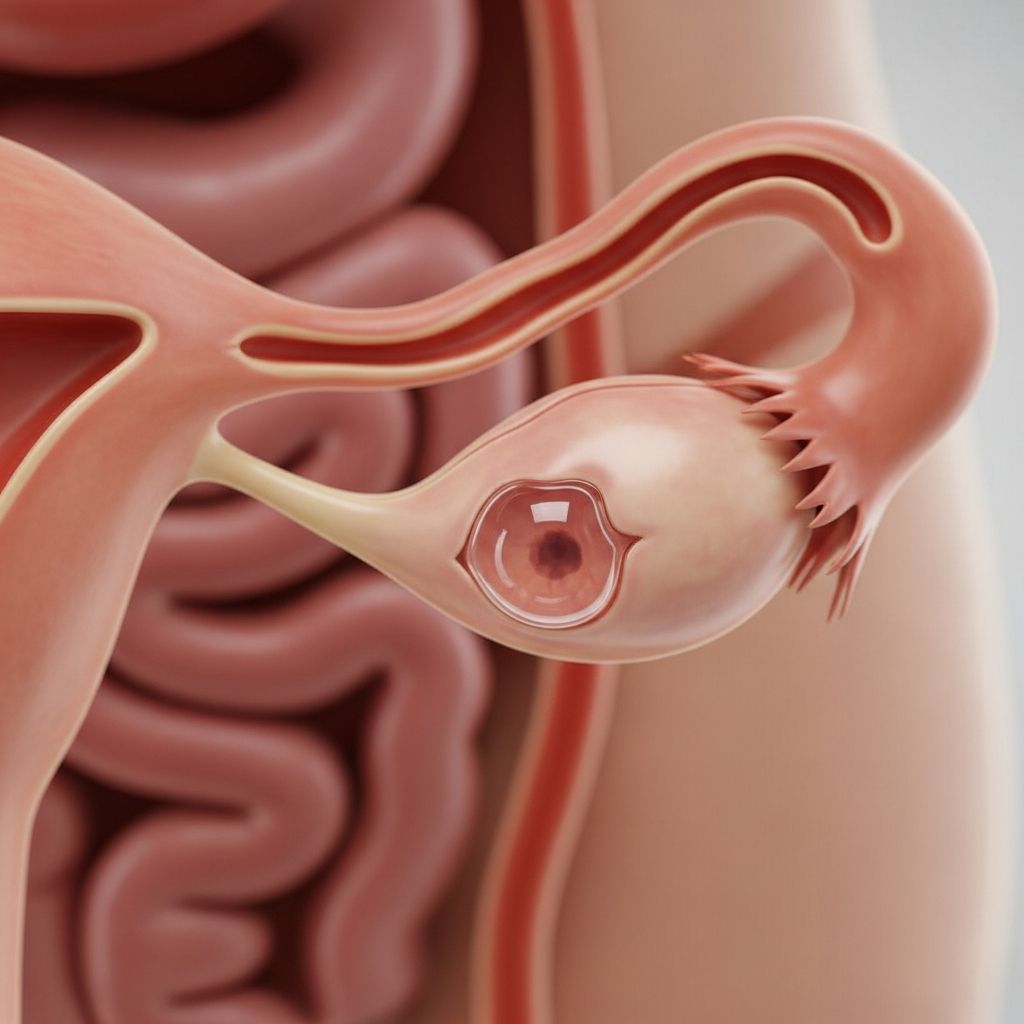
Ovarian cysts are fluid-filled sacs that develop on or inside the ovaries, most commonly during the menstrual cycle. While many are benign and resolve without treatment, they can cause discomfort or serious complications if they grow large, rupture, or twist.
What Are Ovarian Cysts?
An
ovarian cyst
is a sac filled with fluid or semisolid material that forms on or within one or both ovaries. They are extremely common, particularly in women of reproductive age who have not gone through menopause. Most ovarian cysts are functional, meaning they form as part of the normal menstrual cycle and typically disappear within 60 days without intervention. Functional cysts indicate healthy ovarian function and include follicular cysts, which develop when a follicle fails to rupture during ovulation, and corpus luteum cysts, which form after ovulation if the follicle seals off and fluid accumulates.Less commonly, other types like dermoid cysts (containing tissues such as hair or skin), cystadenomas (filled with watery or mucous material), or endometriomas (from endometriosis) can occur. These may require monitoring as they are not tied to the menstrual cycle. Rarely, less than 1% of cysts are cancerous, but features like size over 10 cm, irregular walls, solid components, or high blood flow on ultrasound raise concern.
Symptoms of Ovarian Cysts
Many ovarian cysts cause
no symptoms
and are discovered incidentally during routine pelvic exams or imaging. Symptoms arise when a cyst becomes large, bleeds, breaks open, twists (torsion), or interferes with ovarian blood supply. Common signs include:- **Pelvic pain**: Constant dull aching or sudden severe pain, often on one side of the lower abdomen.
- **Bloating or abdominal swelling**: Due to the cyst’s size pressing on surrounding tissues.
- **Pain during intercourse, bowel movements, or movement**: Sharp discomfort triggered by pressure.
- **Menstrual changes**: Pain before or after periods; spotting or irregular bleeding, more common with corpus luteum cysts.
- **Nausea, vomiting, or fullness**: Especially with rupture or torsion.
Symptoms vary by person; smaller cysts may go unnoticed, while larger ones (>5 cm) or those in polycystic ovary syndrome (PCOS) can cause ongoing bloating, irregular periods, acne, weight gain, or fertility issues.
Types of Ovarian Cysts
Ovarian cysts fall into two main categories: functional and pathological. Here’s a breakdown:
| Type | Description | Common Symptoms | Resolution |
|---|---|---|---|
| Follicular Cyst | Forms when follicle doesn’t rupture for ovulation; thin-walled, fluid-filled. | Usually none; pain if large. | Resolves in 1-3 months. |
| Corpus Luteum Cyst | Post-ovulation follicle fills with fluid/blood; may persist in pregnancy. | Pelvic pain, spotting. | Resolves by first trimester or 60 days. |
| Hemorrhagic Cyst | Bleeding into functional cyst. | Sudden sharp pain. | Often self-resolves. |
| Dermoid/Endometrioma/Cystadenoma | Non-functional; tissue-filled or from endometriosis. | Pain, bloating if large. | May need surgery. |
Functional cysts are the most prevalent and benign, while pathological ones warrant closer evaluation.
Causes and Risk Factors
**Ovulation** is the primary cause of functional cysts, driven by hormonal changes (FSH and LH surges). Other causes include endometriosis, pregnancy (corpus luteum cysts), or severe pelvic infections. Risk factors elevate chances:
- Hormonal imbalances (e.g., PCOS)
- Pregnancy
- Endometriosis
- Prior cysts or family history
- Age (peaks pre-menopause)
Anyone with ovaries can develop cysts, but they are more common before menopause.
Complications of Ovarian Cysts
Most cysts are harmless, but complications occur in some cases:
- **Rupture**: Sudden sharp pelvic pain, nausea, lightheadedness, or shoulder pain from internal bleeding. Requires immediate care if severe.
- **Ovarian Torsion**: Twisting cuts blood supply; intense pain, vomiting—emergency.
- **Hemorrhage**: Bleeding into cyst causes pain.
- **Cancer Risk**: Rare (<1%), but persistent large cysts need checking.
Related Stories



Complications like rupture or torsion are gynecological emergencies needing prompt intervention.
Diagnosis
Diagnosis starts with a pelvic exam to feel for masses.
Transvaginal ultrasound
is first-line imaging, assessing size, type, and features like solid areas or blood flow. Other tests include:- Pregnancy test (to rule out ectopic)
- Blood tests (CA-125 for cancer risk, hormones)
- CT/MRI for complex cases.
Suspicious ultrasound findings (e.g., >10 cm, papillary projections, ascites) prompt further evaluation.
Treatment Options
Treatment depends on cyst type, size, symptoms, and age.
Watchful waiting
is standard for functional cysts, with follow-up ultrasound in 6-12 weeks.- Pain management: NSAIDs like ibuprofen for discomfort.
- Hormonal birth control: Prevents new functional cysts.
- Surgery: Laparoscopy for large (>5-7 cm), persistent, or symptomatic cysts; removes cyst or ovary if needed. Emergency surgery for rupture/torsion.
Post-surgery, many feel relief from bloating. PCOS-related cysts may need lifestyle changes or medications.
When to See a Doctor
Contact a provider if you notice:
- Sudden severe pelvic pain with nausea/vomiting.
- Unusual bleeding or menstrual changes.
- Persistent bloating, appetite loss, or unexplained weight loss (possible ovarian cancer signs).
- Pain during sex or bowels.
Seek emergency care for rupture/torsion symptoms. Regular pelvic exams aid early detection.
Frequently Asked Questions (FAQs)
Do ovarian cysts go away on their own?
Yes, most functional cysts resolve within 1-2 months without treatment.
Can ovarian cysts cause infertility?
Rarely; large or PCOS-related cysts may affect ovulation, but most do not.
Are ovarian cysts cancerous?
Less than 1% are; monitoring distinguishes benign from malignant.
How are ovarian cysts different from ovarian cancer?
Cysts are usually simple/fluid-filled; cancer shows solid, irregular features on ultrasound.
Can ovarian cysts rupture during pregnancy?
Corpus luteum cysts are common in early pregnancy and usually resolve.
References
- Ovarian cysts: MedlinePlus Medical Encyclopedia — MedlinePlus (U.S. National Library of Medicine). 2023-10-01. https://medlineplus.gov/ency/article/001504.htm
- Ovarian Cysts: Causes, Symptoms, Diagnosis & Treatment — Cleveland Clinic. 2024-05-15. https://my.clevelandclinic.org/health/diseases/9133-ovarian-cysts
- Ovarian Cyst – StatPearls — NCBI Bookshelf (StatPearls Publishing). 2024-02-12. https://www.ncbi.nlm.nih.gov/books/NBK560541/
Similar Articles








Read full bio of Sneha Tete