Ovarian Dermoid Cyst: Causes, Symptoms & Treatment
Understanding ovarian dermoid cysts: benign tumors containing mature tissue like skin, hair, and teeth.
Understanding Ovarian Dermoid Cysts
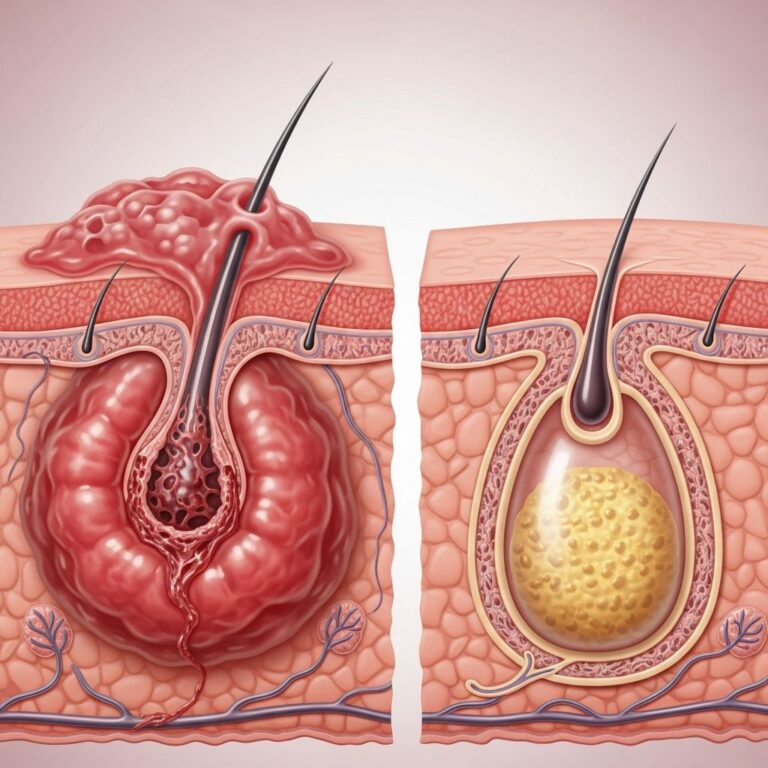
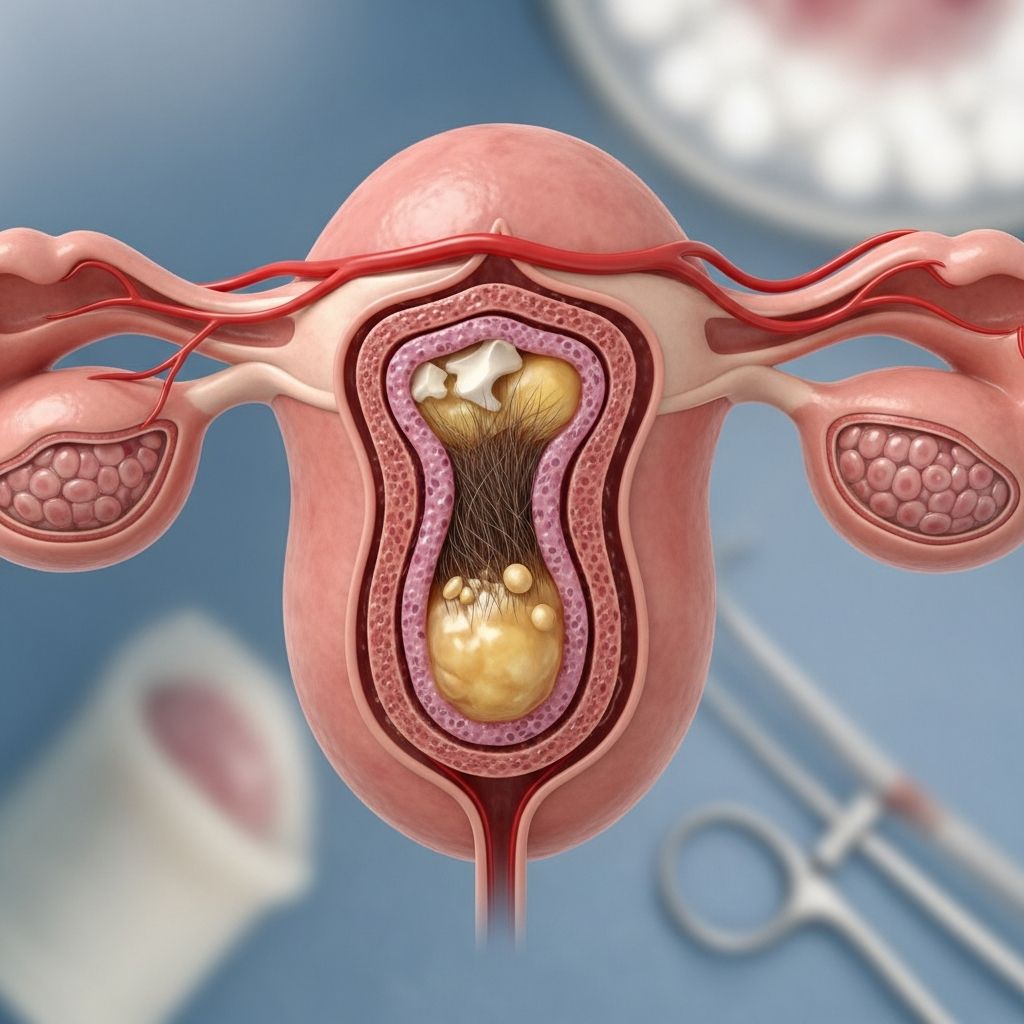
An ovarian dermoid cyst is a benign tumor that develops in the ovary and contains fully mature tissue, including skin, hair, teeth, and other body structures. These fascinating growths, also known as mature teratomas, are germ cell tumors that develop from cells present since birth. Unlike cancerous tumors, dermoid cysts are not malignant and do not pose an immediate threat to life. However, they can grow quite large and may cause complications if left untreated. Understanding what these cysts are and how they develop is essential for women who receive a diagnosis.
Dermoid cysts form from ectodermal components, meaning they originate from the outer germ layer of the embryo. These cysts typically have a slow growth rate and remain asymptomatic in many cases, which means many women discover they have one during a routine imaging procedure rather than through experiencing symptoms. The prevalence of ovarian dermoid cysts makes them one of the most commonly encountered benign ovarian tumors among women of reproductive age.
Causes and Risk Factors
The exact cause of ovarian dermoid cysts involves embryological development. These cysts arise from primordial germ cells, which are present in the ovaries from birth. During fetal development, these cells can undergo abnormal differentiation, leading to the formation of teratomas that contain various types of mature tissue. This is why dermoid cysts are sometimes referred to as “embryonic tumors” — they represent an abnormal developmental process that occurred before or shortly after birth.
Unlike functional ovarian cysts that develop during the menstrual cycle, dermoid cysts are not hormonally driven. They develop independently of menstrual function and can persist throughout a woman’s reproductive years and beyond. The risk factors for developing ovarian dermoid cysts are not well-defined, as these tumors develop early in life due to embryological processes rather than lifestyle factors or hormonal influences.
Symptoms and Detection
Many women with ovarian dermoid cysts experience no symptoms at all, which is why these cysts are frequently discovered incidentally during routine imaging procedures. When symptoms do occur, they may include pelvic pain, abdominal bloating, or a feeling of fullness in the lower abdomen. In some cases, large cysts can compress surrounding organs, leading to more noticeable discomfort.
The most common symptom associated with dermoid cysts occurs when the cyst becomes twisted, a condition known as ovarian torsion. This complication can cause sudden, severe pelvic pain that requires immediate medical attention. Additionally, if a dermoid cyst ruptures, its contents can spill into the abdominal cavity, potentially causing chemical peritonitis, an inflammatory response that requires surgical intervention.
Diagnostic Imaging and Identification
Dermoid cysts have a distinctive appearance on imaging studies, making them relatively easy for experienced professionals to identify. The most common diagnostic method is transvaginal ultrasound, which provides excellent visualization of pelvic organs. Experienced sonographers can identify dermoid cysts with nearly 100% accuracy based on their characteristic imaging appearance.
Related Stories



Imaging Methods
Several imaging techniques can be used to diagnose ovarian dermoid cysts:
Transvaginal Ultrasound: This is the preferred initial imaging method due to its high sensitivity and specificity. The ultrasound probe is inserted into the vagina, allowing for detailed visualization of the ovaries and any cysts present. Dermoid cysts typically appear as complex masses with mixed echogenicity.
Pelvic Ultrasound: A transabdominal approach can also be used, though it may provide less detailed images than transvaginal ultrasound. This method can be particularly useful in premenopausal women or when additional imaging of the upper abdomen is needed.
Computed Tomography (CT) Scan: CT imaging can provide detailed cross-sectional views of the cyst and surrounding structures. This method is particularly useful for very large cysts or when assessing the relationship between the cyst and adjacent organs.
Magnetic Resonance Imaging (MRI): MRI offers excellent soft tissue contrast and can provide additional detail about the composition and structure of the cyst. This imaging method is less commonly used as an initial diagnostic tool but may be helpful when ultrasound findings are inconclusive or when more information about the cyst’s characteristics is needed.
When Treatment is Necessary
Not all ovarian dermoid cysts require removal. Your healthcare provider will consider several factors when determining whether treatment is necessary. The decision to treat a dermoid cyst depends on its size, symptoms, and potential for complications.
Indications for Treatment
Your provider may recommend removing your dermoid cyst if:
– The cyst is large (approximately greater than 5 centimeters in diameter)
– It is causing symptoms such as pain, bloating, or pressure
– There is concern that it may rupture or twist
– Imaging findings suggest possible malignancy
– The cyst contains features that require further evaluation
If your cyst does not meet these criteria, your healthcare provider may recommend monitoring it with periodic imaging rather than immediate surgical removal.
Surgical Treatment Options
When surgical removal is necessary, several options are available. Your healthcare provider will discuss which approach is best suited for your specific situation.
Laparoscopic Surgery (Keyhole Surgery)
Laparoscopy is the most common surgical approach for removing ovarian dermoid cysts. This minimally invasive procedure involves making small, strategic incisions in the abdomen. The surgeon inserts a laparoscope, which is a thin tube with a camera attached, through an incision near the belly button. This allows visualization of the ovaries and surrounding structures.
During the procedure, the surgeon inflates the abdominal cavity with carbon dioxide gas, which provides better visualization and working space. Additional small incisions, typically less than half an inch long, are made in the lower abdomen to allow insertion of surgical instruments. The cyst is carefully removed through one of these incisions, and the surgeon may drain fluid from large cysts to facilitate removal. Once the procedure is complete, the abdomen is deflated, and the incisions are closed with dissolvable stitches.
Laparoscopic surgery offers several advantages, including reduced pain, faster recovery, shorter hospital stays, and smaller scars compared to open surgery. Most patients can return to normal activities within 2 to 4 weeks.
Laparotomy (Open Surgery)
Your provider may recommend laparotomy, which involves a larger abdominal incision, if your cyst is especially large, if you have cysts on both ovaries, or if there is concern about malignancy. This traditional open surgery approach provides the surgeon with direct access to the surgical field and better control in complex cases.
After the cyst is removed through the larger incision, the surgeon closes the abdominal wall and skin with stitches. Recovery from laparotomy typically takes longer than laparoscopic surgery, usually 4 to 6 weeks, and involves more postoperative pain and a more visible scar.
Surgical Considerations and Risks
While surgery is an effective treatment for ovarian dermoid cysts, it is important to understand potential complications. The most significant risk during laparoscopic surgery is rupture of the cyst, which can occur in approximately 60% of cystectomy procedures. When a dermoid cyst ruptures, its contents can spill into the abdominal cavity, potentially causing chemical peritonitis — an inflammatory response triggered by the cyst’s contents.
To minimize this risk, surgeons may use specialized techniques such as placing the cyst in an endobag (a small surgical sac) before removal. This approach has been shown to reduce spillage by approximately 43% and may shorten operative time. Your surgeon will discuss the approach most appropriate for your specific situation.
Other potential complications of ovarian surgery include infection, bleeding, and damage to adjacent structures. However, these complications are relatively rare when surgery is performed by experienced gynecologic surgeons.
Recovery After Surgery
Recovery following laparoscopic surgery is typically rapid. Most patients experience mild to moderate discomfort that can be managed with over-the-counter pain medications or prescribed analgesics. You may notice some shoulder pain caused by the residual carbon dioxide gas in your abdomen — this typically resolves within a few days.
Activity restrictions typically apply for the first 2 to 4 weeks after laparoscopic surgery. During this time, you should avoid heavy lifting, strenuous exercise, and sexual intercourse. Your surgeon will provide specific instructions based on your individual situation.
Recovery after laparotomy requires a longer healing period, typically 4 to 6 weeks. During this time, activity restrictions are more stringent, and you may experience more significant discomfort. Most patients can resume normal activities within 6 to 8 weeks after open surgery.
Prognosis and Recurrence
The prognosis for ovarian dermoid cysts is excellent. Surgery is an effective cure, with very low recurrence rates. Ovarian dermoid cysts grow back after removal in only 3% to 4% of cases. This means that once a cyst has been successfully removed, the likelihood of it returning is minimal.
Since dermoid cysts are benign and not cancerous, they do not progress to malignancy. The primary concern is managing complications such as rupture or torsion, and ensuring that any recurrent cysts are identified and treated appropriately during follow-up imaging.
Monitoring and Follow-Up Care
If your healthcare provider recommends monitoring your cyst rather than immediate removal, you will typically be scheduled for follow-up ultrasound imaging at regular intervals. The frequency of imaging depends on the cyst’s size and characteristics. During these follow-up appointments, your provider will assess whether the cyst has changed in size or appearance and determine whether treatment has become necessary.
After surgical removal of a dermoid cyst, follow-up imaging may be recommended to confirm successful removal and to rule out any complications. Most patients do not require long-term surveillance after successful surgical treatment.
Frequently Asked Questions
Q: What is the difference between an ovarian dermoid cyst and a regular ovarian cyst?
A: Regular ovarian cysts, such as functional cysts, are typically fluid-filled and often develop and resolve during the menstrual cycle. Dermoid cysts, however, contain mature tissue including skin, hair, teeth, and other structures. They are developmental in origin and do not arise from menstrual cycle activity.
Q: Can an ovarian dermoid cyst become cancerous?
A: No, ovarian dermoid cysts are benign tumors and do not become cancerous. However, in very rare cases (less than 1%), a dermoid cyst may become infected, requiring antibiotic treatment or surgical intervention.
Q: Will a dermoid cyst affect my fertility?
A: A small, asymptomatic dermoid cyst is unlikely to affect fertility. However, a large cyst or one that has damaged ovarian tissue may impact egg production. If you are concerned about fertility, discuss this with your healthcare provider.
Q: How long does recovery take after laparoscopic removal of a dermoid cyst?
A: Most patients can resume light activities within 1 to 2 weeks and return to normal activities within 2 to 4 weeks. Full recovery typically occurs within 4 to 6 weeks, though this varies by individual.
Q: Will my insurance cover the cost of cyst removal?
A: Insurance coverage for ovarian cyst removal depends on your specific policy and whether the cyst is causing symptoms or complications. Contact your insurance provider for details about coverage in your situation.
Q: What should I do if I experience sudden severe pelvic pain?
A: Sudden severe pelvic pain may indicate ovarian torsion or cyst rupture and requires immediate medical attention. Visit an emergency room or call emergency services if you experience acute, severe pain in your lower abdomen or pelvis.
When to Contact Your Healthcare Provider
Contact your healthcare provider if you experience persistent pelvic pain, notice changes in your menstrual cycle, or have concerns about an ovarian cyst diagnosis. Seek immediate medical attention if you experience sudden, severe pelvic pain, heavy vaginal bleeding, fever accompanied by abdominal pain, or signs of shock such as dizziness or rapid heartbeat. These symptoms may indicate a serious complication requiring emergency care.
References
- Removal of an atypical ovarian dermoid cyst: a case report — National Center for Biotechnology Information (NCBI). 2022-08-15. https://pmc.ncbi.nlm.nih.gov/articles/PMC9352422/
- Ovarian Dermoid Cyst: Causes, Symptoms & Treatment — Cleveland Clinic. 2024. https://my.clevelandclinic.org/health/diseases/23931-ovarian-dermoid-cyst
- Ovarian Cystectomy: Purpose, Procedure, Risks & Recovery — Cleveland Clinic. 2024. https://my.clevelandclinic.org/health/treatments/24427-ovarian-cystectomy
- Incidental ovarian cysts — Cleveland Clinic Journal of Medicine. 2013. https://www.ccjm.org/content/ccjom/80/8/503.full.pdf
- Benign Adnexal Masses — Merck Manuals Professional Version. 2024. https://www.merckmanuals.com/professional/gynecology-and-obstetrics/miscellaneous-gynecologic-disorders/benign-adnexal-masses
- Get Ovarian Germ Cell Tumor Treatment — Cleveland Clinic. 2024. https://my.clevelandclinic.org/services/ovarian-germ-cell-tumor-treatment
- Ovarian Cysts: Causes, Symptoms, Diagnosis & Treatment — Cleveland Clinic. 2024. https://my.clevelandclinic.org/health/diseases/9133-ovarian-cysts
Similar Articles








Read full bio of Sneha Tete