Ovarian Endometrioma: Chocolate Cysts Explained
Understanding ovarian endometriomas: causes, symptoms, diagnosis, and treatment options.
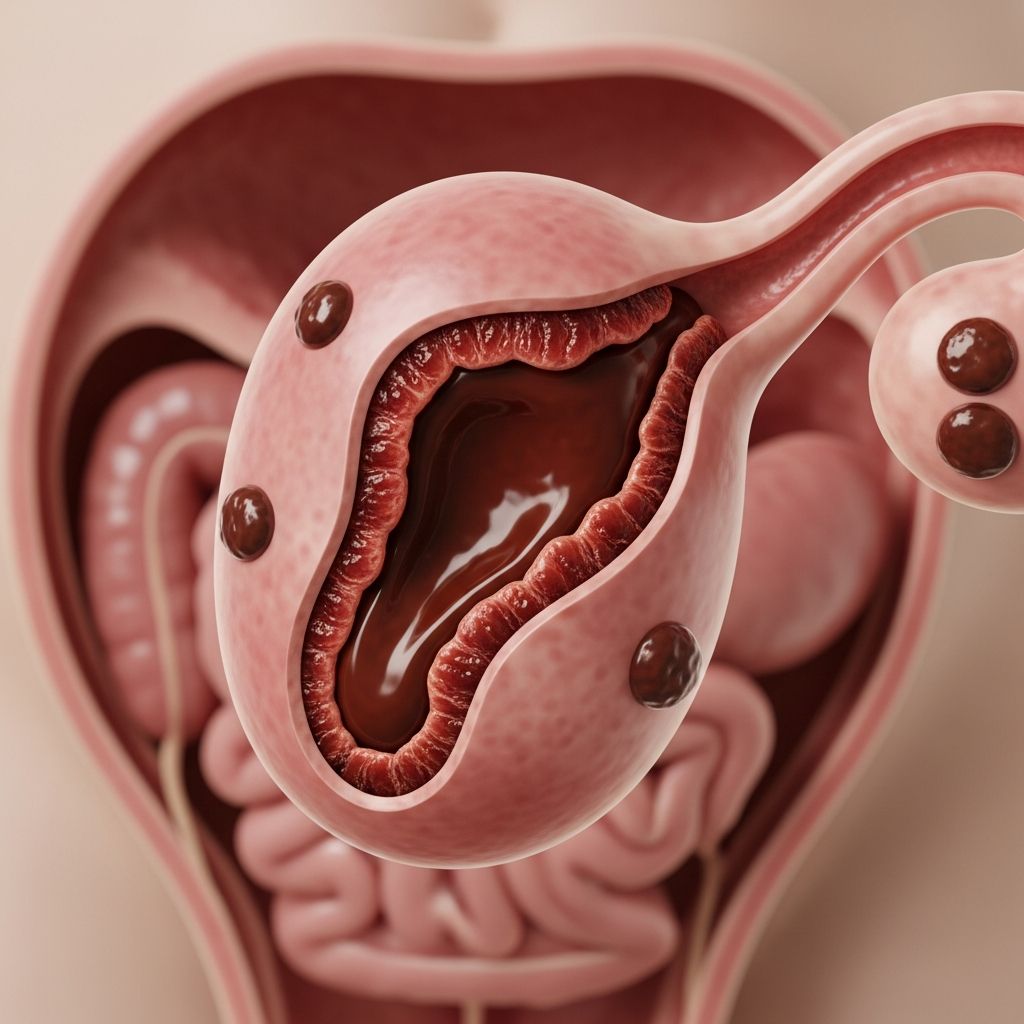
Ovarian endometriomas, commonly known as “chocolate cysts,” are fluid-filled cysts that develop on the ovaries as a manifestation of endometriosis. These cysts contain old blood that has oxidized, giving them their characteristic dark brown appearance, which inspired the nickname “chocolate cyst.” Understanding ovarian endometriomas is essential for women experiencing pelvic pain, fertility challenges, or those who have received a diagnosis of endometriosis. This condition affects women of reproductive age and requires proper medical evaluation and personalized treatment planning to manage symptoms effectively and preserve reproductive health.
What Is an Ovarian Endometrioma?
An ovarian endometrioma is a benign, estrogen-dependent cyst that forms when endometrial-like tissue implants on the ovary. Unlike simple ovarian cysts that contain fluid, endometriomas accumulate menstrual blood and debris over time. This accumulated material oxidizes, creating the distinctive brown or dark appearance that characterizes these cysts. Endometriomas are considered a hallmark manifestation of endometriosis, a chronic condition where tissue similar to the uterine lining grows outside the uterus in abnormal locations.
Endometriomas typically range in size from small lesions barely visible on imaging to large masses several inches in diameter. The presence of an ovarian endometrioma indicates that a woman has endometriosis, though not all women with endometriosis develop endometriomas. These cysts can occur on one or both ovaries and may increase in size over time, particularly during menstrual cycles when hormonal stimulation triggers growth of endometrial tissue.
Symptoms and Signs
Many women with ovarian endometriomas experience significant symptoms that impact their quality of life, though the severity varies considerably among individuals. Common symptoms include:
- Severe pelvic pain, particularly during menstruation
- Chronic pelvic pain that persists throughout the menstrual cycle
- Pain during sexual intercourse (dyspareunia)
- Pain during bowel movements or urination
- Heavy or irregular menstrual bleeding
- Infertility or difficulty conceiving
- Fatigue and general malaise
- Gastrointestinal symptoms such as bloating, diarrhea, or constipation
In some cases, especially when an endometrioma ruptures or leaks, women may experience acute abdominal pain that requires emergency medical attention. The rupture can cause peritoneal irritation and sudden severe discomfort. However, some women discover endometriomas incidentally during imaging performed for unrelated reasons, finding they have no symptoms or only mild discomfort.
Causes and Risk Factors
The exact cause of ovarian endometriomas remains incompletely understood, though multiple theories exist to explain their formation. The leading theory, known as the retrograde menstruation hypothesis, suggests that menstrual tissue flows backward through the fallopian tubes into the pelvic cavity, where it implants on the ovaries and other pelvic structures. Over time, this ectopic endometrial tissue becomes organized and develops blood supply, eventually forming cysts filled with accumulated menstrual blood.
Several factors increase a woman’s risk of developing ovarian endometriomas. These include a family history of endometriosis, younger reproductive age (endometriomas most commonly occur in women of reproductive age), prolonged menstrual cycles, heavy menstrual bleeding, and an early age at menarche. Additionally, women who have not had pregnancies may face elevated risk, as pregnancy can interrupt the progression of endometriosis. Hormonal factors, particularly elevated estrogen levels and altered progesterone receptor expression, contribute significantly to the development and growth of endometriomas.
Related Stories



Diagnosis and Imaging
Diagnosing ovarian endometriomas involves a combination of clinical evaluation, imaging studies, and sometimes surgical confirmation. Healthcare providers begin with a thorough medical history and physical examination. During a pelvic exam, especially when an endometrioma is large, a provider may detect an ovarian mass. However, definitive diagnosis typically requires imaging studies that visualize the cyst’s characteristics.
Imaging Modalities
Transvaginal ultrasound serves as the primary imaging tool for diagnosing ovarian endometriomas. This specialized ultrasound allows providers to visualize the ovaries in detail and identify the typical appearance of endometriomas, which often appear as homogeneous, low-level echogenic masses with characteristic features that distinguish them from other ovarian cysts. The procedure is minimally invasive and provides excellent visualization of ovarian pathology.
Magnetic resonance imaging (MRI) offers superior soft tissue contrast and helps confirm endometriomas, particularly in complex cases or when additional endometriosis involvement needs assessment. MRI provides detailed information about the extent of disease and helps surgeons plan surgical approaches more effectively.
Definitive diagnosis requires histopathological examination of cyst tissue. This typically occurs during surgical intervention when a surgeon removes the cyst or a sample of it during laparoscopy. The tissue is sent to a pathology laboratory where a pathologist examines it microscopically to confirm the presence of endometrial glands and stroma characteristic of endometriomas.
Diagnostic Laparoscopy
Laparoscopy remains the gold standard for definitive diagnosis of endometriomas and other endometriosis. During this minimally invasive surgical procedure, the surgeon makes tiny incisions in the abdomen and inserts a laparoscope, a thin camera tube that allows direct visualization of pelvic organs. The surgeon can directly visualize the endometrioma, assess its size and appearance, and determine the extent of surrounding endometriosis. If necessary, the surgeon can perform a biopsy by removing a small tissue sample for laboratory examination or remove the cyst entirely during the same procedure.
Treatment Options
Treatment decisions for ovarian endometriomas depend on multiple factors including the patient’s age, symptom severity, desire for future pregnancy, cyst size, and overall health status. There is currently no cure for endometriomas, but various management strategies can effectively control symptoms and preserve reproductive function.
Conservative Medical Management
Nonsteroidal anti-inflammatory drugs (NSAIDs) represent the first-line treatment for pain management in women with endometriomas. Medications such as ibuprofen, naproxen, and prescription NSAIDs can reduce inflammatory cytokines and provide pain relief. However, NSAIDs work better for some women than others, and long-term use carries potential gastrointestinal and cardiovascular risks.
Hormonal contraceptives suppress ovulation and reduce menstrual flow, thereby decreasing stimulation of endometrial tissue and potentially slowing endometrioma progression. Continuous or extended-cycle oral contraceptives, progestin-only methods, and intrauterine devices (IUDs) can all provide symptom relief. These medications do not eliminate existing endometriomas but may prevent growth and reduce associated pain.
Progestin therapy, including progesterone-releasing IUDs, oral progestins, or progestin injections, directly opposes estrogen effects and reduces endometrial proliferation. Many women experience significant symptom improvement with progestin-based treatments, making them a popular option for symptom management.
Surgical Treatment
Surgical intervention becomes necessary when conservative management fails to control symptoms, when cysts are large and carry rupture risk, or when fertility preservation or enhancement is desired. Modern surgical approaches emphasize minimally invasive techniques that preserve ovarian tissue and reproductive capacity.
Ovarian cystectomy represents the preferred surgical approach for women desiring fertility preservation. During this procedure, the surgeon carefully removes the endometrioma while preserving healthy ovarian tissue. Laparoscopic cystectomy allows visualization and precise removal with minimal damage to surrounding ovarian parenchyma. Studies demonstrate that ovarian cystectomy improves fertility outcomes in women with endometrioma-related infertility, though the procedure carries small risks including ovarian injury and decreased ovarian reserve.
Unilateral salpingo-oophorectomy (USO) involves removal of one ovary and the fallopian tube on the affected side. This approach may be considered in older women or those at higher risk for ovarian cancer, particularly when endometriomas are large or recurrent. The procedure provides definitive treatment for endometriomas on the affected ovary but results in permanent loss of ovarian function on that side.
Hysterectomy with bilateral salpingo-oophorectomy represents the most definitive surgical treatment but is reserved for women who have completed childbearing or have severe disease refractory to other treatments. This procedure removes the uterus, fallopian tubes, and ovaries, thereby eliminating the primary source of endometrial tissue and preventing recurrence.
Managing Endometriomas and Fertility
Ovarian endometriomas significantly impact fertility through multiple mechanisms. The presence of endometriomas correlates with reduced fertility and increased difficulty conceiving. Women with endometriomas undergoing assisted reproductive technology (ART) face particular challenges, as endometriomas may compromise egg quality, reduce ovarian responsiveness to hormonal stimulation, and create an inflammatory pelvic environment hostile to embryos.
For women with endometriomas seeking pregnancy, surgical removal before attempting conception or undergoing fertility treatment often improves outcomes. Ovarian cystectomy performed before ART cycles may enhance pregnancy rates by removing the inflammatory focus and improving ovarian function. However, the decision to operate must balance potential benefits against surgical risks, including possible ovarian damage.
Women with endometriomas may require evaluation and treatment by both gynecologic and reproductive endocrinology specialists to optimize fertility prospects. Combining surgical management with appropriate medical therapy and assisted reproduction techniques when necessary provides the best chance of successful pregnancy.
Recurrence and Long-Term Management
Endometriomas frequently recur even after surgical removal, with recurrence rates ranging from 10% to 40% within five years of surgery, depending on treatment approach and subsequent management. Continued hormonal suppression after surgery may reduce recurrence risk compared to surgery alone. Long-term follow-up care is essential for women with endometriomas to monitor for symptom recurrence, monitor cyst size on imaging, and adjust treatment as needed.
Regular communication with healthcare providers allows for timely intervention if symptoms worsen or new concerns develop. Some women benefit from periodic imaging to track endometrioma size and stability, though surveillance intervals depend on individual circumstances and symptom status.
Frequently Asked Questions
Q: Is an ovarian endometrioma the same as endometriosis?
A: An endometrioma is a manifestation of endometriosis, specifically when endometrial tissue grows on the ovary. However, not all women with endometriosis develop endometriomas, and endometriosis can involve other pelvic structures without forming ovarian cysts.
Q: Can an endometrioma rupture, and is it dangerous?
A: Yes, endometriomas can rupture or leak, causing acute abdominal pain and peritoneal irritation. While rupture is not typically life-threatening, it requires medical evaluation and may necessitate emergency surgery. Symptoms include sudden severe pelvic pain, abdominal tenderness, and sometimes fever.
Q: Will removing an endometrioma guarantee pregnancy?
A: Removing an endometrioma improves fertility prospects, particularly when performed before attempting conception, but does not guarantee pregnancy. Surgical removal addresses one factor affecting fertility but does not correct all endometriosis-related reproductive complications.
Q: What is the best treatment option for an asymptomatic endometrioma?
A: Asymptomatic endometriomas discovered incidentally may be monitored with periodic imaging rather than immediately surgically removed. However, treatment decisions depend on size, risk of rupture, age, fertility plans, and individual preferences. Discussion with a healthcare provider helps determine the optimal approach.
Q: How long does recovery take after laparoscopic endometrioma removal?
A: Most women recover from laparoscopic ovarian cystectomy within 1-2 weeks, though return to vigorous exercise and heavy lifting may require 4-6 weeks. Minimally invasive laparoscopic techniques significantly reduce recovery time compared to open surgical approaches.
When to Seek Medical Care
Women experiencing severe pelvic pain, particularly pain during menstruation that interferes with daily activities, should seek medical evaluation. Those with difficulty conceiving, especially in the context of known endometriosis, should consult reproductive specialists. Sudden acute abdominal pain in women with known endometriomas requires prompt medical attention to rule out rupture. Additionally, women with a family history of endometriosis experiencing pelvic symptoms should pursue appropriate diagnostic evaluation.
References
- Endometriosis – Causes, Symptoms, Diagnosis & Treatment — Cleveland Clinic. 2024. https://my.clevelandclinic.org/health/diseases/10857-endometriosis
- Endometriosis — Mayo Clinic. 2024. https://www.mayoclinic.org/diseases-conditions/endometriosis/symptoms-causes/syc-20354656
- Endometriosis – Gynecology and Obstetrics — Merck Manuals. 2024. https://www.merckmanuals.com/professional/gynecology-and-obstetrics/endometriosis/endometriosis
- Ovarian endometrioma: guidelines for selection of cases for surgical and non-surgical treatment — International Journal of Fertility & Sterility. 2012. https://pubmed.ncbi.nlm.nih.gov/23446864/
- Get Endometriosis Treatment — Cleveland Clinic. 2024. https://my.clevelandclinic.org/services/endometriosis-treatment
- Private Endometriosis Treatment — Cleveland Clinic London. 2024. https://clevelandcliniclondon.uk/clinical-institutes/digestive-disease-surgery/endometriosis
Similar Articles








Read full bio of Sneha Tete