Ovarian Torsion: Causes, Symptoms, Diagnosis & Treatment
Understanding ovarian torsion: A medical emergency requiring immediate treatment to save your ovary.
What is Ovarian Torsion?
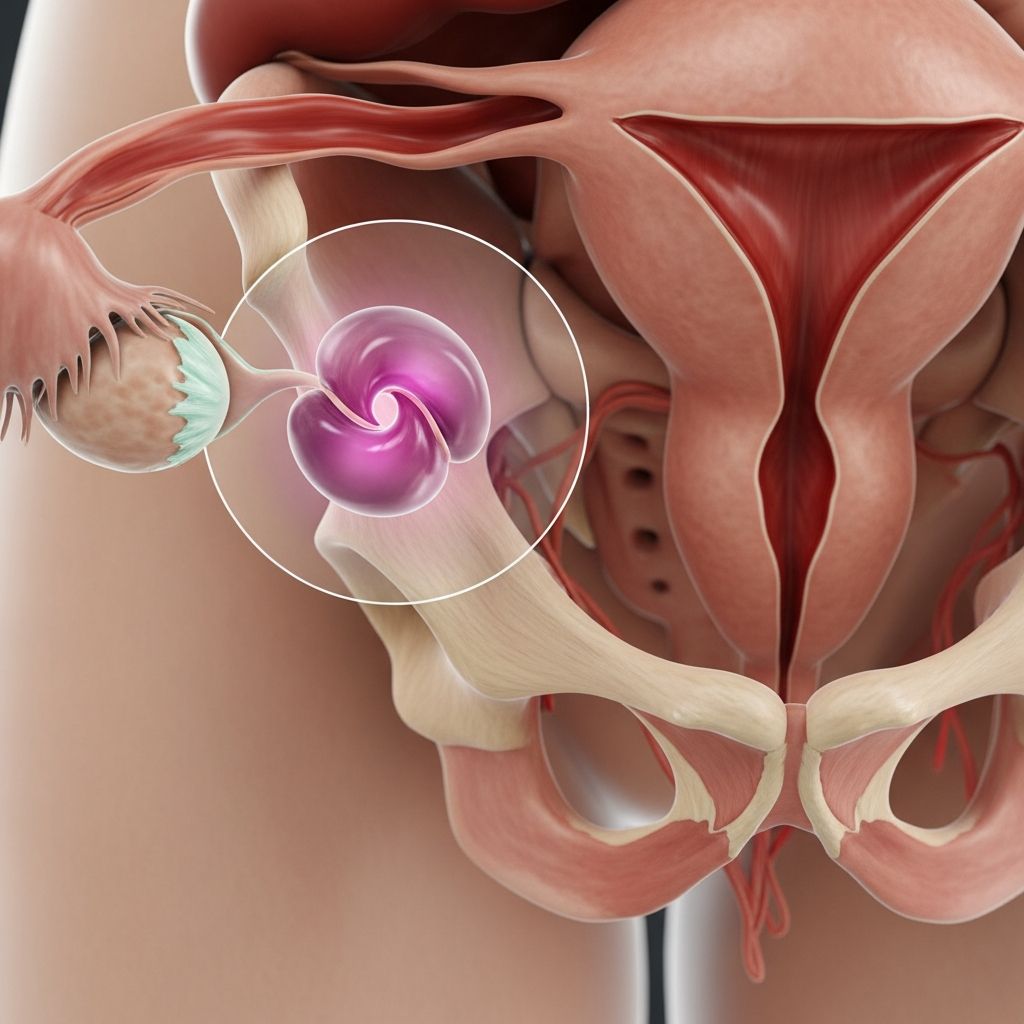
Ovarian torsion is a medical emergency that occurs when an ovary twists on the ligaments that support it. The term “torsion” literally means to twist, and this is precisely what happens when ovarian torsion develops. This condition can occur in women of reproductive age and requires immediate medical attention to prevent serious complications.
When an ovary twists, the blood vessels supplying it can become compressed or completely cut off. Without prompt emergency intervention, the tissue in the affected ovary may die, potentially resulting in the loss of the ovary. Understanding this condition, recognizing its symptoms, and seeking immediate care are critical to preserving ovarian function and fertility.
What Causes Ovarian Torsion?
Ovarian torsion occurs when something disrupts the delicate balance that keeps your ovary in its proper position. Several factors can contribute to the development of this condition.
The Role of Ovarian Cysts
The most common cause of ovarian torsion is the presence of a large ovarian cyst. These cysts add extra weight to the ovary, causing it to shift or twist on the ligament holding it in place. Most people who develop ovarian torsion have large cysts that create an imbalance in the ovary’s positioning, making twisting more likely to occur.
Other Causes
While less common, other factors can also precipitate ovarian torsion. Cancerous tumors or other solid masses on the ovary can shift its weight and cause the tissue to twist. Additionally, benign germ cell tumors and other growths can increase the risk of torsion. Sometimes, a woman’s physical movements, such as those during intercourse or vigorous physical activity, can trigger torsion symptoms. However, it’s important to note that ovarian torsion doesn’t always require a specific trigger event to occur.
Risk Factors for Ovarian Torsion
Several risk factors can increase the likelihood of developing ovarian torsion:
- Presence of large ovarian cysts, particularly complex or dermoid cysts
- History of ovarian cysts or previous torsion
- Polycystic ovary syndrome (PCOS)
- Fertility treatments that stimulate ovarian growth
- Rapid ovarian growth during puberty or after hormonal treatments
- Physical activity or trauma to the abdomen
- Sexual intercourse
- Pregnancy or early postpartum period
Recognizing Symptoms of Ovarian Torsion
The hallmark symptom of ovarian torsion is sudden, severe abdominal pain. This pain typically occurs without warning and can be quite intense. Along with severe pain, patients may experience a range of accompanying symptoms that require immediate medical attention.
Primary Symptoms
The most obvious sign of ovarian torsion is acute onset of severe abdominal or pelvic pain. This pain is often described as sharp and intense, distinguishing it from milder abdominal discomfort. Women may also experience nausea and vomiting, which can accompany the severe pain. Some patients report experiencing symptoms after sexual intercourse or physical activity, though symptoms can occur spontaneously.
Related Stories



Intermittent Torsion
In some cases, women may experience intermittent ovarian torsion, where the ovary twists and then untwists on its own. This creates an alternating pattern of severe pain followed by periods without symptoms. Some women with intermittent torsion may wait several months before seeking a diagnosis, experiencing recurring episodes of pain that come and go. However, this unpredictable pattern should never be ignored, as the condition may eventually lead to permanent twisting requiring emergency treatment.
Diagnosis of Ovarian Torsion
Diagnosing ovarian torsion requires a combination of clinical evaluation and imaging studies. Because this condition is a medical emergency, timely and accurate diagnosis is essential.
Initial Assessment
Your healthcare provider will begin by taking a detailed history of your symptoms, including when the pain started, its severity, and any associated symptoms like nausea or vomiting. They will perform a thorough pelvic examination to check for tenderness, masses, or other abnormalities in your abdomen and pelvis.
Imaging Studies
Pelvic ultrasound is the primary imaging tool used to diagnose ovarian torsion. During this procedure, a transducer is moved over your lower abdomen to create images of your ovaries. The ultrasound can reveal whether an ovary is enlarged and may show an absent or reversed blood flow to the affected ovary, which is a key indicator of torsion.
Doppler imaging is particularly useful in detecting torsion, as it can assess blood flow to the ovary. When venous flow is absent on Doppler ultrasound, torsion can be diagnosed. However, it’s important to note that the presence of some blood flow doesn’t rule out torsion, since torsion can be intermittent.
Computed tomography (CT) imaging of the abdomen and pelvis may be ordered to further evaluate any adnexal masses and help exclude other conditions that could cause similar symptoms. Blood tests, including a complete blood count (CBC) and pregnancy testing, may also be performed to rule out other causes of abdominal pain, such as infection or appendicitis.
Treatment Options for Ovarian Torsion
Surgical intervention is the standard treatment for ovarian torsion. The primary goal is to restore blood flow to the ovary and preserve ovarian tissue and function whenever possible.
Surgical Approach
Surgeons treat ovarian torsion by carefully untwisting the ovary back to its normal position. In most cases, they perform laparoscopy, a minimally invasive surgical procedure that has become the standard approach for treating this condition.
Laparoscopy
During laparoscopy, surgeons make a few small incisions in the abdomen. They insert a thin instrument called a laparoscope, which has a camera attached, through one of these small cuts. This allows them to visualize the ovary and determine whether it is indeed twisted. If torsion is confirmed, the surgeon can perform the necessary surgical repairs through the same small incisions.
In addition to untwisting the ovary, surgeons may remove cysts that contributed to the torsion through a procedure called ovarian cystectomy. Most of the time, surgeons are able to successfully save and preserve the affected ovary. You should be able to go home the same day following a laparoscopy, making this an attractive option due to its minimal invasiveness and quick recovery time.
Open Surgery
In some cases, particularly when there is extensive ovarian damage or when laparoscopy cannot be performed, open surgery (laparotomy) may be necessary. This more involved surgical approach requires larger incisions and typically necessitates an overnight hospital stay with a longer recovery period compared to laparoscopy.
Ovary Removal
Your surgeon may recommend removing the affected ovary if they are concerned that the tissue is severely damaged or if a cancerous growth caused the torsion. However, ovary removal is less common and is typically reserved for cases where preservation isn’t possible. The decision to remove an ovary is made carefully, as retaining ovarian tissue is preferable whenever medically feasible.
Success Rates and Outcomes
Most people with ovarian torsion receive successful treatment and return to their normal lives with two healthy, functioning ovaries. Surgery to untwist the ovary is successful in approximately 90% of cases, making the prognosis quite favorable when treatment is sought promptly.
Most patients who receive timely treatment do not experience significant complications. Early intervention can prevent worst-case scenarios such as losing an organ or developing a potentially life-threatening infection. However, studies have shown that having an ovary removed because of ovarian torsion can decrease fertility rates compared to women with both ovaries intact. Women can still become pregnant with one ovary, but the chances are somewhat reduced.
Complications Without Treatment
Without emergency care, ovarian torsion can lead to serious complications. The twisting can cut off the blood supply to the affected ovary, and without treatment, the tissue in the ovary will eventually die. Although it’s rare, dead ovarian tissue can lead to severe infection without proper treatment, which can become life-threatening. This is why seeking immediate emergency care is so critical when experiencing symptoms of ovarian torsion.
For most people, the worst-case scenario without treatment involves losing an ovary. However, in uncommon cases where infection develops, the situation can become much more serious. This underscores the absolute importance of not delaying medical care if you suspect you have ovarian torsion.
Can Ovarian Torsion Be Prevented?
Unfortunately, ovarian torsion is not preventable. Since the condition typically develops in response to the presence of ovarian cysts or masses, and these cannot be reliably prevented, there is no way to completely prevent ovarian torsion from occurring.
Managing Recurrent Torsion
If you experience recurring ovarian torsion, which is rare, your healthcare provider may recommend a procedure called oophoropexy. This procedure stabilizes your ovary so that it cannot twist. While most women will never experience recurrent torsion, this option is available for the small percentage who do experience multiple episodes.
When Tissue Death Occurs
Medical experts don’t know exactly how long it takes for ovarian tissue to die once the ovary twists and symptoms begin. This uncertainty makes it even more critical to err on the side of caution. The sooner you see a medical provider and they diagnose the torsion, the better the outcome. This is why it’s essential to seek emergency care immediately upon experiencing symptoms of ovarian torsion.
Timeline for Seeking Care
Most people see a healthcare provider within one to three days of experiencing symptoms of ovarian torsion. However, in some cases involving intermittent torsion, where the ovary twists and untwists repeatedly, people have waited several months before getting a definitive diagnosis. Don’t let uncertainty about your symptoms delay your care. If you’re experiencing severe abdominal pain, get checked out immediately.
Can Ovarian Torsion Resolve on Its Own?
With intermittent ovarian torsion, where the ovary twists and untwists repeatedly, the back-and-forth pattern may eventually lead to the ovary returning to its normal position on its own. However, relying on this spontaneous resolution is extremely risky. There’s no way to know if intermittent torsion is what’s causing your pain without an official diagnosis, and time is absolutely of the essence. Don’t wait if you’re experiencing severe abdominal pain. Getting to an emergency room as soon as possible is the safest course of action, as fast intervention can save your ovary and potentially save your life.
Frequently Asked Questions
Q: Is ovarian torsion life-threatening?
A: While ovarian torsion isn’t usually life-threatening, it can be. Although it rarely happens, an ovary with dead tissue can lead to severe infection without treatment. Early treatment can prevent these worst-case scenarios and complications.
Q: What questions should I ask my healthcare provider?
A: Consider asking about the severity of your condition, whether your ovary can be saved, what type of surgery you’ll need, recovery expectations, how the condition might affect your fertility, and whether there’s a risk of recurrence.
Q: Can I become pregnant after ovarian torsion?
A: Yes, you can still get pregnant with one ovary. However, studies show that having an ovary removed because of ovarian torsion can decrease your chances of pregnancy compared to women with both ovaries intact.
Q: What is the recovery time after laparoscopy?
A: You should be able to go home the same day following a laparoscopy. Recovery is typically faster than with open surgery, which requires an overnight hospital stay and longer recovery period.
Q: What is oophoropexy?
A: Oophoropexy is a procedure that stabilizes your ovary so it doesn’t twist. It’s recommended for the rare cases of recurring ovarian torsion.
References
- Ovarian Torsion: Causes, Symptoms, Diagnosis & Treatment — Cleveland Clinic. 2024-07-23. https://my.clevelandclinic.org/health/diseases/ovarian-torsion
- Ovarian torsion masquerading as a ureteral stone — American Journal of Emergency Medicine, Elsevier. 2023-11-29. https://pubmed.ncbi.nlm.nih.gov/38072734/
- Incidental ovarian cysts — Cleveland Clinic Journal of Medicine. 2013-08-01. https://www.ccjm.org/content/ccjom/80/8/503.full.pdf
Similar Articles








Read full bio of medha deb