Ovaries: Anatomy, Menstrual Cycle, Hormones, And Fertility
Complete guide to ovary anatomy, function, and reproductive health for women.
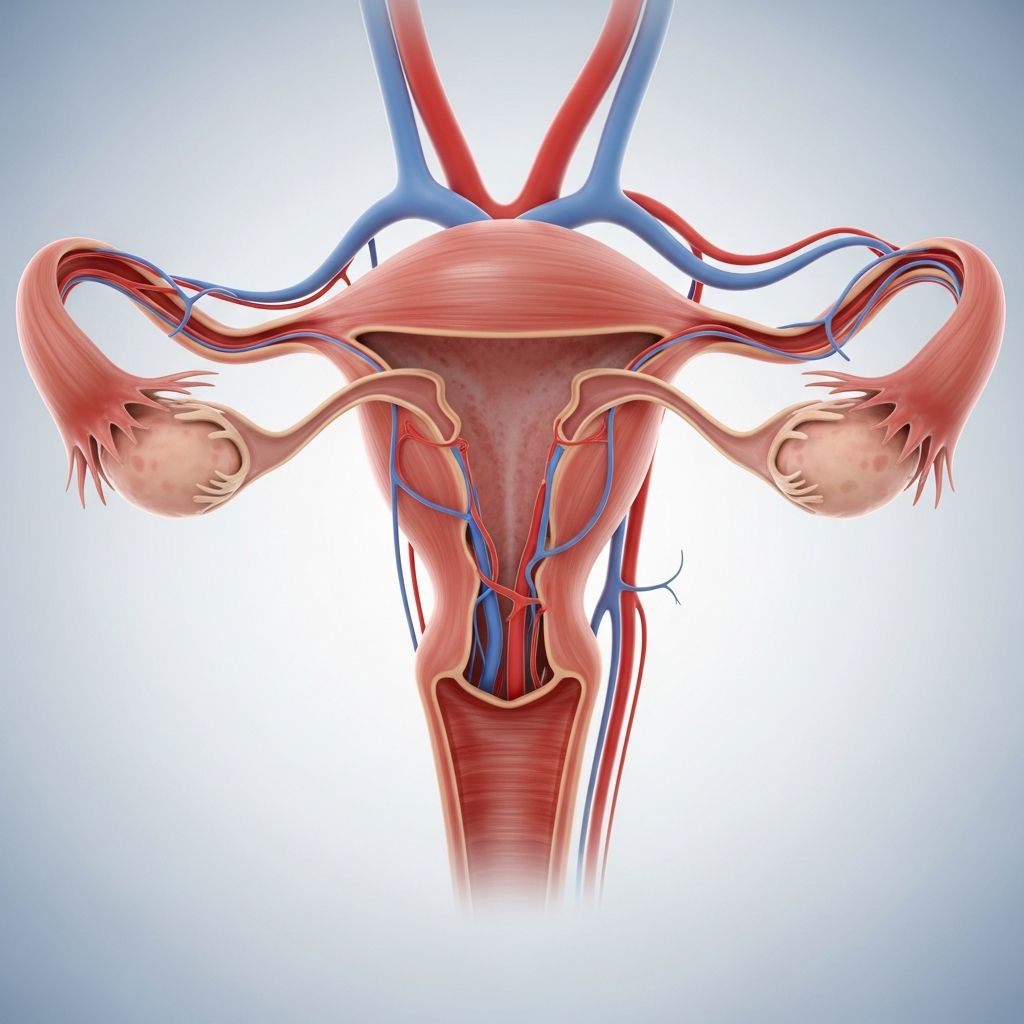
Understanding Your Ovaries: Anatomy and Function
The ovaries are small, oval-shaped glands that are located on either side of your uterus in the pelvic region. Despite their modest size, these remarkable organs play a crucial role in your reproductive system by producing eggs and essential hormones that regulate your menstrual cycle and support fertility. Understanding the structure and function of your ovaries is fundamental to comprehending how your body manages reproduction and maintains hormonal balance throughout your life.
Ovary Anatomy: Structure and Location
Each ovary is approximately the size and shape of an almond, positioned laterally adjacent to the uterus. The ovaries are held securely in place by several ligaments, including the broad ligament, the suspensory ligament, and the ovarian ligament, which are bands of fibrous connective tissue. These ligaments ensure that the ovaries remain properly positioned while allowing them the flexibility needed for their reproductive functions.
Internal Structure of the Ovaries
The ovaries have a distinct internal architecture composed of two primary regions: the cortex and the medulla. The outer cortex contains the follicles, oocytes (immature eggs), and interstitial cells. The inner medulla houses additional interstitial cells, fibrous tissue, blood vessels, lymphatic ducts, and nerves that supply the organ with nutrients and regulate its functions.
The Menstrual Cycle: How Your Ovaries Work
Your ovaries operate on a cyclical pattern approximately 28 days long, though cycles can range from 21 to 35 days. This menstrual cycle is divided into distinct phases, each involving specific ovarian functions and hormonal changes. Understanding these phases helps explain how your body prepares for potential pregnancy each month.
The Follicular Phase
The follicular phase typically lasts about 14 days and marks the beginning of your menstrual cycle. During this phase, your pituitary gland releases follicle-stimulating hormone (FSH), which stimulates your ovaries to produce multiple follicles. Each follicle is a small sac within the ovary that contains an immature egg, or oocyte.
As the follicles develop, the cells lining them multiply to form a layer known as the zona granulosa. A cavity forms within this zone, and surrounding stromal and interstitial cells arrange themselves concentrically to form a theca, or enclosing sheath. Most follicles regress during this phase, but one dominant follicle continues to grow and mature, eventually reaching approximately 30 millimeters in diameter.
Throughout the follicular phase, the developing follicles produce estrogen, particularly estradiol, which is the most potent form of estrogen in your body. This rising estrogen level triggers a surge in luteinizing hormone (LH) from your pituitary gland, signaling that ovulation is imminent.
Ovulation
Ovulation occurs at the midpoint of your menstrual cycle, typically around day 14 of a 28-day cycle. The surge in LH causes the mature, dominant follicle to rupture and release the mature egg. The egg then enters the fallopian tube, where it travels toward the uterus. This process takes approximately one to two days, and during this time, the egg may encounter sperm and become fertilized.
Related Stories



The Luteal Phase
After ovulation, the ruptured follicle undergoes a remarkable transformation. The granulosa and theca cells remaining in the follicle fill the empty space, forming a new structure called the corpus luteum. This temporary endocrine gland produces large quantities of progesterone for approximately two weeks, preparing your uterus for potential pregnancy.
If the egg is fertilized and pregnancy occurs, the corpus luteum continues producing progesterone for several months, remaining in the ovary until the end of pregnancy. Progesterone helps the fertilized egg implant into the uterine lining and develop into an embryo.
However, if the egg is not fertilized, the corpus luteum involutes, or shrinks, becoming a whitish scar tissue known as the corpus albicans. As the corpus luteum disappears, progesterone and estrogen levels decline dramatically. This hormonal drop causes the uterine lining to shed, resulting in menstruation and the passage of the unfertilized egg from your body.
Hormone Production and Regulation
Your ovaries are endocrine glands that produce several critical hormones essential for reproduction, sexual development, and overall health. The primary hormones produced by your ovaries include estrogen and progesterone, though they also produce smaller amounts of androgens.
Estrogen Production
The interstitial cells within your ovaries, particularly those in the theca surrounding the follicles, produce androgens. However, within the granulosa cells of the follicles, these androgens are converted to estrogens, specifically estradiol and estrone. Estrogen serves multiple functions, including regulating the menstrual cycle, supporting bone health, maintaining cardiovascular function, and influencing mood and cognitive function.
Progesterone Production
Progesterone is produced primarily by the corpus luteum during the luteal phase of your menstrual cycle. This hormone plays a crucial role in preparing and maintaining the uterine lining for pregnancy. If pregnancy does not occur, progesterone levels fall, triggering menstruation.
Hormonal Regulation
Your ovaries do not operate independently; instead, they are part of a complex feedback system involving your hypothalamus and pituitary gland. During the follicular phase, FSH stimulates follicle development and estrogen production. As estrogen levels rise, they signal your pituitary gland to increase LH secretion, eventually triggering the LH surge that causes ovulation. After ovulation, the corpus luteum produces progesterone, which provides negative feedback to inhibit further FSH and LH release, preventing additional ovulation during the same cycle.
Connection to the Reproductive System
Your ovaries work in coordination with other reproductive organs to enable conception and pregnancy. The fallopian tubes extend from the uterus to the ovaries, with the fimbriae, finger-like projections at the end of each tube, helping to capture the released egg. Once the egg enters the fallopian tube, it travels toward the uterus, where it may be fertilized by sperm.
If fertilization occurs, the fertilized egg continues traveling through the fallopian tube and implants into the thickened uterine lining, which has been prepared by the hormones produced by your ovaries. The uterus then supports the developing embryo throughout pregnancy. This coordinated system demonstrates how essential your ovaries are to the entire reproductive process.
Age-Related Changes in Ovarian Function
Ovarian function changes throughout your life. During childhood, your ovaries remain relatively inactive. Puberty marks the beginning of cyclical ovarian activity, as the hypothalamus, pituitary gland, and ovaries mature and begin coordinating the hormonal patterns characteristic of the adult menstrual cycle.
During your reproductive years, your ovaries continue cycling monthly, releasing eggs and producing hormones. However, as you approach menopause, typically in your 40s or 50s, your ovaries gradually decrease hormone production and eventually cease ovulation entirely. This transition leads to irregular menstrual cycles and eventually menopause, marking the end of your reproductive years.
Ovarian Health and Fertility
Maintaining healthy ovaries is essential for fertility and overall reproductive health. Several factors can affect ovarian function, including age, hormonal imbalances, genetic factors, and certain medical conditions. Regular gynecological check-ups and awareness of your menstrual cycle patterns can help identify potential ovarian health issues early.
Understanding your ovaries’ function also helps you recognize when something may be amiss. Irregular menstrual cycles, severe pelvic pain, or other concerning symptoms warrant evaluation by a healthcare provider.
Frequently Asked Questions About Ovaries
Q: How many eggs do ovaries release each month?
A: Typically, your ovaries release one mature egg during ovulation each menstrual cycle. Occasionally, multiple eggs may be released, which can result in fraternal twins if both are fertilized.
Q: At what age do ovaries stop functioning?
A: Ovarian function typically declines during perimenopause, which usually begins in your 40s, and ceases entirely after menopause, which most commonly occurs between ages 45 and 55.
Q: Can you live without ovaries?
A: Yes, you can live without ovaries. If they are surgically removed or damaged, hormone replacement therapy can provide the estrogen and progesterone your body needs, though you will no longer be able to conceive naturally.
Q: What is a follicle?
A: A follicle is a small sac-like structure within your ovaries that contains an immature egg. During the follicular phase of your menstrual cycle, follicles develop and produce estrogen as they prepare for ovulation.
Q: How does the corpus luteum form?
A: After ovulation, the ruptured follicle transforms into the corpus luteum. The cells remaining in the follicle reorganize and begin producing progesterone, preparing your uterus for potential pregnancy.
Q: What hormones do the ovaries produce?
A: The ovaries primarily produce estrogen and progesterone. They also produce small amounts of androgens, which are converted to estrogen within the follicles.
Q: How do ovaries connect to the fallopian tubes?
A: The fimbriae, which are finger-like projections at the end of each fallopian tube, reach toward the ovaries and help guide the released egg into the tube after ovulation.
References
- Ovary (Animal and Human) — Britannica. 2024. https://www.britannica.com/science/ovary-animal-and-human
- Corpus Luteum: Development, Anatomy & Function — Cleveland Clinic. 2024. https://my.clevelandclinic.org/health/body/21849-corpus-luteum
- Female Reproductive System: Structure & Function — Cleveland Clinic. 2024. https://my.clevelandclinic.org/health/articles/9118-female-reproductive-system
- Fimbriae of the Uterine Tube: Anatomy & Function — Cleveland Clinic. 2024. https://my.clevelandclinic.org/health/body/24346-fimbriae
- Fallopian Tubes: Location, Anatomy, Function & Conditions — Cleveland Clinic. 2024. https://my.clevelandclinic.org/health/body/23184-fallopian-tubes
- Uterus: Anatomy, Function, Size, Position & Conditions — Cleveland Clinic. 2024. https://my.clevelandclinic.org/health/body/22467-uterus
- Ovum (Egg Cell): Structure, Function & Fertilization — Cleveland Clinic. 2024. https://my.clevelandclinic.org/health/body/ovum
Similar Articles








Read full bio of medha deb