Ovary Removal Before Menopause: Health Risks & Considerations
Understanding the long-term health consequences of premenopausal oophorectomy and surgical menopause.
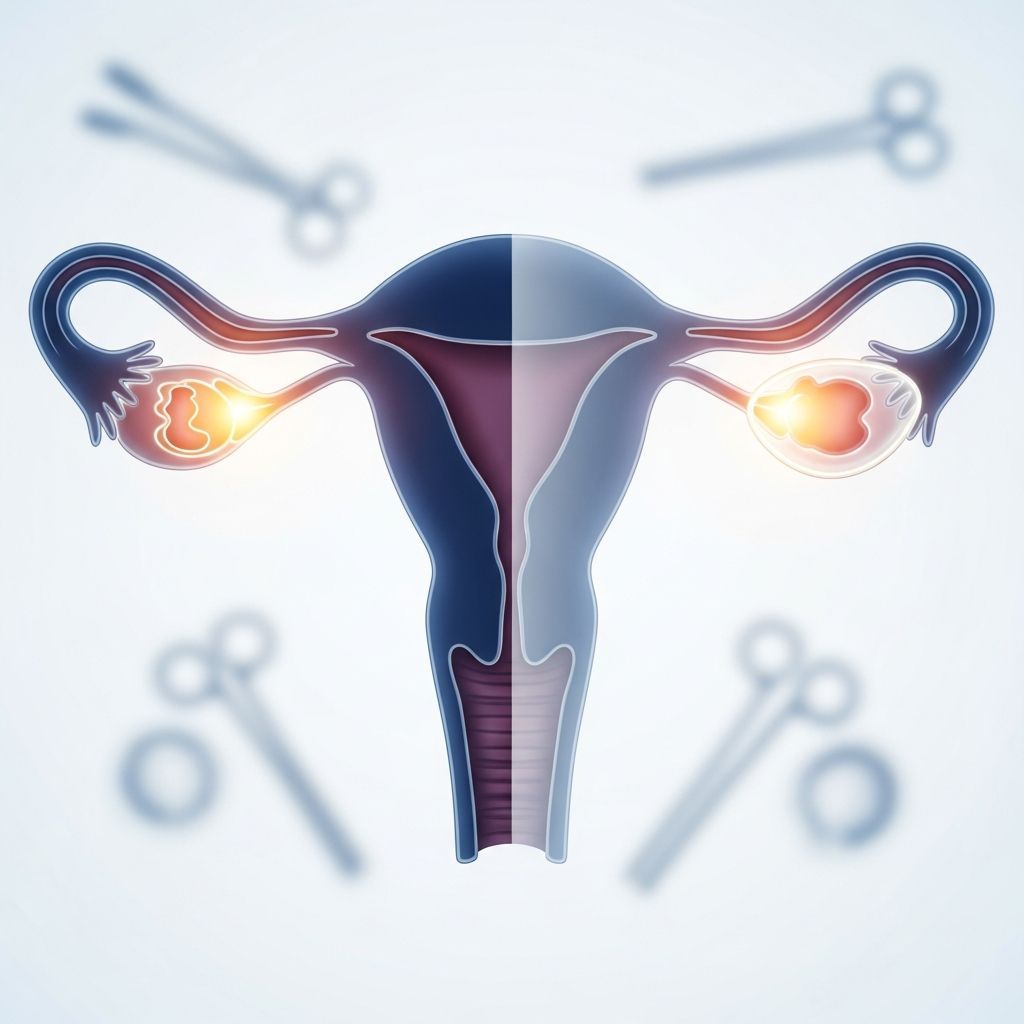
Ovary Removal Before Menopause: Understanding the Health Risks
The decision to remove ovaries during hysterectomy or other gynecological procedures is often presented as a routine precaution against ovarian cancer. However, emerging research reveals that premenopausal oophorectomy—the surgical removal of both ovaries in women who have not yet reached menopause—carries significant long-term health consequences that warrant careful consideration. Understanding these risks is essential for women and their healthcare providers when evaluating surgical options.
What Is Surgical Menopause?
When both ovaries are removed in premenopausal women, the body experiences an abrupt cessation of hormone production, a condition known as surgical menopause or bilateral oophorectomy. Unlike natural menopause, which typically occurs gradually over several years, surgical menopause is immediate and profound. The ovaries produce three critical hormones: estrogen, progesterone, and testosterone. This sudden hormonal withdrawal differs significantly from the gradual decline experienced during natural menopause, creating a more dramatic physiological shock to the body.
The sudden hormone depletion triggers an immediate onset of menopausal symptoms and sets the stage for various long-term health complications that may develop years or even decades after surgery.
Increased Mortality Risk
One of the most alarming findings from long-term research is the association between premenopausal oophorectomy and increased all-cause mortality. In a landmark study tracking 29,380 women over 24 years, researchers found that women who underwent bilateral oophorectomy had a 12% higher risk of death from any cause compared to women who retained their ovaries.
The risk is particularly pronounced in women who never used estrogen therapy following surgery. For women who had both ovaries removed before age 50 without hormone replacement therapy, the increased mortality risk is substantial. The research suggests that for every nine oophorectomies performed in premenopausal women, approximately one additional death would be expected over a 35-year period following surgery.
This increased mortality risk persists despite any potential cancer prevention benefits, indicating that the long-term systemic effects of surgical menopause outweigh the protective advantages in terms of overall survival.
Cardiovascular Disease and Stroke Risk
The cardiovascular consequences of premature ovarian removal are among the most significant health concerns. Estrogen plays a crucial protective role in maintaining cardiovascular health, and its sudden withdrawal increases the risk of coronary heart disease and stroke. Studies comparing women who retained their ovaries to those who underwent bilateral oophorectomy found substantially elevated cardiovascular risks.
Women who had bilateral oophorectomy experienced a 17% increased risk of fatal and nonfatal coronary heart disease (CHD) compared to women with ovarian conservation. Additionally, there was a 14% increased risk of stroke, though this increase approached statistical significance. These elevated cardiovascular risks represent a major long-term consequence that can develop years after the surgery.
The cardiovascular protection normally provided by estrogen is lost immediately upon ovary removal, leaving premenopausal women without the natural cardioprotective effects of their own hormones during years when they would normally still be producing them.
Cognitive Impairment and Dementia Risk
Emerging research has identified a concerning connection between premenopausal oophorectomy and increased risk of cognitive impairment and dementia later in life. Estrogen plays important roles in cognitive function and brain health, and the sudden loss of ovarian hormones may compromise neurological function over time.
Women who undergo bilateral oophorectomy before menopause face elevated long-term risks of memory problems, cognitive decline, and dementia compared to women who experience natural menopause. The earlier in life ovaries are removed, the longer the period of estrogen deficiency, potentially magnifying the cognitive consequences. This represents a significant quality-of-life concern that extends into advanced age.
Accelerated Aging and Joint Problems
Recent research suggests that premenopausal oophorectomy may accelerate the aging process and increase specific age-related health problems. Women who underwent bilateral oophorectomy between ages 46 and 49 demonstrated increased risk of arthritis and obstructive sleep apnea. These conditions are typically associated with advancing age, yet they appear earlier in women who have experienced surgical menopause.
The connection between premature hormone loss and accelerated aging reflects the multifaceted role estrogen plays in maintaining tissue health, bone density, joint integrity, and metabolic function. The sudden withdrawal of these hormones can trigger or accelerate degenerative processes throughout the body.
Mental Health and Mood Considerations
While research on depression and oophorectomy presents a more nuanced picture than once believed, mental health remains an important consideration. Earlier studies suggested that ovary removal increased depression risk, but more recent research has complicated this understanding.
A large study comparing women’s mood before and after surgery found that women who underwent both hysterectomy and bilateral oophorectomy actually reported fewer depressive symptoms after surgery compared to baseline, particularly when receiving hormone replacement therapy. Notably, 83% of women who had both ovaries removed were taking estrogen therapy, while only 17% of those retaining their ovaries received hormone treatment.
However, women with a history of depression prior to surgery were more likely to experience postoperative depressive symptoms. The critical factor appears to be adequate hormone replacement therapy following surgery, which may mitigate mental health risks in many cases.
Cancer Risk Implications
While ovary removal eliminates the risk of ovarian cancer—reducing ovarian cancer incidence by over 95%—it does not eliminate all cancer risks and may actually increase others. Women who underwent bilateral oophorectomy did experience reduced risk of breast cancer and total cancer incidence. However, the risk of lung cancer actually increased by 26% compared to women who retained their ovaries.
Additionally, total cancer mortality was 17% higher in women who underwent oophorectomy compared to those with ovarian conservation. This suggests that while certain specific cancers are prevented, the overall cancer picture is more complicated, and other malignancies may emerge or progress more readily in the absence of ovarian hormones.
When Ovary Removal May Be Appropriate
Despite the risks outlined above, ovary removal before menopause may be medically necessary in specific circumstances:
– Ovarian cancer or high-risk mutations: Women with personal history of ovarian cancer or carrying BRCA1/BRCA2 mutations face substantial ovarian cancer risk- Active ovarian pathology: Severe ovarian disease such as large cysts, endometriomas, or persistent pain may necessitate removal- Family history considerations: Some women with strong family histories of ovarian cancer may choose removal after careful counseling- Treatment of cancer: Oophorectomy may be part of necessary cancer treatment protocols
Hormone Replacement Therapy After Oophorectomy
For women who undergo premenopausal oophorectomy, hormone replacement therapy (HRT) becomes an important consideration. The research demonstrates that women receiving estrogen therapy after bilateral oophorectomy experience better health outcomes than those without replacement.
However, HRT decisions must be individualized, considering personal health history, family history of breast cancer, cardiovascular risk factors, and personal preferences. The goal of HRT following surgical menopause is to replace hormones to levels similar to what the ovaries would naturally produce during the premenopausal years.
Key Considerations for Decision-Making
For women facing the decision of whether to remove ovaries during gynecological surgery, several critical factors warrant discussion with healthcare providers:
– Personal cancer risk: Objective assessment of ovarian cancer risk based on family history and genetic testing if appropriate- Ovarian pathology: Whether the ovaries have any abnormalities requiring removal- Age at surgery: Younger age at oophorectomy means longer exposure to hormone deficiency- Cardiovascular and cognitive health: Personal or family history of early heart disease or dementia increases risks from hormone loss- HRT feasibility: Whether hormone replacement therapy would be appropriate and acceptable- Long-term health goals: Priorities regarding cancer prevention versus maintenance of organ function and hormone protection
The Role of Ovarian Conservation
In many cases, ovarian conservation—retaining the ovaries during hysterectomy or other procedures—offers significant advantages. Ovaries continue to produce hormones even after hysterectomy, providing cardiovascular protection, cognitive support, bone health maintenance, and sexual function support throughout the years before natural menopause.
Women who retain their ovaries avoid the sudden hormonal shock of surgical menopause while still obtaining the benefits of whatever surgery is medically necessary. Ovarian conservation has no increased cancer risk compared to oophorectomy and provides the benefit of continued natural hormone production.
Frequently Asked Questions
Q: At what age is ovary removal most risky?
A: The younger a woman is at the time of oophorectomy, the greater the long-term health risks. Removing ovaries before age 50, particularly before age 45, is associated with the most significant increases in mortality, cardiovascular disease, and cognitive decline. The additional years of hormone deficiency multiply the negative health consequences.
Q: Does hormone replacement therapy eliminate the risks of surgical menopause?
A: Hormone replacement therapy can reduce many risks associated with surgical menopause and appears to improve health outcomes. However, HRT may not completely eliminate all increased risks, particularly the very long-term risks. Additionally, HRT decisions involve their own considerations regarding breast cancer risk and individual medical history.
Q: Is ovary removal recommended to prevent ovarian cancer?
A: For women with average ovarian cancer risk and no personal or family history of ovarian cancer, removing healthy ovaries is not recommended as a preventive measure. The health risks of surgical menopause outweigh the cancer prevention benefits. However, for women at high risk due to BRCA mutations or strong family history, the calculation may be different.
Q: Can ovary removal affect sexual function?
A: Yes, the hormonal changes from surgical menopause can affect sexual desire, arousal, and satisfaction. Estrogen and testosterone both contribute to sexual function, and their sudden loss can have significant effects. Hormone replacement therapy and other interventions may help address these concerns.
Q: What should I discuss with my doctor before agreeing to ovary removal?
A: Discuss your personal cancer risk, whether your ovaries have any abnormalities, your age, your family history of heart disease and dementia, your cardiovascular risk factors, whether you could appropriately use hormone replacement therapy, and alternative treatment options for whatever condition is prompting the surgery recommendation.
References
- Ovarian conservation at the time of hysterectomy and long-term health outcomes in the nurses’ health study — Parker, W. H., et al., Obstetrics & Gynecology. 2009-05. https://pubmed.ncbi.nlm.nih.gov/19384117/
- Mood and well-being after removal of both ovaries — Center for Women’s Mental Health, Massachusetts General Hospital. 2024. https://womensmentalhealth.org/posts/mood-and-well-being-after-removal-of-both-ovaries/
- Early-Life Removal of Ovaries Could Bring Faster Aging — Powers Health, Mayo Clinic Affiliated. 2023-09-14. https://www.powershealth.org/about-us/newsroom/health-library/2023/09/14/early-life-removal-of-ovaries-could-bring-faster-aging
- Long-term Risk of Cognitive Impairment and Dementia Following Premenopausal Bilateral Oophorectomy — JAMA Network Open. 2021. https://jamanetwork.com/journals/jamanetworkopen/fullarticle/2785986
Similar Articles







Read full bio of Sneha Tete