Overactive Adrenal Glands: Cushing’s Syndrome
Understanding Cushing's Syndrome: Causes, symptoms, diagnosis, and treatment options.
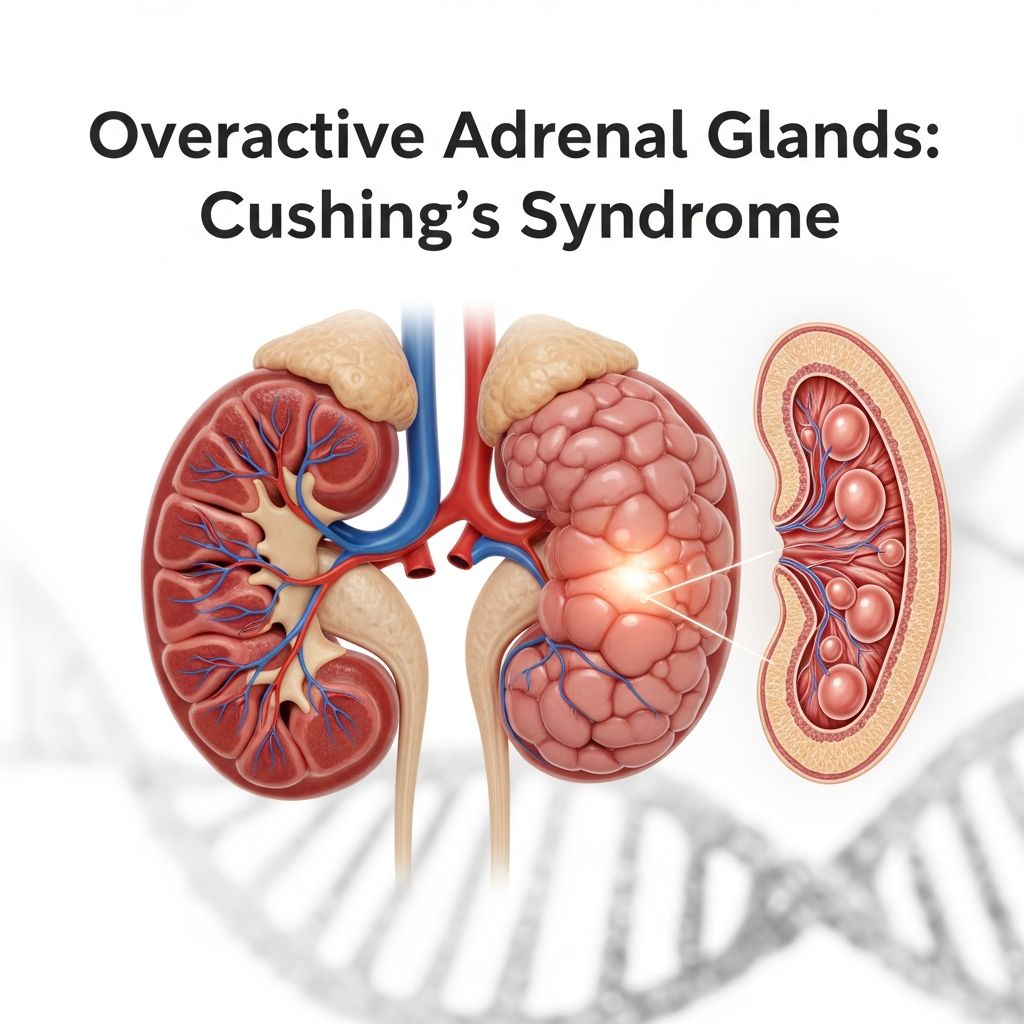
Overactive Adrenal Glands and Cushing’s Syndrome
Cushing’s syndrome, also known as hypercortisolism, is a rare endocrine disorder that develops when your body produces excessive amounts of the hormone cortisol. This condition can significantly impact your health, causing a wide range of physical and metabolic changes. Understanding the causes, symptoms, diagnosis, and treatment options is essential for managing this complex disorder effectively.
What Is Cushing’s Syndrome?
Cushing’s syndrome occurs when cortisol levels in your body remain persistently elevated. Cortisol is a crucial steroid hormone produced by your adrenal glands that plays essential roles in regulating blood pressure, blood sugar, and immune function. When cortisol production becomes excessive, it disrupts normal body functions and leads to characteristic symptoms and complications.
The syndrome most commonly affects adults between the ages of 25 to 40 years old, though it can occur in children. In pediatric cases, affected children are typically obese and may experience delays in growth and development. The condition is relatively rare in the general population but can have serious consequences if left untreated.
Causes of Cushing’s Syndrome
Cushing’s syndrome develops through two primary mechanisms: exogenous causes, where cortisol comes from outside the body, and endogenous causes, where excess cortisol is produced internally.
Exogenous Causes
Approximately 80% of all Cushing’s syndrome cases result from exogenous glucocorticoid administration. Many people develop this condition as a side effect of long-term corticosteroid therapy prescribed to treat other medical conditions. Common medications and treatments that can cause exogenous Cushing’s syndrome include:
Oral corticosteroids used for conditions such as rheumatoid arthritis, lupus, and other autoimmune or inflammatory diseases; inhaled corticosteroids for asthma and chronic obstructive pulmonary disease; injections into joints or muscles; and corticosteroids prescribed to treat malignant tumors or leukemia. While steroid treatment is effective for these underlying conditions, it can produce Cushing’s syndrome as an unwanted side effect.
Endogenous Causes
Endogenous Cushing’s syndrome, where the body produces excess cortisol internally, accounts for approximately 20% of all cases. This category includes several distinct causes:
Cushing’s Disease: Approximately 70% of endogenous cases result from Cushing’s disease, caused by a benign pituitary tumor (adenoma). This tumor produces excessive amounts of adrenocorticotropin hormone (ACTH), which stimulates the adrenal glands to produce abnormally high levels of cortisol.
Ectopic ACTH Syndrome: About 10 to 15% of endogenous cases are caused by non-pituitary tumors that secrete ACTH. These tumors, known as ectopic ACTH-producing tumors, are most commonly located in the chest cavity or abdomen. Other types include medullary carcinomas of the thyroid, pheochromocytomas, and pancreatic islet cell tumors.
Related Stories



Adrenal Tumors: Another 10 to 15% of patients have benign or malignant tumors of the adrenal glands (adenomas) that directly secrete excessive cortisol. These tumors bypass normal regulatory mechanisms and continuously produce high levels of the hormone.
Adrenal Hyperplasia: In some cases, the adrenal glands become enlarged and produce excess cortisol without a tumor being present.
Symptoms of Cushing’s Syndrome
Cushing’s syndrome produces diverse and often progressive symptoms due to excessive cortisol affecting multiple body systems. The most common symptoms include:
Weight and Body Changes: Sudden weight gain and obesity represent the most frequent signs of Cushing’s syndrome. Fat typically accumulates in characteristic patterns, including increased fat around the neck and upper back (creating a “buffalo hump”), along with a rounded or moon-shaped face. Simultaneously, patients often develop thin, slender arms and legs due to muscle wasting.
Skin Manifestations: Distinctive skin changes frequently occur, including thin purple-red stretch marks (striae), easy bruising, and acne. The skin may become fragile and prone to injury.
Hair and Facial Changes: Excessive hair growth in unusual locations (hirsutism) and increased facial hair are common, particularly in women. Baldness may also develop.
Mood and Behavioral Changes: Psychological symptoms include depression, anxiety, irritability, and cognitive difficulties such as memory problems and difficulty concentrating.
Metabolic Complications: The condition increases susceptibility to diabetes through insulin resistance. High blood pressure and high blood sugar levels frequently develop.
Other Physical Symptoms: Additional manifestations include muscle weakness, fatigue, osteoporosis (weakened bones), and decreased immune function leading to recurrent infections. Women may experience irregular menstrual periods or loss of menstruation.
Diagnosis of Cushing’s Syndrome
Diagnosing Cushing’s syndrome presents significant challenges because its symptoms overlap with many other medical conditions. A comprehensive diagnostic approach combines medical history, physical examination, and specialized laboratory testing.
Initial Assessment
Your doctor will begin by taking a detailed medical history to assess current medications, particularly asking whether you are taking glucocorticoids or have received steroid injections. A thorough physical examination evaluates for characteristic signs such as central obesity, moon face, buffalo hump, purple striae, and muscle weakness. Blood pressure measurement is also performed as hypertension frequently accompanies Cushing’s syndrome.
Laboratory Confirmation Tests
No single test perfectly confirms Cushing’s syndrome, so doctors typically perform two of the following tests to confirm diagnosis:
24-Hour Urinary Free-Cortisol Test: This test measures cortisol excretion over 24 hours. You collect all urine during this period, and a laboratory analyzes cortisol levels. Consistently elevated urinary free cortisol levels suggest Cushing’s syndrome. This test is considered one of the most reliable screening methods.
Late-Night Salivary Cortisol Test: This test measures cortisol levels in saliva collected in the late evening. Normally, cortisol production decreases shortly after falling asleep. In Cushing’s syndrome, cortisol levels remain elevated, failing to show the normal nocturnal decline. Patients can collect saliva samples at home and return them for laboratory analysis.
Low-Dose Dexamethasone Suppression Test (LDDST): This test evaluates how your body responds to a low dose of synthetic glucocorticoid (dexamethasone). Normally, dexamethasone suppresses cortisol production. In Cushing’s syndrome, this suppression fails to occur, and cortisol levels remain elevated.
Dexamethasone-CRH Test: This specialized test combines the LDDST with a corticotropin-releasing hormone (CRH) stimulation test. The test helps distinguish Cushing’s syndrome from pseudo-Cushing syndrome and other causes of excess cortisol.
Determining the Cause
Once Cushing’s syndrome is confirmed, the next crucial step involves identifying the underlying cause. The diagnostic approach includes:
ACTH Level Measurement: Blood testing measures plasma ACTH levels. If ACTH levels are low or undetectable while cortisol levels remain elevated, an adrenal tumor is likely responsible. If ACTH levels are normal or elevated, a pituitary or ectopic tumor probably causes the condition.
Inferior Petrosal Sinus Sampling (IPSS): This specialized test confirms whether a pituitary tumor causes Cushing’s syndrome. Blood samples are drawn from the inferior petrosal sinuses (veins draining the pituitary), while simultaneously drawing blood from a distant vessel. A CRH injection stimulates the pituitary. Higher ACTH levels in petrosal sinus blood compared to peripheral blood indicate a pituitary tumor. Similar levels in all samples suggest an ectopic tumor.
Imaging Studies: If ectopic ACTH secretion is indicated, imaging tests locate the tumor. These may include CT scans and MRI scans of the chest and abdomen. Nuclear medicine studies such as Octreoscan or PET imaging may also be performed to identify tumor location.
Treatment Options for Cushing’s Syndrome
Treatment approaches depend on the underlying cause and may include medication, surgery, or radiation therapy. Often Cushing’s syndrome can be cured, though long-term follow-up monitoring is necessary to ensure the condition does not recur.
Treating Exogenous Cushing’s Syndrome
If steroid medication causes your symptoms, your healthcare provider will gradually decrease the dosage rather than stopping abruptly. This gradual tapering allows your adrenal glands to resume normal cortisol production. Never discontinue corticosteroids without medical guidance, as abrupt cessation can cause serious complications.
Treating Endogenous Cushing’s Syndrome
Surgical Treatment: For pituitary adenomas causing Cushing’s disease, transsphenoidal surgery (removing the tumor through the nasal passages) is often the primary treatment. For adrenal tumors, adrenalectomy (surgical removal of the affected adrenal gland) may be recommended.
Radiation Therapy: If surgery is unsuccessful or cannot be performed, radiation therapy may target pituitary or adrenal tumors.
Medication: Various medications can reduce cortisol production when surgery or radiation is not viable or effective. These include mitotane, metyrapone, ketoconazole, and etomidate, each working through different mechanisms to suppress cortisol production.
Complications and Long-Term Effects
Untreated or inadequately controlled Cushing’s syndrome can lead to serious complications including hypertension, diabetes mellitus, osteoporosis with increased fracture risk, infection, psychiatric disorders, and cardiovascular disease. Early diagnosis and appropriate treatment significantly reduce these risks.
Frequently Asked Questions
Q: Can Cushing’s syndrome be cured?
A: Yes, Cushing’s syndrome can often be cured, particularly when caused by a tumor that can be surgically removed. However, long-term follow-up care is essential to monitor for recurrence and manage any residual symptoms or complications.
Q: Is Cushing’s syndrome life-threatening?
A: While not immediately life-threatening in all cases, untreated Cushing’s syndrome can lead to serious complications such as heart disease, stroke, severe infections, and other conditions that may threaten health or life. Prompt diagnosis and treatment are important.
Q: How long does treatment take?
A: Treatment duration varies depending on the cause and treatment method. Surgical treatment may provide relatively quick results, while medication-based treatment may require months to years. Recovery from surgery typically takes several weeks to months.
Q: Can lifestyle changes help manage Cushing’s syndrome?
A: While lifestyle modifications such as healthy diet, regular exercise, and stress management support overall health, they cannot cure Cushing’s syndrome. Medical treatment addressing the underlying cause is essential, but these lifestyle measures complement medical therapy.
Q: Will symptoms resolve after treatment?
A: Most symptoms gradually improve following successful treatment, though some changes such as stretch marks may persist. Weight loss typically occurs after cortisol levels normalize, though the timeline varies among individuals.
References
- Cushing Syndrome – Symptoms, Causes, Treatment — National Organization for Rare Disorders (NORD). https://rarediseases.org/rare-diseases/cushing-syndrome/
- Cushing’s Syndrome — National Institute of Diabetes and Digestive and Kidney Diseases (NIDDK), U.S. National Institutes of Health. https://www.niddk.nih.gov/health-information/endocrine-diseases/cushings-syndrome
- Cushing’s Syndrome – Symptoms, Treatments and Causes — Healthdirect, Australian Government Department of Health. https://www.healthdirect.gov.au/cushings-syndrome
- Cushing’s Disease: Clinical Manifestations and Diagnostic Evaluation — American Family Physician, 2000. https://www.aafp.org/pubs/afp/issues/2000/0901/p1119.html
- Cushing Syndrome: Causes, Symptoms & Treatment — Cleveland Clinic. https://my.clevelandclinic.org/health/diseases/5497-cushing-syndrome
Similar Articles








Read full bio of medha deb