Overactive Thyroid: 4 Primary Causes, Symptoms And Treatments
Discover symptoms, causes, diagnosis, and effective treatments for overactive thyroid to regain hormonal balance and well-being.
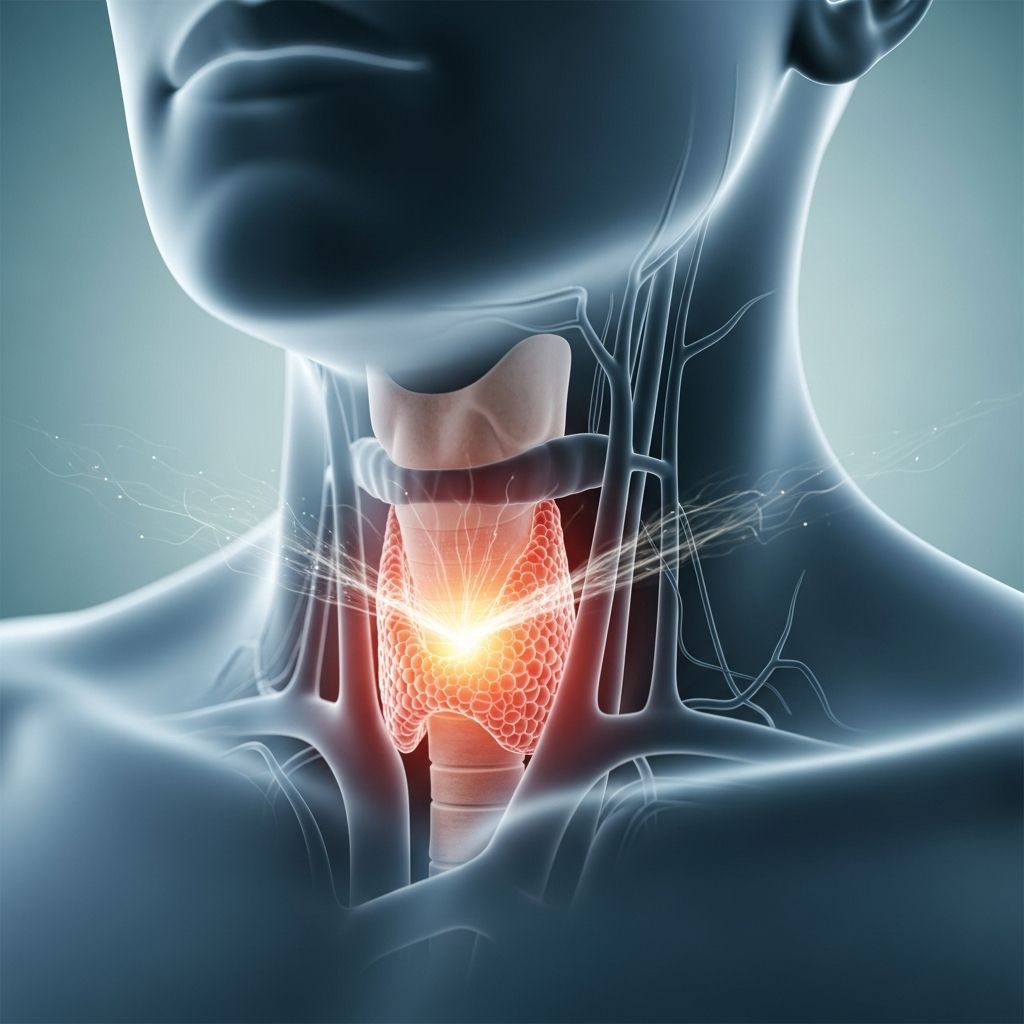
An overactive thyroid, medically termed hyperthyroidism, occurs when the thyroid gland produces excessive thyroid hormones, accelerating the body’s metabolism and leading to various disruptive symptoms.
Recognizing the Signs of Thyroid Overactivity
The hallmark of hyperthyroidism is an sped-up metabolism that affects multiple systems. Common indicators include unintended weight loss despite normal or increased appetite, as the body burns calories at a faster rate. Individuals often experience a rapid or irregular heartbeat, known as palpitations or tachycardia, which can feel like fluttering or pounding in the chest.
Other frequent manifestations involve hand tremors, excessive sweating, and heat intolerance, where even mild temperatures feel overwhelmingly warm. Nervousness, anxiety, irritability, and difficulty sleeping further compound the issue, mimicking symptoms of stress or anxiety disorders. Muscle weakness, particularly in the upper arms and thighs, along with fatigue, can make daily activities challenging.
Physical changes may appear as well, such as a visible swelling in the neck called a goiter, thinning hair, brittle nails, and frequent bowel movements or diarrhea. In women, disruptions to menstrual cycles are common, while men might notice reduced libido. Eye-related symptoms, especially in Graves’ disease cases, include bulging eyes (exophthalmos), double vision, or sensitivity to light.
- Cardiovascular: Fast heartbeat, palpitations
- Neurological: Tremors, anxiety, insomnia
- Metabolic: Weight loss, heat sensitivity
- Gastrointestinal: Increased bowel frequency
- Skin/Hair: Sweating, hair thinning
Primary Causes Behind Excessive Hormone Production
Hyperthyroidism stems from various triggers, with Graves’ disease being the leading culprit—an autoimmune condition where the immune system prompts the thyroid to overproduce hormones. This disorder affects antibodies that stimulate thyroid activity abnormally.
Overactive thyroid nodules, either single (toxic adenoma) or multiple (toxic multinodular goiter), autonomously secrete hormones independent of normal regulation. Thyroiditis, an inflammation of the gland, can cause temporary hormone leakage from damaged cells, leading to transient hyperthyroidism.
Excessive iodine intake, from supplements, medications, or diet, fuels hormone synthesis since iodine is a key component. Overmedication with thyroid hormone replacements or rare pituitary tumors producing excess TSH (thyroid-stimulating hormone) also contribute.
| Cause | Description | Prevalence |
|---|---|---|
| Graves’ Disease | Autoimmune stimulation | Most common |
| Toxic Nodules | Autonomous hormone production | Common in older adults |
| Thyroiditis | Inflammatory hormone release | Often temporary |
| Excess Iodine | Nutritional or medicinal overload | Diet-related |
Diagnostic Approaches for Confirmation
Diagnosis begins with blood tests measuring TSH, free T4, and total T3 levels. Low TSH with elevated T4 and T3 confirms hyperthyroidism. A thyroid scan using radioactive iodine uptake helps pinpoint causes like nodules or Graves’ by assessing gland activity.
Antibody tests detect thyroid-stimulating immunoglobulins indicative of Graves’ disease. Ultrasound visualizes nodules or inflammation, while ECG monitors heart effects from tachycardia. In ambiguous cases, a TRH stimulation test evaluates pituitary function.
Related Stories



Comprehensive Treatment Strategies
Treatment aims to normalize hormone levels and alleviate symptoms, tailored to cause, age, and patient preferences. Options include medications, radioiodine, and surgery.
Pharmacological Interventions
Antithyroid drugs like methimazole or propylthiouracil inhibit hormone synthesis, often used for 12-18 months. Beta-blockers such as propranolol provide rapid symptom relief by controlling heart rate and tremors without affecting hormone production.
Radioiodine Ablation Therapy
This targeted radiotherapy destroys overactive thyroid cells via oral radioactive iodine-131, effective for Graves’ and nodules. Most require one dose, though hypothyroidism often follows, managed with lifelong levothyroxine. Contraindicated in pregnancy or breastfeeding.
Surgical Thyroidectomy
Partial or total gland removal suits large goiters, suspicious nodules, or medication intolerance. Post-surgery, hormone replacement prevents hypothyroidism.
For toxic nodules, ablation or surgery is preferred over long-term drugs.
Potential Complications and Long-Term Risks
Untreated hyperthyroidism risks heart issues like atrial fibrillation, osteoporosis from accelerated bone loss, and thyroid storm—a life-threatening crisis with fever, delirium, and organ failure. Graves’ ophthalmopathy can worsen vision if severe, sometimes needing steroids or specialized drugs.
Post-treatment hypothyroidism requires vigilant monitoring and adjustment of replacement therapy.
Lifestyle Modifications for Symptom Management
Supportive measures enhance treatment efficacy. A balanced diet avoids excess iodine from seaweed or supplements. Caffeine reduction curbs anxiety and palpitations. Stress management via yoga or meditation, adequate sleep, and moderate exercise like walking aid overall well-being.
Regular monitoring with endocrinologists ensures optimal control.
Frequently Asked Questions (FAQs)
Can hyperthyroidism resolve on its own?
Some cases, like subacute thyroiditis, are self-limiting, but most require intervention to prevent complications.
Is radioiodine therapy safe?
Yes, it selectively targets the thyroid with low radiation doses; precautions include isolation briefly post-treatment.
How long do treatments take to work?
Medications may take weeks to months; beta-blockers act within hours for symptoms; radioiodine effects build over weeks.
Does hyperthyroidism affect fertility?
Yes, it can disrupt cycles and increase miscarriage risk; control before conception is advised.
What foods should I avoid?
High-iodine items like iodized salt in excess, shellfish; focus on calcium-rich foods for bone health.
Monitoring and Follow-Up Care
Regular blood tests track hormone levels, adjusting therapies as needed. Annual bone density scans prevent osteoporosis in at-risk patients. Patient education empowers adherence to lifelong management if hypothyroidism ensues.
References
- Hyperthyroidism (Overactive Thyroid) – NIDDK — National Institute of Diabetes and Digestive and Kidney Diseases. 2023-08-04. https://www.niddk.nih.gov/health-information/endocrine-diseases/hyperthyroidism
- Hyperthyroidism – Symptoms and causes — Mayo Clinic. 2023-11-12. https://www.mayoclinic.org/diseases-conditions/hyperthyroidism/symptoms-causes/syc-20373659
- Treatment – Overactive thyroid (hyperthyroidism) — NHS. 2023-01-23. https://www.nhs.uk/conditions/overactive-thyroid-hyperthyroidism/treatment/
- Hyperthyroidism: Diagnosis and Treatment — American Academy of Family Physicians. 2016-03-01. https://www.aafp.org/pubs/afp/issues/2016/0301/p363.html
- What doctors wish patients knew about hyperthyroidism — American Medical Association. 2023-05-15. https://www.ama-assn.org/public-health/prevention-wellness/what-doctors-wish-patients-knew-about-hyperthyroidism
- Hyperthyroidism & Graves’ Disease — University of Michigan Health. 2024-02-10. https://www.uofmhealth.org/our-care/specialties-services/hyperthyroidism-graves-disease
- Hyperthyroidism | MedlinePlus — MedlinePlus. 2023-09-20. https://medlineplus.gov/hyperthyroidism.html
Similar Articles








Read full bio of Sneha Tete