Overbite: Causes, Symptoms, and Treatment Options
Learn about overbite causes, health effects, and effective treatment solutions for better oral health.
Understanding Overbite: A Comprehensive Guide
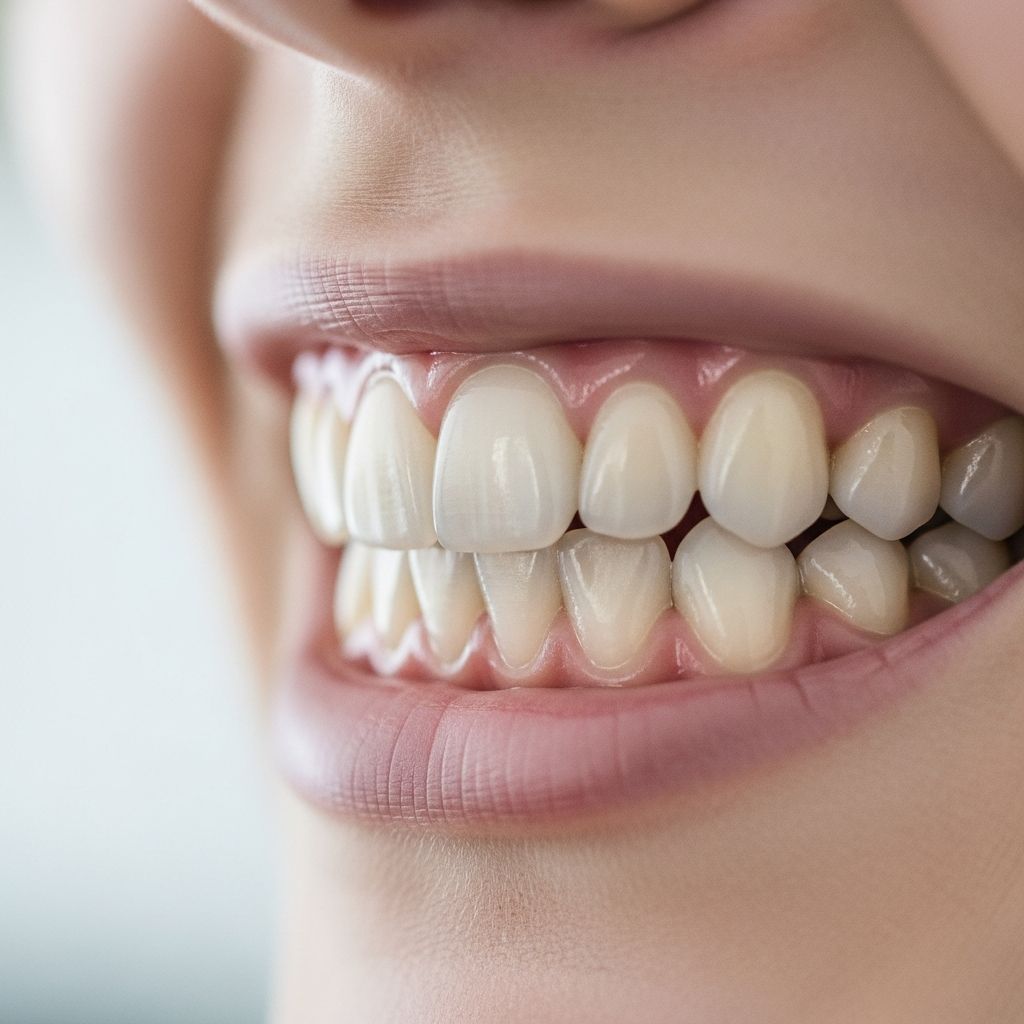
An overbite, also known as a deep bite, is a common dental condition where your upper front teeth overlap your lower front teeth more than they should. This vertical overlap is a type of malocclusion—a misalignment of the teeth and jaws that affects millions of people worldwide. While a slight overbite can be considered normal and may not require treatment, severe overbites can lead to serious health complications and affect your quality of life.
Understanding what an overbite is, what causes it, and how it can be treated is essential for making informed decisions about your oral health. This comprehensive guide covers everything you need to know about overbites, from their causes and symptoms to the various treatment options available.
What is an Overbite?
An overbite refers to the vertical overlap of your upper teeth over your lower teeth. When you close your mouth normally, your upper front teeth should overlap your lower front teeth by only a few millimeters. However, in cases of overbite, this overlap is excessive, meaning your upper teeth cover significantly more of your lower teeth than they should.
It’s important to distinguish an overbite from an overjet, as these terms are often confused. While an overbite refers to vertical overlap, an overjet refers to horizontal overlap, where the upper front teeth stick out or protrude further forward than the lower teeth. Both are types of malocclusion, but they represent different dental problems and may require different treatment approaches.
Types of Overbites
Overbites can be classified into two main categories based on their underlying cause:
Skeletal Overbite
A skeletal overbite is caused by issues with how your jawbone develops. This type of overbite is related to the underlying bone structure and may be more difficult to correct. Skeletal overbites often have a genetic or hereditary component and may require more extensive orthodontic treatment or, in severe cases, surgical intervention.
Dental Overbite
A dental overbite is typically caused by problems that occur when your adult teeth replace your baby teeth. This type of overbite is related to tooth positioning rather than jaw structure and is often easier to correct with orthodontic treatment like braces or aligners.
Causes of Overbite
Overbites can develop for various reasons, and understanding the underlying cause is important for determining the best treatment approach. The causes of overbite include:
Genetic and Hereditary Factors
One of the most common causes of overbite is heredity. The shape and size of your jaw are often inherited traits passed down from your parents. If your parents have an overbite, you have a higher likelihood of developing one as well. Genetic factors influence how your teeth and jaws develop and align.
Tooth Overcrowding
When there isn’t enough space in your jaw for all your teeth, overcrowding can occur. This can cause teeth to overlap and create or worsen an overbite. Overcrowding is especially common when baby teeth are lost prematurely, leaving gaps that allow permanent teeth to shift into incorrect positions.
Related Stories



Missing Teeth
Missing teeth in the lower jaw can contribute to the development of an overbite. When teeth are absent, the remaining teeth may shift position, and your bite alignment can be affected. This is why replacing missing teeth promptly is important for maintaining proper bite alignment.
Childhood Habits
Certain habits that occur during early childhood, while the jaw is still developing and growing, can contribute to overbite development. These habits include:
- Thumb sucking
- Extended pacifier use
- Long-term bottle feeding
- Tongue thrusting
- Nail biting
- Chewing on objects such as pencils or pens
- Chronic mouth breathing instead of nasal breathing
These habits can affect the position of teeth and the development of the jaw, potentially leading to an overbite.
Symptoms and Health Effects of Overbite
An overbite can cause various symptoms and health complications, depending on the severity. Recognizing these symptoms is important for seeking timely treatment.
Common Symptoms
People with overbites may experience:
- Visible misalignment where upper teeth significantly overlap lower teeth
- Difficulty chewing food properly
- Speech problems or changes in how words are pronounced
- Mouth breathing or difficulty breathing through the nose
- Facial appearance changes
- Discomfort when closing the mouth
Health Complications
Left untreated, a severe overbite can lead to serious health complications that worsen over time. These complications include:
- Tooth Erosion: Excessive wear and tear on teeth, causing them to become shorter and more susceptible to damage
- Breathing Issues: Overbites can contribute to breathing problems and sleep-related disorders
- Pain While Chewing: The misalignment can create pressure points and discomfort during eating
- Gum Disease: Misaligned teeth are harder to clean, increasing the risk of gum disease and tooth decay
- Jaw Pain: The abnormal bite can strain the jaw muscles and joints
- Temporomandibular Disorders (TMD): Overbites can contribute to TMJ problems, causing clicking, popping, and pain in the jaw joint
- Cavities: Difficulty cleaning between misaligned teeth increases cavity risk
- Speech Challenges: Severe overbites can affect speech clarity and pronunciation
Diagnosis and Assessment
Diagnosing an overbite typically involves a comprehensive dental examination. Your dentist or orthodontist will:
- Perform a visual inspection of your teeth and bite
- Take X-rays and cephalometric images to assess bone and tooth positioning
- Measure the degree of vertical overlap
- Determine whether the overbite is skeletal or dental in nature
- Evaluate whether treatment is necessary based on severity and health impact
Cephalometric analysis, a specialized radiographic technique, allows practitioners to accurately measure the overbite and compare the effects of different treatment strategies. This analysis helps create a personalized treatment plan based on your specific characteristics.
Treatment Options for Overbite
Several effective treatment options are available for correcting overbites. The best treatment choice depends on the severity of your overbite, your age, and your personal preferences.
Traditional Braces
Traditional braces are considered the gold standard and most effective treatment for correcting overbites. Braces work by applying consistent pressure to gradually move teeth into proper alignment. They can be made from metal or ceramic materials and are effective for both skeletal and dental overbites. Recent studies show that anterior bite turbos (small devices placed on the back of upper front teeth) in combination with pretorqued brackets can effectively reduce overbite by an average of 5.6 millimeters, with most correction occurring in the lower arch through intrusion and tipping of lower incisors.
Clear Aligners
Clear aligners like Invisalign offer a more discreet alternative to traditional braces. These custom-made plastic trays gradually shift your teeth into proper alignment. Aligners can fix overbites with the help of attachments—small tooth-colored bumps placed on teeth that help guide movement. Aligners are popular because they are nearly invisible and removable, though they may require longer treatment times for severe cases.
Lingual Braces
Lingual braces are similar to traditional braces but are placed on the back of your teeth, making them completely invisible from the front. They are an excellent option for people concerned about appearance during treatment.
Jaw Surgery
For severe overbites, particularly those caused by skeletal issues with significant jaw misalignment (8 to 10 millimeters or more), orthodontic treatment alone may not be sufficient. In these cases, orthognathic surgery (jaw surgery) combined with braces may be necessary to achieve proper alignment and bite correction.
Retainers
After active orthodontic treatment, retainers are essential for maintaining your corrected bite. Fixed retainers bonded to teeth and removable retainers worn at night help prevent teeth from shifting back to their original positions.
Treatment Effectiveness and Timeline
The effectiveness of overbite treatment depends on several factors, including the severity of the overbite, the type of treatment chosen, and patient compliance. Treatment timelines typically range from 18 months to 3 years, depending on the complexity of the case.
Research comparing different treatment approaches shows that nonextraction treatment with preadjusted edgewise appliances and continuous arch mechanics, similar to bite turbo treatment, produces results comparable to other established methods. The majority of overbite correction is achieved through increased vertical mandibular growth combined with controlled movement of the incisors.
Can Overbite Be Prevented?
While many people are born with a genetic predisposition to overbite, certain preventive measures may help reduce your child’s risk:
- Discourage thumb sucking after age 3 to 4 years
- Limit pacifier use and avoid prolonged use beyond age 2 to 3 years
- Transition from bottle feeding to cup drinking around 12 to 15 months
- Encourage nasal breathing and discourage mouth breathing
- Prevent nail biting and object chewing
- Schedule regular dental visits starting around age 6 to monitor tooth development
- Maintain good oral hygiene and nutrition for proper tooth and jaw development
Cosmetic vs. Functional Treatment
While some cosmetic dentistry treatments like veneers or bonding may camouflage an overbite’s appearance, these procedures don’t correct the underlying condition. If your overbite interferes with your health, function, or causes discomfort, orthodontic treatment or surgery is necessary. Cosmetic treatments should only be considered as supplementary options when appearance is the primary concern and the overbite doesn’t affect oral health or function.
When to Seek Treatment
You should consider overbite treatment if you experience:
- Difficulty chewing or eating
- Speech problems
- Breathing difficulties
- Jaw or facial pain
- Significant cosmetic concerns
- Difficulty cleaning your teeth properly
- Recurrent gum disease or cavities
- Sleep-related breathing issues
The best time to address an overbite is early in childhood when the jaw is still developing, as treatment tends to be simpler and shorter. However, overbites can be corrected at any age with appropriate treatment.
Frequently Asked Questions
Q: What’s the difference between an overbite and an overjet?
A: An overbite refers to vertical overlap of upper teeth over lower teeth, while an overjet refers to horizontal overlap where upper teeth protrude forward. Both are types of malocclusion but represent different problems.
Q: Can braces fix an overbite?
A: Yes, braces are one of the most common and effective methods for treating overbites in both children and adults. They work by gradually moving teeth into proper alignment.
Q: How long does overbite treatment take?
A: Treatment typically takes 18 months to 3 years, depending on the severity of the overbite and the treatment method chosen.
Q: Can clear aligners fix an overbite?
A: Yes, clear aligners can fix overbites with the help of attachments. However, they may require longer treatment times compared to traditional braces, especially for severe cases.
Q: Will my overbite come back after treatment?
A: Wearing retainers after treatment is essential to prevent your teeth from shifting back. Your orthodontist will recommend how long to wear retainers, often indefinitely at night.
Q: When should a child with an overbite start treatment?
A: The ideal time to begin treatment is typically between ages 10 and 14, during the mixed dentition phase, though treatment can be effective at any age.
Q: Is overbite treatment covered by insurance?
A: Many dental insurance plans cover orthodontic treatment, including overbite correction, though coverage varies. Check with your insurance provider for specific details.
Q: Can I fix an overbite without braces?
A: Clear aligners, lingual braces, or in severe cases, jaw surgery are alternatives to traditional braces. However, orthodontic treatment of some kind is usually necessary for actual correction.
Maintaining Your Results After Treatment
After completing orthodontic treatment for your overbite, proper maintenance is crucial for long-term success. Wear your retainers as directed by your orthodontist, maintain excellent oral hygiene by brushing and flossing daily, attend regular dental checkups and cleanings, avoid habits that could damage your teeth, and report any changes in your bite to your dentist immediately.
Conclusion
An overbite is a common dental condition that, while often considered normal in mild cases, can lead to serious health complications when left untreated. Understanding the causes, recognizing symptoms, and exploring appropriate treatment options empowers you to make informed decisions about your oral health. Whether you choose traditional braces, clear aligners, or other treatment methods, correcting an overbite can significantly improve your oral health, function, and quality of life. If you suspect you have an overbite, consult with your dentist or orthodontist to develop a personalized treatment plan that best suits your needs.
References
- Cephalometric evaluation of deep overbite correction using anterior bite turbos — PubMed Central/National Center for Biotechnology Information. 2023-09-01. https://pmc.ncbi.nlm.nih.gov/articles/PMC10575639/
- Malocclusion (Misaligned Bite): Types & Treatment — Cleveland Clinic. 2024-06-17. https://my.clevelandclinic.org/health/diseases/22010-malocclusion
- Overbite Braces: Best Options, Alternative Treatments — Healthline Media. 2024. https://www.healthline.com/health/overbite-braces
- Overjet (Buck Teeth): What It Is & How To Fix It — Cleveland Clinic. 2024-06-17. https://my.clevelandclinic.org/health/diseases/overjet
- Do I have an overbite? How do I treat it? — Invisalign/Align Technology. 2024. https://www.invisalign.com/resources/treatable-cases/do-i-have-an-overbite-treatment
- Can Aligners Be Used to Fix An Overbite? — Spark Aligners. 2024. https://sparkaligners.com/en-us/news-and-articles/can-aligners-fix-overbite
Similar Articles








Read full bio of Sneha Tete