Overcoming Eye Drop Fears in Kids and Adults
Practical strategies to ease anxiety and master eye drop application for children and grown-ups alike.
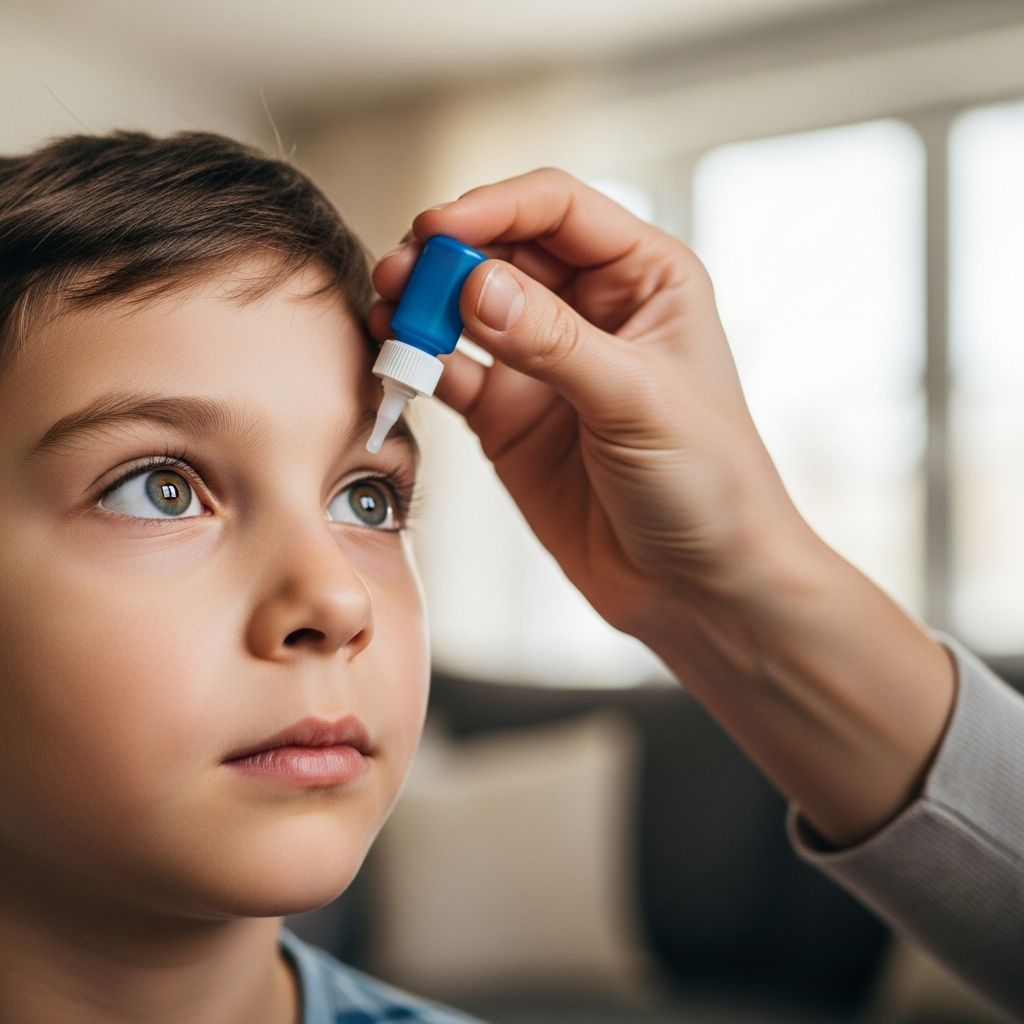
Eye drops serve as a cornerstone of eye care, addressing issues from dryness to allergies, yet they often provoke significant apprehension, particularly among children. This comprehensive guide explores tailored approaches to alleviate fears, enhance administration success, and foster positive experiences for both young patients and adults.
Understanding the Roots of Eye Drop Anxiety
Anxiety surrounding eye drops stems from instinctive aversion to anything nearing the eyes, amplified in children by limited comprehension of the process. Parents frequently report their own stress mirroring their child’s distress during application, creating a cycle of reluctance that can hinder consistent treatment. For adults, prior negative encounters or sensitivity to preservatives exacerbate hesitation.
Research highlights that preschoolers exhibit heightened distress due to poorer cooperation and awareness, with up to a quarter showing uncooperative behavior in clinical settings. Recognizing these emotional barriers is the first step toward effective management.
Tailored Strategies for Children
Addressing pediatric eye drop challenges requires creativity and patience. Key methods include positioning, distraction, and gentle handling to build trust.
- Optimal Positioning Techniques: Lay the child on a soft, stable surface like a carpeted floor to minimize movement. Alternatively, have them sit with their head tilted back, supported by a caregiver.
- Stabilization Aids: Rest your hand on the child’s forehead for steady delivery, allowing the dropper to move with any head shifts. Enlist a second adult to gently secure limbs if needed, using a light blanket wrap for toddlers.
- Distraction Power: Engage with favorite shows, toys, or games to divert attention. Applying drops to closed eyelids reduces anticipation and perceived threat.
These approaches transform a daunting task into a manageable routine, reducing both child distress and parental anxiety.
Eye Drop Types Safe for Young Eyes
Selecting appropriate formulations is crucial for safety and efficacy. Children’s eyes demand gentler options, often preservative-free to prevent irritation.
| Condition | Recommended Drops | Age Suitability | Key Benefits |
|---|---|---|---|
| Dry Eyes/Digital Strain | Preservative-free artificial tears (e.g., Refresh Tears) | 3 years+ | No stinging, long-lasting moisture |
| Allergies | Antihistamine drops (e.g., Zaditor) | 3 years+ | Quick itch relief, non-drowsy |
| Infections | Prescription antibiotics (e.g., Polytrim) | All ages (Rx only) | Targets bacteria effectively |
| Myopia Control | Low-dose atropine (0.05%) | Children/Teens | Slows progression by up to 67% |
| Infant Congestion | Sterile saline spray | Newborns+ | Gentle, non-irritating flush |
For infants under 3, stick to saline or prescribed solutions; avoid OTC unless directed.
Step-by-Step Application Guide for Kids
Mastering the mechanics ensures drops reach their target without waste or discomfort. Follow this 5-step process:
- Prepare the Environment: Wash hands thoroughly and shake the bottle if required.
- Position Comfortably: Have the child lie back or tilt head, pulling down the lower lid to form a pocket.
- Precise Delivery: Hold dropper 1 inch above, squeeze 1-2 drops into the pocket without touching the eye.
- Encourage Absorption: Instruct gentle eye closure for 1-2 minutes; press inner eyelid corner to block tear duct drainage.
- Positive Reinforcement: Praise efforts and offer a reward to associate the process positively.
Related Stories



Avoid rapid blinking or squeezing, which expels medication.
Adult Eye Drop Mastery: Simple Yet Effective
Adults face fewer resistance issues but often struggle with aim or retention. Core principles mirror pediatric tips with added self-reliance.
- Head Tilt and Lid Pull: Lean back, use a mirror, and create the lower lid pocket for accurate placement.
- No-Touch Rule: Keep the tip clean by hovering above the eye surface.
- Retention Trick: Close eyes softly and apply punctal occlusion—pressing the nose bridge—for 2 minutes to maximize absorption and minimize systemic effects.
For multiple drops, wait 5 minutes between types to prevent dilution.
Age-Specific Considerations
Eye care needs evolve with development, influencing drop choices and techniques.
Infants and Toddlers (0-3 Years)
Limited options prioritize safety: saline for blockages, prescriptions for infections. High parental involvement with physical support is essential.
School-Age Children (3-12 Years)
OTC artificial tears and allergy drops become viable. Teach self-application gradually to promote independence.
Teens and Adults
Broad access to adult formulas, but preservative-free remains ideal for contact lens wearers or chronic dry eye.
When to Seek Professional Guidance
Not all eye issues resolve with drops alone. Consult an eye specialist if symptoms persist: ongoing redness, discharge, pain, or vision changes warrant prompt evaluation. Pediatric optometrists can customize plans, especially for myopia management.
Frequently Asked Questions (FAQs)
Are eye drops for kids different from adults?
Yes, pediatric formulas emphasize preservative-free, gentler ingredients to suit sensitive eyes, though many adult options work for older children under guidance.
How do I stop my child from crying during eye drops?
Use distraction, closed-eye application, and stabilization techniques like forehead resting to minimize fear and movement.
Can I use expired eye drops?
No—discard after expiration to avoid contamination risks.
What if drops sting?
Opt for preservative-free varieties; consult a doctor if irritation continues, as it may indicate allergy or improper use.
How often can I use lubricating drops?
Typically 4-6 times daily, but follow label or prescription instructions.
Building Long-Term Comfort with Eye Drops
Consistency breeds familiarity. Start with short sessions, track progress, and involve children in prep to demystify the process. For adults, integrate into daily routines alongside reminders via apps. Over time, these habits safeguard vision against common threats like screen-induced dryness or seasonal allergies.
Empowering both parents and patients with knowledge reduces barriers, ensuring eye drops become allies in health maintenance rather than sources of dread.
References
- The Best Eye Drops for Kids: Safe, Effective, and Long-Lasting Relief — Poudre Valley Eyecare. 2023. https://www.poudrevalleyeyecare.com/blog/the-best-eye-drops-for-kids-safe-effective-and-long-lasting-relief/
- How to Use Eye Drops in Children and Adults — Ranelle. 2024. https://www.ranelle.com/adult-ophthalmology/use-eye-drops-children-adults/
- Are Kids’ Eye Drops the Same as Adults? — Total Vision Campbell. 2023. https://familyeyecare.com/are-kids-eye-drops-the-same-as-adults/
- Experiences of parents instilling eye drops to their young children — PMC (NCBI). 2020-11-23. https://pmc.ncbi.nlm.nih.gov/articles/PMC7653738/
- Eye Drops: Types, Uses, Potential Risks & Benefits — Cleveland Clinic. 2024. https://my.clevelandclinic.org/health/treatments/eye-drops
Similar Articles








Read full bio of medha deb