Overcoming Fear of Water: Practical Strategies and Therapeutic Solutions
Master your water anxiety with evidence-based techniques and professional therapeutic guidance.
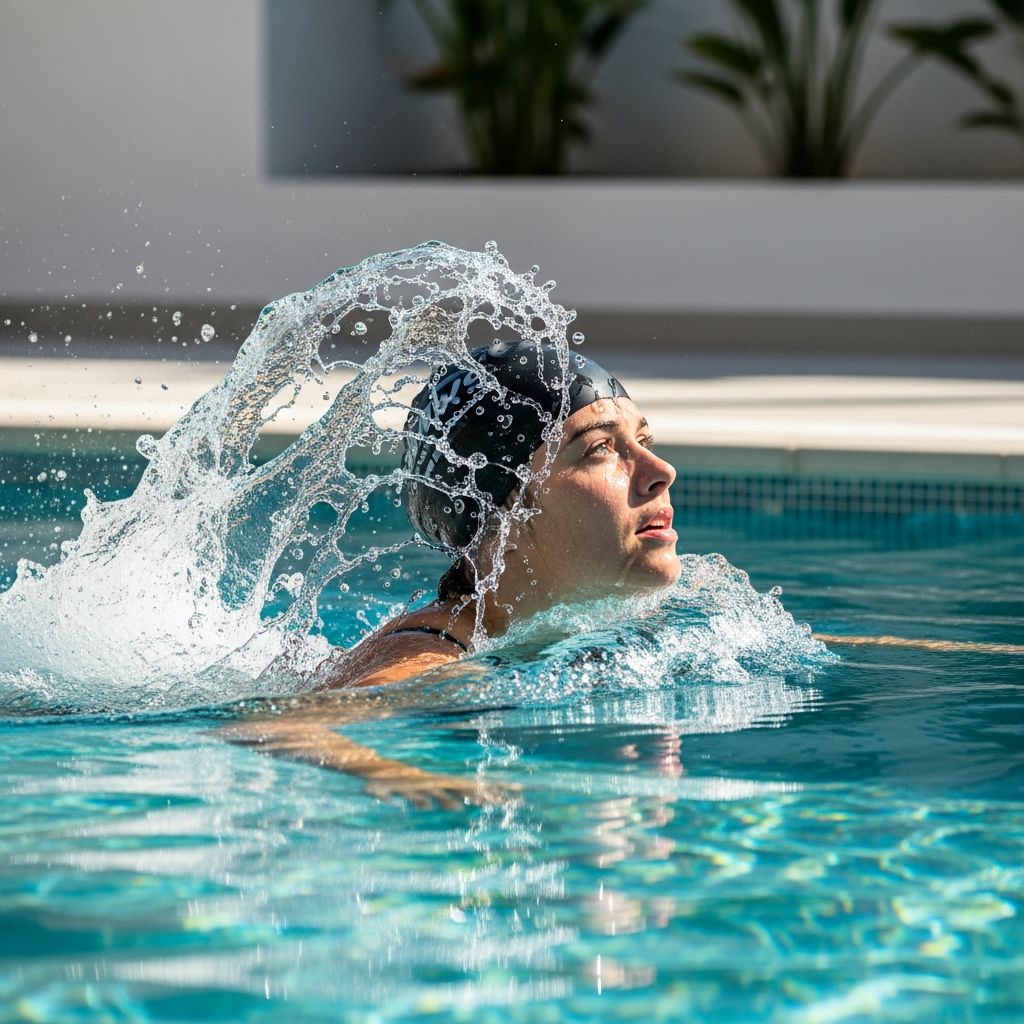
Overcoming Fear of the Water: Reclaim Your Confidence
Fear of water, medically known as aquaphobia, affects a significant portion of the population and can substantially impact quality of life. Whether it’s anxiety around swimming pools, discomfort with ocean waves, or apprehension about water-based activities, this phobia can limit recreational opportunities and social experiences. The good news is that with proper understanding, professional support, and evidence-based strategies, individuals can successfully overcome their water-related fears and develop a healthier relationship with aquatic environments.
Understanding your fear is the first crucial step toward managing it. Aquaphobia often develops from traumatic experiences, lack of early exposure to water, or learned behavior from anxious family members. Once you recognize the root of your anxiety, you can work toward targeted solutions that address both the psychological and physical manifestations of your fear.
Understanding Aquaphobia: More Than Just Nervousness
Aquaphobia is not simply being cautious around water—it’s a specific phobia characterized by intense, often irrational fear that can trigger significant anxiety symptoms. People with aquaphobia may experience panic attacks when merely thinking about water or approaching swimming pools and beaches. This phobia can manifest in various ways, from mild discomfort to severe panic that significantly impacts daily functioning.
The condition affects individuals differently depending on the trigger. Some people fear deep water but feel comfortable in shallow pools, while others experience anxiety in any water environment. Understanding your specific triggers is essential for developing an effective treatment plan.
Common Triggers and Symptoms
Physical symptoms of aquaphobia include rapid heart rate, shortness of breath, trembling, and excessive sweating. Psychological symptoms may include catastrophic thinking, avoidance behaviors, and persistent worry about water-related situations. Recognizing these symptoms early allows you to implement coping strategies before anxiety escalates.
Evidence-Based Treatment Approaches
Professional treatment has proven highly effective for overcoming aquaphobia. Multiple therapeutic approaches address the underlying anxiety and help individuals gradually rebuild confidence in water environments.
Cognitive Behavioral Therapy (CBT)
Cognitive Behavioral Therapy is widely recognized as one of the most effective treatments for specific phobias like aquaphobia. This therapeutic approach focuses on identifying negative thought patterns associated with water and replacing them with more rational, balanced perspectives. During CBT sessions, a therapist helps you examine the thoughts that trigger fear responses and develop alternative ways of thinking about water situations.
The CBT process typically involves several components. First, you’ll identify automatic negative thoughts that arise when thinking about or approaching water. These might include catastrophic predictions like “I will drown” or “I cannot control my panic in water.” Once identified, your therapist helps you challenge these thoughts by examining evidence for and against them. You’ll then develop more realistic, balanced thoughts to replace the anxious ones.
Exposure Therapy
Exposure therapy is another highly effective evidence-based treatment that works by gradually desensitizing you to water-related situations. Rather than avoiding water, which reinforces fear, exposure therapy involves strategic, controlled exposure to water in progressively challenging scenarios.
Exposure therapy typically follows a graduated approach. You might begin with less threatening situations, such as looking at pictures of water or standing near a pool, before progressing to more direct water contact. This gradual exposure, done in a safe therapeutic environment with professional support, helps your brain learn that water situations are not actually dangerous. Over time, your anxiety response diminishes as you accumulate positive experiences with water.
Combined Therapeutic Approaches
Many therapists recommend combining CBT and exposure therapy for optimal results. While CBT addresses the thought patterns driving your fear, exposure therapy provides real-world practice in managing anxiety symptoms in actual water situations. This combination approach addresses both the cognitive and behavioral aspects of aquaphobia, leading to more comprehensive and lasting improvement.
Self-Help Strategies for Managing Water Anxiety
While professional treatment is highly effective, several self-help techniques can complement therapy or serve as initial steps toward managing aquaphobia. These strategies empower you to take active control of your anxiety response.
Acknowledge Your Fear Without Judgment
The first self-help step is accepting your fear rather than fighting it. When you encounter water or think about water situations, your body may enter fight-or-flight mode, triggering physical symptoms like racing heart and sweating. Instead of resisting these sensations, acknowledge them without judgment. Recognize that your body is simply responding to perceived danger, even though the threat isn’t real.
This acceptance approach actually reduces anxiety over time. When you stop fighting your fear response and instead observe it with curiosity, you give your nervous system permission to calm down naturally. Practice saying to yourself: “I’m feeling anxious right now, and that’s okay. This feeling will pass.”
Challenge Negative Thought Patterns
Aquaphobia is often fueled by catastrophic thinking—imagining worst-case scenarios involving water. To counter this, consciously remind yourself of times you’ve been near water without incident. Recall moments when you were in or around water and remained safe. Think about friends and family members who enjoy water activities without problems, and recognize that their safety demonstrates water can be manageable.
When anxious thoughts arise, practice reframing them positively. Instead of thinking “What if I panic in the water?” reframe it as “I can learn to manage anxiety symptoms” or “My body knows how to stay afloat.” This cognitive shift doesn’t deny your fear but channels it toward more productive thinking patterns.
Master Breathing Techniques
Controlled breathing is one of the most powerful tools for managing anxiety symptoms in the moment. When anxiety strikes, your breathing becomes shallow and rapid, which intensifies panic. By deliberately slowing and deepening your breath, you activate your parasympathetic nervous system, which promotes calm and reduces anxiety.
Two particularly effective breathing techniques include:
Diaphragmatic Breathing: Breathe slowly through your nose, feeling your belly expand rather than your chest. Hold briefly, then exhale slowly through your mouth. This deep breathing activates your body’s relaxation response.
Box Breathing: Breathe in for a count of four, hold for four, exhale for four, and hold for four. This rhythmic pattern helps regulate your nervous system and creates a sense of control.
Practice these techniques regularly, especially before anticipated water exposure, so they become automatic when anxiety arises.
Gradual Exposure at Your Own Pace
You can implement your own graduated exposure program outside of formal therapy. Start with the least anxiety-provoking water situation and gradually progress to more challenging scenarios. For example, you might begin by looking at pictures of water, progress to watching others swim, then stand beside a pool, and eventually enter shallow water with support.
The key is moving at a pace that feels manageable. Pushing too hard can increase anxiety, while moving too slowly may limit progress. Find your personal balance, celebrating small victories along the way.
Building Confidence Through Positive Experiences
Overcoming aquaphobia involves accumulating positive experiences with water that contradict your fear-based beliefs. Each successful water interaction, no matter how small, provides evidence that challenges your anxious thoughts. A child who successfully stands in shallow water without panic has just gathered crucial evidence that water situations can be managed.
Consider enrolling in swimming lessons specifically designed for adults with water anxiety. Many instructors specialize in working with fearful swimmers and understand the psychological aspects of aquaphobia. These lessons provide structured, supportive progression that builds both skills and confidence.
When to Seek Professional Help
While self-help strategies are valuable, professional treatment is often necessary for significant aquaphobia. You should seek professional help if your fear severely limits your activities, causes intense anxiety even when not near water, or hasn’t improved with self-directed efforts. Licensed therapists specializing in anxiety disorders can provide targeted treatment and support.
Many therapy options are available, including in-person sessions and teletherapy platforms that provide accessible treatment from your comfortable home environment. Research shows that therapy for aquaphobia typically yields noticeable improvements within 8-12 sessions, with significant anxiety reduction often achieved within 3-6 months of regular treatment.
Understanding Your Progress Timeline
Recovery from aquaphobia is a gradual process that requires patience and self-compassion. Different individuals progress at different rates depending on factors like the severity of their phobia, underlying anxiety levels, consistency with therapy or self-help practice, and past experiences with water.
Rather than focusing on quick fixes, view overcoming aquaphobia as a journey of progressive improvement. You might find that certain water situations become manageable relatively quickly while others require more time. This variability is normal and doesn’t indicate failure. Consistent effort, whether through therapy or self-help strategies, produces cumulative results that lead to meaningful change.
Frequently Asked Questions About Water Phobia
Q: Can aquaphobia be completely cured?
A: Yes, aquaphobia can be effectively managed and largely overcome through evidence-based treatment. While some individuals may retain mild anxiety, most people who engage in therapy or consistent self-help practice achieve significant improvement that allows them to enjoy water activities confidently.
Q: How is aquaphobia different from normal caution around water?
A: Normal caution involves sensible safety awareness around water. Aquaphobia involves intense, often irrational fear that creates significant anxiety and avoidance even in safe water situations, substantially impacting quality of life and daily functioning.
Q: Can children with water fear outgrow it?
A: While some children naturally overcome water anxiety with age and positive exposure, many benefit from structured intervention. Early treatment in childhood often leads to faster and more complete recovery than waiting for natural resolution.
Q: Is medication helpful for treating aquaphobia?
A: While therapy is the primary evidence-based treatment, some individuals benefit from short-term medication to manage anxiety symptoms while engaging in therapy. Consult with a healthcare provider to determine if medication might be appropriate for your situation.
Q: How can I support someone with aquaphobia?
A: Support someone with aquaphobia by validating their fear without reinforcing avoidance, encouraging professional treatment, and celebrating their progress. Avoid forcing exposure or minimizing their anxiety, as these approaches typically intensify rather than resolve the phobia.
Q: Are there specific water activities suitable for people beginning to overcome aquaphobia?
A: Yes, water-based activities like shallow wading, aquatic exercise classes, or hydrotherapy provide structured environments for gradual exposure. These activities combine the therapeutic benefits of water with professional guidance designed specifically for anxious participants.
Key Takeaways for Success
Overcoming aquaphobia requires acknowledging your fear, challenging negative thought patterns, and developing coping strategies through self-help or professional treatment. Cognitive Behavioral Therapy and exposure therapy provide evidence-based approaches to address both the psychological and behavioral aspects of water anxiety. Remember that recovery is gradual, requiring patience and self-compassion as you accumulate positive water experiences that challenge your fear-based beliefs. Whether through therapy, self-directed practice, or a combination of approaches, reclaiming confidence in water is entirely achievable. The key is moving at your own pace while consistently working toward your goal of water-related wellness.
References
- Overcoming Aquaphobia: Coping with Fear of Water — ReachLink. 2025. https://reachlink.com/advice/phobias/overcoming-aquaphobia-coping-with-fear-of-water/
Similar Articles








Read full bio of medha deb