Overpronation: Causes, Symptoms, and Treatment Options
Understanding overpronation: Learn how excessive inward foot rolling affects your health and mobility.
Understanding Overpronation
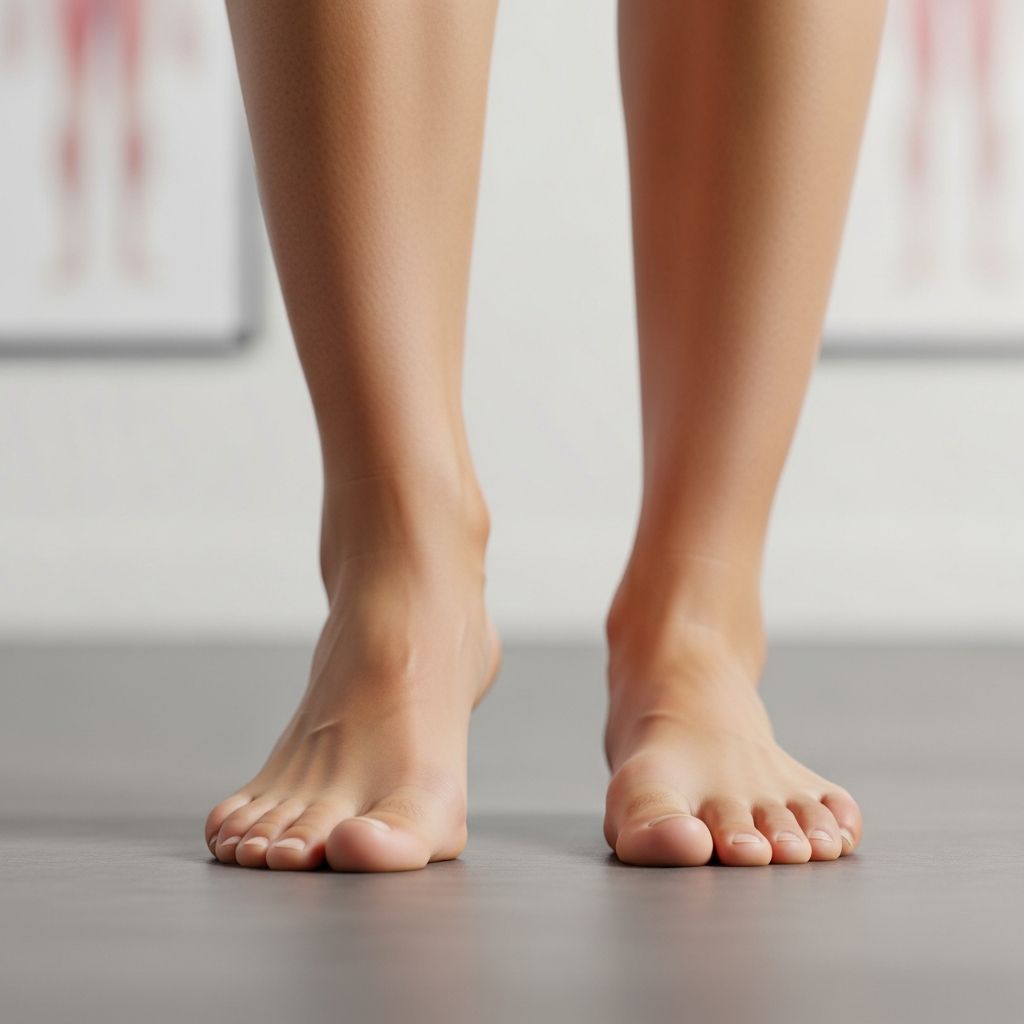
Overpronation is a common biomechanical issue that affects how your foot strikes the ground and distributes pressure during walking or running. When you walk or run, pronation is your foot’s natural tendency to roll inward as it connects with the ground. This inward rolling motion is a normal part of the gait cycle and helps your body absorb shock and distribute impact forces. However, when this inward roll becomes excessive, it’s called overpronation. During overpronation, your ankle and foot continue to roll inward even when your toes should be pushing off of the ground. This movement places more pressure on the inner side of your foot and puts greater strain on your big toe and second toe, affecting the entire biomechanical chain from your feet up through your ankles, knees, hips, and lower back.
What Causes Overpronation?
Overpronation can result from various factors, including structural and functional issues. Understanding the underlying causes is essential for developing an effective treatment plan. Several biomechanical factors contribute to excessive pronation:
- Flat feet or collapsed arches that lack proper structural support
- Weak foot and leg muscles that cannot adequately support the arch
- Tight calf muscles that alter foot mechanics
- Ligament laxity or loose connective tissues
- Certain genetic predispositions to foot structure variations
- Increased body weight that places additional stress on the feet
- Improper footwear lacking adequate arch support
- Previous foot or ankle injuries that affect biomechanics
According to podiatric biomechanics specialists, overpronation typically occurs alongside flat feet, where the biomechanical imbalance caused by flat feet leads to excessive inward rolling of the foot. This creates a cycle where weak arches contribute to overpronation, which in turn can further weaken and flatten the arch structure over time.
Recognizing the Symptoms of Overpronation
Identifying overpronation early can help prevent more serious complications from developing. The symptoms of overpronation can vary in severity and may include:
- Pain or discomfort in the arches, heels, ankles, or knees
- Fatigue or achiness in the feet or lower legs, particularly after standing or physical activity
- Difficulty finding shoes that fit comfortably
- Excessive wear on the inner side of shoes, particularly the inside heel
- Pain that radiates from the feet through the lower legs and into the knees
- Shin splints or persistent shin pain during or after running
- Heel pain, especially in the morning or after prolonged activity
- Lower back pain that develops or worsens with physical activity
One of the most noticeable effects of overpronation is pain and discomfort in the feet and lower body. The excessive rolling of the foot can cause strain on the arches, leading to arch and heel pain. It can also contribute to problems in other body parts, such as shin splints, knee pain, and lower back pain, as the misalignment in the feet affects the lower body’s alignment.
Diagnosing Overpronation
Proper diagnosis of overpronation involves both visual assessment and professional evaluation. A podiatrist or orthopedic specialist can perform several diagnostic tests:
Shoe Wear Pattern Analysis
One of the simplest ways to assess overpronation is by examining the wear pattern of your shoes. If the inside section of your shoes’ soles shows more wear than the outside, particularly on the inner heel area, you might have overpronation. This visual indicator is often the first clue that excessive pronation is occurring.
Gait Evaluation
A professional gait analysis involves walking or running while a specialist observes your foot mechanics. Modern technological improvements, including computer analysis, can provide accurate information about the forces and patterns of the feet and lower legs, offering comprehensive insights into biomechanical issues.
Related Stories



Physical Examination
Healthcare providers assess foot structure, arch height, ankle stability, and range of motion. They also evaluate muscle strength and flexibility in the feet and legs to identify contributing factors to overpronation.
Health Risks Associated with Overpronation
While some degree of pronation is normal and necessary, overpronation can lead to significant health problems if left untreated. Understanding these risks emphasizes the importance of early intervention and proper management.
Common Injuries Related to Overpronation
Overpronation can be correlated with numerous injuries and conditions, including:
- IT band syndrome, which causes knee and hip pain
- Heel pain and plantar fasciitis, affecting the bottom of the foot
- Achilles tendonitis, causing pain in the back of the heel
- Bunions, progressive deformities of the big toe joint
- Back pain extending through the lower spine
- Shin splints, characterized by pain along the shinbone
- Patellofemoral pain, affecting the kneecap region
- Hammertoes and Morton’s neuroma, nerve-related foot conditions
Overpronation puts the foot in a far less stable position, which can impact the biomechanics of your lower leg. This instability forces compensatory movements throughout the kinetic chain, placing excessive stress on joints, ligaments, and muscles that are not designed to handle such forces.
Over time, untreated overpronation can lead to more serious and chronic issues. The cumulative stress on foot structures can result in degenerative changes, making conditions like arthritis more likely in later years.
Treatment Options for Overpronation
Fortunately, podiatrists and healthcare providers can offer multiple solutions to help alleviate the effects of overpronation and prevent further complications. Treatment approaches vary based on severity and individual needs.
Custom Orthotics and Shoe Inserts
Custom orthotics are specially designed shoe inserts created specifically for your foot structure and gait pattern. These devices provide targeted arch support and help realign your foot to reduce excessive inward rolling. Additionally, heel wedges and arch pads can be recommended to improve foot alignment and address specific biomechanical issues.
Footwear Selection
Choosing appropriate footwear is crucial for managing overpronation. Look for shoes that offer:
- Proper arch support to ease strain on weak arches
- Motion control features that limit excessive pronation
- Cushioning in the heel and forefoot areas
- Adequate stability features for your specific foot type
- Regular replacement, typically every 300–350 miles for overpronators
Once the foam loses bounce or your arch support caves in, shoes become less effective at controlling pronation, making regular replacement essential.
Stretching and Strengthening Exercises
Physical therapy exercises that focus on strengthening the muscles and tendons of the feet, ankles, and lower legs can improve flexibility, strength, and stability. Effective exercises include:
- Arch lifts to strengthen intrinsic foot muscles
- Marble pickups using your toes to engage foot muscles
- Heel raises to strengthen calf muscles
- Heel walking and toe walking for targeted muscle activation
- Calf stretches to reduce tightness affecting foot mechanics
- Toe extensions and flexions for foot flexibility
Activity Modification
Reducing high-impact activities, such as excessive running or jumping, can help minimize stress on the feet and lower legs, especially for individuals prone to overuse injuries. This doesn’t mean eliminating exercise entirely, but rather adjusting intensity and type of activities while recovering from overpronation-related issues.
Professional Consultation
Seeking advice from a podiatrist or orthopedic specialist is essential for personalized solutions tailored to your specific condition. These specialists can provide comprehensive gait evaluations and discuss whether custom orthotics may be needed to keep your feet healthy and pain-free.
Prevention Strategies for Overpronation
Preventing overpronation or limiting its progression involves proactive measures:
- Maintain a healthy weight to reduce stress on foot structures
- Wear supportive footwear appropriate for your activities
- Perform regular stretching and strengthening exercises
- Monitor shoe wear patterns and replace footwear regularly
- Gradually increase activity intensity to avoid overuse injuries
- Include cross-training exercises to build balanced strength
Frequently Asked Questions About Overpronation
Q: Is overpronation hereditary?
A: While certain genetic predispositions can influence foot structure and arch height, overpronation is not entirely hereditary. Environmental factors like footwear choices, activity levels, and body weight also play significant roles in developing this condition.
Q: Can overpronation be completely cured?
A: Overpronation can be effectively managed and controlled through appropriate interventions like custom orthotics, proper footwear, and exercises. However, if it’s related to structural foot characteristics, it may require ongoing management rather than a complete cure.
Q: How long does it take to see improvement with treatment?
A: Most people notice improvements within 4–8 weeks of consistent treatment, including proper footwear and exercises. However, chronic conditions may require several months of dedicated management for significant relief.
Q: Can children have overpronation?
A: Yes, children can develop overpronation, though it’s often part of normal development. Flat feet are common in young children, and most naturally develop arches by age 6–8. If problems persist, professional evaluation is recommended.
Q: Is overpronation the same as having flat feet?
A: While overpronation often occurs alongside flat feet, they are not identical conditions. Flat feet refer to the structural absence of an arch, while overpronation describes the excessive inward rolling motion of the foot. However, flat feet typically lead to overpronation.
Q: Should I avoid running if I have overpronation?
A: You don’t need to avoid running entirely, but you should use proper footwear and consider gait correction techniques. Many overpronators successfully continue running with appropriate support and exercise routines designed to strengthen their feet and legs.
References
- Pronation vs. Supination: What Runners Need to Know — Peloton. 2024. https://www.onepeloton.com/blog/pronation-vs-supination
- How Overpronation Can Affect the Feet — Advanced Ankle & Foot Care. 2024. https://clevelandfeet.com/blogs/item/135-how-overpronation-can-affect-the-feet
- Signs Your Shoes Are Failing Your Overpronation — Runners Blueprint. 2024. https://www.runnersblueprint.com/signs-your-shoes-are-failing-your-overpronation-and-what-to-do-about-it/
- Flat Feet and Overpronation: Causes, Symptoms, and Management Strategies — Florida Foot & Ankle Institute. 2024. https://floridafai.com/learn/flat-feet-and-overpronation-causes-symptoms-and-management-strategies/
- 4 Best Exercises for Flat Feet and Fallen Arches — Cleveland Clinic. 2024. https://health.clevelandclinic.org/exercises-flat-feet-fallen-arches
- Flat Feet (Pes Planus): Types, Symptoms & Treatment — Cleveland Clinic. 2024. https://my.clevelandclinic.org/health/diseases/flat-feet-pes-planus
Similar Articles








Read full bio of Sneha Tete