Male Anatomy: Essential Guide To Reproductive & Urinary Systems
Understanding the male reproductive and urinary systems: structure, function, and health.
Overview of the Male Anatomy
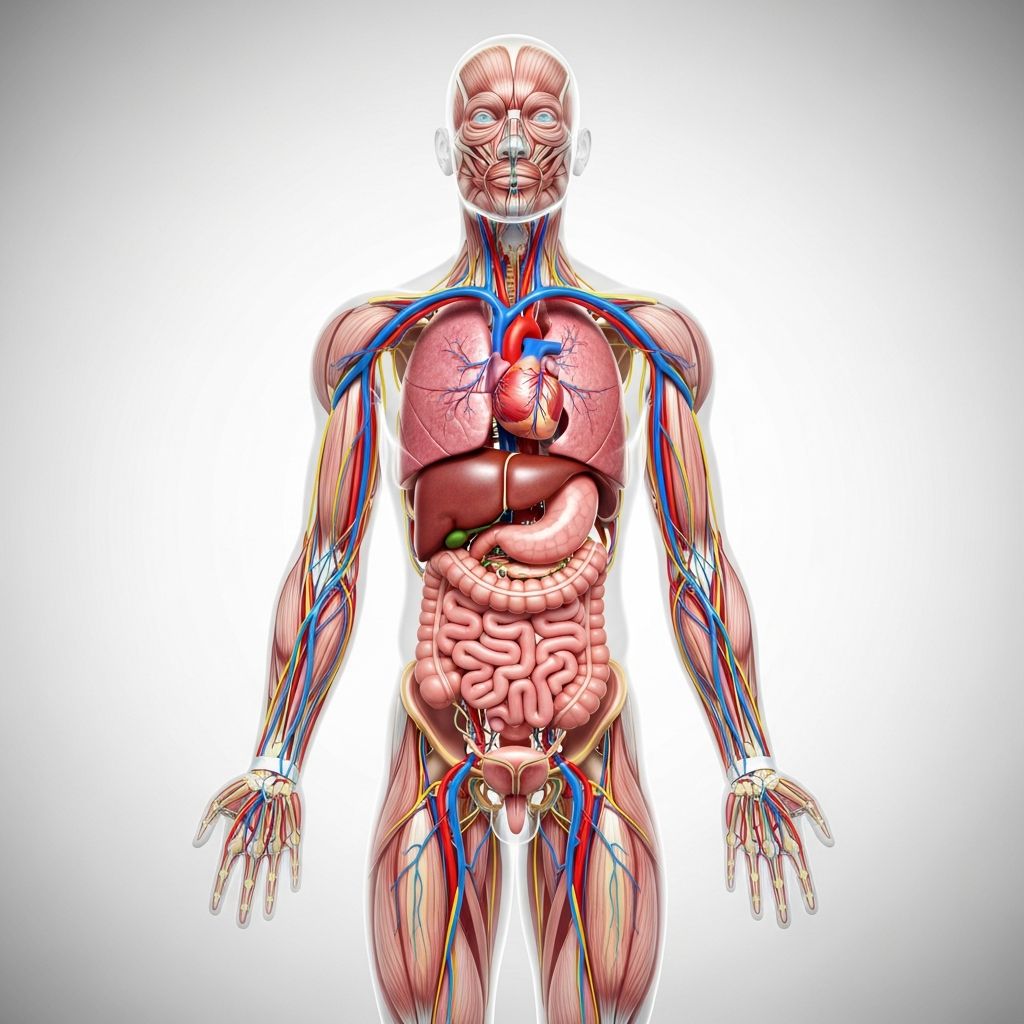
Understanding the male body’s anatomical structures is essential for maintaining optimal health and recognizing potential medical concerns. The male reproductive and urinary systems work together in a complex network of organs, glands, and ducts that enable reproduction and waste elimination. This comprehensive guide explores the key components of male anatomy, their functions, and how they work together to maintain health and support reproductive capabilities.
The External Reproductive Structures
The external male reproductive anatomy consists of the penis, scrotum, and surrounding tissues. These structures play crucial roles in sexual function, reproduction, and urinary elimination.
The Penis
The penis is a tubular organ composed of three columns of erectile tissue: two corpora cavernosa and the corpus spongiosum, which surrounds the urethra. During sexual arousal, blood fills these tissues, causing the penis to become rigid and erect, enabling penetration during sexual intercourse. The head of the penis, called the glans, is highly sensitive and contains numerous nerve endings that contribute to sexual pleasure. The foreskin, or prepuce, is a retractable fold of skin that covers the glans in uncircumcised males. The urethra, a tube running through the center of the penis, serves a dual purpose: it carries urine from the bladder and semen during ejaculation.
The Scrotum
The scrotum is a pouch of skin and muscle located beneath the penis that contains and protects the testes. This external positioning is critical for maintaining proper testicular temperature, approximately 2-3 degrees Celsius below core body temperature, which is essential for optimal sperm production. The scrotal muscles contract in response to cold temperatures to draw the testes closer to the body for warmth, and relax in response to heat to allow the testes to hang away from the body for cooling. The dartos muscle and cremaster reflex work together to regulate testicular temperature automatically.
Internal Reproductive Organs
The internal male reproductive system comprises several vital structures that work together to produce, store, and transport sperm and seminal fluid.
The Testes
The testes are two oval-shaped glands located within the scrotum, typically measuring about 1.5 inches in length. These are the primary male reproductive organs responsible for producing sperm and testosterone, the primary male sex hormone. Each testis contains approximately 250 to 1,000 seminiferous tubules, where sperm production occurs through a process called spermatogenesis. This process takes approximately 72 days from start to finish. The testes also contain Leydig cells, which produce testosterone and other androgens that regulate male sexual characteristics, bone density, muscle mass, and sexual function. Sperm production begins at puberty and continues throughout a man’s life, though production may gradually decline with age.
The Epididymis
The epididymis is a long, coiled tube attached to the back of each testis that serves as a storage and maturation site for sperm. Newly produced sperm from the seminiferous tubules are immature and non-motile. As they travel through the epididymis, which takes approximately 12 days, they mature and gain motility, the ability to move and swim toward the egg. The epididymis also concentrates sperm by reabsorbing fluid, creating a dense population of mature, viable sperm ready for ejaculation.
The Vas Deferens
The vas deferens, also called the ductus deferens, is a muscular tube that transports mature sperm from the epididymis toward the urethra during ejaculation. This tube, approximately 18 inches long, has a thick muscular wall lined with smooth muscle fibers that contract to propel sperm forward. The vas deferens is the structure that is severed during a vasectomy, a permanent male contraceptive procedure. In addition to its role in sperm transport, the vas deferens stores sperm and can hold them for extended periods if ejaculation does not occur.
Related Stories



The Seminal Vesicles
The seminal vesicles are two small glands located behind the bladder that produce approximately 70% of seminal fluid. This nutritious fluid contains fructose, which provides energy for sperm, and prostaglandins, which may help sperm movement and fertilization. The seminal vesicles secrete their contents into the ejaculatory ducts during ejaculation, contributing to the volume and composition of semen.
The Prostate Gland
The prostate is a walnut-sized gland that surrounds the urethra just below the bladder. This gland produces a slightly acidic fluid that comprises about 30% of seminal fluid and is essential for sperm viability and motility. Prostate fluid contains enzymes, citric acid, and other substances that help neutralize the acidic environment of the vagina and improve sperm survival. The prostate is composed of muscular and glandular tissue and undergoes changes throughout a man’s lifetime. Benign prostatic hyperplasia (BPH), an enlargement of the prostate, is common in older men and can affect urinary function. Prostate cancer is one of the most common cancers in men, making regular screening important for early detection.
The Bulbourethral Glands
Also known as Cowper’s glands, the bulbourethral glands are two small pea-sized glands located beneath the prostate. During sexual arousal, these glands secrete a clear, slippery fluid that lubricates the urethra and neutralizes acidic urine residue. This pre-ejaculatory fluid, often called pre-ejaculate or “pre-come,” can contain motile sperm and plays an important role in preparing the urethra for sperm passage. The secretions from the bulbourethral glands represent a small percentage of total seminal volume.
The Urinary System
While the urinary system is separate from the reproductive system, it shares anatomical connections in males, particularly at the urethra, which serves both functions.
The Urethra
The male urethra is a long tube approximately 8-10 inches in length that extends from the bladder through the prostate, through the penis, and opens at the external urethral meatus. The urethra is divided into three sections: the prostatic urethra, the membranous urethra, and the spongy urethra. During urination, the bladder muscles contract while the urethral sphincters relax, allowing urine to flow through the urethra and out of the body. During ejaculation, a different set of muscles contracts to prevent urine flow while allowing semen to pass through the urethra. This switching mechanism ensures that urine and semen do not mix during ejaculation.
Hormonal Regulation
Male reproductive function is controlled by a complex system of hormones produced by the brain, pituitary gland, and testes. The hypothalamus releases gonadotropin-releasing hormone (GnRH), which stimulates the pituitary gland to produce follicle-stimulating hormone (FSH) and luteinizing hormone (LH). FSH stimulates sperm production in the seminiferous tubules, while LH stimulates testosterone production by Leydig cells. Testosterone is the primary male sex hormone responsible for developing and maintaining male sexual characteristics, including facial hair, deep voice, muscle mass, and sex drive. Negative feedback mechanisms ensure that hormone levels remain balanced: when testosterone levels are high, they inhibit further GnRH and LH release, preventing overproduction.
Semen Composition and Function
Semen is a complex fluid composed of sperm cells and secretions from multiple reproductive glands. A typical ejaculation contains 2-5 milliliters of semen, with sperm comprising only about 5% of the total volume. The remaining 95% consists of fluids from the seminal vesicles, prostate, and bulbourethral glands. Semen has several important functions: it provides a medium for sperm transport, supplies nutrients for sperm energy, contains enzymes that help sperm penetrate the egg, and contains substances that may help sperm survive in the acidic vaginal environment. The pH of semen is slightly alkaline, typically between 7.2 and 7.8, which helps counteract vaginal acidity.
Age-Related Changes
The male reproductive system undergoes significant changes throughout life. At puberty, typically between ages 9 and 14, the testes increase in size and begin producing testosterone and sperm. This hormonal surge drives the development of secondary sexual characteristics. During early adulthood and middle age, reproductive function generally remains stable. However, after age 30, testosterone levels gradually decline at a rate of approximately 1% per year, which is a normal part of aging. This decline may affect sexual function, muscle mass, bone density, and energy levels. In later years, many men experience reduced sperm production, though some men remain fertile into their 70s and 80s. Erectile dysfunction becomes more common with age due to decreased blood flow and hormonal changes, though it is treatable with various medical interventions.
Common Health Considerations
Understanding male anatomy helps identify potential health issues early. Testicular cancer typically appears as a painless lump in the testis and is more common in younger men. Prostate issues, including benign prostatic hyperplasia and prostate cancer, increase with age. Erectile dysfunction can result from cardiovascular disease, diabetes, hormonal imbalances, or psychological factors. Sexually transmitted infections (STIs) can affect various reproductive structures. Regular self-examinations, such as testicular self-exams, and routine health screenings are important preventive measures.
Frequently Asked Questions
Q: At what age do males typically reach sexual maturity?
A: Males typically begin puberty between ages 9 and 14, with most developmental changes occurring by the late teens, though sexual maturation can continue into the early 20s.
Q: How long does it take for sperm to mature?
A: Sperm production takes approximately 72 days from initial formation in the seminiferous tubules through maturation in the epididymis, where they spend an additional 12 days maturing and gaining motility.
Q: What is the normal size of the prostate gland?
A: A healthy prostate gland is typically about the size of a walnut, approximately 3 centimeters in diameter, though size can vary among individuals.
Q: Why is scrotal temperature regulation important?
A: The scrotum maintains testes at a temperature 2-3 degrees Celsius below core body temperature because sperm production is highly temperature-sensitive and requires this cooler environment for optimal function.
Q: Can sperm production continue throughout life?
A: Yes, sperm production can continue throughout a man’s entire life, though the quantity and quality of sperm may gradually decline with age, particularly after age 40.
Q: What percentage of semen is actually sperm?
A: Sperm comprises only about 5% of seminal fluid, with the remaining 95% consisting of secretions from the seminal vesicles, prostate gland, and bulbourethral glands.
References
- Development of the male reproductive system — Johns Hopkins University School of Medicine. 2024. https://pure.johnshopkins.edu/en/publications/development-of-the-male-reproductive-system-3/
- Anatomy and Physiology of the Male Reproductive System — National Institutes of Health, National Center for Biotechnology Information. 2023. https://www.ncbi.nlm.nih.gov/books/
- Hormonal Control of the Male Reproductive System — American Academy of Family Physicians. 2024. https://www.aafp.org
- Testicular Health and Spermatogenesis — Urology Care Foundation. 2023. https://www.urologyhealth.org
- Prostate Health and Disease Prevention — American Cancer Society. 2024. https://www.cancer.org
Similar Articles








Read full bio of medha deb