Nervous System Disorders: Symptoms, Diagnosis, Treatment
Comprehensive guide to nervous system disorders: causes, symptoms, diagnosis, and treatment options.
Understanding the Nervous System and Its Disorders
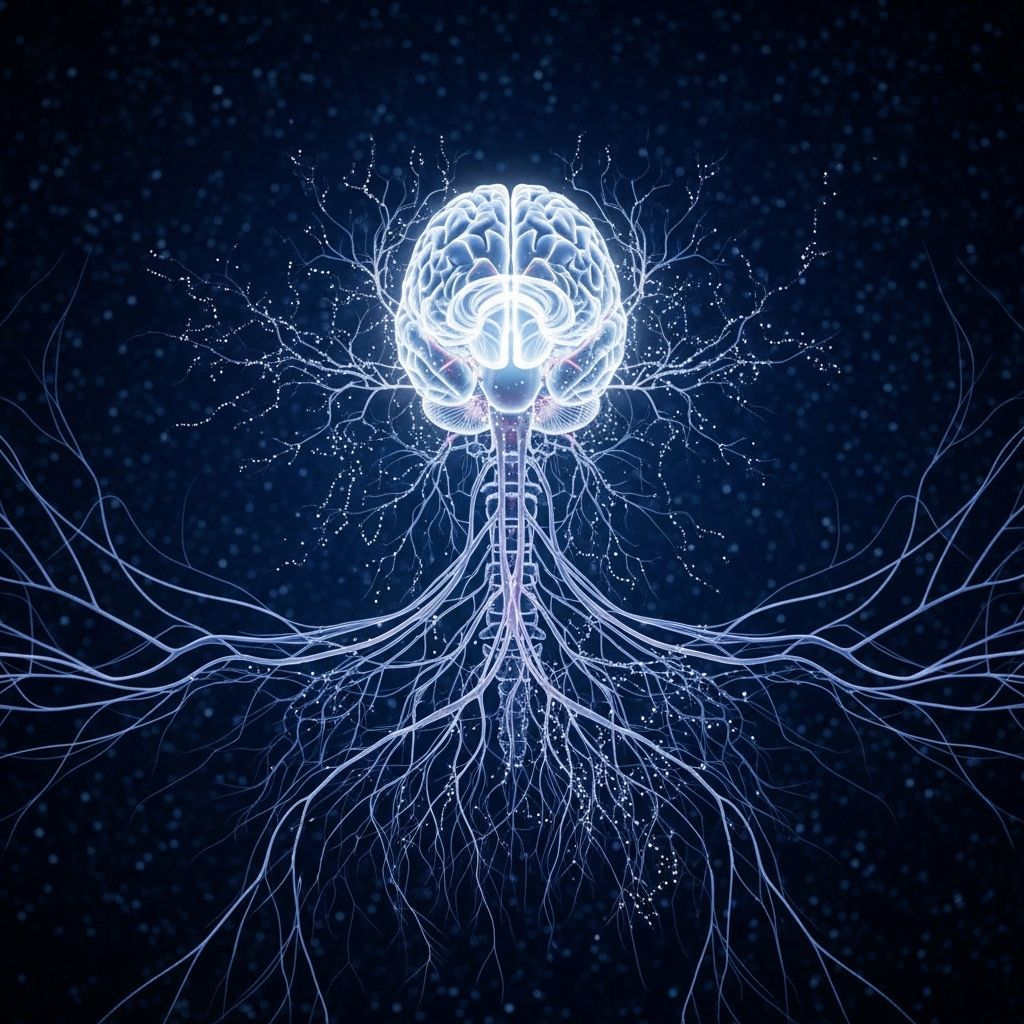
The nervous system is one of the most complex and vital systems in the human body, responsible for coordinating all physical and mental functions. When this intricate network malfunctions, it can result in a wide range of neurological disorders that significantly impact quality of life. Understanding the structure of the nervous system and the various conditions that can affect it is essential for recognizing symptoms early and seeking appropriate medical care.
Nervous system disorders can range from mild conditions that cause temporary discomfort to severe diseases that profoundly affect mobility, cognition, and overall functioning. These disorders can develop suddenly or progress gradually over time, and they may be caused by infections, injuries, genetic factors, degenerative processes, or vascular complications. Whether affecting the central nervous system or peripheral nerves, these conditions require specialized medical attention and comprehensive management strategies.
Anatomy of the Nervous System
To understand nervous system disorders, it is important to first grasp the basic anatomy of this complex system. The nervous system is divided into two primary anatomical compartments, each with distinct functions and susceptibility to different types of disorders.
The Central Nervous System (CNS)
The central nervous system comprises the brain and spinal cord, serving as the command center for all bodily functions. The brain contains billions of neurons and controls everything from basic survival functions like breathing and heart rate to higher-order processes such as thinking, memory, and emotion. The spinal cord acts as the information highway, transmitting signals between the brain and the rest of the body. Damage to either the brain or spinal cord can result in severe functional impairment.
The Peripheral Nervous System (PNS)
The peripheral nervous system consists of larger and smaller nerves that extend from the spinal cord to connect with muscles, skin, and internal organs throughout the body. The PNS is further divided into the somatic nervous system, which controls voluntary movements, and the autonomic nervous system, which regulates involuntary functions such as heart rate, digestion, and breathing. This extensive network allows for communication between the central nervous system and the rest of the body.
Common Nervous System Disorders
Nervous system disorders encompass a diverse range of conditions affecting different parts of the nervous system. Understanding these categories helps healthcare providers diagnose and treat patients more effectively.
Degenerative Diseases
Degenerative diseases affect the structure and function of the nervous system over time, causing progressive deterioration. These conditions include:
– Alzheimer’s disease, characterized by memory loss and cognitive decline- Parkinson’s disease, affecting movement control and causing tremors- Multiple sclerosis, an autoimmune condition damaging nerve insulation- Amyotrophic lateral sclerosis (ALS), causing progressive muscle weakness
Vascular Disorders
Vascular disorders affect blood flow within the nervous system, potentially depriving neurons of essential oxygen and nutrients. Common vascular conditions include:
– Stroke, caused by blocked or ruptured blood vessels in the brain- Transient ischemic attack (TIA), temporary reduction in blood flow- Subarachnoid hemorrhage, bleeding in the space surrounding the brain- Cerebral aneurysms and arteriovenous malformations
Related Stories



Infections
Various infections can affect the nervous system, causing inflammation and damage to neural tissue. Important infectious conditions include:
– Meningitis, inflammation of membranes surrounding the brain and spinal cord- Encephalitis, inflammation of the brain itself- Epidural abscess, bacterial infection in the space surrounding the spinal cord
Peripheral Neuropathy
Peripheral neuropathy involves inflammation and damage to the peripheral nerves, affecting approximately 5-10% of people with certain autoimmune conditions. This disorder can target either large-fiber or small-fiber nerves, resulting in different symptom patterns. Large-fiber neuropathy typically causes weakness and numbness, while small-fiber neuropathy often presents with burning pain and prickling sensations without significant weakness.
Movement Disorders
Movement disorders affect the brain structures and neural pathways that control voluntary movement. Conditions in this category include Parkinson’s disease, essential tremor, dystonia, and chorea. These disorders can result in involuntary movements, rigidity, or difficulty initiating movement.
Seizure Disorders
Epilepsy and other seizure disorders involve abnormal electrical activity in the brain, causing recurrent seizures. These can range from brief episodes of altered awareness to severe convulsions affecting the entire body.
Structural Disorders
These include conditions affecting the physical structure of the nervous system, such as spinal cord compression, herniated discs, and syringomyelia. Brain tumors, both benign and malignant, represent another important category of structural nervous system disorders.
Neurological Complications in Autoimmune Conditions
Neurological complications may affect 10-20% of individuals with certain autoimmune conditions, causing symptoms ranging from cognitive difficulties to neuropathic pain. Autoimmune disorders can target both the central and peripheral nervous systems, causing a wide spectrum of complications.
Autonomic Neuropathy
Autonomic neuropathy involves damage to nerves that regulate involuntary body functions including heart rate, respiration, and digestion. Symptoms include lightheadedness upon standing, abnormal sweating patterns, and early satiety. This condition requires careful medical monitoring due to its potential impact on cardiovascular function.
Trigeminal and Glossopharyngeal Neuralgia
These painful conditions involve specific cranial nerves. Trigeminal neuralgia causes numbness or burning of the face, while glossopharyngeal neuralgia presents as pain in the back of the throat that may worsen during swallowing. Both conditions can cause severe, agonizing facial and oral pain requiring specialized treatment.
Mononeuritis Multiplex
Mononeuritis multiplex refers to deficits in motor and sensory function in at least two different body regions supplied by specific peripheral nerves. These episodes of numbness or weakness often develop suddenly and require comprehensive diagnostic evaluation including nerve-conduction tests and sometimes nerve or muscle biopsy.
Neuromyelitis Optica
Neuromyelitis optica (NMO), also known as Devic’s syndrome, can occur as a complication of certain autoimmune conditions. This disorder causes inflammation of the optic nerves and spinal cord, resulting in optic neuritis and myelitis. The pattern of spinal cord involvement in NMO differs significantly from multiple sclerosis, typically causing more severe weakness and potential for future relapses.
Diagnosis of Nervous System Disorders
Accurate diagnosis of nervous system disorders requires a combination of clinical evaluation and specialized testing. The diagnostic approach depends on the suspected condition and the systems affected.
Clinical Evaluation
A thorough neurological examination remains the foundation of diagnosis, assessing mental status, cranial nerves, motor function, sensation, coordination, and reflexes. Healthcare providers also take detailed patient histories, noting symptom onset, progression, and associated factors.
Electrodiagnostic Testing
For peripheral nervous system disorders, the most common diagnostic techniques are electromyography (EMG) and nerve conduction studies. These tests measure electrical activity in muscles and the ability of nerves to transmit signals, helping identify the location and severity of nerve damage.
Imaging Studies
Magnetic resonance imaging (MRI) and computed tomography (CT) scans provide detailed images of brain and spinal cord structures, helping identify tumors, lesions, inflammation, or structural abnormalities. Brain MRI studies can help distinguish between different conditions with overlapping symptoms, such as differentiating between primary-progressive multiple sclerosis and autoimmune conditions affecting the nervous system.
Lumbar Puncture and Cerebrospinal Fluid Analysis
Spinal taps allow collection of cerebrospinal fluid for analysis, helping diagnose infections, inflammation, and certain neurological conditions. This procedure can be particularly useful in distinguishing between central nervous system disorders with similar presentations.
Blood Tests and Laboratory Studies
Laboratory tests can identify autoimmune markers, infections, metabolic disorders, and other systemic conditions affecting the nervous system. Specific antibody testing may help diagnose autoimmune neurological conditions.
Treatment Approaches for Nervous System Disorders
Treatment strategies for nervous system disorders vary widely depending on the specific condition, severity, and individual patient factors. A comprehensive treatment approach often combines multiple therapeutic modalities.
Pharmacological Treatments
Medications form a cornerstone of treatment for many nervous system disorders. These may include disease-modifying agents, symptom-management medications, pain relievers, and medications to address specific complications such as muscle spasticity or tremor.
Rehabilitation and Physical Therapy
Physical and occupational therapy help maintain or improve functional abilities, address movement disorders, and optimize compensatory strategies. Speech therapy may be necessary for disorders affecting communication or swallowing. Rehabilitation programs can be particularly effective in addressing functional neurological symptoms through reprogramming of neural pathways.
Psychological and Behavioral Interventions
Mental health support, cognitive behavioral therapy, and other psychological interventions play an important role in managing nervous system disorders. These approaches address both the emotional impact of chronic neurological conditions and specific neurological manifestations in functional disorders.
Surgical Interventions
Some nervous system disorders require surgical treatment, such as tumor removal, spinal cord decompression, or deep brain stimulation for movement disorders. Surgical options are considered when conservative treatment is insufficient or when structural abnormalities require direct intervention.
Frequently Asked Questions About Nervous System Disorders
Q: What are the most common warning signs of nervous system disorders?
A: Common warning signs include persistent headaches, numbness or tingling in extremities, muscle weakness, tremors, balance problems, vision changes, memory difficulties, and unexplained pain. Any persistent neurological symptoms should be evaluated by a healthcare provider.
Q: Can nervous system disorders be prevented?
A: While some nervous system disorders cannot be prevented, maintaining overall health through regular exercise, a balanced diet, cognitive engagement, stress management, and avoiding head injuries can reduce the risk of certain conditions. Managing chronic diseases like diabetes and hypertension is also important for preventing vascular neurological complications.
Q: How are nervous system disorders diagnosed?
A: Diagnosis typically involves clinical neurological examination combined with specialized testing such as MRI, CT scans, electromyography, nerve conduction studies, and blood tests. In some cases, spinal taps or brain imaging may be necessary to confirm diagnosis.
Q: Are nervous system disorders treatable?
A: Many nervous system disorders can be managed effectively with appropriate treatment, though cure depends on the specific condition. Early diagnosis and intervention often lead to better outcomes and improved quality of life.
Q: When should I see a neurologist?
A: Consult a neurologist if you experience persistent headaches, unexplained weakness, numbness, balance problems, seizures, tremors, memory loss, or other concerning neurological symptoms. Your primary care physician can provide a referral to a neurologist.
Living with Nervous System Disorders
Managing nervous system disorders requires a multidisciplinary approach involving healthcare providers, rehabilitation specialists, mental health professionals, and strong support systems. Patients benefit from understanding their condition, adhering to treatment plans, maintaining regular medical follow-up, and engaging in activities that support overall health and well-being.
Support groups and patient advocacy organizations provide valuable resources, connecting individuals with others who share similar experiences and providing education about specific conditions. Lifestyle modifications, including regular physical activity adapted to individual capabilities, stress reduction techniques, adequate sleep, and cognitive engagement, can significantly impact outcomes and quality of life.
Conclusion
Nervous system disorders encompass a broad range of conditions affecting the brain, spinal cord, and peripheral nerves. While these disorders present significant challenges, advances in diagnostic techniques and treatment options have improved outcomes for many patients. Early recognition of symptoms, accurate diagnosis, and comprehensive treatment approaches combining medication, rehabilitation, and psychological support offer the best opportunities for managing these complex conditions and maintaining quality of life.
References
- Neurologic Complications — Johns Hopkins Sjögren’s Center. 2024. https://www.hopkinssjogrens.org/disease-information/sjogrens-disease/neurologic-complications/
- Functional Neurological Symptom Disorder (FND) — Johns Hopkins Psychiatry and Behavioral Sciences. 2024. https://www.hopkinsmedicine.org/
- Techniques for Neurological Disorders — National Center for Biotechnology Information, U.S. National Library of Medicine. 2024. https://www.ncbi.nlm.nih.gov/books/NBK593674/
- Central Nervous System (CNS) – Function, Disorders — Healthdirect, Australian Government Department of Health. 2024. https://www.healthdirect.gov.au/central-nervous-system
- Organ Failure: Central Nervous System — Johns Hopkins University Research Portal. 2024. https://pure.johnshopkins.edu/en/publications/organ-failure-central-nervous-system-4/
Similar Articles








Read full bio of medha deb