Overview of Physical Medicine and Rehabilitation
Restore function and improve quality of life through comprehensive rehabilitation care.
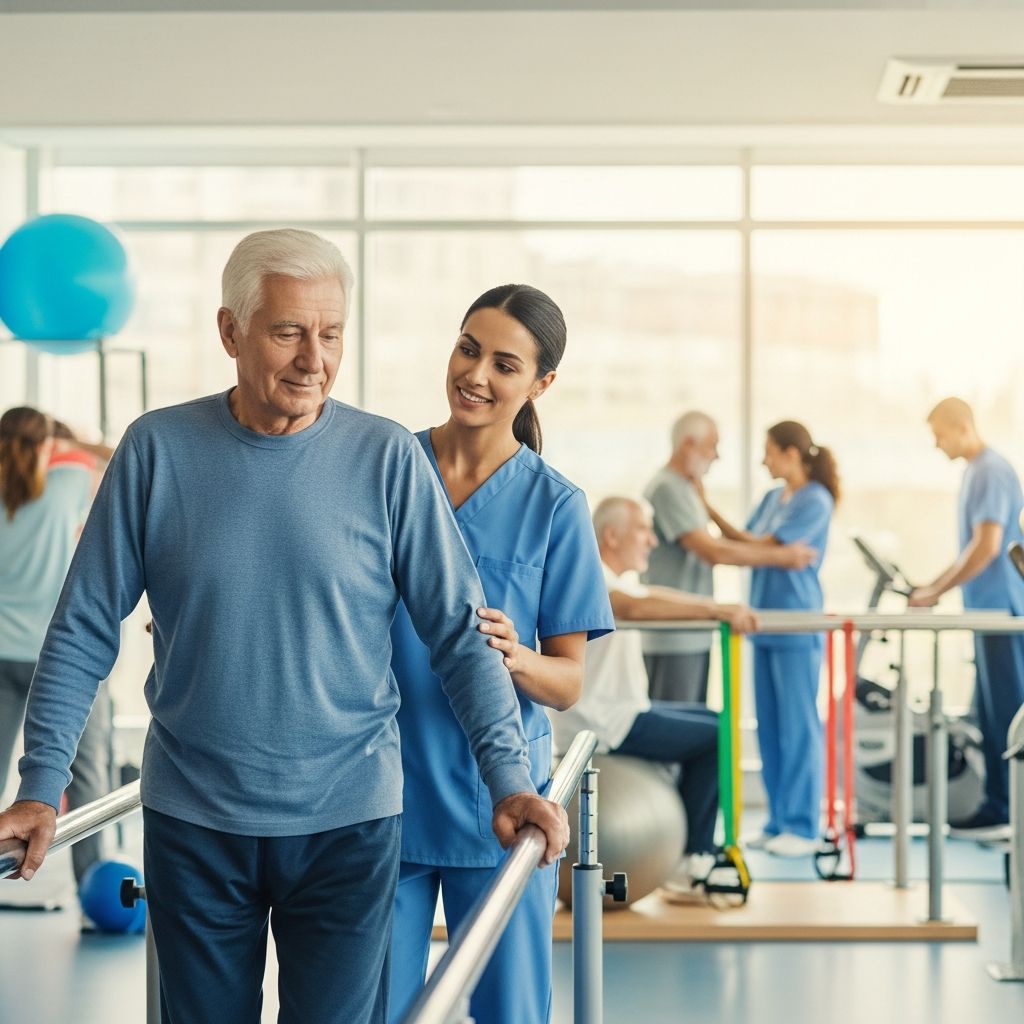
Physical medicine and rehabilitation (PM&R) is a medical specialty dedicated to helping individuals restore health, functional abilities, and independence after experiencing illness or injury. This field focuses on enhancing quality of life and enabling patients to return to meaningful activities and their preferred lifestyle. Whether someone has experienced a stroke, spinal cord injury, orthopedic trauma, or other debilitating conditions, physical medicine and rehabilitation specialists work collaboratively with patients and their families to create personalized recovery pathways.
What is Physical Medicine and Rehabilitation?
Physical medicine and rehabilitation is a comprehensive medical discipline that emphasizes restoring functional capacity and improving overall health outcomes. The specialty recognizes that recovery extends beyond simply treating the medical condition—it involves helping patients regain independence, return to work or school, and participate in activities that matter most to them. PM&R physicians, known as physiatrists, are trained to address not only the physical aspects of recovery but also the psychological, social, and vocational dimensions of rehabilitation.
The field encompasses multiple treatment modalities and therapeutic approaches designed to optimize each patient’s potential. Whether managing pain, improving mobility, or helping patients adapt to permanent changes in function, PM&R specialists employ evidence-based strategies tailored to individual needs and goals.
Conditions Treated in Physical Medicine and Rehabilitation
Physical medicine and rehabilitation addresses a wide range of conditions affecting patients of all ages. Common conditions treated include:
- Stroke and cerebrovascular accidents
- Spinal cord injuries
- Traumatic brain injury
- Orthopedic injuries and joint replacements
- Sports-related injuries
- Amputation and prosthetic fitting
- Cardiac surgery and recovery
- Neurological disorders such as multiple sclerosis and Parkinson’s disease
- Chronic pain conditions
- Burn injuries
- Cancer-related impairments
- Pediatric disabilities
- Organ transplant recovery
Each condition requires specialized knowledge and customized treatment planning. PM&R specialists understand the unique recovery trajectory associated with different diagnoses and implement interventions designed to optimize outcomes specific to each patient’s situation.
The Interdisciplinary Rehabilitation Team
One of the hallmarks of modern physical medicine and rehabilitation is its collaborative, team-based approach. Recovery from serious illness or injury is rarely the work of a single provider. Instead, comprehensive rehabilitation involves coordination among multiple professionals with specialized expertise:
Core Team Members
Physiatrists (PM&R Physicians): Medical doctors specializing in rehabilitation medicine who diagnose conditions, prescribe treatments, manage medications, and coordinate overall care plans.
Physical Therapists: Specialists who design and implement exercise programs, mobility training, and therapeutic techniques to improve strength, balance, and functional movement.
Occupational Therapists: Professionals who help patients regain ability to perform daily living activities, adapt to functional limitations, and develop strategies for independence at home and work.
Speech-Language Pathologists: Specialists addressing communication disorders, swallowing difficulties, and cognitive-communication challenges that may result from neurological conditions.
Nurses: Essential members providing direct patient care, monitoring vital signs, administering medications, and educating patients and families about health management.
Psychologists and Rehabilitation Psychologists: Mental health professionals addressing emotional adjustment, depression, anxiety, and cognitive challenges that accompany physical recovery.
Related Stories



Vocational Counselors: Specialists assisting patients with return-to-work planning and exploring alternative career paths when necessary.
Case Managers and Social Workers: Professionals coordinating resources, addressing social determinants of health, and facilitating transitions between care settings.
Treatment Settings in Rehabilitation
Physical medicine and rehabilitation services are delivered across multiple care settings, each designed to meet specific patient needs and acuity levels.
Inpatient Rehabilitation Units
State-of-the-art inpatient rehabilitation facilities provide intensive, comprehensive care for patients requiring 24-hour medical supervision and coordinated therapy. These specialized units are uniquely equipped with adaptive equipment, technology, and staffing patterns that support patients working toward significant functional gains. Inpatient rehabilitation is typically recommended following acute medical events such as stroke, spinal cord injury, or complex orthopedic procedures.
Outpatient Rehabilitation Programs
Outpatient settings provide specialized therapy and medical management for patients who do not require hospitalization. These programs treat a diverse array of conditions including neurological disorders, orthopedic injuries, chronic pain, and psychiatric conditions. Many facilities offer specialized outpatient programs targeting specific populations or conditions, such as sports medicine clinics, performing arts physical therapy programs, and athlete recovery programs.
Home Health and Community-Based Services
Rehabilitation services delivered in the patient’s home environment allow for treatment in the context where functional skills will actually be used. Home-based therapy addresses safety concerns, modifies the physical environment, and trains caregivers to support ongoing recovery.
Specialized Programs and Services
Leading rehabilitation centers develop specialized programs addressing the unique needs of specific populations:
- Stroke Rehabilitation Programs: Intensive programs focusing on neuromotor recovery, speech and swallowing restoration, and cognitive rehabilitation following cerebrovascular accidents.
- Spinal Cord Injury Programs: Comprehensive services addressing mobility restoration, bowel and bladder management, pain control, and psychosocial adjustment.
- Traumatic Brain Injury Programs: Specialized treatment for cognitive, physical, behavioral, and emotional sequelae of head trauma.
- Orthopedic Rehabilitation: Post-operative care following joint replacements, fracture management, and sports injury treatment.
- Performing Arts Physical Therapy: Specialized program for dancers, musicians, and figure skaters addressing movement-specific demands and injury prevention.
- Sports Medicine and Athlete Recovery Programs: Training and rehabilitation for athletic injuries with return-to-sport focus.
- Pediatric Rehabilitation: Specialized services for children with developmental disabilities, acquired injuries, or genetic conditions.
- Cardiac and Pulmonary Rehabilitation: Programs for recovery following heart surgery or management of chronic lung disease.
The Rehabilitation Process
Effective rehabilitation follows a systematic process beginning with comprehensive evaluation and progressing through goal-setting, treatment implementation, and outcomes measurement.
Comprehensive Evaluation
The rehabilitation process begins with detailed assessment of the patient’s medical history, current functional status, impairments, and personal goals. Physiatrists and therapists conduct standardized testing to objectively measure function and identify specific areas requiring intervention. This evaluation informs all subsequent treatment planning.
Individualized Treatment Planning
Rather than applying generic protocols, rehabilitation specialists develop customized treatment plans aligned with each patient’s unique circumstances, values, and aspirations. Plans specify realistic, measurable goals and identify the interventions most likely to achieve those goals. Patient and family involvement in treatment planning is essential for success.
Evidence-Based Interventions
Treatment recommendations are grounded in current scientific evidence regarding effectiveness for specific conditions. Interventions may include therapeutic exercise, manual therapy, assistive device training, medication management, injections, or psychological interventions. As research advances, treatment protocols are updated to reflect new evidence.
Ongoing Monitoring and Adjustment
Rehabilitation is dynamic rather than static. Treatment plans are regularly reassessed and adjusted based on patient progress, changing needs, and emerging goals. This iterative approach ensures treatments remain optimal and responsive to actual outcomes.
Advanced Treatment Modalities
Contemporary rehabilitation incorporates cutting-edge therapeutic approaches and technologies:
Robotic-Assisted Therapy: Devices that provide high-intensity, repetitive movement training to facilitate neuroplasticity and functional recovery, particularly for stroke and spinal cord injury.
Virtual Reality Rehabilitation: Immersive technology environments enabling safe practice of functional tasks and providing motivating, game-like therapeutic experiences.
Constraint-Induced Movement Therapy: Intensive protocols promoting use of impaired limbs through structured restraint of non-affected limbs, particularly effective for stroke recovery.
Interventional Pain Management: Minimally invasive procedures including injections, nerve blocks, and neuromodulation to manage pain that might otherwise limit therapy participation.
Assistive Technology and Adaptive Equipment: Specialized devices enabling functional independence, from powered mobility aids to communication devices to environmental control systems.
Research and Innovation
Leading rehabilitation programs maintain robust research programs advancing the field. Areas of active investigation include stroke recovery mechanisms, spinal cord injury neuroplasticity, outcomes following traumatic brain injury, and optimization of therapeutic interventions. Research conducted in rehabilitation settings directly translates to improved clinical care and better patient outcomes. Residents and fellows in academic programs participate in research, ensuring that training incorporates the latest scientific advances.
Education and Training Programs
Academic medical centers support comprehensive training for the next generation of rehabilitation professionals. Physician residency programs in physical medicine and rehabilitation provide three-year training (PGY2-4) in evidence-based diagnosis, care, and treatment of patients with disabilities. These programs prepare leaders committed to advancing the field through clinical excellence and research innovation. Similarly, training programs for physical therapists, occupational therapists, speech pathologists, and psychologists ensure that all rehabilitation team members maintain contemporary knowledge and skills.
Goals of Rehabilitation
The overarching goals of physical medicine and rehabilitation include:
- Maximizing functional independence and independence in activities of daily living
- Restoring or developing compensatory strategies for lost abilities
- Managing pain and other symptoms limiting function
- Preventing secondary complications and deconditioning
- Facilitating return to work, school, or meaningful life roles
- Supporting emotional adjustment and psychological wellbeing
- Promoting social reintegration and community participation
- Educating patients and caregivers for long-term self-management
- Optimizing quality of life according to individual values and preferences
Frequently Asked Questions
Q: What is the difference between physical therapy and physical medicine and rehabilitation?
A: Physical therapy is one component of comprehensive rehabilitation provided by physical therapists focusing on movement and function. Physical medicine and rehabilitation is a medical specialty encompassing multiple disciplines and treatment modalities coordinated by physician specialists to address all aspects of recovery and functional restoration.
Q: How long does rehabilitation typically last?
A: Rehabilitation duration varies considerably depending on the condition severity, patient age, and other factors. Some patients benefit from weeks of intensive inpatient rehabilitation, while others may participate in outpatient therapy for months or years. Recovery timelines are individualized based on specific diagnosis and rehabilitation goals.
Q: Can rehabilitation help people with permanent disabilities?
A: Yes. While not all impairments can be reversed, rehabilitation helps individuals with permanent disabilities maximize remaining function, develop compensatory strategies, and achieve the highest possible quality of life and independence.
Q: Will insurance cover rehabilitation services?
A: Coverage varies by insurance plan and condition. Most insurance plans cover medically necessary rehabilitation services, though specific benefits, duration, and out-of-pocket costs vary. Discussing coverage with your insurance provider and rehabilitation facility’s financial team is recommended.
Q: How is a patient referred to rehabilitation?
A: Referrals to rehabilitation may come from acute care physicians, primary care doctors, or other specialists. In some cases, patients may self-refer. Your healthcare provider can determine whether rehabilitation services would benefit your specific situation and facilitate appropriate referral.
Q: Can family members participate in rehabilitation?
A: Family involvement is encouraged and often essential for successful rehabilitation. Family members learn therapeutic techniques, receive education about the condition, and develop skills to support patient recovery both during rehabilitation and after discharge.
Conclusion
Physical medicine and rehabilitation represents a comprehensive approach to helping individuals restore health, function, and independence following illness or injury. Through coordinated, evidence-based care delivered by interdisciplinary teams, rehabilitation specialists address the complex physical, psychological, and social dimensions of recovery. By combining advanced therapeutic technologies with compassionate, patient-centered care, rehabilitation medicine enables individuals to reclaim their lives and achieve their maximum potential for functional restoration and quality of life.
References
- Johns Hopkins Department of Physical Medicine and Rehabilitation Overview — Johns Hopkins Medicine. 2017-08-17. https://www.hopkinsmedicine.org/health/treatment-tests-and-therapies/overview-of-physical-medicine-and-rehabilitation
- Johns Hopkins PM&R Residency Program Overview — Johns Hopkins Medicine. 2018-12-13. https://www.hopkinsmedicine.org/physical_medicine_rehabilitation/education_training/physician-residency
- Physical Medicine and Rehabilitation Medical Education — Johns Hopkins University School of Medicine. https://e-catalogue.jhu.edu/medicine/medical-students/subjects-instruction/physical-medicine-rehabilitation/
- Rehabilitation Medicine: Assistance for the Elderly Surgical Patient — Johns Hopkins University. https://pure.johnshopkins.edu/en/publications/rehabilitation-medicine-4/
Similar Articles








Read full bio of Sneha Tete