Vascular System: 7 Common Diseases, Causes, And Care
Comprehensive guide to understanding the vascular system, its functions, diseases, and health management.
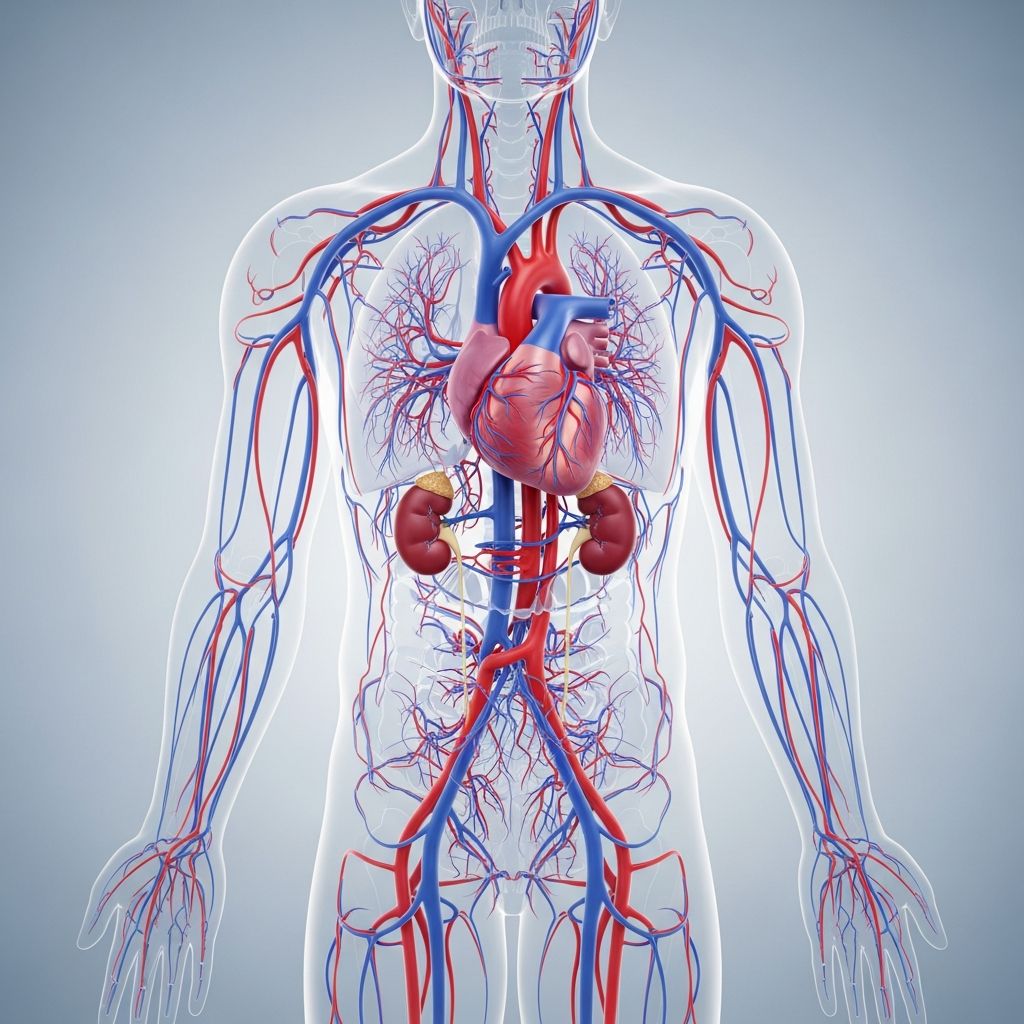
Overview of the Vascular System
The vascular system is one of the most critical networks in the human body, responsible for delivering oxygen and nutrients to every cell while removing waste products. This intricate system works continuously throughout your lifetime, operating with remarkable efficiency to maintain your health and support all bodily functions. Understanding how your vascular system works and what can go wrong is essential for maintaining cardiovascular health and preventing serious complications.
Understanding the Vascular System Structure
Your vascular system is composed of a complex network of blood vessels that work in concert with your heart to circulate blood throughout your body. This extensive system spans over 60,000 miles of blood vessels, creating an intricate highway system that reaches every tissue and organ. The system’s organization allows for efficient distribution of oxygen-rich blood and collection of deoxygenated blood for return to the heart and lungs.
The Three Main Types of Blood Vessels
The vascular system comprises three primary types of blood vessels, each with distinct functions and characteristics:
Arteries: These are the large vessels that carry oxygen-rich blood away from the heart to all parts of the body. Arteries have thick, muscular walls that allow them to withstand the high pressure of blood being pumped directly from the heart. The largest artery, the aorta, branches into progressively smaller arteries that distribute blood to different organs and tissues.
Veins: These vessels carry blood back to the heart from the body’s tissues and organs. Unlike arteries, veins have thinner walls and contain valves that prevent blood from flowing backward. This is particularly important in the legs and lower body where blood must work against gravity to return to the heart. Veins are often located closer to the body’s surface than arteries.
Capillaries: These are the smallest blood vessels in your body, forming networks that connect arteries to veins. The walls of capillaries are extremely thin and permeable, allowing for the exchange of oxygen, nutrients, and waste products between blood and surrounding tissues. Although individually microscopic, capillaries collectively provide an enormous surface area for this critical exchange to occur.
Functions of the Vascular System
The vascular system performs several vital functions that are essential for survival and maintaining optimal health. Understanding these functions helps illustrate why vascular health is so important.
Oxygen and Nutrient Delivery
The primary function of the vascular system is to deliver oxygen and essential nutrients to every cell in your body. Oxygen-rich blood travels from the heart through arteries to capillary networks where it is exchanged with surrounding tissues. Simultaneously, nutrients absorbed from food in the digestive system are transported throughout the body via the bloodstream, providing the energy and building blocks necessary for cellular function and growth.
Related Stories



Waste Removal
Beyond delivering essential substances, the vascular system removes metabolic waste products generated by cellular activity. Carbon dioxide, a byproduct of cellular respiration, is transported back to the heart and lungs for removal. Other waste products are carried to the kidneys and liver for processing and elimination. This continuous removal of waste prevents harmful accumulation and maintains the body’s internal balance.
Temperature Regulation
The vascular system plays an important role in regulating body temperature. Blood vessels near the skin surface can dilate to increase heat loss when body temperature rises, or constrict to conserve heat when temperature drops. This thermoregulatory function helps maintain the stable internal environment necessary for optimal physiological function.
Common Vascular Diseases
Vascular diseases are conditions that affect the blood vessels and can range from relatively minor to life-threatening. These conditions develop gradually in most cases, often without noticeable symptoms until significant damage has occurred.
Atherosclerosis
Atherosclerosis is a progressive disease in which plaque accumulates inside arterial walls, narrowing the vessel and restricting blood flow. The plaque consists of fat, cholesterol, calcium, and other substances found in the blood. Over time, this buildup hardens and can reduce the diameter of the artery significantly, limiting the amount of oxygen-rich blood that can reach tissues and organs. This condition is often called “hardening of the arteries.”
Coronary Artery Disease
Coronary artery disease occurs when atherosclerosis affects the arteries that supply blood to the heart muscle itself. This narrowing or blockage can reduce blood flow to the heart, potentially causing chest pain, shortness of breath, or heart attack. It is one of the leading causes of death in developed countries and requires careful management and prevention strategies.
Stroke
A stroke occurs when blood flow to the brain is interrupted or severely reduced, depriving brain cells of oxygen. This can happen when an artery becomes blocked by a blood clot (ischemic stroke) or when a blood vessel ruptures causing bleeding in the brain (hemorrhagic stroke). Strokes can result in permanent brain damage, disability, or death, making prevention critically important.
Peripheral Artery Disease
This condition involves atherosclerosis in the arteries that supply the legs and feet. As plaque builds up, patients may experience pain or cramping in the legs during physical activity, a condition called claudication. In severe cases, reduced blood flow can threaten limb viability.
Aneurysms
An aneurysm is a bulge or ballooning in the wall of an artery, typically caused by weakening of the arterial wall. Aneurysms can rupture and cause life-threatening bleeding, particularly if located in critical areas like the brain or abdomen.
Blood Clots
Blood clots can form within blood vessels, blocking normal blood flow. Deep vein thrombosis occurs when clots form in veins, usually in the legs, while pulmonary embolism occurs when a clot travels to the lungs. These conditions can be serious and require prompt medical attention.
Varicose Veins
Varicose veins are swollen, twisted veins visible just under the skin, usually in the legs. They result when the valves in veins fail to function properly, allowing blood to pool. While often cosmetic concerns, they can cause discomfort and occasionally lead to more serious complications.
Risk Factors for Vascular Disease
Understanding vascular disease risk factors allows individuals to take proactive steps in prevention and early management. Several factors increase the likelihood of developing vascular problems.
Modifiable Risk Factors
High Blood Pressure: Elevated blood pressure is the single most significant risk factor for vascular disease. One out of three American adults have high blood pressure, often without being aware of it. High blood pressure damages arterial walls over time, accelerating atherosclerosis development.
High Cholesterol: Elevated blood cholesterol levels contribute to plaque formation in arteries. When cholesterol accumulates in vessel walls, it triggers the atherosclerotic process, significantly increasing the risk for heart disease and stroke.
Smoking: Tobacco use damages blood vessel linings and promotes atherosclerosis development. Smokers have substantially higher rates of vascular disease compared to non-smokers.
Diabetes: High blood sugar encourages plaque growth in arteries and increases vascular disease risk. Diabetics require careful management of blood glucose levels to reduce cardiovascular complications.
Obesity and Physical Inactivity: Excess weight and lack of exercise contribute to vascular disease development through multiple mechanisms including increased blood pressure, unfavorable cholesterol profiles, and blood sugar abnormalities.
Non-Modifiable Risk Factors
Age: Vascular disease risk increases with age as blood vessels naturally become less flexible and atherosclerosis progresses over decades.
Family History: A family history of vascular disease or heart disease significantly increases personal risk, suggesting genetic predisposition to these conditions.
Gender: Men generally have higher vascular disease risk at younger ages, though postmenopausal women’s risk increases substantially.
Symptoms and Diagnosis
Vascular disease symptoms vary depending on which blood vessels are affected and the severity of the condition. Many people have no symptoms until a serious event occurs, making screening important for at-risk individuals.
Common Symptoms
Symptoms of vascular disease may include chest pain or pressure, shortness of breath, leg pain during walking, numbness or weakness, sudden vision changes, speech difficulties, or facial drooping. Some individuals may experience no symptoms despite significant vascular compromise.
Diagnostic Methods
Healthcare providers diagnose vascular disease through physical examination, medical history review, blood tests, and imaging studies. Imaging options may include ultrasound, CT scans, MRI, or angiography to visualize blood vessels and identify narrowing or blockages. Blood tests can measure cholesterol levels, blood sugar, and other vascular risk markers.
Prevention and Management Strategies
Preventing vascular disease requires a comprehensive approach addressing multiple risk factors simultaneously. The principle of “an ounce of prevention is worth a pound of cure” emphasizes the importance of early intervention and lifestyle modification.
Blood Pressure Management
Knowing your blood pressure numbers is the first step in management. Regular monitoring, medication adherence as prescribed, dietary sodium reduction, stress management, and regular physical activity all contribute to blood pressure control.
Cholesterol Management
Limiting saturated fat and cholesterol intake, increasing fiber consumption, maintaining healthy weight, and taking cholesterol-lowering medications when appropriate help prevent plaque accumulation in arteries.
Blood Sugar Control
For individuals with diabetes or prediabetes, careful blood sugar management through diet, medication, and exercise reduces vascular complications. High blood sugar encourages plaque formation and significantly increases cardiovascular risk.
Lifestyle Modifications
A heart-healthy diet rich in fruits, vegetables, whole grains, and lean proteins supports vascular health. Regular physical activity strengthens the heart, improves circulation, and helps maintain healthy weight. Smoking cessation is critical, as is limiting alcohol consumption.
Stress Management
Chronic stress contributes to high blood pressure and vascular disease development. Stress-reduction techniques such as meditation, deep breathing, yoga, and regular physical activity support cardiovascular health.
Treatment Options
Treatment for vascular disease depends on the specific condition and its severity. Options range from lifestyle changes and medications to minimally invasive procedures and surgery.
Medication Therapies
Blood pressure medications, cholesterol-lowering drugs, blood thinners, and antiplatelet agents like aspirin are commonly prescribed. Some medications target specific mechanisms of vascular disease to prevent progression or manage symptoms.
Interventional Procedures
Angioplasty involves using a catheter with a balloon to open narrowed arteries, often followed by stent placement to keep vessels open. Catheter-directed thrombolysis uses medications delivered directly to blood clots to dissolve them, while atherectomy devices remove plaque from vessel walls.
Surgical Options
Bypass surgery creates alternate routes for blood flow around blocked arteries. Endarterectomy removes plaque from vessel walls surgically. Amputation may be necessary in severe cases of peripheral artery disease with tissue death.
Frequently Asked Questions
Q: How many miles of blood vessels are in the human body?
A: The human body contains over 60,000 miles of blood vessels that work together to deliver oxygen and nutrients throughout the body.
Q: What is the most significant risk factor for heart disease?
A: High blood pressure is the single most significant risk factor for heart disease, affecting one out of three American adults who may not even be aware they have it.
Q: Can vascular disease be prevented?
A: Yes, many cases of vascular disease can be prevented through managing risk factors including blood pressure control, cholesterol management, smoking cessation, regular exercise, and maintaining a healthy diet.
Q: What are the warning signs of a stroke?
A: Warning signs include sudden facial drooping, arm weakness, speech difficulty, vision changes, and numbness. Seek immediate emergency care if you experience these symptoms.
Q: How often should I have my vascular health checked?
A: This depends on your individual risk factors. Discuss with your healthcare provider about appropriate screening intervals based on your age, family history, and existing conditions.
References
- Heart to Heart – A Inside Look at Your Cardiovascular Health — Johns Hopkins Hospital Center for Bloodless Medicine and Surgery. 2024. https://www.youtube.com/watch?v=JDhNlrpFLdU
- Vascular Diseases — MedlinePlus, U.S. National Library of Medicine. 2024. https://medlineplus.gov/vasculardiseases.html
Similar Articles








Read full bio of Sneha Tete