Ovulation Bleeding: What It Is and When to Worry
Understanding ovulation spotting: causes, symptoms, and when to contact your doctor.
What Is Ovulation Bleeding?
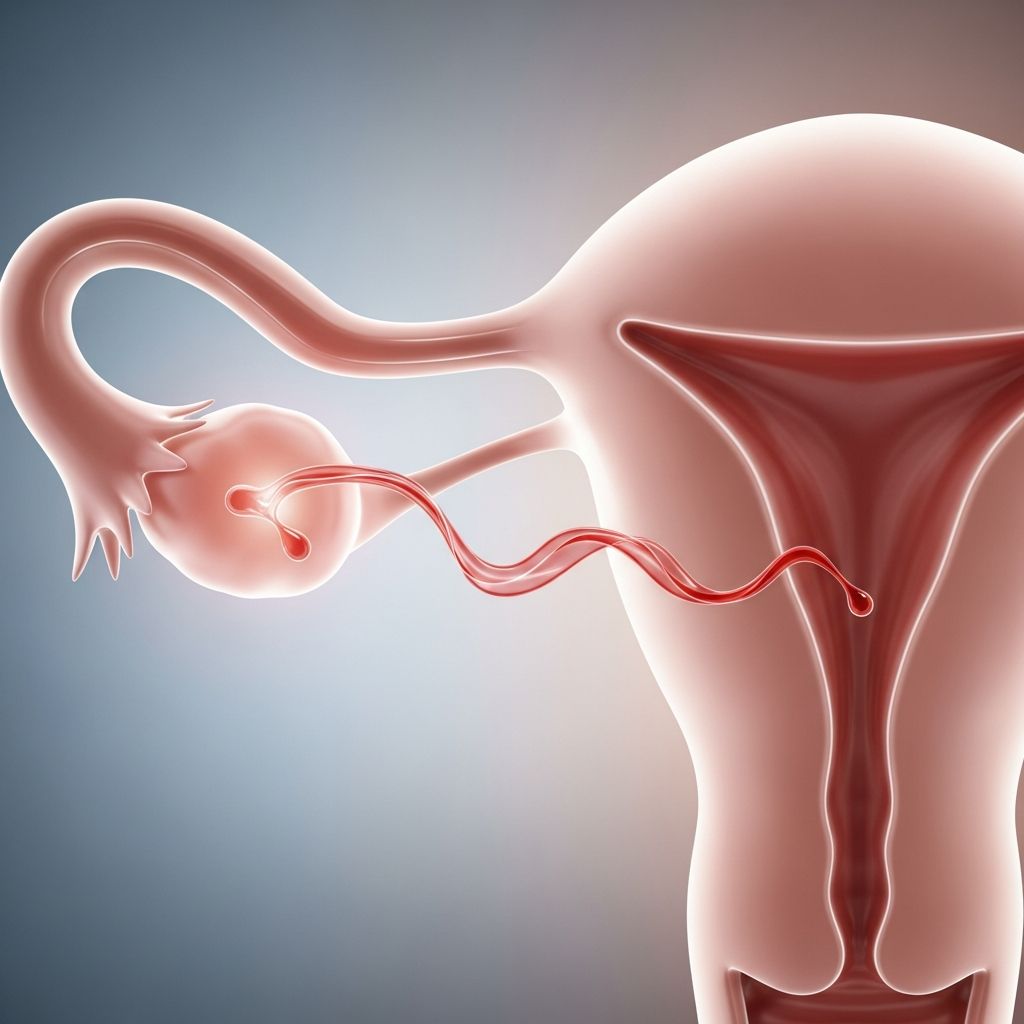
Ovulation bleeding is minor spotting or light bleeding that occurs around the time of ovulation, when a mature egg is released from the ovaries. Unlike a regular menstrual period, this bleeding is considerably lighter in volume and typically appears as light pink, red, or dark brown spotting. Interestingly, ovulation bleeding is not a common occurrence—studies show that only around 4.8% of people who menstruate experience it.
This type of spotting is sometimes referred to as ovulation spotting and is defined as very light bleeding that may accompany ovulation. It occurs during the fertile phase of your menstrual cycle and can be an important fertility indicator for those tracking their cycle.
Ovulation generally occurs approximately 14 days after the last period begins, although many people ovulate earlier or later in their cycle. When ovulation bleeding does occur, it typically lasts only a day or two and should resolve without intervention.
How Ovulation Bleeding Differs From Your Period
Understanding the differences between ovulation bleeding and menstrual bleeding is crucial for distinguishing between normal ovulation spotting and other types of abnormal bleeding. The main differences include:
- Volume: Menstrual bleeding lasts for several days and has a significantly higher volume, whereas ovulation bleeding is considerably lighter than an average period.
- Duration: Ovulation spotting should only last a day or two, while a menstrual period typically lasts 3-7 days.
- Color: Ovulation bleeding is typically light pink, pinkish brown, or brown in color, while period blood is often bright red to dark red.
- Consistency: Ovulation discharge contains cervical mucus and other fluids, giving it a different consistency than period blood.
- Pain: Ovulation bleeding is generally not painful, whereas some people experience cramping during menstruation.
Understanding the Causes of Ovulation Bleeding
Hormonal Changes and Estrogen Fluctuations
Fluctuating hormone levels are one of the primary causes of bleeding during ovulation. In the days before ovulation, estrogen levels steadily rise, preparing the body for egg release. However, after the egg is released, estrogen levels dip sharply, and progesterone levels begin to increase. This rapid drop in estrogen causes shedding of the uterine lining, resulting in light bleeding. Some doctors even refer to this phenomenon as estrogen breakthrough bleeding.
Follicle Rupture
Another key cause of ovulation bleeding is the physical process of ovulation itself. Once an egg is properly developed and ready to be released, it must burst through the follicle structure that holds it. During this process, luteinizing hormone (LH) causes the surface of the ovarian follicle to weaken and disintegrate, forming a small opening or “stigma” through which the egg escapes into the fallopian tube. When the follicle ruptures and releases the egg, a small amount of blood may occur as a result of this rupture.
Other Contributing Factors
While hormonal changes and follicle rupture are the primary causes, other factors can influence ovulation bleeding. The volume of cervical mucus increases significantly during ovulation and has the appearance and feel of egg white, which can mix with any light bleeding and affect its color and consistency. Additionally, underlying medical conditions may contribute to atypical bleeding patterns, including:
- Hormonal conditions such as PCOS (polycystic ovary syndrome)
- Thyroid dysfunction, which can impact hormone levels
- Excessive exercise or high stress levels
- Certain medications that affect hormone balance
- Structural abnormalities like fibroids or tumors
- Pituitary disease
- Sexually transmitted infections
Identifying Ovulation Bleeding: Typical Characteristics
Related Stories



Color and Appearance
Ovulation bleeding typically appears as very light spotting that may be easily missed. The color can range from light pink to red and even dark brown, depending on blood flow and the presence of cervical mucus. You may notice it on your underwear or only when wiping with toilet paper after using the bathroom. The scant amount of blood mixed with cervical mucus contributes to its distinctive appearance.
Duration and Timing
One of the defining characteristics of ovulation bleeding is its timing and duration. Ovulation spotting occurs midway through your menstrual cycle—approximately 14 days before your next period is due. The bleeding should only last a day or two and is not heavy or painful. This predictable timing can help you differentiate ovulation bleeding from other types of abnormal vaginal bleeding.
Associated Cervical Mucus Changes
During the fertile phase of your cycle when ovulation occurs, cervical mucus becomes transparent and stretchy, resembling egg white in texture. If you discover a small amount of blood at this time, note this light bleeding on your fertility chart as a possible indicator of ovulation. The presence of this characteristic cervical mucus alongside light spotting is a strong sign that you are experiencing ovulation bleeding rather than other types of spotting.
Ovulation Bleeding vs. Implantation Bleeding
It’s important to distinguish between ovulation bleeding and implantation bleeding, as they occur at different stages and have different implications. Implantation bleeding occurs when a fertilized egg implants itself into the lining of the uterus, typically resulting in brown or pink spotting.
The key differences include:
| Characteristic | Ovulation Bleeding | Implantation Bleeding |
|---|---|---|
| Timing in Cycle | Around ovulation (day 12-16 of cycle) | 6-12 days after ovulation |
| Duration | 1-2 days | 1-3 days |
| Color | Light pink, red, or dark brown | Usually brown or pink |
| Volume | Very light spotting | Very light spotting |
| Associated Symptoms | Increased cervical mucus (egg-white consistency) | Possible early pregnancy symptoms |
When to Contact Your Healthcare Provider
Normal Ovulation Bleeding
In most cases, ovulation bleeding is completely normal and does not require any treatment. The hormonal changes that cause ovulation bleeding are normal and expected, and the spotting may go unnoticed by some people. If you experience light spotting that lasts only a day or two, occurs midway through your cycle, and is not accompanied by other symptoms, you likely have normal ovulation bleeding.
When Medical Intervention Is Necessary
While ovulation bleeding is usually not a cause for concern, you should contact a healthcare professional if you experience any of the following:
- Bleeding that lasts longer than a few days
- Heavy or excessive bleeding, such as soaking a tampon or pad every 2 hours or passing large blood clots
- Intense or severe abdominal pain or cramping
- Changes in your usual bleeding pattern, such as periods that are less than 24 days or more than 38 days apart
- Bleeding that becomes much heavier or lighter than your normal pattern
- Accompanying symptoms such as fever or nausea
- Pelvic pain during or after sexual intercourse
- Difficulty getting pregnant despite tracking ovulation
- Symptoms of lightheadedness, dizziness, shortness of breath, or chest pain
- Bleeding after menopause
If your pain or bleeding seems more severe than usual, trust your instincts and seek medical treatment, especially if symptoms are accompanied by fever or nausea.
Using Ovulation Bleeding as a Fertility Sign
For those trying to conceive or simply tracking their fertility, ovulation bleeding can serve as a valuable fertility indicator. If you do happen to discover a small amount of blood during your fertile phase, you should note this light bleeding on your fertility chart as a possible sign of ovulation. If this is indeed ovulation spotting, you should expect to see your basal body temperature (BBT) rising shortly thereafter, which confirms that ovulation has occurred.
Tracking ovulation bleeding alongside other fertility signs—such as changes in cervical mucus, BBT shifts, and LH surge detection—can help you pinpoint your most fertile days and understand your menstrual cycle better.
Frequently Asked Questions About Ovulation Bleeding
Q: Is ovulation bleeding a sign that I’m pregnant?
A: No. Ovulation bleeding occurs when the egg is released during ovulation, not after fertilization. Implantation bleeding, which may occur with pregnancy, happens 6-12 days after ovulation if the egg is fertilized and implants in the uterus.
Q: How common is ovulation bleeding?
A: Ovulation bleeding is relatively uncommon. Studies show that only around 4.8% of people who menstruate experience it.
Q: Can I use ovulation bleeding to predict my most fertile days?
A: Yes, ovulation bleeding can be a helpful fertility sign. When combined with other indicators like cervical mucus changes and basal body temperature tracking, it can help you identify your fertile window.
Q: Should ovulation bleeding be painful?
A: No. Ovulation bleeding should not be accompanied by pain. If you experience intense cramping or pain along with bleeding, contact your healthcare provider.
Q: What should I do if my ovulation bleeding lasts more than 2-3 days?
A: If bleeding persists for more than a few days, contact your doctor, as this may indicate an underlying condition that requires evaluation.
Q: Can birth control affect ovulation bleeding?
A: Yes. Changes in hormone levels due to starting, stopping, or changing birth control can affect bleeding patterns. If you notice unusual bleeding after changing contraception, discuss it with your healthcare provider.
Key Takeaways
Ovulation bleeding is light spotting that occurs during ovulation, affecting a small percentage of menstruating individuals. It results primarily from hormonal fluctuations—specifically the drop in estrogen after ovulation—and the physical rupture of the ovarian follicle. This bleeding is typically very light, lasts only 1-2 days, and occurs predictably midway through your menstrual cycle. While usually normal and not a cause for concern, any bleeding that is heavy, prolonged, or accompanied by severe symptoms warrants evaluation by a healthcare provider. Understanding ovulation bleeding can help you better track your fertility and distinguish it from other types of abnormal vaginal bleeding.
References
- What Is Ovulation Bleeding? — Mira Fertility Tracker. 2024. https://shop.miracare.com/blogs/resources/what-is-ovulation-bleeding
- Ovulation Spotting as a Natural Fertility Sign — Fairhaven Health. 2024. https://www.fairhavenhealth.com/blogs/fairhaven-health-library/ovulation-spotting-as-a-natural-fertility-sign
- Ovulation Bleeding: How to Identify Spotting Between Periods — Medical News Today. 2024. https://www.medicalnewstoday.com/articles/325847
- Ovulation Bleeding: What It Looks Like & Why It Happens — Tua Saúde. 2024. https://www.tuasaude.com/en/ovulation-discharge/
Similar Articles








Read full bio of Sneha Tete