Ovulation Pain (Mittelschmerz): Causes & Treatment
Understanding ovulation pain: Symptoms, causes, and effective treatment options for mittelschmerz.
Understanding Ovulation Pain (Mittelschmerz)
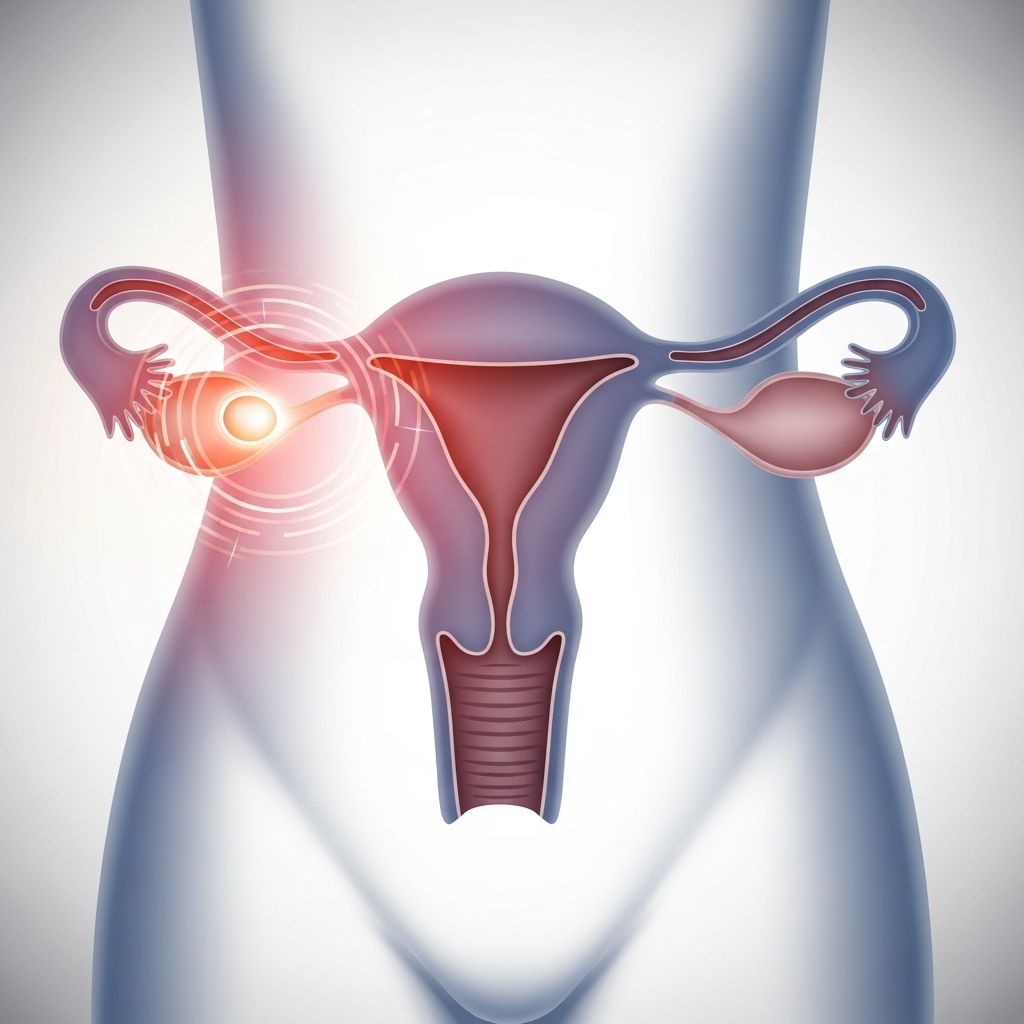
Ovulation pain, medically known as mittelschmerz, is pelvic pain that occurs during ovulation—the part of your menstrual cycle when your ovary releases an egg. The term “mittelschmerz” comes from German words meaning “middle” and “pain,” perfectly describing when this discomfort typically happens. Ovulation usually occurs about halfway between your periods or around day 14 of a 28-day menstrual cycle. For many people who experience this pain during ovulation, recognizing the distinctive sensations and timing can help confirm what’s causing their discomfort. This is a normal part of the menstrual cycle and the ovulation process, affecting up to 40% of people who ovulate.
What Is Ovulation?
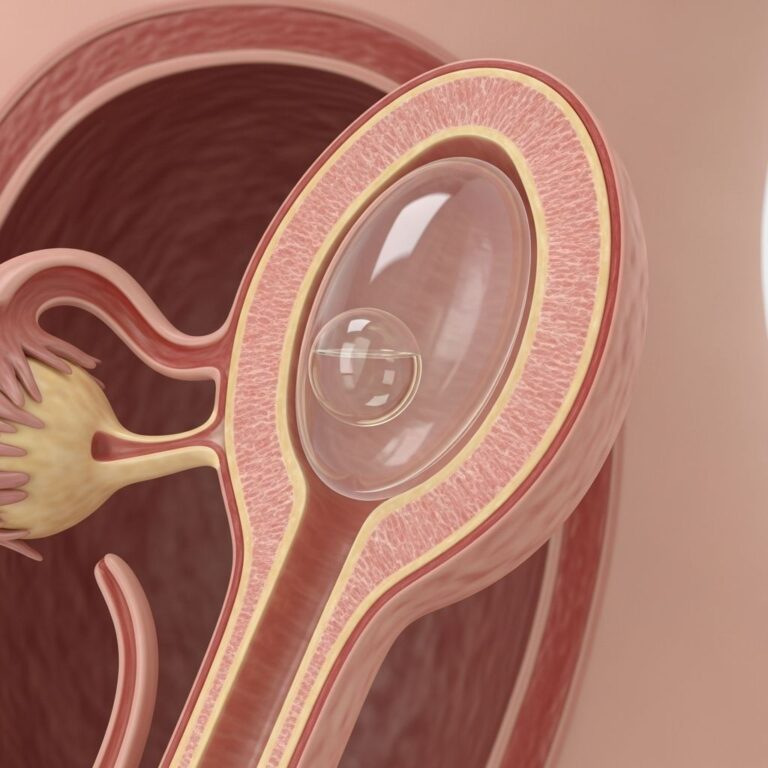
Ovulation is a crucial part of your reproductive cycle. You typically have two ovaries—one on the left and one on the right side of your uterus. Your ovaries usually take turns ovulating, with each ovary releasing an egg approximately every other month. During ovulation, a mature egg is released from one of your ovaries, making this the most fertile time of your menstrual cycle and when you’re most likely to become pregnant. Understanding when ovulation occurs and how it relates to your menstrual cycle can help you track your reproductive health and recognize associated symptoms like ovulation pain.
Symptoms of Ovulation Pain
Ovulation pain presents differently for each person, ranging from barely noticeable to quite uncomfortable. Recognizing the characteristics of ovulation pain can help you distinguish it from other types of abdominal discomfort.
Types of Pain Sensations
The pain associated with ovulation can manifest in various ways:
– Mild twinges or twitches- Dull, achy sensations similar to menstrual cramps- Sharp, sudden stabbing pain- Uncomfortable pressure in the abdomen- Strong, intense pain in severe cases
Duration and Location
Ovulation pain typically lasts a few hours, though it can persist for up to 48 hours in some cases. Most people experience pain for just a few minutes to a few hours, while others may feel discomfort for an entire day or two. You typically feel this pain in your lower abdomen and pelvic region. Many people report feeling ovulation pain on just the side that’s releasing the egg—if your right ovary is ovulating, you’ll feel pain on your right side.
Timing Within Your Cycle
Ovulation pain appears between days 7–24 of your menstrual cycle, though it most commonly occurs around day 14 of a standard 28-day cycle, roughly 14 days before your next menstrual period. Since your ovaries typically alternate releasing eggs each month, some people experience pain every month regardless of which ovary ovulates, while others may find that pain occurs every other month when a specific ovary releases an egg.
Associated Symptoms
Beyond abdominal pain, you may experience:
– Light vaginal bleeding or spotting- Changes in vaginal discharge- Mild discomfort in the lower abdomen on one side- Rarely, more severe pain requiring medical attention
Causes of Ovulation Pain
While the exact cause of mittelschmerz remains unclear, researchers have identified several mechanisms that likely contribute to this discomfort. Understanding these causes can help you appreciate why this phenomenon occurs and why it’s considered a normal part of ovulation.
Primary Mechanisms
Two main processes during ovulation likely cause the pain:
– Follicle Growth and Ovary Surface Stretching: Just before an egg is released during ovulation, the follicle containing the egg grows significantly. This growth stretches the surface of your ovary, causing pain sensations.- Follicle Rupture and Fluid Release: When the follicle ruptures to release the egg, blood or fluid is released from the ruptured follicle. This blood or fluid irritates the lining of your abdomen (the peritoneum), leading to pain.
Related Stories



Individual Variation
The experience of ovulation pain varies considerably among individuals. Some women have mittelschmerz every month without fail, while others experience it only occasionally. This variation suggests that individual factors—possibly including pain sensitivity, the size of follicles, or the amount of fluid released—influence whether someone experiences ovulation pain and how severe it is.
Diagnosis of Ovulation Pain
Diagnosing mittelschmerz typically doesn’t require extensive medical testing. Your healthcare provider can often diagnose ovulation pain based on several key factors:
Timing Assessment
Your healthcare provider will consider when your pain occurs within your menstrual cycle. Since ovulation usually happens about two weeks into your cycle (or 14 days before your next period), pain occurring at this specific time strongly suggests ovulation pain.
Tracking Your Cycle
Keeping a detailed record of your menstrual cycle is invaluable for diagnosis. Your provider may ask you to maintain notes about:
– The first day of your menstrual period- The first day of your next period- Days when you experience pain- The location and character of pain- The duration of pain
For example, if your menstrual cycle is 29 days long, ovulation likely occurs around day 15. If you consistently experience pain around day 15, this timing strongly suggests mittelschmerz.
Ruling Out Other Conditions
Sometimes ovulation pain symptoms can be mistaken for other medical conditions, particularly ovarian cysts. Common symptoms that might be confused with ovulation pain include pelvic discomfort from various gynecological conditions. Your healthcare provider may recommend imaging studies if symptoms don’t fit the typical pattern of ovulation pain or if you have severe, prolonged pain.
Treatment Options for Ovulation Pain
Most people don’t need specialized treatment for mittelschmerz, as the pain typically resolves within a day. However, several effective options can help manage discomfort when it occurs.
Over-the-Counter Pain Relievers
For mild to moderate ovulation pain, over-the-counter medications are typically very effective:
– Nonsteroidal anti-inflammatory medications (NSAIDs): Ibuprofen or naproxen can reduce inflammation and pain effectively- Acetaminophen: Provides pain relief for those who cannot take NSAIDs
Home Remedies
Many people find relief through simple home-based approaches:
– Applying a heating pad to your abdomen- Taking a hot bath or warm shower- Rest and relaxation- Gentle stretching or light movement
Prescription Options for Severe Pain
If your mittelschmerz pain is troublesome or severe, your doctor may prescribe oral contraceptives (birth control pills) to stop ovulation and prevent midcycle pain. By preventing ovulation from occurring, hormonal contraceptives eliminate the physiological process that causes the pain. This approach is particularly useful for people with consistently severe ovulation pain that significantly impacts their quality of life.
When to Seek Medical Attention
While ovulation pain is generally harmless and doesn’t require medical attention, certain situations warrant professional evaluation. You should contact your healthcare provider if:
– The pain is severe and significantly interferes with daily activities- Pain persists longer than a couple of days- Symptoms are inconsistent with typical ovulation pain timing or location- You have accompanied symptoms suggesting other conditions, such as fever, nausea, or vomiting- You’re unsure whether your symptoms are from ovulation pain or another condition
Using Ovulation Pain for Family Planning
Ovulation pain can serve as a helpful fertility indicator. Since mittelschmerz signals that ovulation is occurring, experiencing this pain indicates your most fertile time of the month. If you’re trying to conceive, recognizing ovulation pain can help you time intercourse for optimal chances of pregnancy. However, it’s important to note that using ovulation pain to time intercourse to avoid pregnancy is unreliable and should not be used as a primary contraceptive method.
Differentiating Ovulation Pain from Other Conditions
While ovulation pain is benign, other medical conditions can cause similar symptoms. Conditions that may cause pain resembling ovulation pain include:
– Endometriosis- Ovarian cysts- Certain sexually transmitted infections (STIs), such as chlamydia- Scar tissue (adhesions) from previous pelvic surgery- Ectopic pregnancy- Conditions affecting the uterus or ovaries
If you’re unsure about your symptoms or what’s causing them, it’s always best to talk to a healthcare provider for proper evaluation and diagnosis.
Key Takeaways About Mittelschmerz
Ovulation pain, or mittelschmerz, is a normal and typically harmless experience that many people encounter during their menstrual cycle. Understanding the characteristics, timing, and causes of this pain can help you recognize it and manage any discomfort effectively. Whether through over-the-counter pain relief, home remedies, or prescription options for severe cases, effective treatments are available. Most importantly, remember that this is not a sign of any problem—it’s actually an indication that your reproductive system is functioning as intended.
Frequently Asked Questions (FAQs)
Q: How common is ovulation pain?
A: Mittelschmerz may affect up to 40% of people who ovulate, making it a relatively common experience. However, frequency varies—some people experience it every month, while others have it only occasionally.
Q: Can ovulation pain indicate fertility?
A: Yes, ovulation pain signals that ovulation is occurring, which is when you’re most fertile and most likely to become pregnant. This makes it useful for fertility tracking, though it shouldn’t be the only method for family planning decisions.
Q: How long does ovulation pain typically last?
A: Ovulation pain usually lasts from a few minutes to a few hours, though it can persist for up to 48 hours in some cases. Most commonly, discomfort resolves within a day.
Q: Is ovulation pain dangerous?
A: No, mittelschmerz is not dangerous or harmful. It’s a benign symptom of the normal ovulation process. However, severe pain should be evaluated by a healthcare provider to rule out other conditions.
Q: Can I use birth control pills to stop ovulation pain?
A: Yes, if your ovulation pain is severe and significantly impacts your quality of life, your doctor may prescribe oral contraceptives to prevent ovulation and eliminate the associated pain.
Q: How can I distinguish ovulation pain from other types of abdominal pain?
A: Ovulation pain typically occurs midcycle (around day 14 of a 28-day cycle), affects one side of your lower abdomen, and resolves within a few hours to a couple of days. Tracking your menstrual cycle and noting when pain occurs helps confirm whether it’s ovulation pain.
References
- Mittelschmerz – Symptoms and Causes — Mayo Clinic. 2024. https://www.mayoclinic.org/diseases-conditions/mittelschmerz/symptoms-causes/syc-20375122
- Ovulation Pain (Mittelschmerz): Causes & Treatment — Cleveland Clinic. 2024. https://my.clevelandclinic.org/health/diseases/9134-ovulation-pain-mittelschmerz
- Learning About Mittelschmerz (Pain During Ovulation) — Alberta Health Services. 2024. https://myhealth.alberta.ca/Health/aftercareinformation/pages/conditions.aspx?hwid=abn2771
- What Does Ovulation Pain Feel Like? — Clue App. 2024. https://helloclue.com/articles/cycle-a-z/ovulation-pain-101
- Ovulation Pain — Better Health Channel, State Government of Victoria. 2024. https://www.betterhealth.vic.gov.au/health/conditionsandtreatments/ovulation-pain
- Ovulation Pain — NHS (National Health Service). 2024. https://www.nhs.uk/symptoms/ovulation-pain/
Similar Articles








Read full bio of medha deb