Ovulation Symptoms: 12 Clear Signs You’re Ovulating
Recognize the key signs of ovulation to optimize fertility tracking and understand your menstrual cycle.
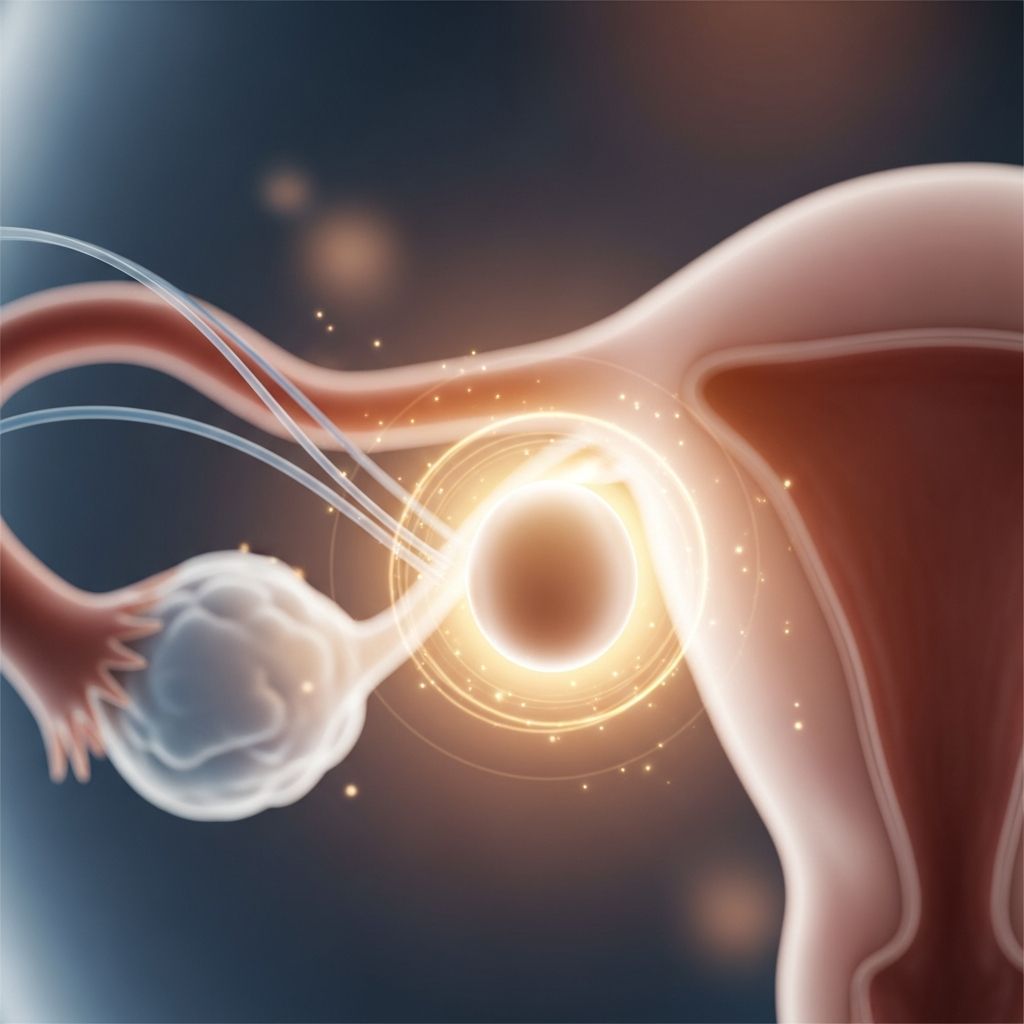
Ovulation is a critical phase in the menstrual cycle when an ovary releases a mature egg, typically around day 14 of a 28-day cycle, marking the start of the fertile window. Recognizing
ovulation symptoms
helps with fertility tracking, family planning, or understanding reproductive health. Common signs include changes in cervical mucus, basal body temperature shifts, and mild pelvic pain, though not everyone experiences noticeable symptoms.The fertile window spans about six days: five days before ovulation and the day of, with peak conception chances 1-2 days prior. The egg remains viable for roughly 24 hours post-release. Symptoms arise from hormonal surges in estrogen and luteinizing hormone (LH), affecting the body systemically.
What Is Ovulation?
Ovulation occurs when a mature egg is released from a follicle in the ovary, triggered by an LH surge around days 10-14 in a typical cycle. Follicle-stimulating hormone (FSH) matures follicles earlier, but only one dominates. Post-ovulation, progesterone rises to prepare the uterus for potential pregnancy.
Timing varies by cycle length; it happens about 14 days before the next period, not always on day 14. Regular ovulation signals good ovarian health, while irregularities may indicate issues like anovulation.
How To Know When You’re Ovulating
Tracking methods include observing physical symptoms, using ovulation predictor kits (OPKs) for LH surges, or apps combining data like basal body temperature (BBT) and cervical mucus. The most reliable signs are stretchy cervical mucus and a sustained BBT rise post-ovulation.
- Cervical mucus monitoring: Check daily for changes.
- BBT charting: Measure first thing upon waking.
- Symptom journaling: Note pain, mood, or libido shifts.
Not all women feel ovulation; subtle cues require consistent tracking.
1. Cervical Mucus Changes
The hallmark
ovulation symptom
is cervical mucus transforming into a clear, stretchy, egg-white consistency due to rising estrogen. This fertile mucus aids sperm motility with its watery, crystalline structure (98-99% water).Pre-ovulation: Mucus is sticky or creamy. At peak fertility: slippery, stretchable up to inches long. Post-ovulation: it dries up. Most women notice this, making it a top predictor.
2. Change Your Basal Body Temperature
**Basal body temperature (BBT)** dips slightly before ovulation, then rises 0.5-1°F and stays elevated until menstruation due to progesterone. Chart daily with a basal thermometer upon waking for patterns confirming ovulation post-facto.
A sustained rise for 3+ days indicates ovulation occurred. Combine with other signs for accuracy.
3. Ovulation Pain (Mittelschmerz)
**Mittelschmerz**, or ovulation pain, affects some as a mild, one-sided lower abdominal twinge when the follicle ruptures. It lasts minutes to hours, varying sides monthly.
Caused by fluid/pelvic irritation from egg release; up to 40% of women experience it.
4. Breast Soreness or Tenderness
Hormonal fluctuations cause
breast tenderness
or sore nipples before/after ovulation. Similar to PMS but timed mid-cycle; estrogen/progesterone shifts are culprits.Not unique to ovulation, but recurrence helps identify it.
5. Light Spotting or Discharge
Minor
ovulation bleeding
or pink/brown spotting occurs in 5% of cycles from estrogen drop or follicle rupture. Lasts 1-2 days; not heavy like periods.Related Stories



6. Heightened Sex Drive
An
increased libido
peaks mid-cycle from estrogen/testosterone surges, evolutionarily aiding conception. Many report stronger sexual urges during fertile days.7. Bloating
**Bloating** or fullness arises from progesterone slowing digestion post-ovulation. Paired with other signs, it signals the luteal phase start.
8. Heightened Senses
Estrogen boosts
sense of smell, taste, or sight
near ovulation, heightening sensory awareness. Subtle but noted by trackers.9. Mood Changes
**Mood swings**, irritability, or emotional shifts stem from hormone peaks. Positive mood or anxiety can occur.
10. Appetite Changes
Hormones alter
hunger
, often increasing cravings mid-cycle. Track alongside other symptoms.11. Nausea and Headaches
Mild
nausea
orheadaches
from estrogen fluctuations; more likely if migraine-prone. Severe cases warrant medical check.12. Cervical Position Changes
The cervix softens, rises, opens during ovulation (high, soft, open: HSO). Pre-ovulation: low, firm, closed. Self-check with clean hands.
| Cycle Phase | Cervical Position | Mucus | Sensation |
|---|---|---|---|
| Menstrual | Low, firm, closed | Blood | Dry |
| Follicular | Low-medium | Sticky | Dry |
| Ovulation | High, soft, open | Egg-white | Wet |
| Luteal | Low, firm, closed | Sticky/creamy | Dry |
Table adapted from cervical mucus biomarkers.
Frequently Asked Questions (FAQs)
What are the most common ovulation symptoms?
Top signs: cervical mucus changes (egg-white), BBT rise, mittelschmerz pain, breast tenderness, and libido boost. Vary by individual.
Can you feel ovulation?
Yes, some feel mittelschmerz or twinges; others have no sensation. Subtle for most.
How long do ovulation symptoms last?
Up to 5 days before and 1 day after; peak on ovulation day.
Does ovulation pain mean you’re fertile?
It indicates ovulation but confirm with mucus/BBT for fertile window.
No symptoms? Am I ovulating?
Possible; many ovulate asymptomatically. Use OPKs or ultrasound for confirmation.
When to See a Doctor
Consult if severe pain, heavy bleeding, irregular cycles, or fertility concerns. Anovulation links to health issues. Track 3+ cycles; seek fertility specialist if needed.
References
- Ovulation Symptoms: The 12 Signs of Ovulation, According to Experts — The Bump. 2023. https://www.thebump.com/a/ovulation-symptoms-signs-of-ovulation
- Everything You Need to Know About Ovulation — Hertility Health. 2023. https://hertilityhealth.com/blog/everything-to-know-about-ovulation
- Ovulation: Calculating, Timeline, Pain & Other Symptoms — Cleveland Clinic. 2023-10-23. https://my.clevelandclinic.org/health/articles/23439-ovulation
- Ovulation, a sign of health — PMC (PubMed Central). 2017-11-29. https://pmc.ncbi.nlm.nih.gov/articles/PMC5730019/
Similar Articles








Read full bio of medha deb