Ovulation: What It Is, When It Happens & Symptoms
Learn about ovulation, your fertile window, and how to track your cycle for conception planning.
Understanding Ovulation: A Complete Guide
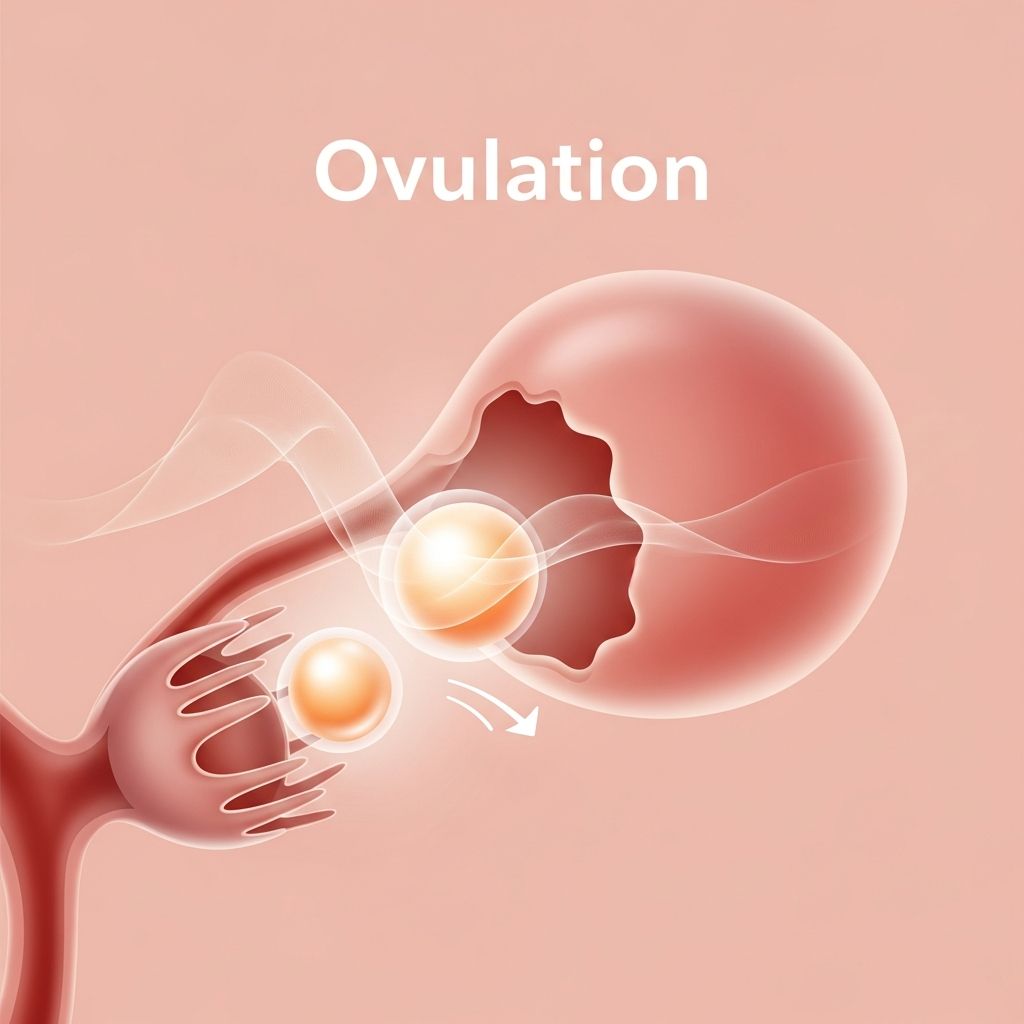
Ovulation is a fundamental biological process that occurs as part of your menstrual cycle. During ovulation, your ovary releases a mature egg that travels down your fallopian tube, where it can potentially be fertilized by sperm if conception is to occur. Understanding this process is essential whether you’re trying to conceive, planning to avoid pregnancy, or simply want to better understand your body’s reproductive system.
What Is Ovulation?
Ovulation is the phase of your menstrual cycle when your ovary releases an egg. Inside your ovaries are thousands of tiny sacs called follicles, each containing an immature egg. During the early part of your cycle, a hormone called FSH (follicle-stimulating hormone) helps several of these follicles begin to grow and develop. As these follicles mature, they produce increasing amounts of estrogen, which signals your body that an egg is ready for release.
When estrogen levels reach a critical threshold, your pituitary gland releases a surge of luteinizing hormone (LH). This LH surge typically occurs about 24 to 36 hours before ovulation actually happens, and it triggers the final maturation and release of the egg from the dominant follicle. Once released, the egg enters your fallopian tube, where it can survive for approximately 12 to 24 hours waiting for fertilization.
When Does Ovulation Occur?
The timing of ovulation varies depending on the length of your menstrual cycle. For those with an average 28-day cycle, ovulation typically occurs around day 14, roughly 14 days before your next period begins. However, it’s important to recognize that menstrual cycles vary significantly among individuals and can range from 21 to 35 days in length.
The relationship between cycle length and ovulation timing is relatively consistent: ovulation generally occurs about 14 days before your period starts, regardless of overall cycle length. This means that if you have a 30-day cycle, you would likely ovulate around day 16, and if you have a 26-day cycle, ovulation would occur closer to day 12. After ovulation occurs, most people will have a menstrual period approximately 10 to 16 days later.
Understanding Your Menstrual Cycle
To accurately predict when you will ovulate, it’s helpful to understand the full structure of your menstrual cycle. Your menstrual cycle begins on the first day of bleeding and continues until the day before your next period starts. The cycle encompasses more than just the days when you’re actively bleeding—in fact, menstruation typically only accounts for a few days of your entire cycle.
The menstrual cycle consists of distinct phases, with ovulation representing the second major phase. The follicular phase comes first, during which FSH levels rise and follicles develop in your ovaries. The ovulatory phase follows, when the LH surge triggers egg release. Finally, the luteal phase occurs after ovulation, during which the empty follicle transforms into a structure called the corpus luteum that produces progesterone to prepare your uterus for potential pregnancy.
Calculating Your Average Cycle Length
To predict your ovulation, you first need to determine your average menstrual cycle length. To calculate this accurately, track your menstrual cycles for at least three months:
Related Stories



- Note the first day you have bleeding (the start of your period)
- Count all the days until the start of your next period
- Repeat this process for three consecutive cycles
- Add the three cycle lengths together and divide by 3
For example, if your first cycle was 27 days, your second was 30 days, and your third was 28 days, your average cycle length would be 28 days (27 + 30 + 28 = 85 ÷ 3 = 28.3). Once you know your average cycle length, you can subtract 14 from that number to determine your typical ovulation day.
Your Fertile Window: When Conception Is Most Likely
The fertile window is the period during which you’re most likely to become pregnant if you have unprotected intercourse. This window is longer than the single day of ovulation itself. The fertile window typically includes five days before ovulation and the day of ovulation itself. Research indicates that the fertile window lasts approximately 6 days total and closes after ovulation occurs.
For someone with a 28-day cycle who ovulates on day 14, the most fertile days would be days 9 through 14. This extended window exists because sperm can survive in the female reproductive tract for several days after intercourse, allowing them to be present when the egg is released. For optimal chances of conception, intercourse should begin about 6 days before ovulation and should continue every 1 to 2 days for up to a week to fully capture this fertile window.
It’s worth noting that you’re far less likely to become pregnant from intercourse that occurs the days before your period begins or during your period itself. Timing intercourse appropriately during your fertile window significantly increases your chances of conception if you’re actively trying to become pregnant.
Common Symptoms of Ovulation
While ovulation itself is a microscopic event occurring inside your body, many people experience physical and physiological signs that indicate ovulation is occurring. Recognizing these symptoms can help you identify your fertile window more accurately. Common ovulation symptoms include:
- A slight increase in basal body temperature (typically 0.5 to 1 degree Fahrenheit)
- Changes in cervical mucus, which becomes clear, stretchy, and slippery (similar to egg white)
- Mild cramping or discomfort on one side of your lower abdomen
- Breast tenderness or sensitivity
- Slight bloating
- Increased libido or sexual desire
- Mild headaches
Not everyone experiences all of these symptoms, and some people may experience none at all. However, tracking these signs alongside your calendar can provide additional confirmation of when ovulation is occurring.
Using an Ovulation Calendar or Tracker
An ovulation calendar or fertility tracker is a practical tool that helps you calculate and monitor your most fertile days. These tools work by using your average menstrual cycle length to predict when ovulation will occur. You can keep track of your menstrual cycle in several ways:
- Using an online ovulation calculator on a healthcare provider’s website
- Using a dedicated fertility tracking smartphone application
- Manually tracking on a paper calendar
- Using a fertility monitoring system that combines calendar tracking with physical symptom observation
When using an ovulation calendar, you input the first day of your period and the average length of your cycle. The calculator then projects forward to estimate your ovulation date and fertile window. This approach works best for people with regular, predictable cycles. However, if your cycle length varies significantly from month to month, the predictions may be less accurate.
What Happens After Ovulation
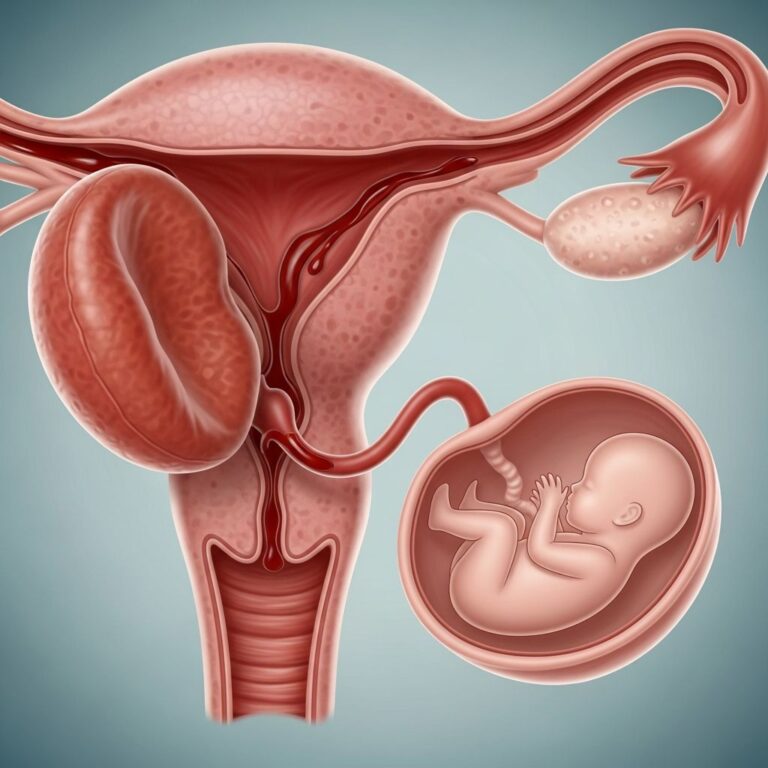
After your ovary releases the egg during ovulation, the egg travels down your fallopian tube. If sperm is present in the fallopian tube, fertilization may occur, and the sperm and egg will combine to create an embryo. The fertilized egg then continues moving down the fallopian tube toward your uterus, a journey that typically takes several days.
Meanwhile, the empty follicle that released the egg transforms into the corpus luteum, which produces progesterone. Progesterone causes the lining of your uterus to thicken, creating an environment suitable for implantation if pregnancy has occurred. If the egg is not fertilized, pregnancy does not occur, and your body enters the luteal phase of your cycle.
During the luteal phase, progesterone levels remain elevated, maintaining the thickened uterine lining. If implantation doesn’t take place, progesterone and estrogen levels drop, which triggers the breakdown and shedding of your uterine lining. This shedding is what you experience as your menstrual period, and it marks the beginning of a new cycle.
Factors That Can Affect Ovulation
While ovulation is a natural monthly occurrence for most people of reproductive age, various factors can influence whether and when ovulation happens. Stress, significant weight changes, excessive exercise, hormonal imbalances, and certain medical conditions like polycystic ovary syndrome (PCOS) can disrupt normal ovulation patterns. Some people experience anovulation, meaning they don’t ovulate during their cycle, which can affect fertility.
If you’re concerned about your ovulation patterns or suspect you may not be ovulating regularly, a healthcare provider can perform fertility testing. Laboratory tests can confirm ovulation by measuring progesterone levels; a serum progesterone level higher than 3 ng/mL approximately 7 days after suspected ovulation indicates that ovulation has occurred.
Frequently Asked Questions About Ovulation
Q: Can you get pregnant before or after your fertile window?
A: Pregnancy is unlikely outside your fertile window because sperm cannot survive long enough to meet an egg that hasn’t been released yet, and an egg cannot survive more than 12 to 24 hours after ovulation without being fertilized. However, ovulation timing can be unpredictable, so it’s possible in rare cases.
Q: Does sexual position affect the likelihood of pregnancy?
A: There is no scientific evidence that particular sexual positions or remaining lying down after intercourse improves fertility. Sperm can reach the endocervix within seconds of ejaculation regardless of sexual position. Timing intercourse during your fertile window is far more important than position.
Q: How can I confirm that ovulation has actually occurred?
A: A healthcare provider can confirm ovulation through progesterone blood testing, typically performed about 7 days after suspected ovulation. You can also track basal body temperature and cervical mucus changes to observe signs suggesting ovulation has occurred.
Q: What should I do if my cycle is irregular?
A: If your menstrual cycle is irregular, predicting ovulation becomes more challenging. Tracking symptoms like cervical mucus changes and using ovulation predictor kits that detect the LH surge may be more reliable. Consulting with a healthcare provider can help identify any underlying causes of irregularity.
Q: Is ovulation painful?
A: Some people experience mild discomfort or cramping during ovulation, often called mittelschmerz, but this is not painful for everyone. The sensation is typically mild and lasts only a few hours to a day.
References
- Tracking Your Fertile Window With an Ovulation Calculator — Cleveland Clinic. 2024. https://health.clevelandclinic.org/ovulation-calendar
- Female Reproductive System: Structure & Function — Cleveland Clinic. 2024. https://my.clevelandclinic.org/health/articles/9118-female-reproductive-system
- Menstrual Cycle (Normal Menstruation): Overview & Phases — Cleveland Clinic. 2024. https://my.clevelandclinic.org/health/articles/10132-menstrual-cycle
- Ovaries: Anatomy, Function, Location & Conditions — Cleveland Clinic. 2024. https://my.clevelandclinic.org/health/body/22999-ovaries
- Infertility: A Practical Framework — Cleveland Clinic Journal of Medicine. 2019. https://www.ccjm.org/content/86/7/473
Similar Articles








Read full bio of medha deb