Ovum: Structure, Function & Role in Reproduction
Understanding the female egg: anatomy, development, and its critical role in conception.
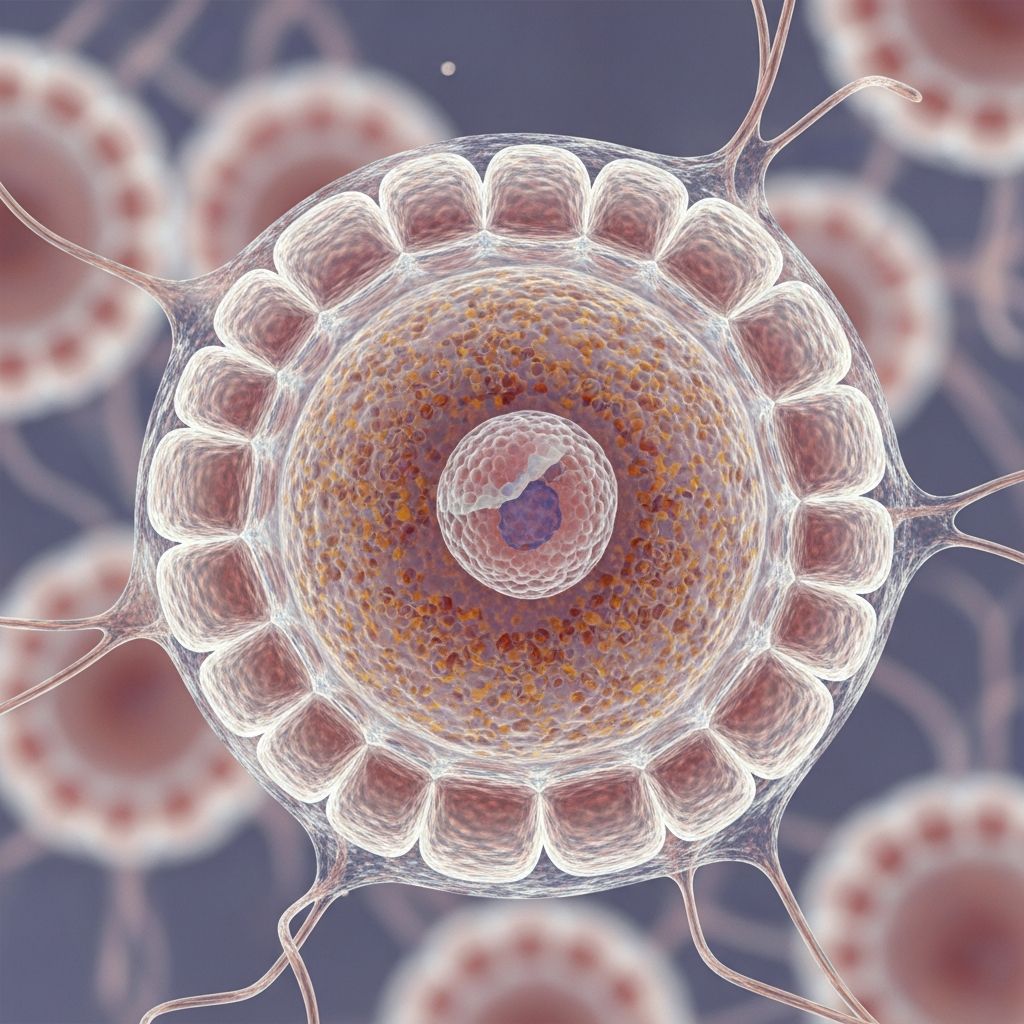
Understanding the Ovum: The Female Egg Cell
The ovum, commonly referred to as an egg cell, is a specialized reproductive cell produced by the female ovaries. It represents one of the largest cells in the human body and plays a fundamental role in human reproduction. The ovum contains genetic material from the female parent and, when fertilized by sperm, can develop into a new human being. Understanding the structure, development, and function of the ovum is essential for comprehending how conception occurs and how the female reproductive system operates.
Structure and Composition of the Ovum
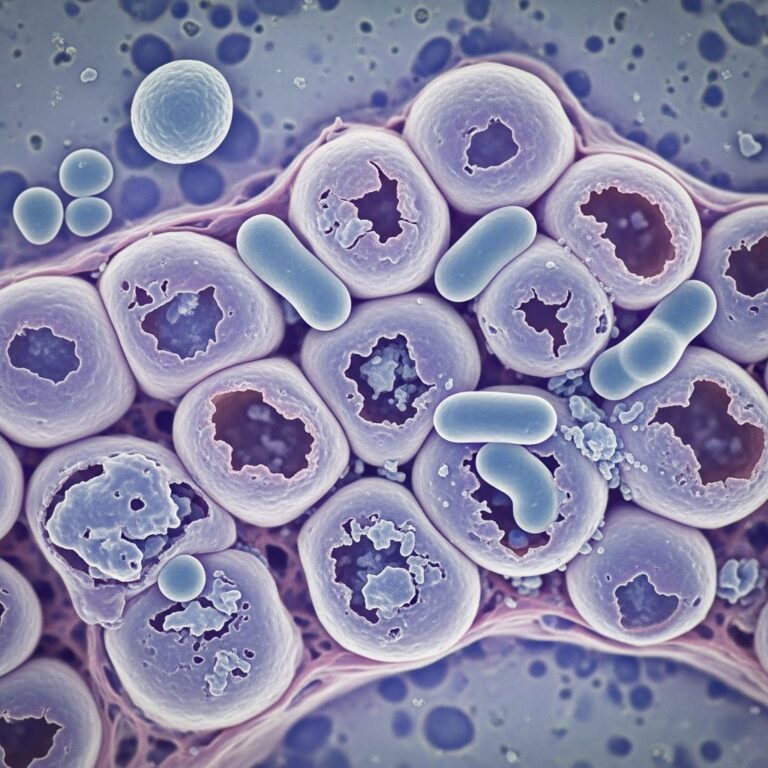
The ovum possesses several distinct structural components that enable its biological functions. At the center of the ovum lies the nucleus, which contains the female’s genetic material in the form of chromosomes. This genetic information is crucial because it combines with genetic material from the sperm cell to determine the inherited characteristics of any resulting offspring.
Surrounding the nucleus is the cell plasma, commonly referred to as the yolk, which contains essential nutritional elements necessary for the developing egg cell. This nutrient-rich environment provides the resources needed for early cellular development. The ovum is also surrounded by protective layers, including the zona pellucida, a transparent glycoprotein layer that plays a critical role during fertilization and early embryonic development. The corona radiata, consisting of follicular cells, forms the outermost layer and protects the egg as it travels through the reproductive tract.
Development and Maturation of the Ovum
The Follicular Environment
Each ovum develops within a specialized structure called a follicle. The follicle is a hollow ball of cells that surrounds and protects the developing egg. The outer surface of each ovary is covered by a layer of cells known as the germinal epithelium, which surrounds the immature egg cells present in the ovaries from birth. The follicle gradually enlarges as the ovum matures through a process called oogenesis.
The hollow cavity between the egg and the follicular wall typically contains fluid secreted by the follicular cells. This follicular fluid serves multiple important functions: it keeps the ovum moist, provides a suitable growing environment, and contains hormones and nutrients that support egg development. As the ovum develops, the walls of the follicle expand by adding new cells, and both the follicle and ovum gradually migrate through the ovarian tissue until they create a visible bulge on the surface of the organ.
Timeline of Follicle Development
The development of a follicle is a remarkably lengthy process. Once a follicle is activated, it typically takes approximately four months for complete development. However, not all follicles follow the same timeline. Some follicles remain dormant for as long as 40 years before they mature, while others degenerate and never fully develop. During a woman’s reproductive years, only 300 to 400 follicles will mature and release eggs capable of being fertilized. By the time a woman reaches menopause, most of the remaining follicles have degenerated, marking the end of reproductive capacity.
Hormonal Regulation of Ovum Development
The development and release of the ovum are controlled by intricate hormonal mechanisms involving the pituitary gland and the ovaries. Follicle-stimulating hormone (FSH), secreted into the bloodstream by the pituitary gland, is responsible for initiating and promoting ovum growth. FSH stimulates the follicles within the ovary to develop and the ovum to mature. Between days six and 14 of the menstrual cycle, FSH helps multiple follicles grow, though typically only one emerges as the dominant follicle.
Related Stories



Once the ovum has fully matured, a different hormone becomes crucial: luteinizing hormone (LH). A sudden surge in LH levels around day 14 of the menstrual cycle triggers the release of the mature egg from the dominant follicle. This LH surge is the immediate cause of ovulation and typically takes one to two days for the egg to completely escape from the follicle.
Ovulation: Release of the Ovum
Ovulation is the process by which the mature ovum is released from the ovary. When the follicle ruptures in response to the LH surge, the egg is expelled from the ovary. At this moment, the empty follicle undergoes a remarkable transformation. The walls of the ruptured follicle collapse inward and develop into a new endocrine structure called the corpus luteum. This saffron-yellow mass of cells can range from just under 2 centimeters to 5 centimeters in size and plays an important role in maintaining pregnancy if fertilization occurs.
Following ovulation, the released ovum is captured by finger-like projections at the end of the fallopian tube called fimbriae. These delicate structures extend toward the ovary during ovulation and sweep the egg gently into the fallopian tube. Tiny hair-like structures called cilia line the fimbriae and beat rhythmically in the direction of the uterus, propelling the egg forward.
Transport Through the Reproductive Tract
Once inside the fallopian tube, the ovum begins its journey toward the uterus. Muscular contractions of the fallopian tube walls, coordinated with the beating action of cilia, move the egg through the tube. The fallopian tube provides an optimal environment for the egg to encounter sperm if sexual intercourse has occurred. The journey through the fallopian tube typically takes several days, allowing time for fertilization to occur in this specialized environment.
If fertilization does not occur, the unfertilized ovum continues traveling through the fallopian tube and eventually reaches the uterus, where it is shed along with the uterine lining during menstruation. If an egg does not become fertilized within 24 hours of its release from the ovary, it begins to degenerate and loses its capacity to be fertilized.
Fertilization and Early Development
When fertilization occurs, a sperm cell successfully penetrates the protective layers of the ovum and fuses with it. This union combines the genetic material from both the egg and the sperm, creating a new cell called a zygote. The genetic contributions from both parents determine the inherited characteristics of the resulting child, including traits such as eye color, hair color, and many other physical and biological features.
After fertilization, the zygote undergoes a series of rapid cell divisions as it continues traveling down the fallopian tube. These divisions create progressively smaller cells without increasing the overall size of the embryo. By approximately five to six days after fertilization, the developing embryo reaches the blastocyst stage, a ball of cells ready for implantation into the uterine lining.
Multiple Pregnancies from Ova
In some cases, multiple pregnancies can result from different scenarios involving ova. If a single fertilized egg spontaneously splits into two parts that continue to develop independently, identical twins will result from that one egg and one sperm. In rare cases, incomplete division of the fertilized egg can result in conjoined twins, sometimes called Siamese twins, who are born physically joined together. In contrast, fraternal twins result when two separate eggs are released and independently fertilized by two different sperm cells, creating two genetically distinct embryos.
The Role of the Corpus Luteum
After ovulation, the corpus luteum becomes crucial for supporting a potential pregnancy. This temporary endocrine gland produces progesterone, a hormone essential for preparing and maintaining the uterus for pregnancy. Progesterone causes the uterine lining to thicken and become enriched with blood vessels, creating an ideal environment for a fertilized egg to implant and develop. If fertilization and implantation occur, the corpus luteum continues producing progesterone to support the developing pregnancy. If fertilization does not occur, the corpus luteum gradually degenerates, progesterone levels decline, and menstruation occurs.
Clinical Significance and Fertility Considerations
Understanding ovum development and function is essential in fertility medicine and reproductive health. Issues affecting ovum production, maturation, or release can contribute to infertility. Similarly, problems with the fallopian tubes or other reproductive structures can prevent the ovum from being properly transported or fertilized. Assisted reproductive technologies such as in vitro fertilization (IVF) work directly with ova, extracting mature eggs from the ovary and facilitating fertilization in a laboratory setting before implanting developing embryos into the uterus.
Frequently Asked Questions
Q: How many eggs does a woman have?
A woman is born with approximately one to two million immature eggs in her ovaries. This number decreases throughout her lifetime due to natural degeneration. By puberty, she typically has about 300,000 to 400,000 eggs remaining. During her reproductive years, only about 300 to 400 eggs will actually ovulate and become available for fertilization.
Q: How long does an ovum survive after ovulation?
An unfertilized ovum typically remains viable for approximately 24 hours after ovulation. If sperm does not fertilize the egg within this timeframe, the egg begins to degenerate and can no longer be fertilized. This relatively short window highlights the importance of timing in conception.
Q: Can you get pregnant without ovulation?
No, ovulation is essential for natural conception to occur. Without the release of a mature ovum from the ovary, there is no egg available for sperm to fertilize. However, assisted reproductive technologies can help individuals who do not ovulate regularly achieve pregnancy through medical intervention.
Q: What is the relationship between the ovum and the menstrual cycle?
The ovum and menstrual cycle are intimately connected. The menstrual cycle is regulated by hormones that control ovum development and release. Typically, one mature ovum is released during each menstrual cycle, around day 14. If this egg is not fertilized, hormone levels change, triggering the shedding of the uterine lining and the start of menstruation.
Q: What happens to the ovum after fertilization?
After fertilization, the ovum becomes a zygote and begins dividing. These divisions continue as the zygote travels through the fallopian tube. After approximately five to six days, it becomes a blastocyst, which then implants into the uterine lining where it can develop into a fetus.
References
- Ovum | Structure, Function & Fertilization — Britannica. Accessed 2025. https://www.britannica.com/science/ovum
- Corpus Luteum: Development, Anatomy & Function — Cleveland Clinic. Accessed 2025. https://my.clevelandclinic.org/health/body/21849-corpus-luteum
- Ovaries: Anatomy, Function, Location & Conditions — Cleveland Clinic. Accessed 2025. https://my.clevelandclinic.org/health/body/22999-ovaries
- Fallopian Tubes: Location, Anatomy, Function & Conditions — Cleveland Clinic. Accessed 2025. https://my.clevelandclinic.org/health/body/23184-fallopian-tubes
- Fimbriae Of The Uterine Tube: Anatomy & Function — Cleveland Clinic. Accessed 2025. https://my.clevelandclinic.org/health/body/24346-fimbriae
- Blastocyst: Definition, Stage & Implantation — Cleveland Clinic. Accessed 2025. https://my.clevelandclinic.org/health/body/22889-blastocyst
Similar Articles








Read full bio of Sneha Tete