Oxazepam For Anxiety: 5 Key Facts And Dosage Guide
Comprehensive guide to using oxazepam for managing anxiety, alcohol withdrawal, dosage, side effects, and precautions.
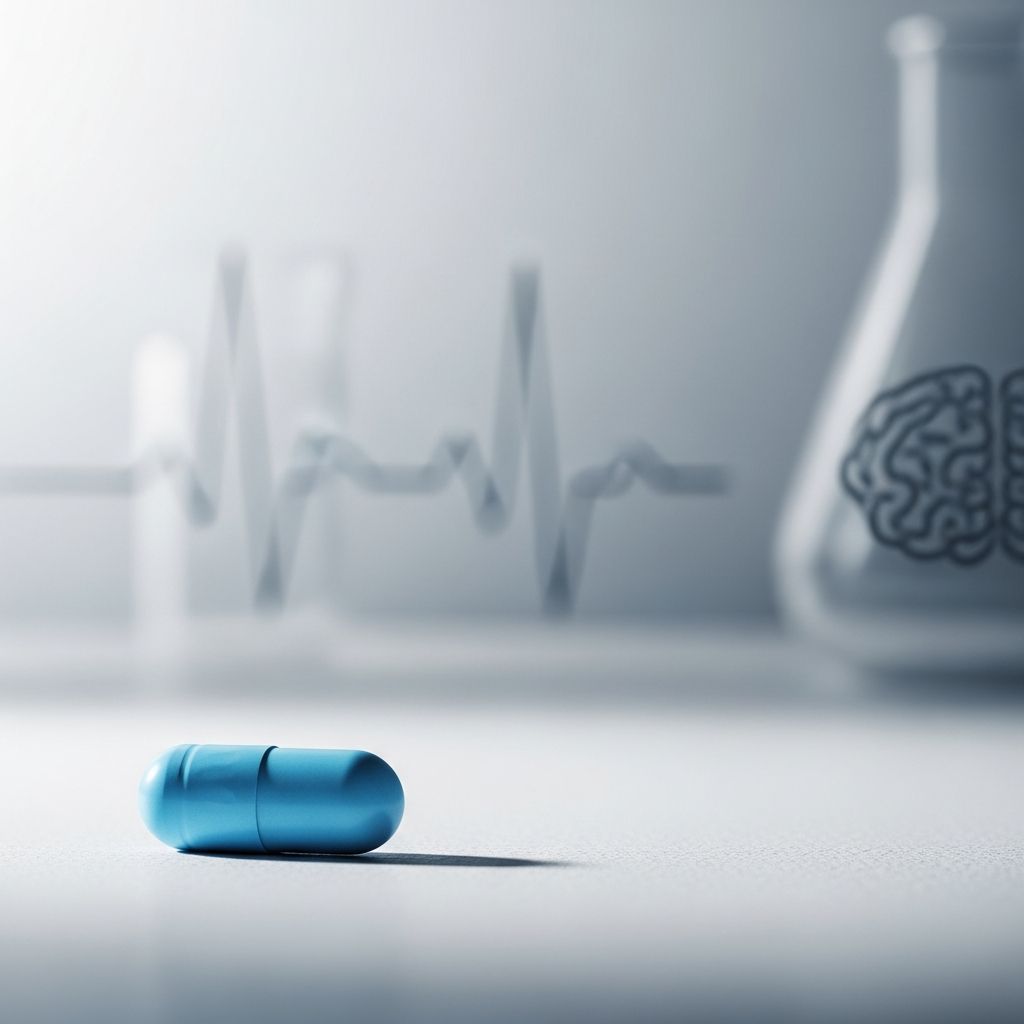
Oxazepam is a benzodiazepine medication primarily prescribed for the short-term relief of severe anxiety symptoms, including those associated with depression, alcohol withdrawal, tension, agitation, and irritability, particularly in older adults. As a central nervous system (CNS) depressant, it enhances the effect of gamma-aminobutyric acid (GABA), the brain’s main inhibitory neurotransmitter, to produce calming effects.
About oxazepam
Oxazepam belongs to the benzodiazepine class of drugs, which slow down brain activity to reduce excessive nervousness and promote relaxation. It is indicated for managing anxiety disorders, short-term anxiety relief, alcohol withdrawal symptoms, and insomnia related to anxiety. Unlike longer-acting benzodiazepines, oxazepam has an intermediate duration of action with a slower onset, making it suitable for patients requiring less accumulation in the body, such as the elderly.
Available under brand names like Serax in the US, oxazepam is supplied as oral capsules or tablets (typically 10mg or 15mg strengths) and requires a doctor’s prescription. It is not intended for long-term use due to risks of tolerance, dependence, and withdrawal.
Key facts
- Oxazepam is a short-to-intermediate acting benzodiazepine used for anxiety and alcohol withdrawal.
- Treatment duration is usually 2-4 weeks maximum to minimize dependence risks.
- Common side effects include drowsiness, dizziness, and ataxia; tolerance can develop quickly.
- It carries FDA boxed warnings for risks of abuse, addiction, respiratory depression (especially with opioids), and severe withdrawal.
- Not recommended for children; dose adjustments needed for elderly or debilitated patients.
When to take oxazepam
Oxazepam should be taken exactly as prescribed, typically 3-4 times daily with or without food. For anxiety associated with insomnia, a dose is often taken 1 hour before bedtime. Doses are spread throughout the day to maintain steady effects, but timing should align with symptom peaks. Swallow capsules whole; do not crush or chew.
Avoid abrupt stops; your doctor will taper the dose gradually over weeks to prevent withdrawal symptoms like rebound anxiety, insomnia, tremors, or seizures.
How to take oxazepam
Follow your doctor’s instructions precisely. Standard adult doses for anxiety are 15-30mg three to four times daily, adjustable based on response. For bedtime use in anxiety-related sleep issues, 15-25mg (up to 50mg max) one hour before bed. Elderly or sensitive patients start at 10-20mg three to four times daily.
| Condition | Adult Dose | Elderly/Debilitated Dose |
|---|---|---|
| Anxiety | 15-30mg 3-4 times/day | 10-20mg 3-4 times/day |
| Anxiety with insomnia | 15-25mg (max 50mg) at bedtime | Lower end of range |
| Alcohol withdrawal | Higher initial doses, tapered | Adjusted carefully |
If you miss a dose, take it as soon as remembered unless near the next dose; do not double up. Store at room temperature away from moisture.
Common questions
How long does oxazepam take to work?
Effects begin within 1-2 hours, peaking at 3-4 hours, with a duration of 6-8 hours, suitable for daytime use without excessive hangover effects.
Will oxazepam make me sleepy?
Yes, drowsiness is common, especially initially. Avoid driving or operating machinery until you know its effects. Tolerance to sedation often develops.
Related Stories



How long can I take it for?
Typically 2-4 weeks; longer use risks dependence. Periodic reassessment is essential.
Dosage
Dosage varies by condition, age, and response. Maximum daily doses should not exceed recommendations to avoid overdose risks. For alcohol withdrawal, higher initial doses (e.g., 15-30mg every 4-6 hours) are tapered over days.
- Adults: Anxiety: 10-15mg up to 3-4 times daily; severe cases up to 30mg per dose.
- Elderly: Start low (10mg) to prevent falls and excessive sedation.
- Adjustments: Reduce in liver impairment; monitor closely in respiratory disease.
How to stop taking oxazepam
Never stop suddenly due to withdrawal risks, including severe anxiety, tremors, seizures, hallucinations, or psychosis-like symptoms. Your doctor will create a tapering schedule, reducing by 5-10mg every few days or slower over weeks/months.
Withdrawal symptoms may include headaches, muscle pain, insomnia, irritability, panic attacks, sweating, depersonalization, or convulsions. Psychological support and alternative therapies (e.g., CBT) aid discontinuation.
Side-effects
Most side effects are dose-related and include drowsiness, lethargy, dizziness, ataxia (poor coordination), dysarthria (slurred speech), and confusion. Serious risks involve respiratory depression, especially with alcohol or opioids.
Common side effects
- Drowsiness or severe sleepiness
- Dizziness, lightheadedness
- Ataxia, falls (especially elderly)
- Memory issues, forgetfulness
- Blurred vision, headache
Serious side effects
- Respiratory depression, slow breathing
- Hallucinations, nightmares
- Mood changes, depression, suicidal thoughts
- Allergic reactions: rash, swelling
- Overdose signs: extreme drowsiness, coma
Report persistent or severe effects to your doctor; dose reduction may help.
Pregnancy and breastfeeding
Oxazepam is not recommended during pregnancy (FDA Category D) due to risks of fetal harm, including floppy infant syndrome and withdrawal in newborns. Avoid if breastfeeding, as it passes into milk causing sedation in infants.
Other medicines and oxazepam
Avoid combining with other CNS depressants (alcohol, opioids, sedatives, antihistamines) due to amplified sedation and respiratory risks. Inform your doctor of all medications, including over-the-counter.
- Dangerous interactions: Opioids (fatal respiratory depression), alcohol, barbiturates.
- Others: Antidepressants, anticonvulsants, muscle relaxants—may enhance effects.
Caution with other conditions
Use cautiously in:
- Respiratory disorders (COPD, sleep apnea)
- Liver/kidney disease (impaired metabolism)
- History of substance abuse or depression
- Glaucoma, myasthenia gravis
- Elderly (higher fall risk)
Frequently Asked Questions (FAQs)
Q: Can oxazepam be used long-term?
A: No, it’s for short-term use (2-4 weeks) only due to dependence risks. Long-term alternatives like SSRIs are preferred.
Q: Does oxazepam cause addiction?
A: Yes, as a Schedule IV controlled substance, it has abuse potential. Signs include needing higher doses or withdrawal symptoms.
Q: Is oxazepam safe for elderly patients?
A: Yes, but at lower doses (10-20mg/day) due to increased sensitivity, sedation, and fall risks.
Q: What if I overdose on oxazepam?
A: Seek emergency help: symptoms include severe drowsiness, confusion, slow breathing. Flumazenil may be used as antidote.
Q: Can I drink alcohol while taking oxazepam?
A: No, it dangerously increases sedation and respiratory depression risks.
References
- Oxazepam (oral route) – Mayo Clinic — Mayo Foundation for Medical Education and Research. 2023-10-01. https://www.mayoclinic.org/drugs-supplements/oxazepam-oral-route/description/drg-20072267
- Oxazepam – LiverTox – NCBI Bookshelf — National Center for Biotechnology Information. 2024-05-15. https://www.ncbi.nlm.nih.gov/books/NBK548104/
- Oxazepam: Uses, Interactions, Mechanism of Action | DrugBank — DrugBank Online. 2025-01-10. https://go.drugbank.com/drugs/DB00842
- Oxazepam 10mg and 15mg Tablets – EMC — Medicines.org.uk. 2024-08-20. https://www.medicines.org.uk/emc/files/pil.11747.pdf
- Oxazepam – MedlinePlus Drug Information — U.S. National Library of Medicine. 2024-11-05. https://medlineplus.gov/druginfo/meds/a682050.html
- Oxazepam – StatPearls – NCBI Bookshelf — National Center for Biotechnology Information. 2025-02-12. https://www.ncbi.nlm.nih.gov/books/NBK544349/
Similar Articles








Read full bio of medha deb