Oxidative Stress: Causes, Symptoms & Treatment
Learn how oxidative stress damages cells and discover effective strategies to reduce its harmful effects.
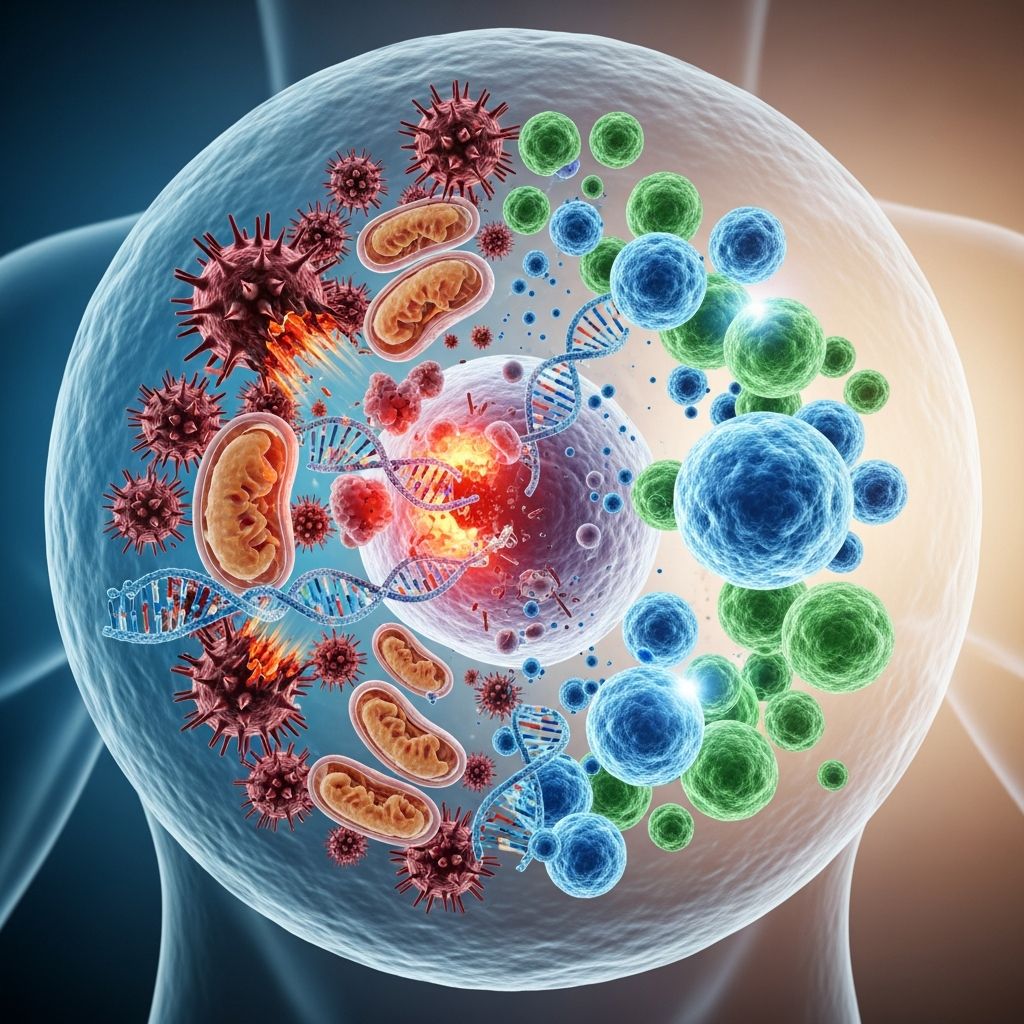
What Is Oxidative Stress?
Oxidative stress is an imbalance between two different types of molecules in your body: free radicals and antioxidants. Specifically, it occurs when there are too many free radicals and not enough antioxidants to neutralize them. As a result, the excess free radicals start to harm your body’s cells and tissues, damaging the different parts of cells, including lipids (fats) and proteins that allow them to function normally.
Free radicals are unstable atoms that can harm you if there are too many in your body, leading to oxidative stress. Antioxidants, on the other hand, can help protect your body from such damage by neutralizing these harmful molecules. When you don’t have enough antioxidants to satisfy the free radicals, those free radicals go scavenging through your body, and you experience oxidative stress as a result.
How Does Oxidative Stress Develop?
Oxidative stress develops when the balance between free radical production and antioxidant defense mechanisms becomes disrupted. In healthy individuals, the body maintains a careful equilibrium between reactive oxygen species (ROS) and total antioxidant capacity (TAC). However, when this ratio becomes imbalanced—either through increased ROS production or reduced antioxidant levels—oxidative stress occurs.
The cellular damage caused by oxidative stress can accumulate over time, potentially mediating the aging process and contributing to the pathogenesis of various non-communicable chronic diseases. This gradual accumulation of damage is why oxidative stress is considered a key factor in many age-related health conditions.
What Causes Oxidative Stress?
Anything that raises the number of free radicals in your body to unhealthy levels can cause oxidative stress. Healthcare providers sometimes refer to these culprits as environmental factors or environmental triggers. Known examples include:
- Cigarette smoke and secondhand smoke exposure
- Air pollution and environmental irritants
- Ultraviolet (UV) radiation from sun exposure
- Alcohol consumption
- High-stress levels and chronic stress
- Poor diet lacking in antioxidants
- Excessive exercise without proper recovery
- Pesticide exposure
- Industrial chemicals
- Radiation exposure
Additionally, certain internal factors can increase oxidative stress, including inflammatory conditions, metabolic disorders, and compromised immune function. The body naturally produces some free radicals during normal metabolic processes, but when external stressors pile on top of this natural production, oxidative stress can develop rapidly.
Conditions Associated With Oxidative Stress
Researchers believe oxidative stress plays a significant role in the onset of many chronic and degenerative conditions. The accumulated cellular damage from oxidative stress contributes to disease development and progression across multiple organ systems.
Conditions linked to oxidative stress include:
- Cancer
- Alzheimer’s disease and other neurodegenerative diseases
- Heart disease and cardiovascular conditions
- Type 2 diabetes mellitus
- Obesity
- Rheumatoid arthritis
- Psoriatic arthritis
- Parkinson’s disease
- Stroke
- Chronic kidney disease
Recent research has also suggested that oxidative stress plays a central role in various pathological processes, including testicular damage in varicocele conditions and cellular injury patterns similar to general adaptation syndrome responses to cellular stressors.
Related Stories



Oxidative Stress Symptoms
The challenge with oxidative stress is that it often occurs without visible symptoms in its early stages. The damage happens at the cellular level, accumulating silently over time. However, as oxidative stress causes substantial damage to organs and tissues, you may start to feel its effects through various symptoms depending on which systems are most affected.
For example, if oxidative stress contributes to cardiovascular damage, the buildup of plaque (sticky substances that include cholesterol) in your arteries can lead to symptoms of cardiovascular disease, including chest pain, shortness of breath, fatigue, and potentially heart attacks. Similarly, oxidative stress affecting the brain may contribute to cognitive changes associated with neurodegenerative diseases.
In some cases, oxidative stress may manifest as general fatigue, joint pain, memory problems, or muscle weakness. However, these symptoms are often attributed to other causes, making oxidative stress difficult to diagnose without specific testing.
How to Reduce Oxidative Stress
The good news is that it’s within your power to take steps to combat the harmful effects of oxidative stress. While oxidative stress is one of those processes that happens inside your body without you realizing it, and it happens often, there are multiple evidence-based strategies to minimize its impact on your health.
Dietary Strategies
One of the most effective ways to combat oxidative stress is through diet. Foods rich in antioxidants can help reduce oxidative stress by providing your body with the molecules it needs to neutralize excess free radicals. Consider incorporating the following into your diet:
- Colorful vegetables including spinach, kale, and broccoli
- Berries such as blueberries, strawberries, and raspberries
- Dark chocolate and cocoa products
- Nuts and seeds including almonds and sunflower seeds
- Green and black tea
- Fatty fish rich in omega-3 fatty acids
- Whole grains
- Legumes and beans
Lifestyle Modifications
Beyond diet, several lifestyle changes can help reduce oxidative stress levels. Regular physical activity helps regulate the body’s production of free radicals and strengthens antioxidant defense systems. However, balance is important—excessive exercise without proper recovery can paradoxically increase oxidative stress.
Stress management is equally important. Chronic stress increases free radical production, so implementing mindfulness-based interventions, meditation, or behavioral therapy sessions can help reduce oxidative stress and improve overall health outcomes. Adequate sleep is also crucial, as sleep deprivation impairs antioxidant defense mechanisms.
Additionally, avoiding or minimizing exposure to known oxidative stress triggers—such as cigarette smoke, excessive alcohol consumption, and unnecessary UV radiation—significantly reduces your overall oxidative stress burden.
Environmental Modifications
Protecting yourself from environmental oxidative stress triggers includes:
- Avoiding cigarette smoke and secondhand smoke exposure
- Using sunscreen with adequate SPF protection
- Reducing exposure to air pollution when possible
- Minimizing contact with pesticides and industrial chemicals
- Improving indoor air quality
The Role of Antioxidants
Antioxidants are molecules that can donate electrons to free radicals, stabilizing them and preventing them from causing damage. The body produces some antioxidants naturally, including glutathione, superoxide dismutase, and catalase. However, dietary antioxidants from food sources are also essential for maintaining adequate antioxidant capacity.
Common dietary antioxidants include vitamins C and E, beta-carotene, selenium, and polyphenols found in plant-based foods. While antioxidant supplements are available, research suggests that obtaining antioxidants from whole foods provides additional benefits including fiber, minerals, and other phytonutrients that work synergistically to support health.
Research on Oxidative Stress and Disease
Ongoing research continues to uncover the connections between oxidative stress and various diseases. Cleveland Clinic researchers are investigating how oxidative stress contributes to microglial dysfunction and inflammation in Alzheimer’s disease, with studies showing that oxidative stress affects brain cell function and contributes to neurodegenerative processes. This research is leading to potential new therapeutic strategies, including the development of compounds designed to combat reactive core aldehydes (RCAs) produced when fats in the brain become oxidized.
Understanding these mechanisms is also revealing sex-based differences in disease susceptibility, with implications for personalized medicine approaches to treatment and prevention.
When to See a Healthcare Provider
If you experience symptoms that might be related to chronic diseases associated with oxidative stress—such as chest pain, shortness of breath, cognitive changes, or joint pain—consult with a healthcare provider. They can perform appropriate testing and help determine whether oxidative stress is contributing to your symptoms.
Additionally, if you have risk factors for oxidative stress-related diseases, such as a family history of heart disease or Alzheimer’s disease, preventive strategies focused on reducing oxidative stress may be particularly beneficial.
Frequently Asked Questions
Q: What is the difference between oxidative stress and antioxidant stress?
A: Oxidative stress occurs when there are too many free radicals and insufficient antioxidants. Antioxidant stress, or reductive stress, is the opposite—an imbalance where antioxidant levels are too high relative to free radical production, which can also cause cellular dysfunction.
Q: Can oxidative stress be completely eliminated?
A: No, some oxidative stress is unavoidable as free radicals are produced during normal metabolic processes. However, you can significantly reduce excessive oxidative stress through dietary and lifestyle modifications.
Q: Are antioxidant supplements necessary?
A: Most people can obtain adequate antioxidants from a balanced diet rich in fruits, vegetables, and whole grains. Consult with a healthcare provider before taking supplements, as some may interact with medications or provide more antioxidants than needed.
Q: How long does it take to reduce oxidative stress?
A: The timeline varies depending on the severity of oxidative stress and consistency with lifestyle changes. Some improvements in markers of oxidative stress can occur within weeks to months with sustained dietary and lifestyle modifications.
Q: Can exercise increase oxidative stress?
A: While moderate exercise reduces oxidative stress and improves antioxidant defenses, excessive exercise without adequate recovery can temporarily increase free radical production. Balanced training with proper rest periods is optimal.
References
- Cleveland Clinic researchers receive $3.9 million to explain how oxidative stress affects microglia in Alzheimer’s disease — Cleveland Clinic Lerner Research Institute. 2024-09-25. https://www.lerner.ccf.org/news/article/
- Oxidative Stress: Causes, Symptoms & Treatment — Cleveland Clinic. 2024-02-29. https://my.clevelandclinic.org/health/articles/oxidative-stress
- Oxidative Stress: A Comprehensive Review of Biochemical and Molecular Mechanisms — National Institutes of Health, National Center for Biotechnology Information. 2023-01-15. https://pmc.ncbi.nlm.nih.gov/articles/PMC8761243/
- The Role of Chronic, Systemic Inflammation in Rheumatologic Disease — Cleveland Clinic. 2024. https://consultqd.clevelandclinic.org/chronic-inflammation-the-exposome-and-the-epidemic-of-chronic-disease
- Why You Should Care About Free Radicals — Cleveland Clinic Health. 2024. https://health.clevelandclinic.org/free-radicals
Similar Articles








Read full bio of medha deb