Oxis Turbuhaler: Complete Guide to Use and Side Effects
Understand how Oxis Turbuhaler works for asthma prevention and management
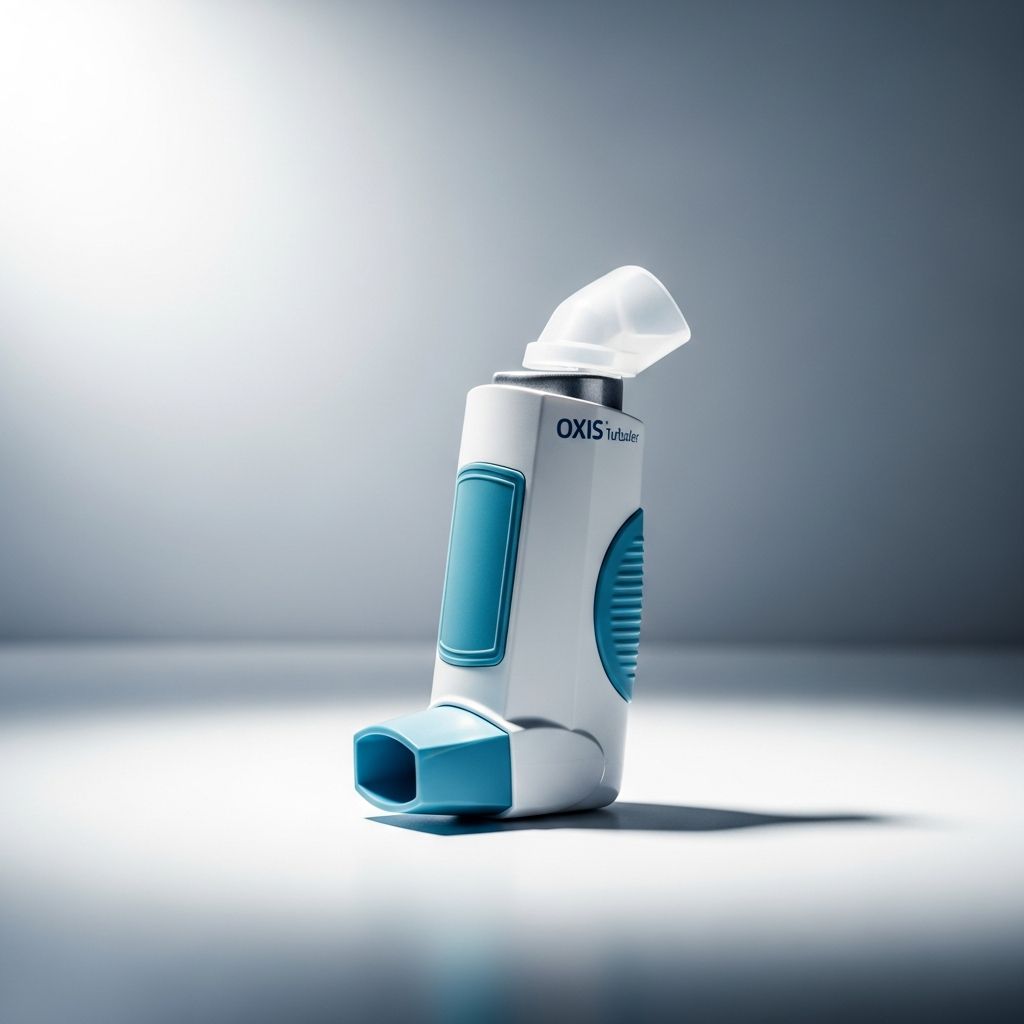
Oxis Turbuhaler represents an important therapeutic option for individuals managing chronic respiratory conditions. This inhalation powder delivers targeted medication directly to the airways, offering both preventative and therapeutic benefits for those with compromised respiratory function. Understanding how this medication works, when to use it, and what to expect during treatment is essential for safe and effective use.
Understanding the Mechanism Behind Oxis Turbuhaler
Oxis Turbuhaler contains formoterol, a long-acting beta-2 agonist that functions by relaxing the smooth muscles surrounding the airways. This action allows for improved airflow and reduced respiratory obstruction. The medication works by stimulating specific receptors in the lungs, promoting bronchodilation that can last for extended periods. This mechanism makes it particularly valuable for individuals who require sustained control of their respiratory symptoms throughout the day and night.
The Turbuhaler delivery system itself is engineered to ensure optimal medication deposition in the lower airways where it can exert maximum therapeutic effect. This dry powder inhaler requires proper inhalation technique to function effectively, making patient education regarding correct usage absolutely critical for treatment success.
Primary Applications and Therapeutic Uses
Healthcare providers prescribe Oxis Turbuhaler primarily for preventing asthma symptoms from occurring rather than treating acute respiratory distress. The medication serves as a maintenance therapy, helping individuals maintain consistent respiratory function and reduce the frequency and severity of breathing complications.
Beyond prevention, some patients use Oxis Turbuhaler to obtain additional relief when they experience breakthrough symptoms despite regular preventative treatment. This dual-purpose approach—both scheduled maintenance and as-needed relief—allows for comprehensive symptom management tailored to individual needs.
Proper Administration Technique
Correct inhaler technique is fundamental to achieving therapeutic benefit from Oxis Turbuhaler. Your healthcare provider will demonstrate the appropriate method for using your specific device and explain why your treatment regimen has been selected for your particular condition.
When administering the medication:
- Follow your doctor’s prescribed dosing schedule consistently, even when symptoms are absent
- Inhale forcefully and deeply to ensure the powder reaches the lower respiratory tract
- Hold your breath briefly after inhalation to maximize drug deposition
- Rinse your mouth after use to minimize potential local effects
- Keep your rescue medication easily accessible at all times
If you experience an immediate increase in wheezing or shortness of breath after administering Oxis Turbuhaler, contact a healthcare provider immediately, as this could indicate a need for treatment adjustment or additional medical attention.
Important Precautions and Contraindications
Certain individuals should not use Oxis Turbuhaler. Do not use this medication if you have ever experienced an allergic reaction to formoterol or lactose, as these components could trigger serious hypersensitivity responses. Always verify all medication ingredients before beginning treatment.
Before starting Oxis Turbuhaler, inform your doctor about:
- Thyroid disorders or dysfunction
- Diabetes mellitus or blood sugar control issues
- Any cardiac conditions or heart complications
- Hepatic dysfunction or liver disease
- Abnormal potassium levels in your bloodstream
- Current medications and supplements
- Pregnancy status or breastfeeding
Related Stories



Pregnancy and breastfeeding require special consideration. Do not use Oxis Turbuhaler during pregnancy or while breastfeeding unless your physician specifically directs otherwise. This precaution ensures protection of the developing fetus or nursing infant from potential medication exposure.
Medication Interactions and Combined Therapies
Never use other long-acting beta-2 agonists, such as salmeterol, simultaneously with Oxis Turbuhaler, as combining these medications could result in excessive beta-2 stimulation and dangerous side effects. Your healthcare provider will coordinate all respiratory medications to prevent harmful interactions.
Inform your physician about all medications you take regularly, including over-the-counter products and herbal supplements. Some medications may interact with formoterol or affect how your respiratory system responds to treatment.
Comprehensive Overview of Potential Side Effects
Most individuals tolerate Oxis Turbuhaler well, with side effects typically being mild and temporary, often resolving within one to two weeks as your body adjusts to the medication. However, understanding the full spectrum of possible adverse reactions helps you recognize when medical attention may be necessary.
Frequently Occurring Side Effects
Common side effects that may develop during treatment include:
- Headache affecting the frontal or temporal regions
- Tremor or shakiness, particularly in the hands
- Dizziness or lightheadedness
- Nausea or mild gastrointestinal discomfort
- Muscle cramps in the legs or other muscle groups
These effects typically diminish as your body becomes accustomed to the medication. Contacting your healthcare provider is advisable if these symptoms persist or interfere with daily activities.
Less Common but Notable Side Effects
Certain adverse reactions occur less frequently but warrant medical attention if they develop:
| Side Effect | Description | Action Required |
| Cardiac Palpitations | Sensation of rapid or forceful heartbeats | Contact doctor if persistent |
| Tachycardia | Abnormally elevated heart rate | Medical evaluation recommended |
| Sleep Disturbances | Insomnia or difficulty maintaining sleep | Discuss with healthcare provider |
| Hypokalaemia | Low blood potassium levels | May require testing and monitoring |
| Hyperglycaemia | Elevated blood sugar levels | Important for diabetic patients |
| Taste Disturbances | Altered taste perception | Usually temporary and resolves |
| Skin Reactions | Rash, hives, or contact dermatitis | Inform doctor if severe or spreading |
| Blood Pressure Changes | Variations in systolic or diastolic pressure | Monitor if you have hypertension |
Rare but Serious Adverse Effects
While uncommon, certain serious side effects require immediate medical intervention. Severe allergic reactions including difficulty breathing, throat or facial swelling, or extensive skin reactions demand emergency treatment. Additionally, chest pain, fainting, or cardiac arrhythmias should be reported to your doctor immediately or warrant a visit to the emergency department.
Some side effects may only be detected through medical testing. Your healthcare provider may periodically check blood potassium levels and blood sugar concentrations to identify any asymptomatic changes.
Overdose Symptoms and Management
If you or someone else accidentally takes excessive amounts of Oxis Turbuhaler, seek medical attention promptly, even without obvious symptoms of poisoning. Overdose may produce trembling, headache, rapid heartbeat, dizziness, unusual drowsiness, nausea, or vomiting. Your healthcare provider can offer appropriate supportive care and monitoring to manage these effects safely.
Storage and Handling Guidelines
Proper storage maintains medication efficacy and safety. Do not use Oxis Turbuhaler after the expiration date, as the medication may become ineffective or potentially cause unexpected effects. Never use the device if packaging appears torn or tampered with, as this could compromise medication integrity and sterility.
Store your inhaler at room temperature, protected from extreme heat, cold, or moisture. Never share your Oxis Turbuhaler with others, even if they have similar respiratory conditions, as the prescribed dosage is individualized for your specific needs.
Monitoring Your Response to Treatment
Inform your healthcare provider if your breathing becomes uncontrolled despite taking Oxis Turbuhaler as prescribed. This change may indicate the need for treatment adjustment, dosage modification, or additional therapeutic interventions. Regular communication with your medical team ensures your respiratory condition remains optimally managed.
If you experience worsening shortness of breath or increased wheezing, do not discontinue Oxis Turbuhaler without consulting your physician. Continue taking the medication while seeking prompt medical evaluation, as these symptoms may indicate a need for additional treatment rather than a reason to stop current therapy.
Managing Missed Doses
If you miss a regularly scheduled dose, take it as soon as you remember. However, if the next dose is approaching, skip the missed dose and resume your normal schedule at the appropriate time. Never double-dose to compensate for a forgotten administration, as this increases the risk of adverse effects.
Patient Responsibilities and Safety Practices
Always carry your rescue medication with you, even when using Oxis Turbuhaler regularly, as breakthrough symptoms can occur unexpectedly. Maintaining this emergency backup ensures you can respond quickly if acute respiratory distress develops.
Keep all scheduled appointments with your healthcare provider to allow for regular monitoring and assessment of your treatment effectiveness. Report any concerns about side effects or medication response immediately rather than adjusting your therapy independently.
Key Takeaways for Safe Oxis Turbuhaler Use
Oxis Turbuhaler serves as an effective maintenance therapy for chronic respiratory conditions when used correctly and as directed by your healthcare provider. Understanding the medication’s mechanism, proper administration technique, potential side effects, and important safety precautions empowers you to manage your respiratory health effectively. Most individuals tolerate the medication well with minimal or temporary side effects, while serious adverse reactions remain rare when used appropriately.
Always follow your doctor’s instructions precisely, maintain open communication about any symptoms or concerns, and never modify your treatment regimen without professional guidance. By taking an active role in your respiratory care and understanding your medication, you contribute significantly to achieving optimal health outcomes and maintaining consistent breathing function throughout your daily activities.
Frequently Asked Questions About Oxis Turbuhaler
Can I use Oxis Turbuhaler as a rescue inhaler for acute asthma attacks?
Oxis Turbuhaler is designed primarily as a maintenance medication for preventing symptoms rather than treating acute respiratory distress. While some patients may use it for breakthrough symptom relief, you should always carry a separate rescue inhaler for immediate treatment of acute wheezing or shortness of breath.
How long does it take for Oxis Turbuhaler to become effective?
As a long-acting beta-2 agonist, Oxis Turbuhaler provides sustained therapeutic benefit over extended periods. Your doctor will explain the expected timeline for your specific treatment regimen.
Are there specific times of day I should use Oxis Turbuhaler?
Your healthcare provider will specify the optimal timing for your doses based on your individual respiratory pattern and lifestyle. Adherence to the prescribed schedule is essential for maintaining consistent symptom control.
What should I do if I experience chest pain while using Oxis Turbuhaler?
Chest pain is a serious symptom requiring immediate medical evaluation. Contact your doctor immediately or visit the nearest emergency department, as this could indicate a cardiac issue requiring urgent assessment.
Can pregnant women use Oxis Turbuhaler?
Oxis Turbuhaler is not recommended during pregnancy unless your physician specifically authorizes its use after evaluating your individual circumstances. Always discuss pregnancy plans with your healthcare provider before conception.
References
- Oxis Turbuhaler 6 and 12 Summary of Product Characteristics — UK Medicines and Healthcare products Regulatory Agency (MHRA). 2024. https://www.medicines.org.uk/emc/product/878/smpc
- Oxis Turbuhaler – Medicine Information — NPS MedicineWise. 2024. https://www.nps.org.au/medicine-finder/oxis-turbuhaler
- Oxis 6 Turbuhaler Consumer Medicines Information — New Zealand Medsafe. 2020. https://www.medsafe.govt.nz/consumers/cmi/o/oxis.pdf
- Oxis Turbuhaler 6 Patient Information Leaflet — UK Medicines and Healthcare products Regulatory Agency (MHRA). 2024. https://www.medicines.org.uk/emc/product/877/pil
- Kusuri-no-Shiori Drug Information: Oxis 9mcg Turbuhaler — Japanese Pharmaceutical and Medical Device Agency. 2024. https://www.rad-ar.or.jp/siori/english/search/result?n=33491
Similar Articles








Read full bio of Sneha Tete