Oxybutynin: 5 Formulations, Uses, Dosage, Side Effects
Comprehensive guide to oxybutynin: uses, dosing, side effects, and safety for overactive bladder management.
Oxybutynin stands as a cornerstone therapy for managing overactive bladder conditions, helping countless individuals regain control over urinary urgency, frequency, and incontinence. This anticholinergic agent works by targeting bladder muscle contractions, offering relief through various delivery methods tailored to patient needs.
Understanding Overactive Bladder and Oxybutynin’s Role
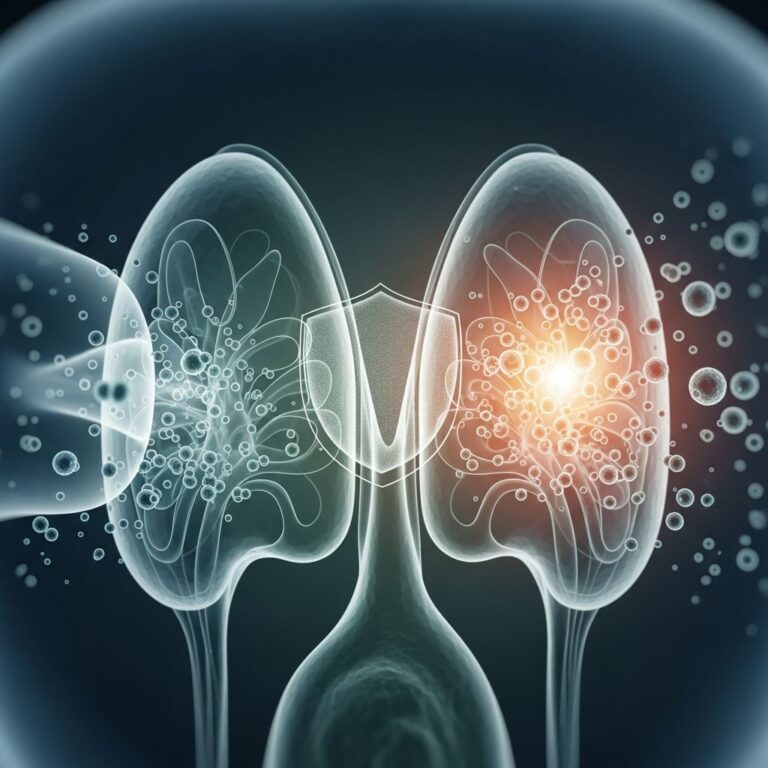
Overactive bladder (OAB) disrupts daily life with sudden, intense urges to urinate, frequent trips to the bathroom, and involuntary leakage. These symptoms stem from detrusor muscle instability, where the bladder’s smooth muscles contract prematurely. Oxybutynin addresses this by competitively blocking acetylcholine at muscarinic receptors, promoting muscle relaxation, increasing bladder capacity, and delaying the urge to void.
Approved by the FDA for patients aged 5 and older, oxybutynin proves particularly effective for neurogenic bladder issues linked to neurological conditions. It also aids in controlling spasms from medical devices like catheters or stents, though some uses remain off-label.
Primary Uses and Benefits
- Core Indication: Relieves OAB symptoms including urgency, frequency, and urge incontinence.
- Neurogenic Conditions: Manages detrusor overactivity in nerve-related bladder dysfunction.
- Off-Label Applications: Treats hyperhidrosis (excessive sweating), nocturnal enuresis when combined with desmopressin, and spasms from indwelling devices.
- Special Cases: Effective for drug-induced sweating, such as from methadone or opioid therapies.
Clinical studies highlight oxybutynin’s antispasmodic potency, surpassing atropine by 4-10 times in animal models, translating to tangible improvements in patient quality of life.
Available Formulations and How They Work
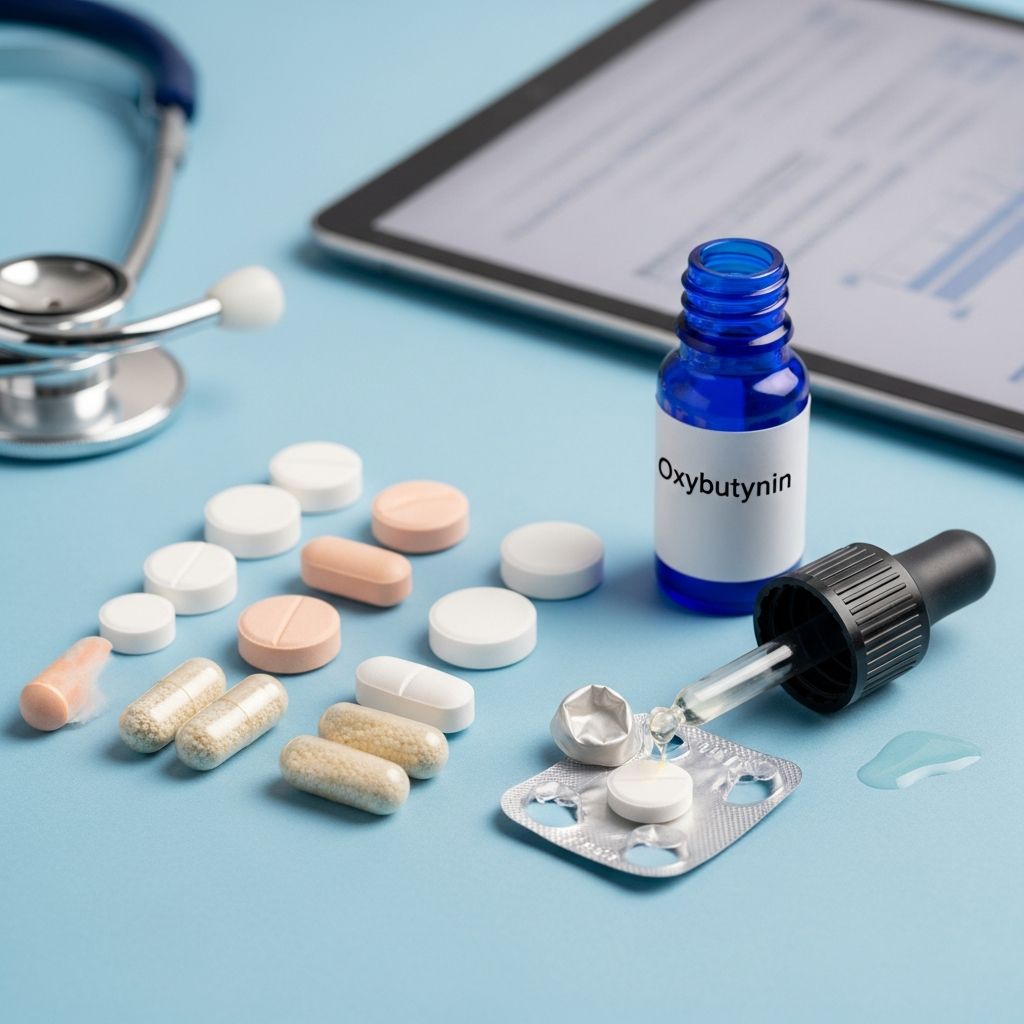
Oxybutynin comes in multiple forms to suit diverse preferences and tolerances, each with unique pharmacokinetic profiles.
| Form | Description | Advantages | Typical Dosing |
|---|---|---|---|
| Immediate-Release Tablets | Oral tablets releasing drug quickly | Fast onset; flexible dosing | 5 mg 2-3 times daily |
| Extended-Release Tablets | Sustained release over 24 hours | Once-daily; fewer side effects | 5-30 mg daily |
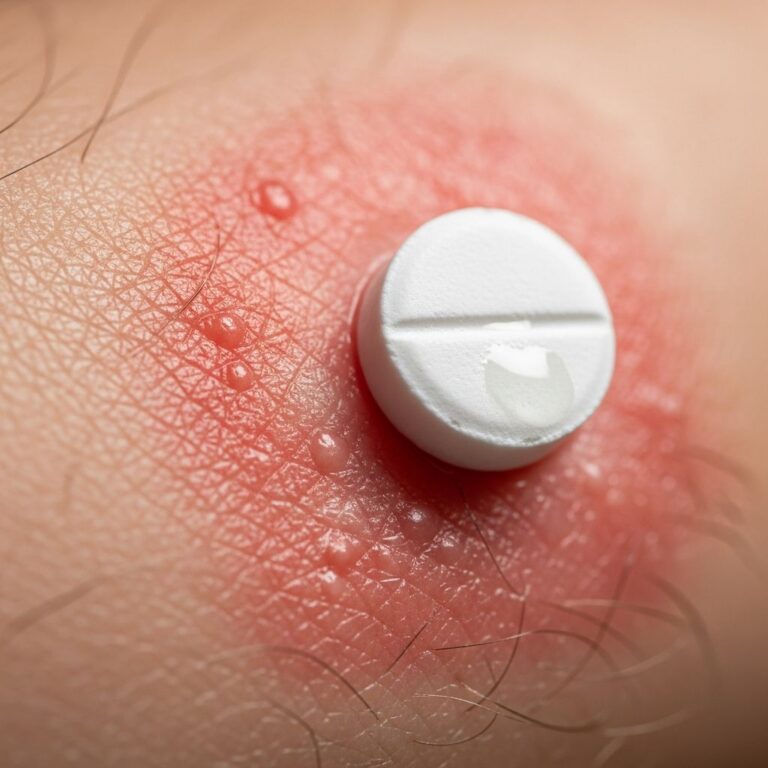
| Transdermal Patch | Skin-applied weekly patch | Bypasses gut; reduced dry mouth | 3.9 mg/day patch |
| Topical Gel | Applied to skin daily | Non-invasive; steady absorption | 100 mg gel daily |
| Other (Off-Label) | Instilled bladder, rectal suppository | Targeted local effect | Varies by clinician |
Extended-release and transdermal options often yield lower adverse event rates compared to immediate-release forms, enhancing adherence.
Dosing Guidelines for Different Age Groups
Dosage varies by age, condition severity, and formulation. Always follow prescriber instructions.
- Adults: Start at 5 mg immediate-release 2-3 times daily; titrate to 5 mg 4 times or switch to extended-release 5-30 mg once daily.
- Children (5+): 5 mg immediate-release twice daily, max 5 mg 3 times; pediatric extended-release from 5 mg.
- Topical/Transdermal: Apply gel (100 mg) or patch (3.9 mg/day) as directed, avoiding dose escalation without advice.
Renal or hepatic impairment may require adjustments; elderly patients often start low due to heightened sensitivity.
Common Side Effects and Management Strategies
Anticholinergic effects dominate oxybutynin’s profile, stemming from muscarinic receptor blockade beyond the bladder.
- Frequent (up to 60%): Dry mouth (29-61%), constipation (7-13%), somnolence (2-12%), headache (6-10%).
- Other Common: Blurred vision (1-8%), dry eyes (3-6%), nausea (2-9%), dizziness, reduced sweating.
Tips to Cope:
- Dry mouth: Sip water, use sugar-free lozenges, chew gum.
- Constipation: Increase fiber, fluids, exercise; consider stool softeners.
- Blurred vision: Avoid driving until adjusted; use artificial tears.
- Drowsiness: Take at bedtime if possible.
Extended-release forms mitigate intensity compared to immediate-release.
Serious Risks and When to Seek Urgent Care
Monitor for severe reactions, especially in vulnerable groups like the elderly or those with comorbidities.
- Urinary Retention: Difficulty urinating or incomplete emptying—critical for those with obstruction risk.
- Gastrointestinal Issues: Pseudo-obstruction (stomach pain, vomiting, constipation); severe constipation.
- Infections: UTI signs (fever, burning urination, back pain).
- Heat Intolerance: Overheating without sweating—call emergency if occurs.
- Anaphylaxis: Swelling, breathing difficulty, blue skin—dial 999/911 immediately.
Related Stories



Overdose symptoms include restlessness, hallucinations, fever, irregular heartbeat—seek poison control.
Who Should Avoid Oxybutynin: Contraindications
Not suitable for everyone; key exclusions include:
- Untreated narrow-angle glaucoma.
- Urinary retention or severe GI obstruction.
- Hypersensitivity to the drug.
- Myasthenia gravis (worsens weakness).
Caution Groups: Dementia patients on cholinesterase inhibitors, ulcerative colitis history, elderly (higher delirium risk).
Drug Interactions to Watch For
Oxybutynin amplifies other anticholinergics and impacts gut motility.
- Potentiates: Other anticholinergics (e.g., dry mouth, retention risk).
- Reduces: Prokinetics like metoclopramide.
- Others: Antihistamines, antidepressants; monitor with CYP3A4 inhibitors.
Inform providers of all medications, including herbals.
Lifestyle Tips to Enhance Treatment Success
Combine oxybutynin with behavioral strategies for optimal results.
- Bladder training: Gradually extend voiding intervals.
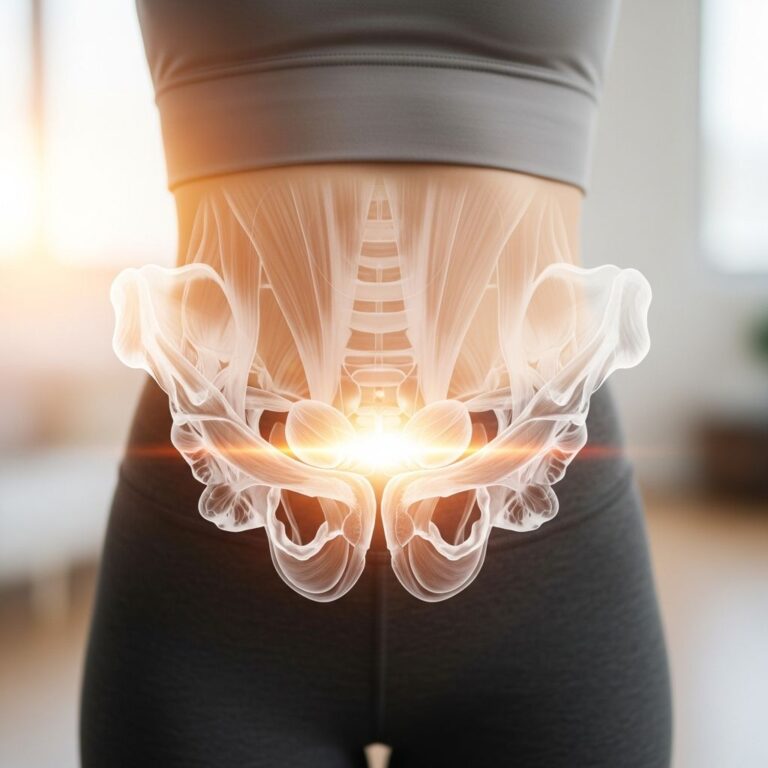
- Pelvic floor exercises: Kegels strengthen support muscles.
- Diet: Limit caffeine, alcohol, spicy foods; manage fluid intake.
- Weight control: Reduces abdominal pressure on bladder.
- Scheduled voiding: Timed bathroom visits prevent urgency buildup.
Monitoring Progress and When to Adjust Therapy
Track symptoms via diary: urination frequency, episodes, nocturia. Expect improvement in 1-2 weeks; full effects in 6-8. Consult if no relief or worsening side effects. Providers may switch formulations or add therapies like mirabegron.
Frequently Asked Questions (FAQs)
Can children take oxybutynin?
Yes, approved for ages 5+ for OAB or neurogenic issues; dosing starts low.
Does oxybutynin cause weight gain?
Not directly listed, but constipation or reduced activity may contribute indirectly.
Is it safe during pregnancy?
Category B; use only if benefits outweigh risks—consult OB/GYN.
How long until oxybutynin works?
Relief often begins within days, peaks in weeks.
Can I drink alcohol on oxybutynin?
Limit; worsens drowsiness and urgency.
What if I miss a dose?
Take ASAP unless near next; skip double-dosing.
Patient Stories and Real-World Insights
Many report life-changing relief: one user noted halving nighttime voids, improving sleep. Another appreciated patch for avoiding dry mouth. Challenges like initial constipation resolved with fiber boosts. These anecdotes underscore personalization.
References
- Oxybutynin – StatPearls — NCBI Bookshelf, NIH. 2023-10-01. https://www.ncbi.nlm.nih.gov/books/NBK499985/
- Side effects of oxybutynin — NHS. 2023-01-31. https://www.nhs.uk/medicines/oxybutynin/side-effects-of-oxybutynin/
- Oxybutynin: MedlinePlus Drug Information — MedlinePlus, NIH. 2024-05-15. https://medlineplus.gov/druginfo/meds/a682141.html
- Oxybutynin: Side Effects, Dosage, Uses, and More — Healthline. 2023-11-20. https://www.healthline.com/health/drugs/oxybutynin-oral-tablet
- Oxybutynin (Ditropan): Uses, Interactions & Side Effects — Cleveland Clinic. 2024-02-10. https://my.clevelandclinic.org/health/drugs/18705-oxybutynin-tablets
Similar Articles








Read full bio of Sneha Tete