Oxycodone for Pain Relief (OxyContin, OxyNorm)
Comprehensive guide to oxycodone use, dosage, side effects, and safety for effective pain management.
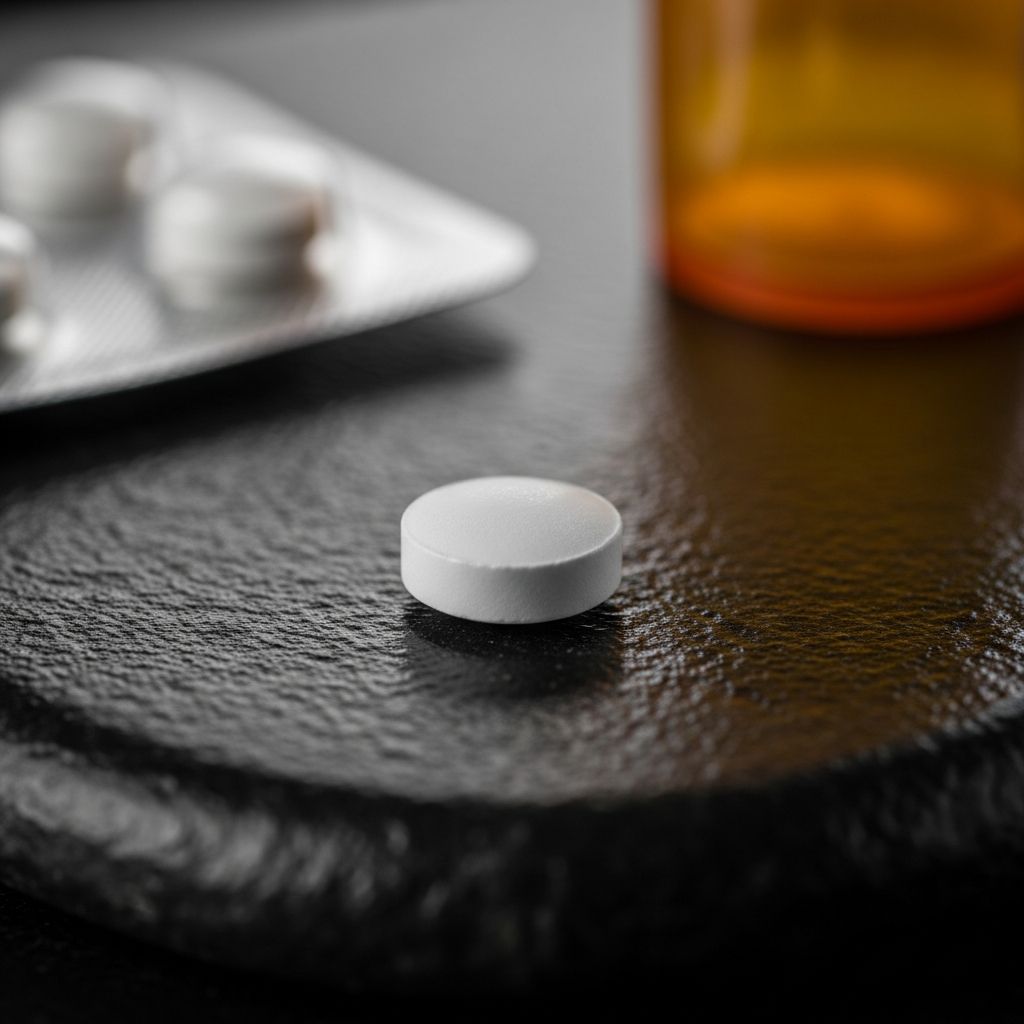
Oxycodone is a powerful opioid analgesic used to manage moderate to severe pain when non-opioid treatments are inadequate. Available as immediate-release forms like OxyNorm and extended-release OxyContin, it acts on the central nervous system to alter pain perception.
About oxycodone tablets and capsules
Oxycodone comes in immediate-release tablets and capsules (e.g., OxyNorm) for quick pain relief and extended-release formulations (e.g., OxyContin) for sustained effect over 12 hours. Immediate-release starts working within 30-60 minutes, lasting 4-6 hours, while extended-release provides steady relief for chronic pain.
These forms belong to opioid analgesics, binding to mu, kappa, and delta receptors in the brain to block pain signals. They are reserved for pain severe enough requiring opioid therapy after other medicines fail.
Key facts about oxycodone
- Oxycodone is for moderate-to-severe pain unresponsive to non-opioids.
- Immediate-release: Every 4-6 hours as needed; extended-release: Every 12 hours.
- Common brands: OxyContin (extended), OxyNorm (immediate).
- Risk of dependence; use lowest effective dose shortest time.
- Not first-line for mild pain or long-term non-cancer pain.
When to take oxycodone
Take for acute severe pain post-surgery or injury, or chronic pain like cancer when alternatives fail. For acute pain, start 5-15 mg every 4-6 hours; titrate based on response. Extended-release for around-the-clock pain, not as-needed.
In diabetic neuropathy, controlled-release oxycodone (average 37 mg/day) reduced pain intensity significantly vs placebo (4.1 vs 5.3 on 0-10 scale).
How to take oxycodone
Swallow tablets/capsules whole with water; do not crush, chew, or dissolve extended-release forms to avoid overdose. Take with food if stomach upset occurs. For chronic pain, use scheduled dosing to maintain steady levels.
- Immediate-release: 5-15 mg every 4-6 hours PRN acute; 2.5-10 mg scheduled chronic.
- Extended-release: Start 10 mg q12h, titrate by 25-50% increments.
- Pediatrics: 0.05-0.15 mg/kg every 4-6 hours.
Common questions about oxycodone
How long does it take to work?
Immediate-release acts in 10-30 minutes, peaks at 1 hour, lasts 3-6 hours. Extended-release within 1 hour, steady over 12 hours.
Can you drink alcohol with it?
No; alcohol increases sedation, respiratory depression risk.
Is it safe in pregnancy?
Use only if benefits outweigh risks; may cause neonatal withdrawal.
Dosage
Dosing is individualized, starting low, titrating slowly. Adults acute: 5-15 mg q4-6h PRN. Chronic: 10-40 mg q12h extended. Max daily varies; monitor for efficacy/side effects.
| Patient Type | Initial Dose | Frequency |
|---|---|---|
| Adults Acute | 5-15 mg | q4-6h PRN |
| Adults Chronic (ER) | 10 mg | q12h |
| Pediatric Acute | 0.05-0.15 mg/kg | q4-6h PRN |
| Elderly/Renal Impairment | Start lower, titrate slowly | As tolerated |
Avoid abrupt stops; taper to prevent withdrawal.
How to cope with oxycodone side effects
Common side effects: nausea, constipation, drowsiness, dizziness. Manage constipation with laxatives/stool softeners; nausea with antiemetics.
- Nausea/vomiting: Take with food, ginger, or ondansetron.
- Constipation: Laxatives like senna, hydrate, fiber.
- Drowsiness: Avoid driving; effects lessen over time.
- Itching: Antihistamines.
Serious: respiratory depression, overdose—naloxone reverses.
Pregnancy and breastfeeding
Category C; prolonged use causes neonatal opioid withdrawal (irritability, poor feeding). Breastfeeding: small amounts pass; monitor infant for sedation.
Other medicines, food and drink, cannabis
Interactions: CNS depressants (alcohol, benzos) increase respiratory risk—avoid. MAOIs, CYP3A4 inhibitors (ketoconazole) potentiate.
Food: High-fat meals delay extended-release absorption.
Related Stories



Cannabis: May enhance sedation, respiratory depression; caution advised.
Common side effects
Occur in >10%: constipation (40-60%), nausea (20-50%), vomiting, drowsiness, headache, dry mouth, dizziness.
In trials, 96% on CR oxycodone reported AEs vs 68% placebo, mostly mild-moderate opioid effects.
Serious side effects
Respiratory depression, overdose (pinpoint pupils, coma), addiction, serotonin syndrome, adrenal insufficiency, hypotension.
Post-fracture trial: Oxycodone not superior to acetaminophen/codeine despite higher opioid dose; similar pain scores.
Stopping oxycodone
Taper gradually (10-25% weekly) to avoid withdrawal: anxiety, sweating, insomnia. Consult provider for plan.
About NICE guidance for oxycodone
Guidelines emphasize opioids as adjunct for severe pain; prefer non-opioids/multimodal first. CDC: lowest dose/shortest duration.
Alternatives
- Non-opioids: Acetaminophen, NSAIDs, gabapentinoids.
- Mild opioids: Codeine + acetaminophen (equieffective short-term).
- Non-drug: PT, TENS, CBT, acupuncture.
Frequently Asked Questions (FAQs)
What is oxycodone used for?
Moderate-severe pain when other treatments fail, acute or chronic.
How long can you take oxycodone?
Shortest duration needed; reassess periodically, especially chronic non-cancer pain.
Does oxycodone cause constipation?
Yes, very common; prevent with laxatives from start.
Can you overdose on oxycodone?
Yes; symptoms include slow breathing, blue lips. Use naloxone.
Is oxycodone stronger than morphine?
Equi-analgesic; 10-15 mg oxycodone ≈ 10 mg morphine IV.
References
- Oxycodone (oral route) – Mayo Clinic — Mayo Foundation for Medical Education and Research. 2023-10-01. https://www.mayoclinic.org/drugs-supplements/oxycodone-oral-route/description/drg-20074193
- OxyContin® (oxycodone HCl) Package Insert — U.S. Food and Drug Administration. 2009-11-01. https://www.accessdata.fda.gov/drugsatfda_docs/label/2009/020553s060lbl.pdf
- Controlled-release oxycodone for pain in diabetic neuropathy — Neurology (American Academy of Neurology). 2003-02-25. https://www.neurology.org/doi/10.1212/01.WNL.0000057720.36503.2C
- Effectiveness of Oxycodone vs Acetaminophen and Codeine — JAMA Network Open (JAMA). 2023-10-24. https://jamanetwork.com/journals/jamanetworkopen/fullarticle/2786200
- Oxycodone – StatPearls — NCBI Bookshelf (National Center for Biotechnology Information). 2023-07-17. https://www.ncbi.nlm.nih.gov/books/NBK482226/
- Oxycodone: MedlinePlus Drug Information — MedlinePlus (National Library of Medicine). 2023-05-15. https://medlineplus.gov/druginfo/meds/a682132.html
- CDC Clinical Practice Guideline for Prescribing Opioids — Centers for Disease Control and Prevention. 2022-11-03. https://www.cdc.gov/mmwr/volumes/71/rr/rr7103a1.htm
Similar Articles








Read full bio of Sneha Tete