Oxytocin: Essential Guide To Love Hormone Benefits & Role
Explore oxytocin's role beyond romance: bonding, stress relief, and therapeutic potential.
Oxytocin: The Love Hormone
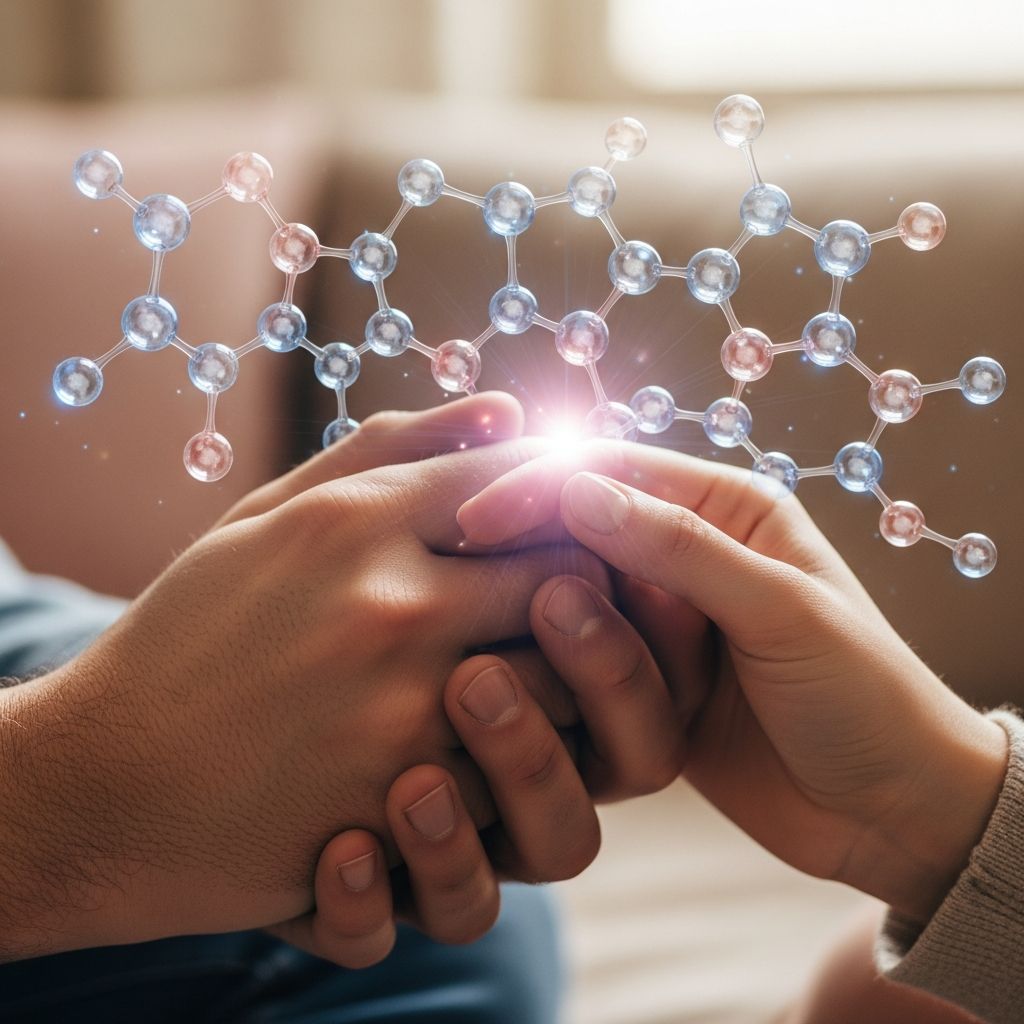
Oxytocin has earned its popular nickname, the “love hormone,” for good reason. This remarkable neurotransmitter plays a central role in some of life’s most meaningful experiences—from the intense rush of falling in love to the profound bond between mother and child. But oxytocin is far more than just a romance chemical. Modern neuroscience reveals that this hormone influences emotional regulation, social connection, stress management, and even physical healing in ways that extend well beyond matters of the heart.
What Is Oxytocin?
Oxytocin is a neuropeptide hormone produced in the hypothalamus and released into the bloodstream through the pituitary gland. It functions as both a hormone and a neurotransmitter, transmitting signals throughout the brain and body. While oxytocin was long considered primarily a “female hormone” due to its role in reproduction, contemporary research has established that both men and women produce and benefit from this crucial chemical messenger.
The hormone earned its “love” designation because of its prominent role during childbirth, lactation, and maternal bonding—experiences closely associated with love and caregiving. However, scientists have discovered that oxytocin’s influence extends far beyond these reproductive functions, affecting mood, social behavior, and overall wellness in profound ways.
The Neurochemistry of Falling in Love
When you fall in love, your brain undergoes a remarkable chemical transformation. Multiple neurotransmitters and hormones work in concert to create the intense emotional and physical experiences associated with romantic attraction. Understanding this neurochemistry reveals just how powerful and complex the “love hormone” truly is.
The Initial Rush: Dopamine and Attraction
The journey of falling in love begins with dopamine, a chemical that activates the brain’s reward circuit. This creates sensations similar to euphoria, comparable to the effects of cocaine or alcohol. Dopamine is stimulated by physical attraction and makes love a genuinely pleasurable experience. This explains why early-stage romantic love often feels intoxicating and all-consuming.
As dopamine floods the reward centers of your brain, you experience racing hearts, sweaty palms, flushed cheeks, and intense feelings of passion and anticipation. Your body mobilizes resources to cope with this emotional “crisis,” creating the unmistakable physical sensations of attraction.
Stress, Serotonin, and Obsessive Thoughts
Paradoxically, falling in love also triggers the release of cortisol, the stress hormone. As cortisol levels rise during early romantic attachment, levels of serotonin—the neurotransmitter responsible for mood stability—become depleted. This combination creates the characteristic obsessive-compulsive thinking patterns of infatuation. You find yourself unable to stop thinking about the other person, replaying conversations, imagining futures, and experiencing intrusive thoughts that feel both wonderful and torturous. This neurochemical state explains why new love can feel simultaneously exhilarating and anxiety-inducing.
Oxytocin and Vasopressin: Deepening Attachment
As romantic relationships progress, oxytocin and vasopressin become increasingly important. These hormones are released during sexual intimacy and are heightened by skin-to-skin contact. Oxytocin provokes feelings of contentment, calmness, and security, deepening emotional attachment and making couples feel closer to one another. This explains why physical affection becomes increasingly important in long-term relationships—each touch releases oxytocin, reinforcing the bond.
Related Stories



Vasopressin, working alongside oxytocin, is linked to behaviors that support long-term monogamous relationships. Together, these hormones create a biological foundation for lasting partnership. Interestingly, the transition from passionate love to deep attachment corresponds with shifts in these neurochemical patterns—passionate intensity gives way to sustained contentment and security.
How Oxytocin Works in the Body
Oxytocin’s effects are remarkably diverse, influencing reproductive functions, emotional states, and social behavior through multiple physiological pathways.
Reproductive and Maternal Functions
During childbirth, oxytocin triggers powerful uterine contractions that facilitate labor. Medical professionals often use synthetic oxytocin (pitocin) to strengthen contractions when labor progresses slowly. After birth, oxytocin continues its crucial work by facilitating milk ejection during breastfeeding. These biological functions are why oxytocin was historically associated exclusively with female reproductive health.
Beyond the mechanics of reproduction, oxytocin profoundly influences maternal bonding. Nipple stimulation during breastfeeding triggers oxytocin release, strengthening the emotional connection between mother and infant. This neurochemical bonding mechanism helps ensure that mothers feel motivated to provide care, creating a biological foundation for one of life’s most important relationships.
Brain Function and Emotional Regulation
Within the brain, oxytocin binds to receptors in the amygdala and caudate nucleus—regions that regulate emotions such as pleasure and trust. By acting on these emotion-processing centers, oxytocin helps modulate how we experience and interpret social interactions. This neural action explains why oxytocin promotes feelings of safety and reduces defensiveness in social situations.
Oxytocin also works through the hypothalamic-pituitary-adrenal (HPA) axis, the brain system responsible for stress response. By modulating the HPA axis, oxytocin reduces cortisol levels and overall stress activation. This stress-reducing effect has significant implications for mental health, as chronic stress underlies many mood disorders and anxiety conditions.
Sexual Function and Arousal
Oxytocin plays an important role in sexual arousal by increasing blood flow to genital tissues in both men and women. Sexual activity stimulates oxytocin release and may play a role in achieving orgasm, though researchers continue investigating the exact mechanisms. This sexual function creates a positive feedback loop: sexual intimacy releases oxytocin, which increases pleasure and desire for further intimacy.
Oxytocin’s Role in Social Bonding and Mental Health
Beyond romantic love and reproduction, oxytocin profoundly influences how we connect with others and manage stress. Recent research has highlighted its importance for social relationships, emotional wellness, and mental health.
Building and Maintaining Social Connections
Oxytocin facilitates social bonding not only in romantic relationships but also in friendships, family connections, and broader social attachments. The hormone creates feelings of trust, empathy, and safety that make social interaction more rewarding and meaningful. When oxytocin levels are adequate, people feel more motivated to seek social connection and more capable of forming secure attachments with others.
Interestingly, research shows that oxytocin may inspire loyalty within relationships. Studies using intranasal oxytocin administration found that men in relationships maintained greater physical distance from attractive women while this effect was not observed in single men. This suggests that oxytocin’s influence on reward centers strengthens commitment by making one’s partner more rewarding than alternative options.
Stress Reduction and Anxiety Relief
One of oxytocin’s most significant health benefits is its ability to reduce stress and anxiety. By lowering cortisol levels and modulating stress pathways in the brain, oxytocin creates a calming effect on both mind and body. This stress-reduction mechanism explains why physical affection, time with loved ones, and social connection feel inherently soothing. Regular oxytocin release creates a feedback loop where stress relief motivates further social bonding, which in turn releases more oxytocin.
Postpartum Depression and Maternal Mental Health
Research has identified depleted oxytocin levels in some mothers experiencing postpartum depression. This connection has led experts to explore oxytocin as a potential therapeutic intervention for this serious condition. The link between oxytocin deficiency and postpartum mood disorders suggests that supporting oxytocin production may be an important component of maternal mental health care.
Triggers and Natural Ways to Increase Oxytocin
Understanding what naturally stimulates oxytocin release empowers people to actively support their own emotional and physical health. Multiple activities and experiences increase oxytocin production.
Physical Touch and Intimacy
Sexual activity represents one of the most potent oxytocin triggers, but even non-sexual physical contact significantly increases oxytocin levels. Cuddling, hugging, and other forms of skin-to-skin contact release this bonding hormone. These simple physical expressions of affection carry profound neurochemical significance, making touch a crucial component of human connection and wellbeing.
Exercise and Group Activities
Research reveals that enjoyable exercise and group singing both stimulate oxytocin release. These activities combine physical engagement with social connection or rhythmic coordination, creating powerful oxytocin-stimulating experiences. This may explain why group fitness classes, team sports, and choir participation feel so emotionally rewarding—they tap into deep neurochemical reward systems.
Meaningful Social Engagement
Simply spending quality time with loved ones and engaging in positive social interactions increases oxytocin production. Over time, as you spend more time with your partner, your brain produces more oxytocin, creating a reinforcing cycle where increased bonding chemicals make you crave more time together. This self-reinforcing loop explains how relationships deepen and strengthen over time.
Signs of Low Oxytocin Levels
Just as adequate oxytocin supports wellbeing, deficient levels may contribute to various challenges.
| Category | Potential Signs of Low Oxytocin |
|---|---|
| Reproductive Health | Difficulty in childbirth, labor induction challenges, postpartum bleeding, lactation issues, low libido, erectile dysfunction, vaginal atrophy |
| Mental Health | Anxiety, depression, insomnia, feelings of isolation, sense of being overwhelmed by stress |
| Social Function | Difficulty forming social connections, social anxiety, challenges with trust and bonding |
| Pain | Increased pain sensitivity and perception |
Therapeutic Applications of Oxytocin
Given oxytocin’s wide-ranging effects on brain and body, healthcare professionals increasingly explore therapeutic applications for various conditions.
Mental Health and Behavioral Conditions
Intranasal oxytocin has shown promise in treating several mental health challenges, including autism spectrum disorder, social anxiety, postpartum depression, and sexual dysfunction. For individuals struggling with social connection or anxiety, oxytocin therapy may help normalize social interaction and reduce defensive stress responses.
Cardiovascular and Metabolic Health
Recent research suggests oxytocin may be cardioprotective, helping reduce inflammatory responses and improve cardiovascular and metabolic function. One groundbreaking study demonstrated that oxytcin activates heart repair mechanisms in injured hearts, opening possibilities for novel therapies in heart regeneration. This emerging research suggests oxytocin’s benefits extend beyond mental health to physical healing and disease prevention.
Eating Behaviors and Metabolism
Intranasal oxytocin has also shown effectiveness in addressing disordered eating and obesity, suggesting the hormone influences how we relate to food and our bodies.
The Complex Reality of Oxytocin
While oxytocin is often portrayed as universally beneficial, the full picture is more nuanced. Recent research suggests oxytocin may be less crucial for social behaviors than previously believed. Additionally, oxytocin has been linked to aggressive behavior in some contexts, demonstrating that its effects depend on complex interactions between the hormone, individual factors, and specific situations.
Furthermore, a 2020 study found that oxytocin intensifies sex differences in mate selection, with men given oxytocin becoming more likely to find unfaithful partners attractive while having the opposite effect on women. This research illustrates that oxytocin’s effects are context-dependent and influenced by gender and relationship status.
Frequently Asked Questions
What is oxytocin?
Oxytocin is a neuropeptide hormone produced in the hypothalamus and released through the pituitary gland. It functions as both a hormone and neurotransmitter, influencing reproduction, emotional bonding, stress response, and social behavior in both men and women.
Why is oxytocin called the love hormone?
Oxytocin earned this nickname due to its prominent role in romantic attachment, maternal bonding, sexual arousal, and the creation of feelings of contentment and security associated with love and close relationships.
How does oxytocin affect the brain?
Oxytocin binds to receptors in the amygdala and caudate nucleus, regulating emotions related to pleasure and trust. It also modulates the HPA axis, reducing stress hormone production and promoting emotional regulation.
What activities increase oxytocin levels?
Physical touch, sexual activity, exercise, group singing, spending quality time with loved ones, and positive social interactions all stimulate oxytocin release.
Can oxytocin be used therapeutically?
Yes, intranasal oxytocin has shown promise in treating postpartum depression, social anxiety, autism spectrum disorder, sexual dysfunction, and certain eating disorders. Research also suggests potential cardiovascular benefits.
What are signs of low oxytocin?
Symptoms may include anxiety, depression, insomnia, social withdrawal, low libido, difficulty with childbirth or breastfeeding, and increased pain sensitivity.
Is oxytocin only important for women?
No. While historically considered a “female hormone,” oxytocin plays equally important roles in men’s social bonding, stress regulation, sexual function, and emotional wellbeing.
References
- Oxytocin: The Love Hormone — Martin’s Wellness. 2024. https://martinswellness.com/blog/post/oxytocin-love-hormone
- Love and the Brain — Harvard Medical School. https://hms.harvard.edu/news-events/publications-archive/brain/love-brain
- Is There Such A Thing As A Love Hormone? — BetterHelp. 2024. https://www.betterhelp.com/advice/love/is-there-such-a-thing-as-a-love-hormone/
- Being in Love Could Protect You From a Heart Attack — VICE. https://www.vice.com/en/article/being-in-love-could-protect-you-from-a-heart-attack/
- Oxytocin: Not “just a female hormone”: A very special issue — National Institutes of Health (NIH). 2024. https://pmc.ncbi.nlm.nih.gov/articles/PMC11725094/
Similar Articles








Read full bio of Sneha Tete