Ozempic And Alcohol: Risks, Safety Tips, What To Know
Discover the risks, benefits, and expert advice on combining Ozempic with alcohol for safe diabetes and weight management.
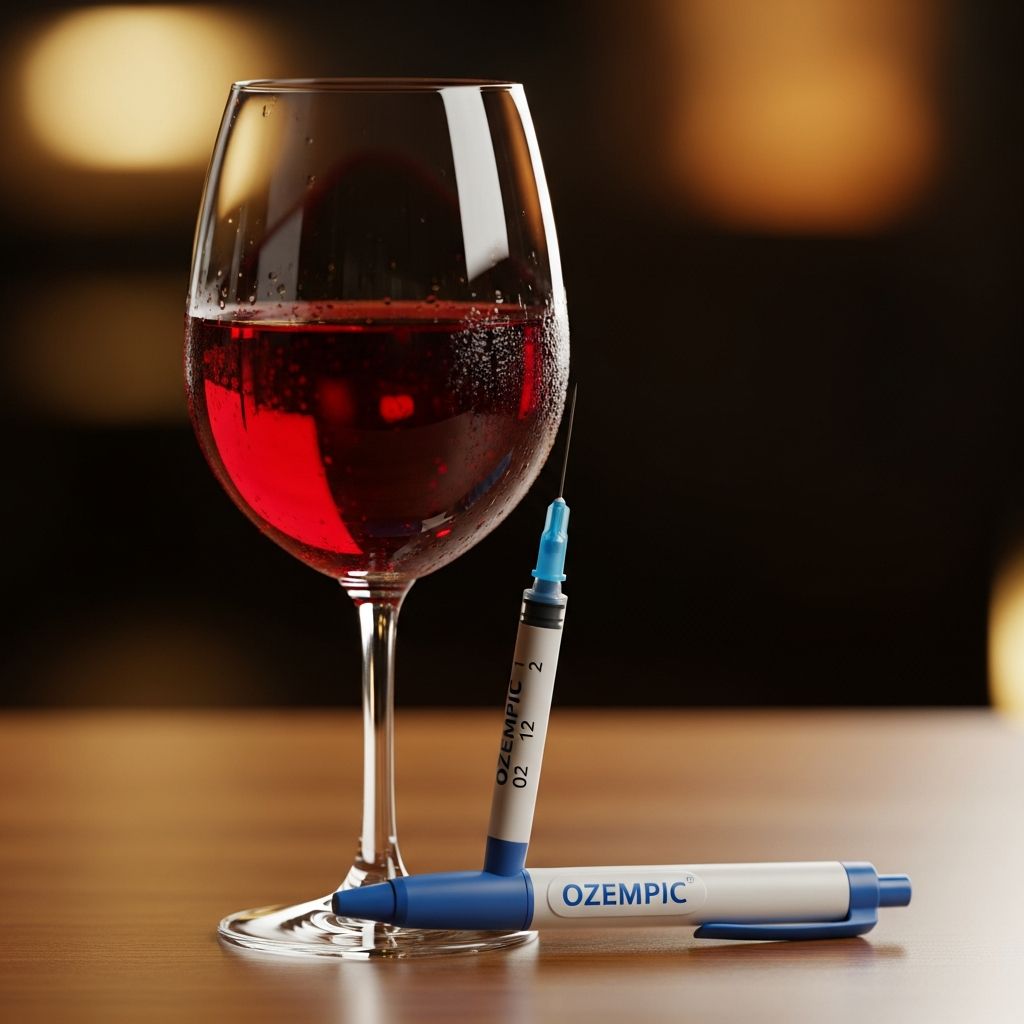
Semaglutide, the active ingredient in Ozempic, is a GLP-1 receptor agonist primarily prescribed for type 2 diabetes management and off-label for weight loss. While effective at regulating blood sugar and promoting satiety, combining it with alcohol raises concerns due to overlapping side effects and physiological interactions. Ozempic slows gastric emptying, which can intensify alcohol’s effects or delay them, potentially leading to nausea, dehydration, or blood sugar fluctuations. Moderate alcohol consumption may be tolerable for some, but heavy drinking increases risks like pancreatitis and hypoglycemia, particularly in diabetics. Emerging research suggests GLP-1 drugs like Ozempic may even reduce alcohol cravings by blunting reward pathways in the brain.
Effects of Ozempic on the Body
Ozempic mimics the glucagon-like peptide-1 (GLP-1) hormone, which is naturally released in the gut after eating. This medication works through several key mechanisms:
- Slows gastric emptying: Food and liquids, including alcohol, stay in the stomach longer, delaying absorption into the bloodstream.
- Regulates blood sugar: Enhances insulin secretion and suppresses glucagon, lowering glucose levels, but alcohol can counteract this.
- Promotes satiety: Reduces appetite by signaling fullness to the brain, aiding weight loss, though alcohol’s calories can undermine this.
- Impacts reward centers: Preliminary studies indicate it may dampen cravings for alcohol and other substances by altering brain responses.
These effects make Ozempic a powerful tool but complicate alcohol metabolism. For instance, delayed gastric emptying means alcohol hits the bloodstream more slowly, potentially reducing the initial ‘buzz’ but prolonging exposure and side effects.
Side Effects of Mixing Ozempic and Alcohol
Both Ozempic and alcohol affect the gastrointestinal (GI) system and blood sugar, amplifying risks when combined. Common overlapping side effects include:
- Nausea and vomiting: Ozempic’s slowed digestion exacerbates alcohol-induced stomach upset.
- Diarrhea or constipation: Disrupted gut motility leads to irregular bowel movements.
- Abdominal pain: Increased pressure from delayed emptying irritates the stomach lining.
- Hypoglycemia: Low blood sugar risk is higher in type 2 diabetes patients, as alcohol inhibits gluconeogenesis while Ozempic lowers glucose.
- Hangovers: Prolonged alcohol retention in the stomach, combined with dehydration, worsens headaches and fatigue.
Heavy alcohol use also elevates pancreatitis risk, a known Ozempic side effect. Chronic drinking inflames the pancreas, and Ozempic may compound this through slowed digestion. A 2024 preliminary study found GLP-1 users experienced delayed breath alcohol concentration (BrAC) rises—0.017 g/dL vs. 0.037 g/dL in controls after 20 minutes—suggesting blunted intoxication but potential for unexpected later spikes.
| Side Effect | Ozempic Alone | Alcohol Alone | Combined Risk |
|---|---|---|---|
| Nausea | Common (20-44%) | Common | High – intensified |
| Hypoglycemia | Possible | Possible in diabetics | Elevated in T2D patients |
| Gastroparesis-like symptoms | Frequent | Moderate | Severe delay in emptying |
| Pancreatitis | Rare but serious | With heavy use | Increased |
This table summarizes heightened risks based on clinical observations.
Ozempic and Blood Sugar
Alcohol disrupts glucose homeostasis, and Ozempic’s insulin-boosting effects can lead to dangerous lows. In type 2 diabetes patients, alcohol suppresses liver glucose release, mimicking fasting hypoglycemia. Symptoms include shakiness, confusion, and sweating—exacerbated if Ozempic doses are high. Off-label weight loss users without diabetes face lower risk but should monitor.
- Hyperglycemia risk: Sugary mixers spike blood sugar initially.
- Hypoglycemia timing: Peaks 2-4 hours post-drinking due to delayed effects.
Guidelines recommend checking blood glucose before, during, and after drinking. Dry wines or spirits with zero-sugar mixers are preferable to beer or cocktails.
Ozempic and Weight Loss: How Alcohol Interferes
Ozempic facilitates 10-15% body weight reduction by curbing hunger, but alcohol sabotages this. At 7 calories per gram, it’s calorie-dense with no nutritional value. Drinking lowers inhibitions, prompting high-calorie snacking, and metabolism prioritizes alcohol over fat burning.
Related Stories



Studies show alcohol triggers cravings by disrupting satiety signals Ozempic enhances. Fluctuating blood sugar from booze leads to hunger spikes, countering the drug’s appetite suppression. For optimal results, limit to 1 drink/day for women, 2 for men, or abstain during active weight loss phases.
Does Ozempic Reduce Alcohol Cravings?
Promising research links GLP-1 agonists to decreased alcohol use. A 2024 JAMA Psychiatry study on semaglutide in alcohol use disorder (AUD) patients found reduced weekly consumption and cravings over 9 weeks. Another analysis reported 40% lower opioid overdoses and less alcohol intake in GLP-1 users.
Mechanisms include:
- Brain reward blunting: Targets mesolimbic pathways, reducing ‘high’ from alcohol.
- Delayed intoxication: Slower absorption diminishes pleasure.
- Liver protection: Yale research shows GLP-1s slow alcohol metabolism, cutting toxic byproducts.
While observational, these findings suggest Ozempic as adjunct AUD therapy, though randomized trials are needed.
Tips for Drinking on Ozempic
If consuming alcohol:
- Moderation first: Stick to guidelines; avoid bingeing.
- Hydrate: Alternate with water to combat dehydration.
- Eat first: Protein-rich meals buffer stomach effects.
- Monitor glucose: Use CGM if diabetic.
- Choose wisely: Low-carb options like vodka soda.
- Time doses: Avoid alcohol near injections.
Consult your doctor for personalized limits, especially with liver issues or pancreatitis history.
Frequently Asked Questions (FAQs)
Can you drink alcohol while taking Ozempic?
Moderate drinking is generally safe for non-diabetics but risky for type 2 patients due to hypoglycemia. Always consult a healthcare provider.
Does Ozempic make you drunk faster?
No— it delays alcohol absorption, potentially blunting initial effects but prolonging exposure.
Will alcohol ruin my Ozempic weight loss?
Excess calories and cravings can stall progress; limit intake for best results.
Is Ozempic safe with wine or beer?
Dry wines are better than beer due to lower carbs, but monitor blood sugar.
Can Ozempic help with alcohol addiction?
Early studies show reduced cravings, but it’s not approved for AUD—more research needed.
What are hangover risks on Ozempic?
Increased nausea, dehydration, and low blood sugar worsen symptoms.
References
- What to Know About Ozempic and Alcohol — Healthline. 2024. https://www.healthline.com/health/drugs/ozempic-and-alcohol
- GLP-1 drugs like Ozempic may slow how quickly alcohol hits the bloodstream — News-Medical.net. 2025-10-17. https://www.news-medical.net/news/20251017/GLP-1-drugs-like-Ozempic-may-slow-how-quickly-alcohol-hits-the-bloodstream.aspx
- Ozempic and Alcohol: Is it Safe? — Solv Health. 2024. https://www.solvhealth.com/health/ozempic-and-alcohol-is-it-safe
- Heavy drinking: Semaglutide drugs linked to reduced alcohol use — Medical News Today. 2024. https://www.medicalnewstoday.com/articles/ozempic-wegovy-curb-alcohol-cravings-heavy-drinking
- Once-Weekly Semaglutide in Adults With Alcohol Use Disorder — JAMA Psychiatry. 2024. https://jamanetwork.com/journals/jamapsychiatry/fullarticle/2829811
- ‘How drunk do you feel?’: Ozempic, Wegovy may help reduce … — Virginia Tech News. 2025-10. https://news.vt.edu/articles/2025/10/research_fralinbiomed_difeglp1au.html
- GLP-1 Receptor Agonists Protect the Liver During Alcohol Consumption — Yale School of Medicine. 2024. https://medicine.yale.edu/news-article/glp-1-receptor-agonists-protect-the-liver-during-alcohol-consumption/
Similar Articles








Read full bio of Sneha Tete