Ozempic And Sleep Apnea: What You Need To Know
Can Ozempic and similar drugs treat sleep apnea? Experts explain the benefits, limitations, and latest FDA approvals.
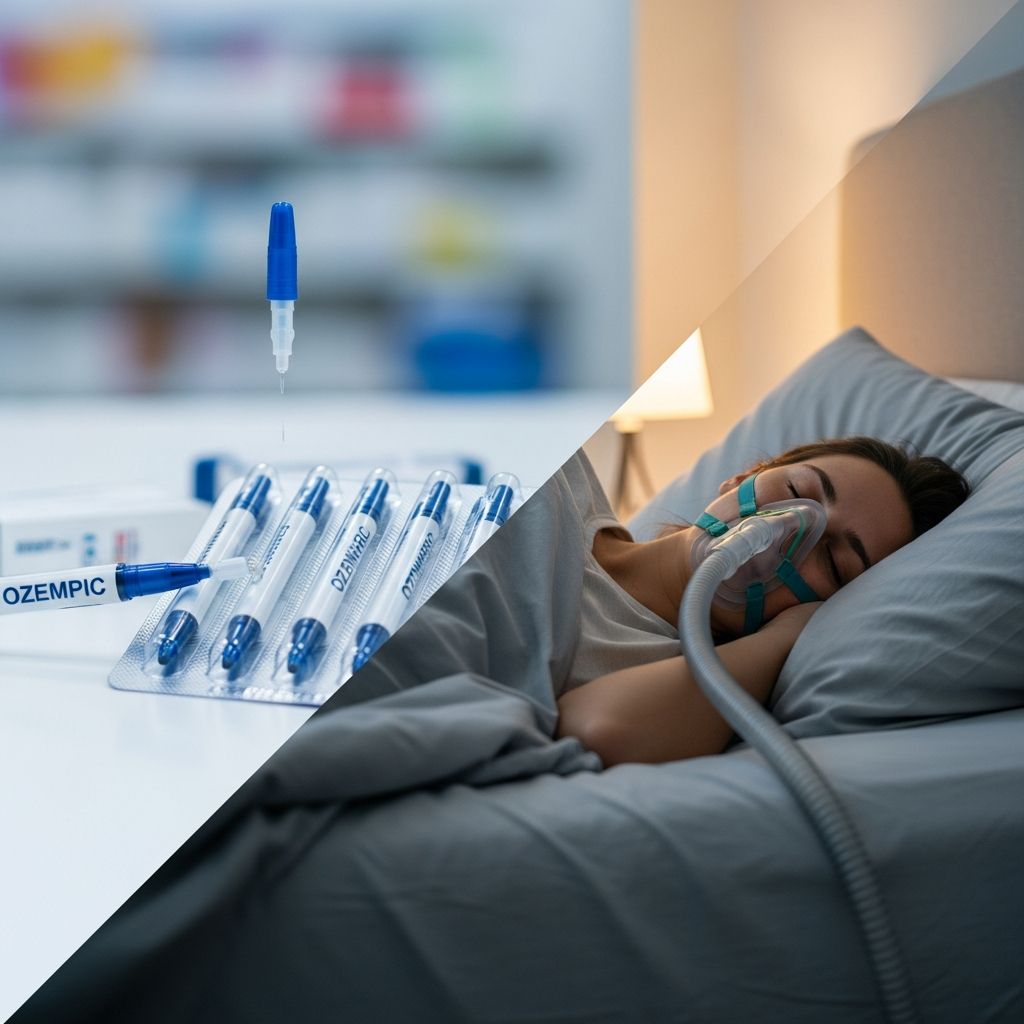
Medications like
Ozempic
(semaglutide) are gaining attention not just for diabetes and weight loss, but for their potential to alleviateobstructive sleep apnea (OSA)
symptoms in people with obesity. OSA affects millions, causing repeated breathing pauses during sleep due to airway blockage. Excess weight, particularly around the neck, exacerbates this by narrowing airways. GLP-1 receptor agonists like Ozempic promote significant weight loss, which can reduce these fat deposits and improve breathing. However, experts caution that these drugs are not a standalone cure, as OSA involves complex factors beyond weight.What Is Obstructive Sleep Apnea?
**Obstructive sleep apnea (OSA)** is a common sleep disorder where the upper airway repeatedly collapses during sleep, leading to pauses in breathing (apneas) or shallow breaths (hypopneas). This triggers frequent awakenings, oxygen drops, and daytime fatigue. Risk factors include obesity, large neck circumference, smoking, and anatomical issues like a narrow throat. Untreated OSA raises risks for heart disease, stroke, hypertension, and type 2 diabetes. It’s diagnosed via the
apnea-hypopnea index (AHI)
, measuring events per hour: mild (5-15), moderate (15-30), severe (>30).- Symptoms: Loud snoring, gasping/ch choking at night, excessive daytime sleepiness, morning headaches, dry mouth.
- Prevalence: Affects ~30 million U.S. adults, more common in obese individuals due to fat deposits compressing airways.
- Complications: Disrupted sleep hormones promote weight gain, creating a vicious cycle.
How Ozempic and GLP-1 Drugs Work
**Ozempic** and similar drugs like
Wegovy
(higher-dose semaglutide) andZepbound
(tirzepatide) are GLP-1 receptor agonists. They mimic gut hormones to slow digestion, reduce appetite, and signal fullness to the brain, leading to 15-20% body weight loss in trials. For OSA patients, this weight reduction decreases neck fat, widening airways and lowering AHI scores. Tirzepatide also activates GIP receptors for enhanced effects.| Drug | Active Ingredient | Primary Use | OSA Relevance |
|---|---|---|---|
| Ozempic | Semaglutide | Type 2 diabetes | Off-label weight loss; improves OSA via fat reduction |
| Wegovy | Semaglutide (higher dose) | Weight loss | Similar OSA benefits |
| Zepbound | Tirzepatide | Weight loss | FDA-approved for moderate-severe OSA in obese adults |
FDA Approves First Drug for OSA: Zepbound
In a landmark decision, the
FDA approved Zepbound
as the first medication for moderate to severe OSA in adults with obesity, alongside diet and exercise. Two 52-week trials (469 participants without type 2 diabetes) showed Zepbound (10-15 mg weekly) reduced AHI by ~60% vs. placebo, with many achieving mild OSA or remission. Weight loss averaged 20%, directly correlating with AHI improvements. One trial included PAP users; the other, those unable/unwilling to use it. “This is a major step forward,” said FDA’s Sally Seymour, M.D.- Key Results: Greater AHI reduction, symptom resolution, weight loss vs. placebo.
- Mechanism: Appetite suppression via GLP-1/GIP leads to fat loss, easing airway obstruction.
- Limitations: For obese adults only; not a CPAP replacement.
Research and Studies on GLP-1 Drugs for Sleep Apnea
Emerging studies support GLP-1 drugs’ role. A 2016 trial found liraglutide (another GLP-1) reduced AHI by 6 events/hour more than placebo. Recent tirzepatide data mirror this. Experts from AACE note Ozempic/Wegovy users report better sleep, likely from weight loss and reduced inflammation. However, not all patients respond equally; ~20-30% retain moderate OSA post-weight loss due to non-weight factors like genetics or airway anatomy.
Related Stories



One analysis predicts widespread GLP-1 use could cut OSA prevalence by lowering obesity rates, but this is optimistic. OSA persists in 40-50% of weight-reduced patients.
Expert Opinions: Benefits and Cautions
Sleep specialists are optimistic yet measured. “Weight loss medications like Zepbound make patients eligible for treatment and improve candidacy,” says Federico Cerrone, MD. However, “Zepbound should only be used with other therapies; CPAP remains gold standard.” Sethu K. Reddy, MD, and Karl Nadolsky, DO, highlight sleep improvements but stress monitoring.
- Pros: Significant AHI drops, better adherence than CPAP for some, comorbidity benefits (e.g., diabetes control).
- Cons: Not curative for all; side effects (nausea, GI issues); high cost; requires lifelong use for maintenance.
“While weight loss drugs can manage OSA in overweight individuals, they are not guaranteed to cure it entirely. Sleep apnea is complex.” — Sleep experts
Limitations: Why Ozempic Isn’t a Cure-All
Sleep apnea involves more than weight: recessed chin, large tongue, nasal congestion, or neuromuscular issues. Post-weight loss, repeat sleep studies are essential—up to 50% need ongoing CPAP/oral appliances/surgery. Drugs don’t address non-obese OSA or central sleep apnea. Risks include muscle loss, rebound weight gain upon stopping.
Treatment Options for Sleep Apnea
Comprehensive management combines approaches:
- CPAP/BiPAP: Gold standard; air pressure keeps airways open.
- Oral Appliances: Reposition jaw/tongue.
- Surgery: UPPP, implants, jaw advancement for severe cases.
- Lifestyle: Weight loss, side-sleeping, alcohol avoidance.
- Medications: Zepbound adjunctively.
Who Should Consider Ozempic or Zepbound for OSA?
Ideal candidates: Obese adults (BMI ≥30) with moderate-severe OSA, CPAP intolerance, or comorbidities like diabetes. Consult a doctor for personalized assessment. Not for lean patients or mild OSA.
Side Effects and Safety
Common: Nausea, vomiting, diarrhea (often transient). Rare: Pancreatitis, thyroid tumors (animal studies), gallbladder issues. Monitor with healthcare provider; not for pregnancy.
Frequently Asked Questions (FAQs)
Can Ozempic cure sleep apnea?
No, but it significantly improves symptoms via weight loss in obese patients. Repeat studies needed.
Is Zepbound better than Ozempic for OSA?
Zepbound is FDA-approved specifically for OSA; Ozempic/Wegovy used off-label but similarly effective.
How much weight loss is needed to improve OSA?
10% body weight often halves AHI; 20%+ yields major benefits.
Do I still need CPAP on these drugs?
Possibly yes, especially if OSA persists post-weight loss. Use adjunctively.
Are GLP-1 drugs safe long-term for OSA?
Trials up to 72 weeks show safety; long-term data emerging. Monitor closely.
Future Outlook
GLP-1 drugs herald a new era, potentially transforming OSA care for obese patients. Ongoing trials explore combinations with CPAP. As obesity rates rise, accessible treatments like these could reduce prevalence, but holistic approaches remain key.
References
- Ozempic for Obstructive Sleep Apnea: A New Solution? — Wesper. 2024. https://wesper.co/blogs/wesper-journal/obstructive-sleep-apnea-and-ozempic-a-new-solution
- FDA Approves First Medication for Obstructive Sleep Apnea — U.S. Food and Drug Administration. 2024-06-24. https://www.fda.gov/news-events/press-announcements/fda-approves-first-medication-obstructive-sleep-apnea
- People Taking Ozempic, Wegovy May See Additional Sleep Apnea Benefits — American Association of Clinical Endocrinology (AACE). 2023-12-06. https://www.aace.com/in-the-news/people-taking-ozempic-wegovy-may-see-additional-sleep-apnea-benefits
- A new way to improve sleep apnea: weight loss medication — Atlantic Health System. 2024. https://www.atlantichealth.org/health-articles/sleep/glp1-sleep-apnea
- How weight loss medications are changing the sleep field — American Academy of Sleep Medicine (AASM). 2024. https://aasm.org/how-weight-loss-medications-are-changing-the-sleep-field/
Similar Articles








Read full bio of medha deb